
Popular games for franchise Dance Dance Revolution
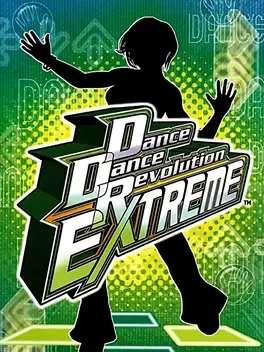
Dance Dance Revolution Extreme is a music video game by Konami and is the eighth release in the main Dance Dance Revolution (DDR) series. It was released on December 25, 2002 for Japanese arcades, on October 9, 2003 for the Japanese PlayStation 2, and on September 21, 2004 for the North American PlayStation 2. This game is the ninth release in North America, but despite having the same name as its Japanese counterpart, its gameplay and soundtrack is significantly different[1] and won the Video Music Awards in 2005 on MTV for Best Video Game Soundtrack. While the PlayStation 2 version came out in North America, the arcade version was exclusive to Japan. Despite this, the arcade version was exported to many arcades in the USA (most of them being bootlegged). Dance Dance Revolution Extreme was the last game in the DDR arcade franchise for four years until Dance Dance Revolution SuperNova in 2006. The arcade release of the game contains one of the largest soundtracks of any DDR game, featuring 240 songs, as well as music from other Bemani music titles. Konami issued an in-game thank you to the fans of Dance Dance Revolution and announced a rejuvenation of the entire series, but did not go into details. Konami's announcement led people to believe that DDR Extreme might be the final DDR release or that the series might be on hiatus or rebooted in the same manner as Beatmania and Beatmania IIDX.
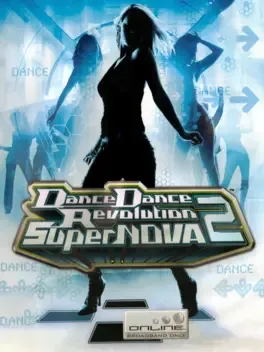
The hottest revolution and bestselling video game in the music game category explodes onto the dance floor with Dance Dance Revolution SuperNOVA2, the follow-up to 2006's biggest and best DDR game to date! Dance Dance Revolution SuperNOVA2 will deliver a dance party extravaganza with its fun interactive gameplay, incredible song selection and innovative new game modes.
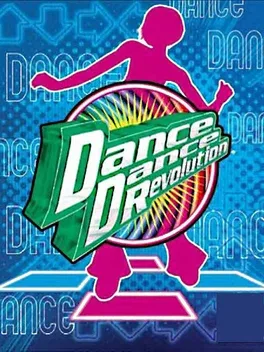
Dance Dance Revolution (ダンスダンスレボリューション Dansu Dansu Reboryūshon?), abbreviated DDR and also known as Dancing Stage in earlier games in Europe and Australasia, and some other games in Japan, is a music video game series produced by Konami. Introduced in Japan in 1998 as part of the Bemani series, and released in North America and Europe in 1999, Dance Dance Revolution is the pioneering series of the rhythm and dance genre in video games. Players stand on a "dance platform" or stage and hit colored arrows laid out in a cross with their feet to musical and visual cues. Players are judged by how well they time their dance to the patterns presented to them and are allowed to choose more music to play to if they receive a passing score. Dance Dance Revolution has been given much critical acclaim for its originality and stamina in the video game market. There have been dozens of arcade-based releases across several countries and hundreds of home video game console releases, promoting a music library of original songs produced by Konami's in-house artists and an eclectic set of licensed music from many different genres. The DDR series has inspired similar games such as Pump It Up by Andamiro and In the Groove by Roxor
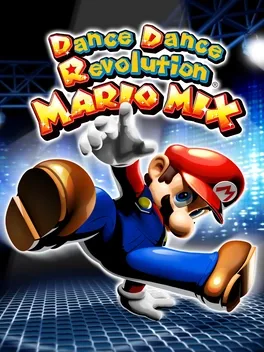
Boogie down with Mario in his own dance party. Players shake their things to more than 25 dance-flavored songs, from classic Nintendo themes to familiar favorites. With five difficulty levels, dancers of all abilities will be able to get into the groove. The special "Workout" feature tracks the calories burned while playing. Someone has stolen the Music Keys and released the music they held. Without the Music Keys, the unstable power of the music is wreaking havoc on the land. Mario must recover them before the chaos destroys the entire Mushroom Kingdom! The path to the keys is simple: Left, Right, Up, Down, Right, Down ...Characters include Mario, Luigi, Toad, Waluigi, Wario, Bowser. Players clear levels by performing the correct steps. Once they clear all the levels in a particular world, they'll collect a Music Key. Collect all the Music Keys to win. Players control Dance Dance Revolution: Mario Mix by stepping on different arrows on the Action Pad (included with game). Players can finally experience the thrill of stomping Goombas and other enemies firsthand. As players clear songs, they will unlock more songs, minigames and difficulty levels.
In addition to including features from the previous game, PS2 gamers will now have the opportunity to participate in exciting head-to-head DDR online competitions for the first time ever. The 100 top scorers will be recognized through an interactive ranking system, letting novice players test their dancing mettle against top-notch DDR experts. Players can also go online to access new challenge missions which will be refreshed periodically, allowing players a way to continually expand the DDR gaming experience. Whether players are looking to dance to the hottest tracks in town, choreograph, edit and create their own dance steps, or use the 'Work Out' mode to burn off excess pounds, DDR Extreme 2 will offer players of all ages an interactive and fun way to get up and groove. The game's support for the EyeToy Camera continues to add depth and dimension to the gameplay. While using the camera, players can access fast-paced mini games and use both their hands and feet while dancing and watching themselves on TV. Keeping players on the dance mat is more than 100 minutes of energetic dance music, including exclusively-licensed dance hits as well as smash-hit songs, such as "Genie In A Bottle" and "Oops!...I Did It Again." Also adding to the impressive line-up of songs is new music by the famous video game musician Yuzo Koshiro, whose credits include composing music for hit games such as Streets of Rage series, Revenge of Shinobi and Shenmue.
The hottest revolution and bestselling video game in the music game category returns to its arcade roots with Dance Dance Revolution Supernova, the first arcade version to be released in North America in 6 years. Dance Dance Revolution Supernova uses a completely new hardware engine and is the largest game in the series. Players will have access to over 300 songs from different musical genres and 2000+ dance step patterns. Dance Dance Revolution Supernova is a brand new evolution in the DDR series and expands on every aspect of what made the original series innovative, fun and addictive.
The dance floor kicks into overdrive with DDRMAX2 Dance Dance Revolution. It is the latest installment of the highly anticipated DDR series and takes the revolution to the masses! Players can customize their own dance steps and workout in an innovative Exercise Mode. DDR is packed with a smash-hit lineup of all-new exclusive songs, licensed music and dance hits. There are cool contemporary game modes and brand new graphical interfaces featuring music videos that will keep everybody movin' and groovin' to the pulsating beats. DDR Max 2 also includes links to previous games for special features.
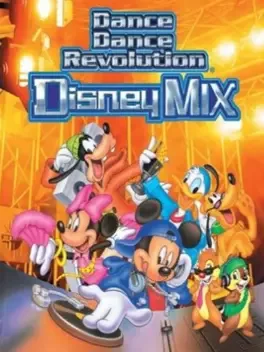
The revolution continues with Dance Dance Revolution Disney Mix. Featuring your favorite Disney characters and dance mixes of popular Disney tunes, this is the hottest dancing game this side of Magic Kingdom. Get ready to heat up the dance floor and put your skills to the test as you move to the groove. Let Mickey and his friends make your dreams come true as you become a star. - Dance to high-energy remixes of popular Disney tunes, including It's A Small World, Zip-A-Dee-Doo-Dah, and Mickey Mouse March. - Select from your favorite Disney characters, including Mickey Mouse, Donald Duck, Goofy and more! - Re-create the DDR experience with Konami's Dance Dance Revolution controller (sold seperately). - Special Work Out features let you have fun getting in shape - while tracking the calories you burn. - Multiple difficulty settings makes DDR Disney Mix easy to learn for all ages.
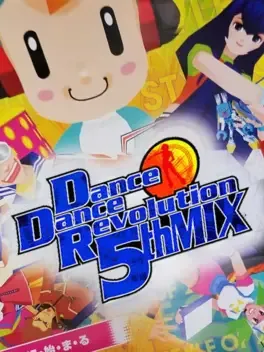
Dance Dance Revolution 5thMIX, or DDR 5th Mix, is the 5th game in the Dance Dance Revolution series of music video games. It was released to the arcades by Konami on March 27, 2001. Although only officially released in Japan, units exist worldwide. DDR 5th Mix contains a total of 122 songs, nine of which are hidden and unlockable. Of those songs, 40 of them (including all nine unlockable songs) are brand new to Dance Dance Revolution.
Another in the series of the Dance Dance Revolution games, this one is exclusive to the 360 with new songs ranging from the 1970's, 80's and 90's including contemporary artists' songs. The standard modes are present (split-screen Multiplayer, Workout)with two new ones: Freestyle that features no arrows and is more of an exhibition type aimed for all ages and skill levels, and Quest Mode where players can create their own character with a variety of customization ranging from clothing and appearances playing in a story-based mode in a series of challenges. Additional costumes can be unlocked through the Quest Mode. Players can also access new songs through Xbox live and compete head-to-head against players in dancing contests. There are editing options where unique dancing sequences can be transposed onto custom background videos.
The DDR dance party continues its long tradition of innovation and creativity with an entirely new game! Dance Dance Revolution Universe takes dancing to a whole new dance floor exclusively on the Xbox 360. A game that everyone can play and enjoy, including anyone with two left feet.
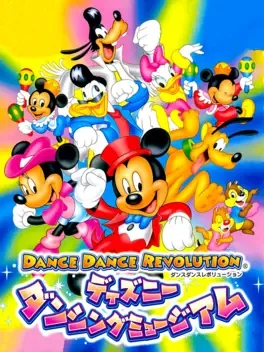
The only Dance Dance Revolution release for the N64, DDR: DDM is intended for children to play. As always, your goal is to jump to the right arrows at the right time. When you are dancing, familiar Disney characters dance along in the background. Some of the songs are Disney-related, others are Japanese as this was a Japan-only release. The game requires the dance pad to play.

Dance Dance Revolution Mario Mix 2 is a cancelled sequel of Dance Dance Revolution Mario Mix that was planned for the Nintendo Wii. It's existence was confirmed when documents relating to the Wii hardware were leaked as a part of the July 2021 batch of the gigaleaks. It's currently unknown if development ever officially started.
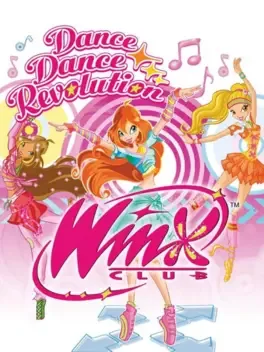
A European-exclusive spin-off to the long-running Dance Dance Revolution series featuring characters from the animated series Winx Club.
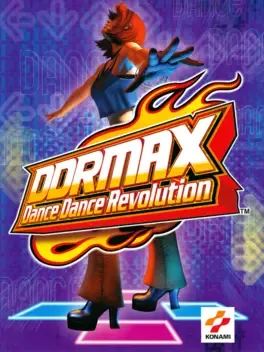
DDRMAX will have you working up a sweat to over 65 songs. The 100+ minutes of music include licensed tracks, fresh dance hits, and cool new songs exclusive to the North American release. DDRMAX delivers never-before-seen in-game videos, new gameplay options, blistering 60-frames per second frame rates and the largest song library in franchise history. Further enhancing the gameplay experience is the introduction of the FREEZE ARROW option that freezes on-screen arrows and forces you to modify your dance steps thus increasing complexity and adding a twist to the routine. Popular gameplay options that return in DDRMAX are the Edit Mode that enables you to customize your own dance steps, and the special Work Out mode that tracks the number of calories burned with every move.
The hottest revolution and bestselling video game in the music game category delivers its best dance performance yet on the Xbox with Dance Dance Revolution Ultramix 4. Jam-packed with new features, modes, music and gameplay, ULTRAMIX4 offers incredible content for casual, beginner and advanced dancers. For first time players, Dance Dance Revolution ULTRAMIX4 is the perfect introductory game in the series with new tutorials and super-easy levels to make anyone a dancing machine.
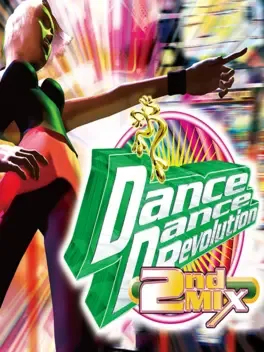
Dance Dance Revolution 2ndMix, is the second game in the Dance Dance Revolution series of music video games. It was released as an arcade game by Konami in Japan on January 29, 1999. It has a total of 32 songs: ten from the original Dance Dance Revolution arcade game and 26 all-new songs. An updated version, Dance Dance Revolution 2ndMix Link Version, was released to Japanese arcades on April 28, 1999. This version came with a PlayStation memory card reader, installed in the middle of the arcade cabinet. It supports cards that have Link Data from the home version of Dance Dance Revolution, allowing each player to save high scores and play custom step edits. 2ndMix Link Version adds five new songs to the game, two from the home version and three new licenses, for a total of 37 songs. Future Dance Dance Revolution releases in Japan, up to and including Dance Dance Revolution Extreme, integrated Link Data functionality in-game. However, these required different home games to produce different Link Data formats: 3rdMix, 4thMix, 4thMix Plus, 5thMix and New Version.
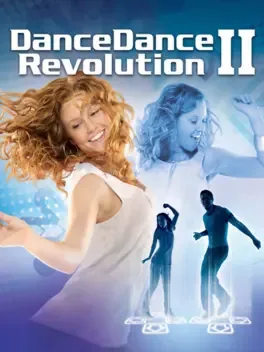
Dance Dance Revolution II, later released in Europe as Dance Dance Revolution Hottest Party 5, is a music video game in the Dance Dance Revolution series by Konami. It was released on October 11, 2011[1] for the Nintendo Wii in North America and on November 24, 2011 for Europe. Dance Dance Revolution II is the direct sequel to Dance Dance Revolution for the Wii. This game shares songs with the arcade version of Dance Dance Revolution X3 vs 2ndMix. It features characters from the arcade versions of Dance Dance Revolution.
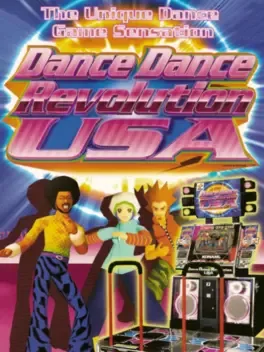
International variants of Dance Dance Revolution 3rdMix include Dancing Stage EuroMix and Dance Dance Revolution USA. USA was released in North American arcades in October 2000. It has a reduced song list of 26 songs: six licenses and 20 Konami Originals. USA shares four licenses and 15 Konami Originals in common, including two 3rdMix Plus tracks: "Love This Feelin'" and "TRIP MACHINE ~luv mix~". The music of Dance Dance Revolution USA mimics the music of its sister release, Dancing Stage EuroMix, quite a bit. While it's not the same selection of songs it shares the theme of bringing North America up to speed with Japanese releases of the time and the music that was first made available there.
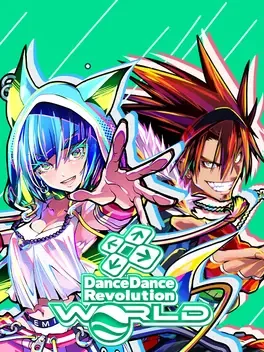
DanceDanceRevolution World is the 19th installment of the Dance Dance Revolution arcade series in Japan (and the 10th outside of Japan). The game was released as a software upgrade for LCD-based arcade cabinets on June 12, 2024, in Asia, Australasia, and the United States. It is the sequel to Dance Dance Revolution A3, and is currently the most recent release.
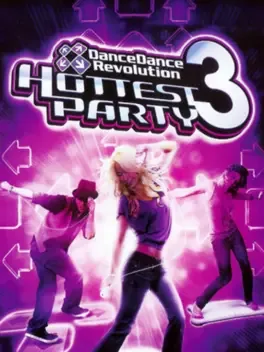
The gameplay of this game remains relatively unchanged from the original game. New modes on Dance Dance Revolution Hottest Party 3 include Tournament Mode, Relaxed Mode, DDR School, Hypermove Mode, and Wii Balance Board Modes. Returning modes include Free Play Mode and Training Mode. Dropped modes include the "Groove Circuit/Arena" Mode. It has been replaced with Tournament Mode. The use of hand markers have been removed from Free Play Mode. They are still existent in DDR School and Hypermove Mode, but are called Punch Markers.
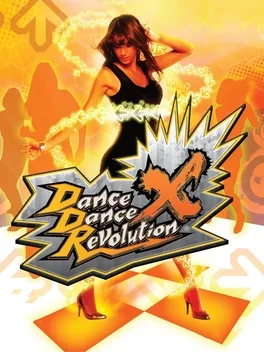
Dance Dance Revolution X is a music video game, part of the Dance Dance Revolution series. DDR X was announced by Konami in 2008 for Japan and on May 15, 2008 for the North American PlayStation 2. The arcade version was announced on July 7, 2008, July 9, 2008 in Europe, and July 10, 2008 for North America. Released to celebrate the 10th anniversary of Dance Dance Revolution, DDR X sports an improved interface, new music, and new modes of play. The arcade release featured an overhauled (second generation) cabinet design with a widescreen display, e-Amusement and USB access, and an improved sound system. Despite such new design of its arcade cabinet, upgrade kit to change the edition of DDR on its first generation arcade cabinet from SuperNOVA2 (or earlier) to X is also available. The PlayStation 2 release has link ability with the arcade machine, multi-player support over LAN, and other improved and returning features such as EyeToy support. DDR X was called a "truly global version", with a multi-regional release by all three major Konami houses.
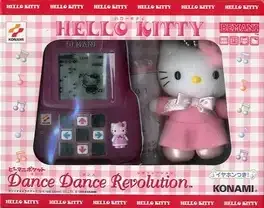
Dance Dance Revolution: Hello Kitty (DDR Hello Kitty) is a Bemani Pocket Hello Kitty/Dance Dance Revolution game.
Dance Dance Revolution 4thMix Plus is an upgrade of 4thMix, released on December 28, 2000. It adds fourteen new songs not seen in any previous DDR version. Several older songs have received new Maniac step sets, with the old steps being moved to "Maniac-S" (for Single) or "Maniac-D" (for Double). The new steps are generally much harder than before, and are used as the default Maniac steps in Dance Dance Revolution 5thMix. The old step sets have been restored for songs included in DDRMAX2 Dance Dance Revolution 7thMix, and certain 4thMix Plus steps return as Challenge steps in Dance Dance Revolution Extreme. An all music mode feature is included for Dance Dance Revolution 4thMix Plus where players have access to all songs in the game instead of picking music genres