
Popular games for franchise Doraemon
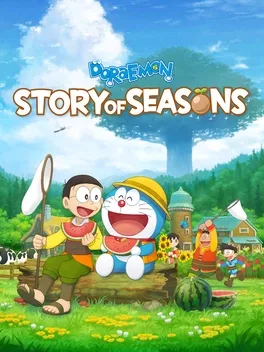
Nobita and friends carefree and heartwarming farm life begin in Natura, the game's original town where a mysterious big tree rises. Grow crops and take care of horses, cows, and other animals, all of which are unique to the "Story of Season" series. Explore the town, go on adventures, catch bugs, and do many more on the vast map of Natura. The game is a heartwarming story significant of Doraemon, which revolves around the themes of friendship, hard work, challenge, and the bonds between Nobita and the townsfolk. Of course, the "Secret Gadgets" will be making its appearance to make farm life even more convenient. Expect a heartfelt farm game like never before, depicted in a unique, nostalgic, and warm visual presentation.

Learn to read, write and pronounce" English in a fun way with Doraemon! Try out fun mini-games such as alphabetic keiko, "English word shiritori", "replacement quiz", and "matote quiz" and fully hone your English skills.

Educational game which focuses on written hiragana and kanji characters. Monsters are confronted by writing hiragana and kanji accurately in order to score an increased number of hit points. The written characters encountered vary with level selection, from "infant" to "6th grade."
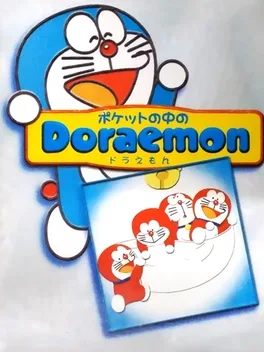
Pocket no Naka no Doraemon is a Strategy game, developed and published by Bandai, which was released in Japan in 2001.
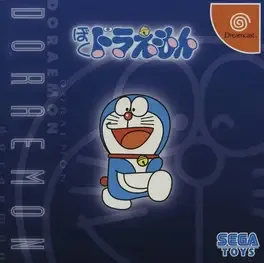
Boku, Doraemon is a Doraemon adventure game for Dreamcast.

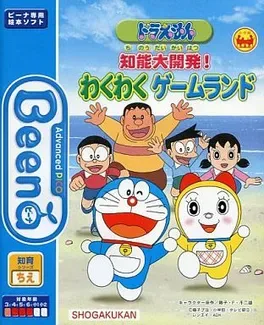
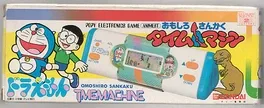
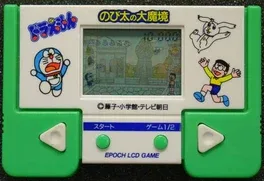
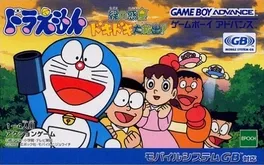
A Doraemon RPG for Game Boy Advance.
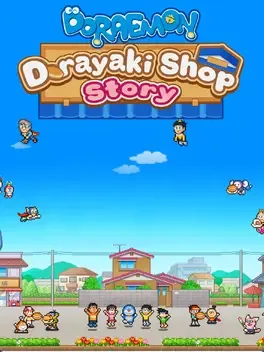
A game where you run a sweets shop with the popular manga character Doraemon. Let's make Doraemon's favorite dorayaki and create a store that will be the talk of the town. First, make the sweets, set up the shelves, prepare the tables, and get ready to run the shop. In addition, various characters from Fujiko・F・Fujio's works will appear as customers.
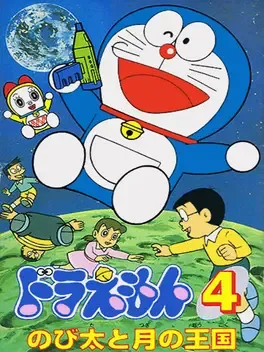
The fourth and final Doraemon platformer for the Super Famicom. Doraemon is a blue cat robot who came from the future to protect a Japanese boy named Nobita. Nobita always gets himself in all kinds of troubles, so his grandson in the future decided to help In this game, Doraemon and friends decide to visit the moon.
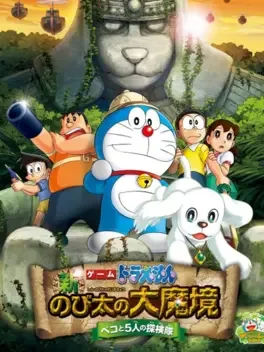
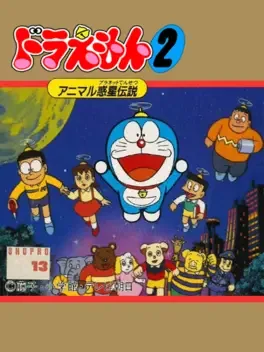
A Doraemon action game for Game Boy.

Train your thinking, observational, and memory abilities with Dora Chie: Mini-Dora Ongakutai to 7-tsu no Chie, released in 2013.

Doraemon Repair Shop is an app developed by Animoca. It is available for iOS devices via the Apple App Store, and for Android devices via Google Play and the Amazon App Store. Join Doraemon, the futuristic robot cat, on another one of his schemes to get Dorayaki in this cute and challenging time management game set in Doraemon’s all-purpose repair shop. Prepare to test your speed and reflexes!
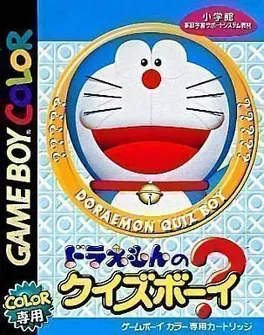
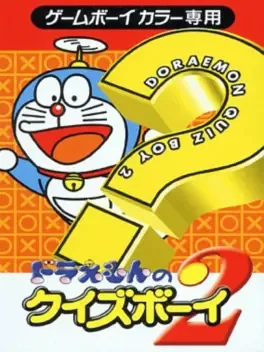
Doraemon no Quiz Boy is a Japanese Game Boy Color game.
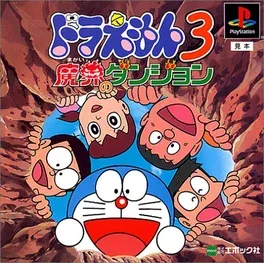
A Doraemon RPG for the PlayStation.
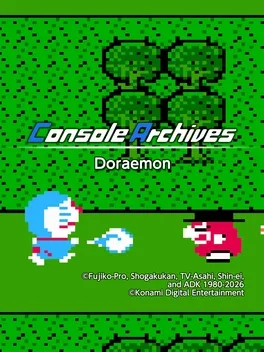
Doraemon was released by Hudson (current Konami) in 1986 for an 8-bit home console. This is an action game in which Doraemon goes on adventure using various Secret Gadgets to search for Nobita, Shizuka, Gian, Suneo who have been sent to "Space," "The haunts of evil," and "Undersea" due to a problem with their Time machine. Once you defeat the bosses in each world and rescue all of them, a wonderful ending awaits you!
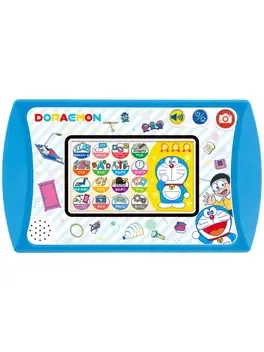
Doraemon GIGA Pad is a portable tablet by Bandai. The tablet contains various educational games based on the Doraemon series.
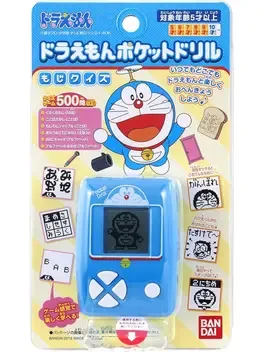
Doraemon Pocket Drill Moji Quiz is an educational LCD game by Bandai based on the Doraemon series.