
Popular games for franchise SD Gundam
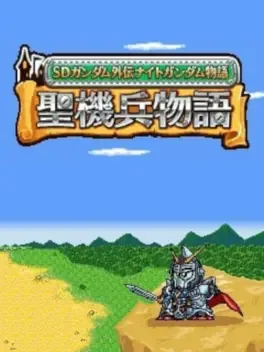
"SD Gundam Gaiden Knight Gundam Monogatari: Seikihei to Kikoushin" is the latest installment in the "SD Gundam Gaiden: Knight Gundam Monogatari" role-playing game series, first released as a home video game in 1990 and ported as cell phone content in 2008. (As of 2010)
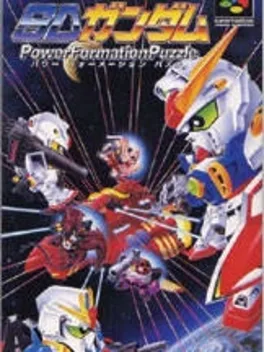
SD Gundam Power Formation Puzzle is a Puzzle game, developed by Tom Create and published by Bandai, which was released in Japan in 1996.
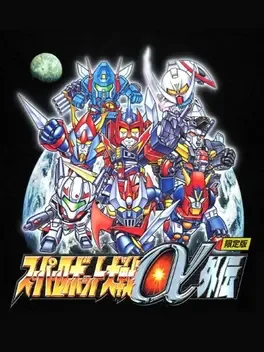
Shortly after the events of Alpha, the Earth Federation has covered up many of the events in the climatic battle with the antagonist Aerogaters, but the gravity shock wave from the detonation of the Excelion (from Gunbuster) in the Battle of the Solar System's Absolute Defense is rapidly approaching the Earth, and threatens to wipe out the space colonies and the planet. The Earth's only hope is the Aegis System, which could shield the Earth Sphere from the shock wave. Unfortunately, the heroes are sent to an alternate future, where the Earth has been ravaged by the wave. Faced with a new threat in the form of the Ancestors, the heroes must find a way to return to their time and prevent this alternate, dystopic future from happening.
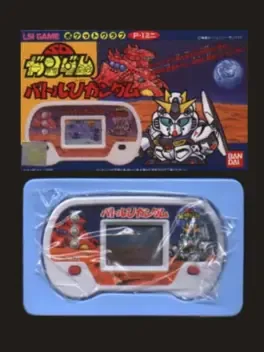

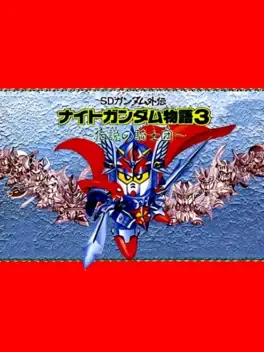
SD Gundam Gaiden: Knight Gundam Monogatari 3 - Densetsu no Kishi-dan is a Role-Playing game, developed by TOSE and published by Bandai, which was released in Japan in 1992.
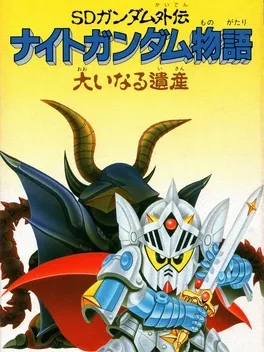
Role-Playing video game released by Angel in 1991 for the Super Famicom. It is based in the SD Gundam universe, a spin-off of the popular mecha anime franchise.
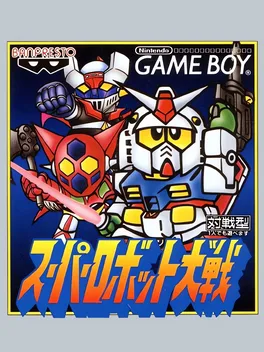
The first game of the series, which only features sentient robots from the Universal Century Gundam series, Mazinger series and Getter Robo series. It is one of the only independent games in the series to feature a multiplayer mode; it is not done again until the release of Super Robot Wars XO. Unlike future games, the goal is to capture the enemy army's "tower," and Spirit Commands can only be used by the unit that is designated the team's "hero." The final boss of the game was the main villain from Great Mazinger vs. Getter Robo, Gilgilgan.
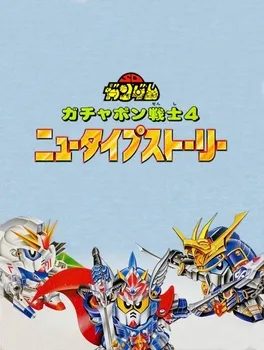
SD Gundam: Gachapon Senshi 4: New Type Story is a Strategy game, developed by TOSE and published by Yutaka, which was released in Japan in 1991.
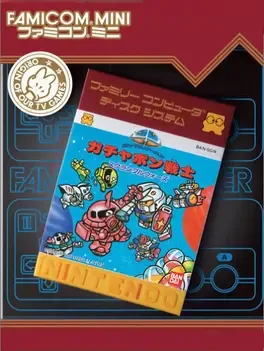
Famicom Mini: SD Gundam World - Gachapon Senshi: Scramble Wars is a Game Boy Advance video game released in 2004 by Nintendo. It is a remake of Bandai's Famicom game SD Gundam World: Capsule Warriors - Scramble Wars, and little to no alterations were made on the game to stay faithful to the original title. The game was not released in America or Europe, and thus was exclusive to Japan. It was part of the Famicom Mini Series that re-released a variety of classic Famicom games for the Game Boy Advance.
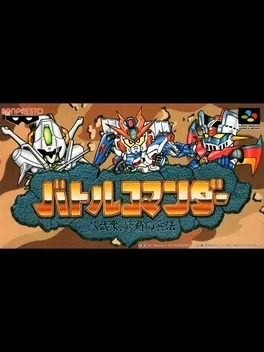
Battle Commander is a Strategy game, developed by Arc System Works and published by Banpresto, which was released in Japan in 1991.
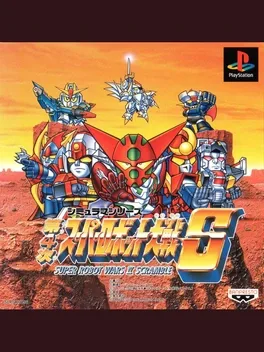
Port of Dai-4-ji Super Robots Taisen for PlayStation.
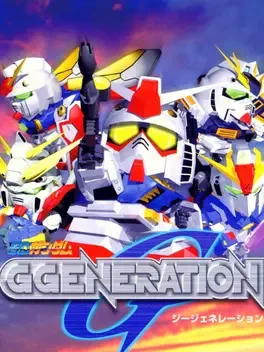
The culmination of the Super Famicom SD Gundam Generations series, this strategy RPG would be the first of a long, on-going series of games.
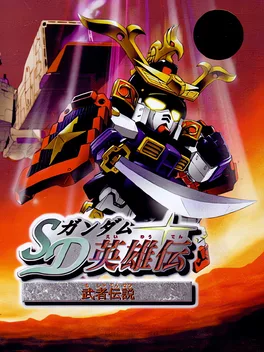
SD Gundam Eiyuuden: Musha Densetsu is a Role-Playing game, developed by Bec and published by Bandai, which was released in Japan in 2001.
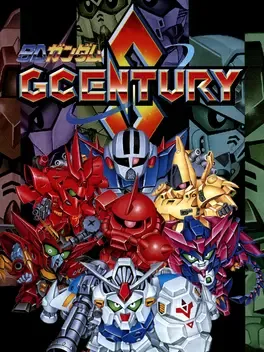
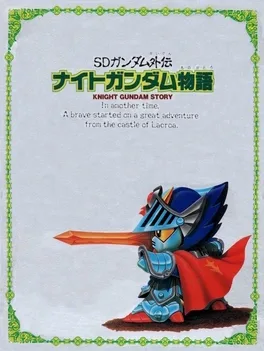
SD Gundam Gaiden: Knight Gundam Monogatari is a Role-Playing game, developed by TOSE and published by Angel (Bandai), which was released in Japan in 1991.
SD Gundam G Generation Cross Rays Platinum Edition, features characters and Mobile Suits from the Mobile Suit Gundam Wing, Mobile Suit Gundam SEED, Mobile Suit Gundam 00, Mobile Suit Gundam Iron-Blooded Orphans and 30 series more. Relive the latest original G-Generation work in the crossover of four worlds that is now available in an “Platinum Edition” that includes the Season Pass and downloadable contents: - Main Game *The full game is identical to the one released on 28 November 2019. - Season Pass (This includes sequential release of Group Dispatch 1~4 from 28 November 2019. - Expansion Pack (DLC released on 28 May 2020.) - Free DLC (This includes all the DLCs that contain various bonuses released from 28 November 2019 to 28 May 2020.)
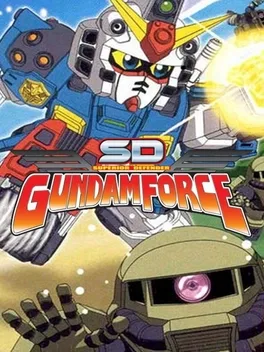
Play as your favorite Gundam Force character from the animated series and save the peaceful capital Neotopia from a mysterious ancient force. You can play the role of Captain Gundam, Zero the Winged Knight, or Musha Bakunetsumaru; equip your characters with weapons and items; and then head into battle. The journey spans three worlds and ends with a final showdown with the evil berserker Abigor. It's up to you to rescue Shute from the Dimension Halo and destroy the evil empire.
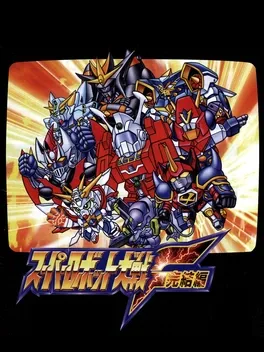
Super Robot Wars F Final (or "Super Robot Taisen F Kanketsuhen") picks up where Super Robot Wars F left, starting at stage 35. F and F Final were originally thought as an unique game, but production delays made the producers decide to split the game in two parts. This game features the first appearance of Mazinkaiser (created by contaminating the Mazinger Z with Getter rays). Gameplay mechanics are the same of Super Robot Wars 4 (and Super Robot Wars F, of course). It's a turn strategy game, when attacked the player can decide to counter, to dodge (halves the % of being hit) and to defend (it halves the damage eventually received).
SD Gundam Gaiden Knight Gundam Monogatari: Entaku no Kishi-dan is a Role-Playing game, published by Bandai
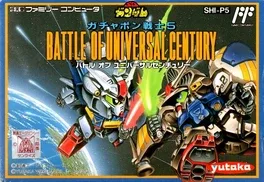
SD Gundam: Gachapon Senshi 5 - Battle of Universal Century is a Strategy game, developed by TOSE and published by Yutaka, which was released in Japan in 1992.
SD Gundam: Sangokushi Rainbow Tairiku Senki is an Action run-and-gun game in the style of the Contra series, developed by Bandai and published by Banpresto. Released in Japan for the arcades in 1993.