
Popular games for franchise Taiko no Tatsujin
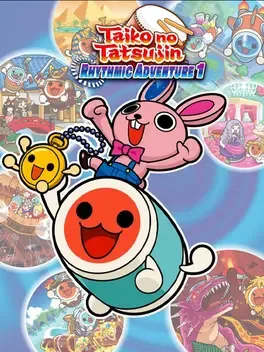
Don-chan leaves the past behind for a great adventure, that transcends time and space, to the future! Warp to different eras to stop the bad guys from destroying history!
Sync to the rhythm and drum away to those notes! The traditional Japanese drumming rhythm game, Taiko no Tatsujin, comes to Apple Arcade.
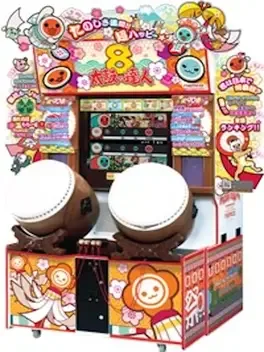
A sequel to Taiko no Tatsujin 7, featuring a new Category for Video Game Music, the new Baizoku, Sanbai, Yonbai modifiers, and a Revival Roulette after the first song failed. This game marked an important moment for the Taiko franchise and its crossover with other video game companies for their OSTs such as Nintendo and Square Enix.
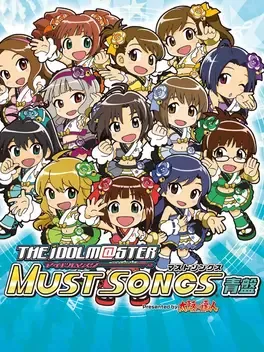
An Idolmaster themed Taiko Drum Master rhythm game for the PlayStation Vita.
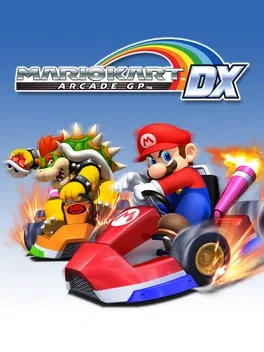
The international version of Mario Kart Arcade GP DX has some gameplay differences from the Japanese original, with the main difference being the lack of the National Battle mode.
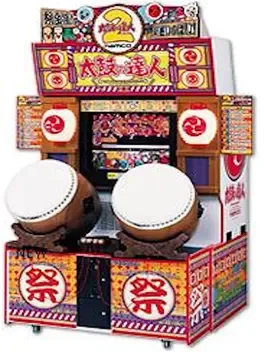
A sequel to the original Taiko no Tatsujin Arcade game, featuring 13 new songs and new difficulty settings.
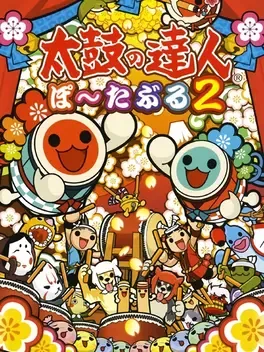
Taiko no Tatsujin Portable 2 is the sequel to Namco's popular music game. This time, a total of up to 62 are included, as well as a "Story Mode" where one progresses by playing rhythm games. Also 4 minigames different from those of the predecessor are newly added. Beginner Dojo becomes Japanese Taiko Classroom, where one can try their hand at more difficult scores. While the newly added Donko Mode allows beginners and children, who are not used to controlling don and katsu, to also fully enjoy the fun of beating the taiko. Taiko no Tatsujin Portable 2 can be played cooperatively and communication battle, and also supports game sharing function. For the four minigames, two can be played via communication battle as well.
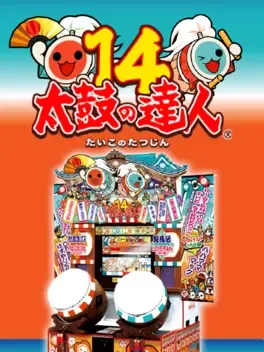
Taiko 14 is the first arcade to feature the alternate scoring method, Shin-uchi Mode, which awards points based on the number of notes you hit and not the notes you hit in a row. You can alternate between regular and Shin-uchi Mode, however the high scores for both modes are different, and Shin-uchi Mode scores are not recorded.
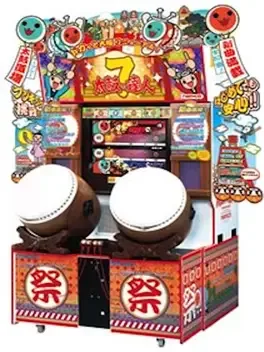
A sequel to Taiko no Tatsujin 6, Taiko no Tatsujin 7 is a major turning point of the franchise featuring PS2-like graphics thanks to the new Namco System 246 board. All songs are streamlined into 6 genres excluding Game OST which is partially split between Namco Original and Variety until a little later on. Game modifiers such as Go-Go Time and Doron and a Popularity Ranking system were added. However, the Battle Mode and the ability to choose the same song more than once per play were both removed.
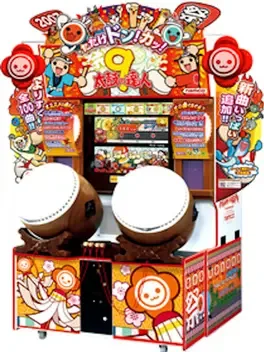
A sequel to Taiko no Tatsujin 8, practically identical to its predecessor other than a few new songs added reaching the milestone of 100 songs in a single Taiko game, the removal of the Song Select mode, and one last modifier called Abekobe was added.
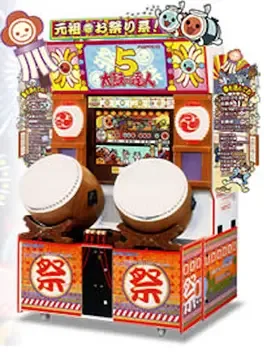
A sequel to Taiko no Tatsujin 4, featuring 34 new songs, selecting songs before the difficulty mode, but can't choose the Donderful difficulty in this mode; The Futsuu difficulty added for all Namco Originals, and the ability to choose the same song more than once per play.

Taiko no Tatsujin 12.5 (the widely accepted short form of the 12 Zoryoban machine) was released in July 2009, a month after Asia 12. It's not a fully new version, instead 12.5 succeeds at what the original Taiko 12 failed to do- provide compelling reason to come back to the arcade to play compelling new songs. 'Zoryoban' means 'expanded version' which is very true, as it included a whopping 145 songs on debut and 155 after all the secret codes were revealed, a far cry from the minimalist approach by the original. 12.5 is almost completely different from 12 in terms of fun.
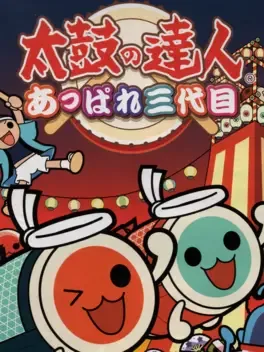
The third home version of the long running drum game Taiko no Tatsujin (A series known as Drum Master in the west). It was the last game in the home series to feature Arcade, Battle and Survival Modes. Three new minigames were added as a bonus. The game is played by hitting the red and blue circle that move from right to left as they overlap with the target market. The red circle signals that you should hit the centre of the drum while the blue means you should hit the rim. The game features 39 songs, 5 of which are secret and needs to be unlocked by playing.
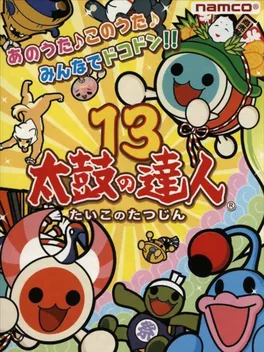
The 13th Taiko no Tatsujin, released on December 2009 just five months after the wildly successful Taiko 12.5. Taiko 13 takes the game to new heights, being the first version to be used in a nationwide (Japan, of course) official Taiko no Tatsujin tournament in April 2010. In terms of new features, again it doesn't introduce many new things, except a slight change in the Children/Folk genre name from Kanji to hiragana.
The DEEMO -Reborn- Taiko no Tatsujin Collaboration Collection contains 5 songs and 25 charts.
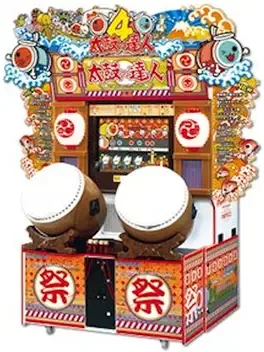
A sequel to Taiko no Tatsujin 3, featuring 33 new songs and voice samples for combos like '50 combo!' '100 combo!' etc.
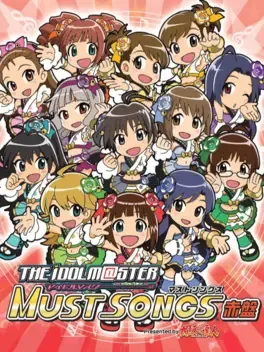
An Idolmaster themed Taiko Drum Master rhythm game for the PlayStation Vita.
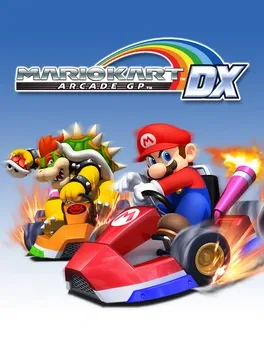
Mario Kart Arcade GP DX is a Mario Kart game for arcade systems, developed by Namco Bandai Games in partnership with Nintendo. It is the tenth installment in the Mario Kart franchise and the third title in the Arcade series following Mario Kart Arcade GP 2, which was a follow-up to Mario Kart Arcade GP. The game was released in Japan on July 25, 2013 and in the United States during 2014. Just like the previous two Arcade GP games, it is possible to do multiplayer play by linking up to four cabinets.
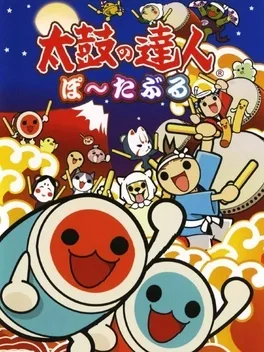
The Taiko Drum Master rhythm game series makes its portable debut.
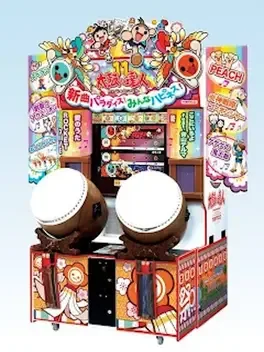
A sequel to Taiko no Tatsujin 10, this new title tried to enhance the quality of life for the users by adding the Ura Oni difficulty for the expert players and the Papa Mama Support mode for the young players, it also added the ability to change the sound of the Taiko which already was a thing in the console games, and they removed the Revival Roulette to replace it with the Revival Drumroll minigame.
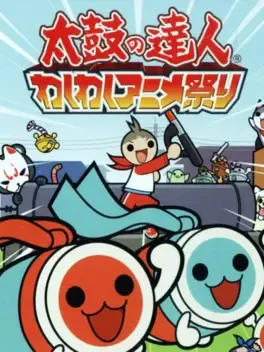

A sort of "reboot" of the Taiko no Tatsujin series, which can be directly updated with an Internet connection by Namco.
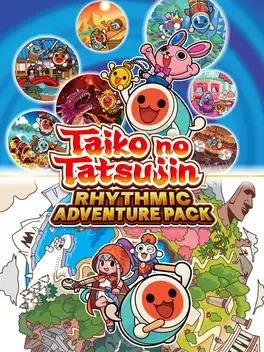
Taiko no Tatsujin RPG?! Join Don-chan in two exciting RPG adventures! From the past to the future, Don-chan sets out on a great adventure that will transcend time and space and save the world from mysterious occurrences around the world in "Taiko no Tatsujin: Rhythmic Adventure Pack".
A sequel to Taiko no Tatsujin 5, featuring 32 new songs and no other notable change from its predecessor.