
ACA Neo Geo: Aggressors of Dark Kombat


Parent game
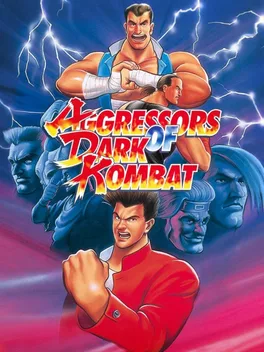
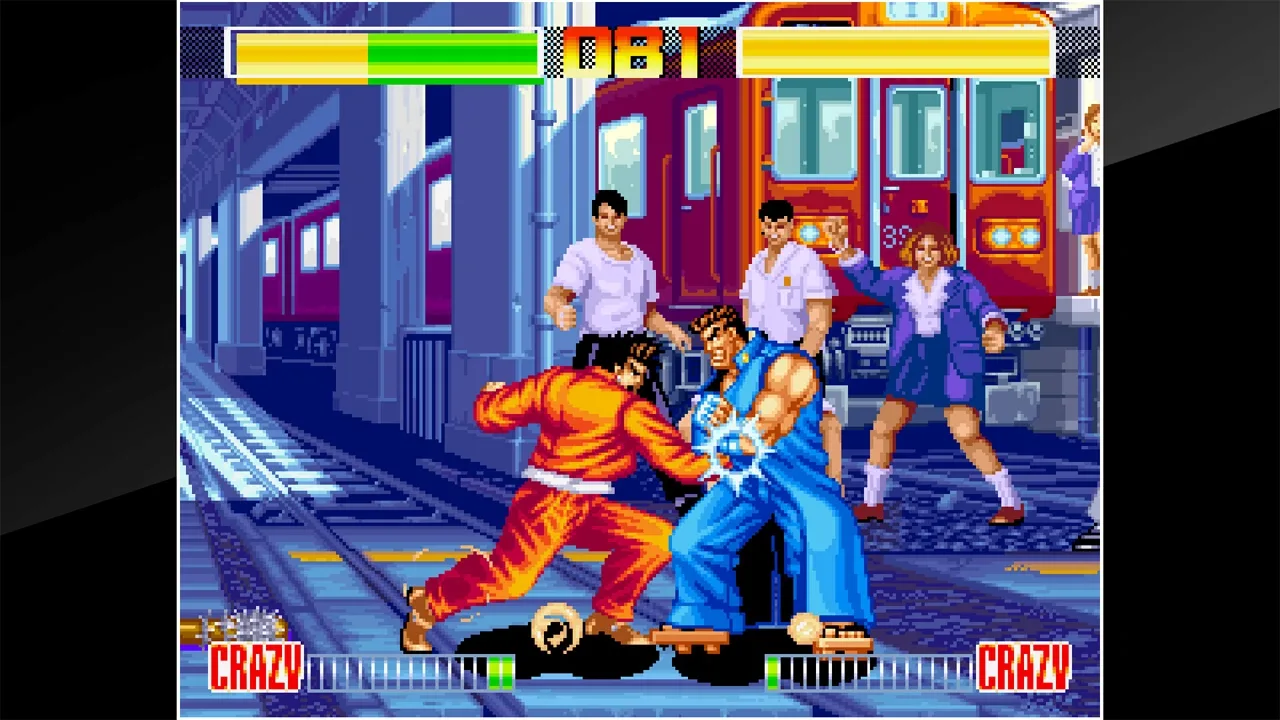
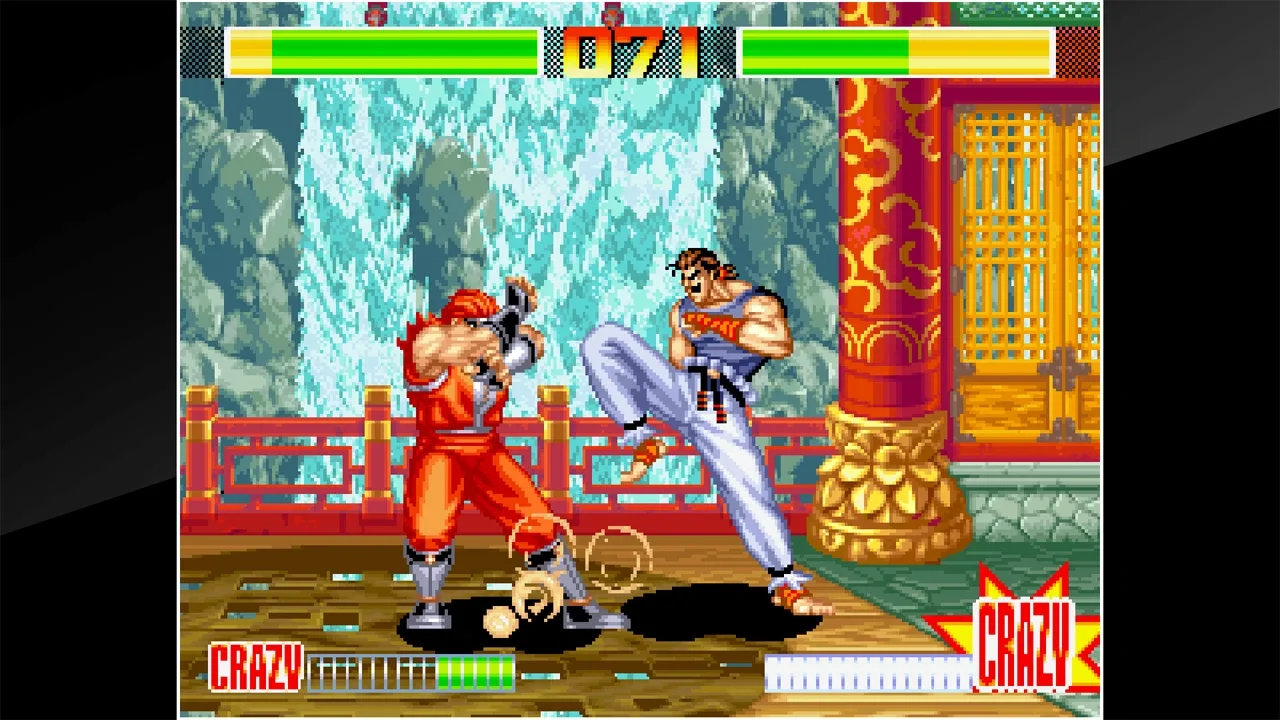
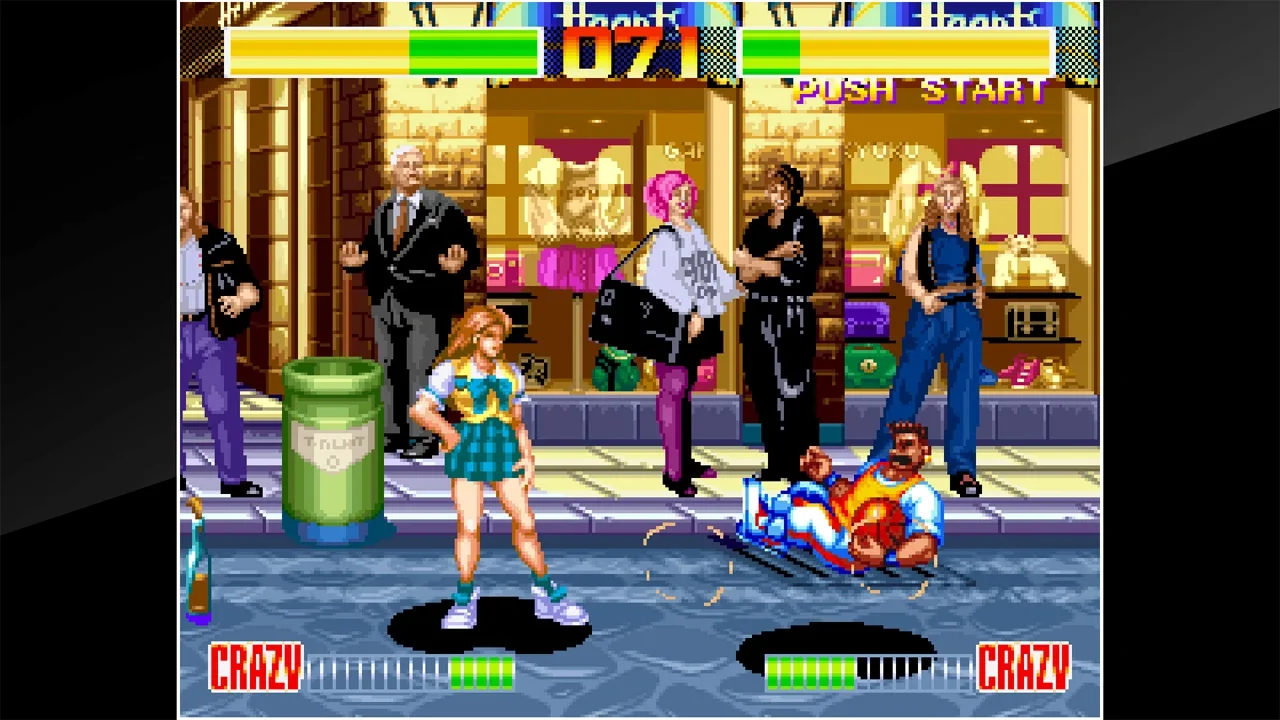
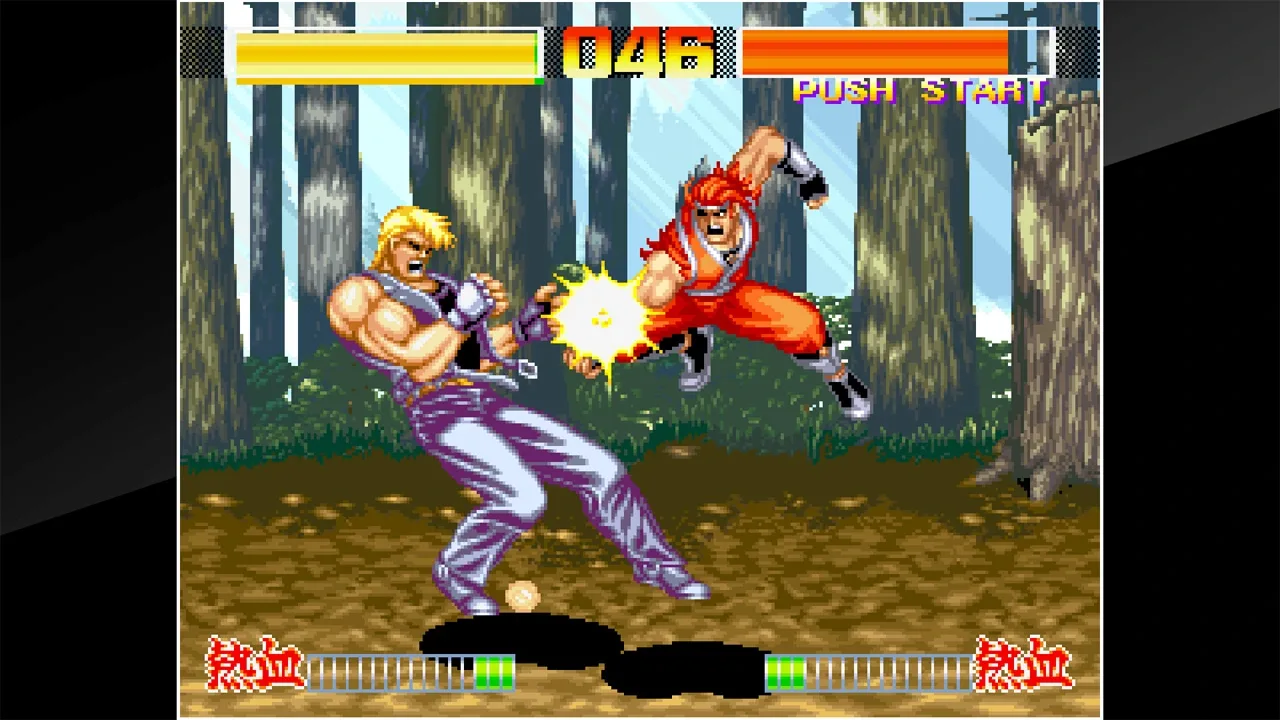
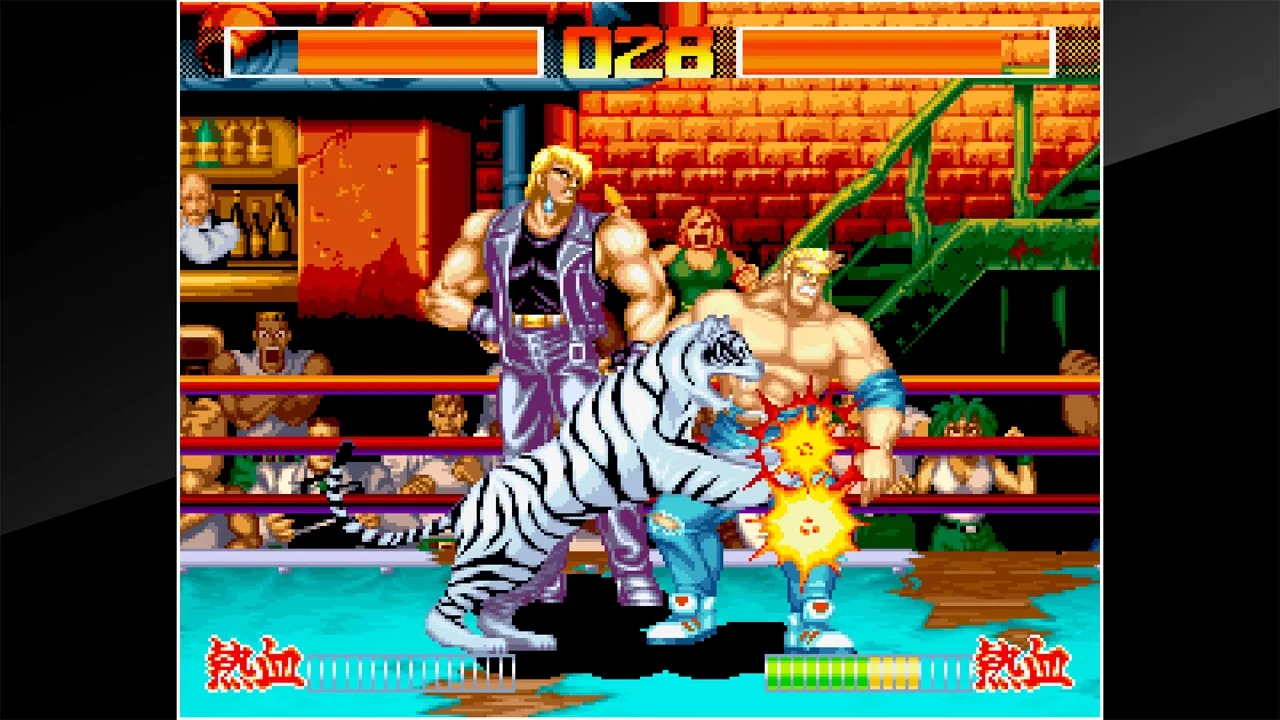
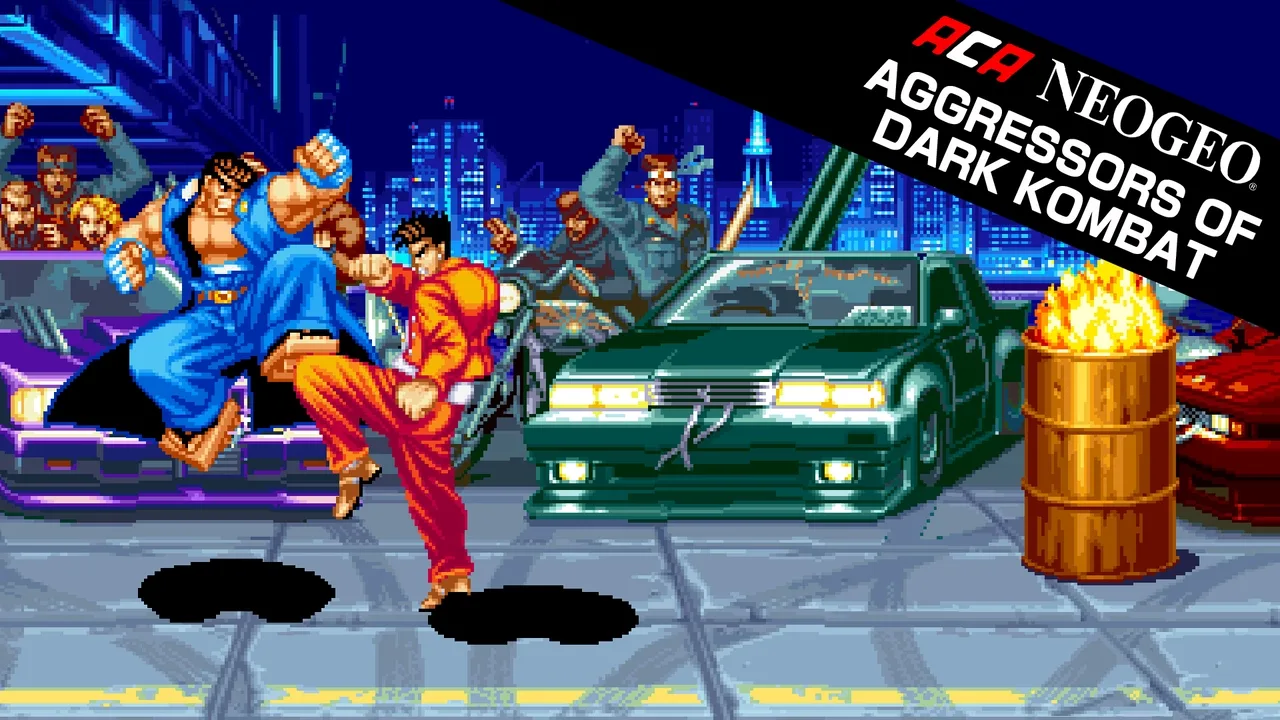
Aggressors of Dark Kombat offers virtually no storyline to explain its fights. In fact, the prefight conversation sequences show that the fights are not much more than chance meetings. The player's chosen character will advance through a series of stages fighting a series of opponents because he doesn't like the way the other guy looks. The game is viewed from the side perspective that virtually all 2D fighting games use. One player can fight against a computer-controlled opponent, or two players can fight against each other. Each character's life bar appears on the upper left or right of the screen, depending on starting location. A timer is located between the two life bars. When one character is drained of energy or the timer runs out, the match is over and the character left standing (or with more life, if neither characters were drained of energy) wins.
Part of collection:
ACA NEOGEO
(last 3 games)

Samurai Shodown V Special is a fighting game released by SNK in 2004. Bringing together 28 of your favorite characters, including past bosses! The familiar Rage Explosion, Concentration One, and Fatal Flash mechanics from previous titles in the series are still here, and you can't miss this chance to take down your opponents in one hit with flashy Over Kill Moves!

The Ultimate 11 - SNK Football Championship is a soccer game released by SNK in 1996. Choose your favorite of 80 different teams, more than ever before, and conquer the two Championship modes! Choose from 4 styles of team balance to customize your team according to your own playing style!

The King of Fighters 2003 is a fighting game released by SNK in 2003. It features the same 3-on-3 battle system as the previous title in the series, but this time players are able to use the "Multi-Shift" format to freely tag in team members for speedier gameplay. A new character named ASH is also introduced, marking the beginning of a new chapter for the series!
Could be interesting
Aggressors of Dark Kombat offers virtually no storyline to explain its fights. In fact, the prefight conversation sequences show that the fights are not much more than chance meetings. The player's chosen character will advance through a series of stages fighting a series of opponents because he doesn't like the way the other guy looks. The game is viewed from the side perspective that virtually all 2D fighting games use. One player can fight against a computer-controlled opponent, or two players can fight against each other. Each character's life bar appears on the upper left or right of the screen, depending on starting location. A timer is located between the two life bars. When one character is drained of energy or the timer runs out, the match is over and the character left standing (or with more life, if neither characters were drained of energy) wins.
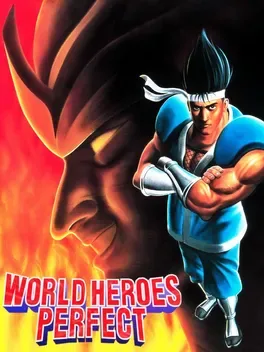
One year after both the conclusion of the World Heroes Battle Fest and the defeat of Zeus, invitations has been sent to the 16 fighters by Dr. Brown, informing them of a new World Heroes tournament that'll help finally settle the question of who's the strongest fighter in history. With the 16 fighters preparing themselves in order to finally determine on who's the strongest fighter in history, Zeus seeks to gain his revenge against those who had caused his downfall, but little does Zeus and the rest of the fighters know and realize that an old enemy from the past is also back and that he too has his own personal desire for revenge as well.
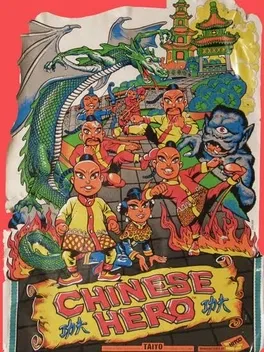
Chinese Hero is an arcade action game developed by Nihon Game (now Culture Brain) and published by Taiyo System in October 1984. Chinese Hero is the first game in the Super Chinese series by Culture Brain. It was ported to the Nintendo Entertainment System as Kung Fu Heroes in Japan by the company Nihon Game in 1986 and was released in North America in 1989. Kung-Fu Heroes features an overhead view and up to two players may play simultaneously. It is a direct port of the earlier arcade game Chinese Hero developed by Nihon Game at the time the company was involved in the coin-up industry. Kung-Fu Heroes is an NES port of Chinese Hero, and unlike other titles in the series, it does not incorporate any role-playing video game elements in the gameplay.

Dead or Alive is a 1996 arcade fighting game by Tecmo for the Sega Model 2 (2A CRX and 2B CRX) arcade hardware and the first game in their Dead or Alive franchise. It was ported to the Sega Saturn in 1997. A limited edition was also released for the Saturn which came with an art book. An enhanced port including new characters was released for PlayStation, and later backported for arcade under the title "Dead or Alive++".
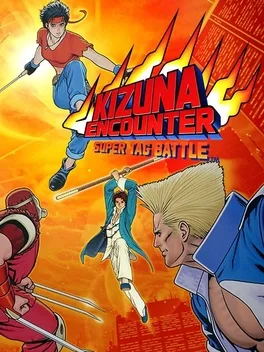
Kizuna Encounter: Super Tag Battle is a fast tag‑team fighting game that swaps Savage Reign’s two‑plane system for dynamic tag combat, emphasizing team synergy, chain combos, and simplified controls for more fluid, strategic matches. Players pick two fighters, use tag cancels and partner assists to extend combos and shift momentum in high‑risk 2D arcade battles. The roster is largely retained with Nicola and Carol replaced by Rosa and Kim Sue Il. A new final boss, Jyazu, blends moves from Gozu and Mezu, adding extra challenge.

Kung fu fighting game. Typical quick and dirty ZX Spectrum port with the quality to match.

KOF Neowave features 12 three-man teams made up of some of the greatest characters from SNK's 11-year history, including the Women Fighters Team (Mai, King and Yuri) and the Fatal Fury Team (Terry, Joe, and Andy). NEOWAVE features three modes of play - Super Cancel, Guard Break, and Max2. A new "Heat Mode" lets players power up their attacks in exchange for a gradual loss of health. A total of 43 characters including 7 Bonus characters. 12 of the most dangerous fighting teams ever assembled. Pick your team and fight it out in the original 3-on-3 battle format. Beautifully rendered background graphics. Activate "Heat Mode" to power-up your attacks. Revives the evacuation rolling maneuver and thrust attacks. Over-the-top Super Special Moves. 3 modes of play: Super Cancel, Guard Break and Max2. Link a Special Move with a Super Attack in the Super Cancel Mode to cause extreme damage.
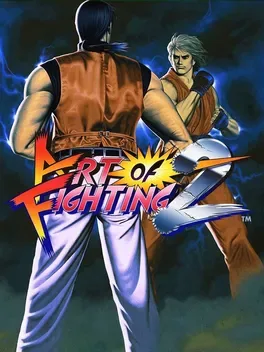
The second installment in the AoF series added the "rage gauge"; similar to the "spirit system" of its predecessor, it limited the use and effectiveness of special attacks. The game's story is set a year after the original. Geese Howard, a rising star in South Town's criminal underworld, calls fighters to the city for a new tournament, "The King of Fighters." Howard was the final boss and series villain of SNK's other fighting game franchise Fatal Fury (though he is a secret boss in this game), whose story took place over a decade after the events of Art of Fighting. Art of Fighting 2 was the only time Yuri Sakazaki was a playable character in the series. It also marked the only time that she donned her trademark outfit, which was made famous in The King of Fighters series. This game also marks the debut of Takuma Sakazaki without his Mr. Karate persona, as well as Eiji Kisaragi, who both appear in the King of Fighters series. Ryuhaku Todo, the first boss in the original AOF, is the only character dropped; all characters are playable from the beginning. The final boss is always Mr. Big, though as mentioned earlier, an extra match will be played against Geese Howard if the player unlocks him through good performance. This game is also notorious for its difficulty, with it being referred in many fighting circles as having some of the toughest opponent AI in a fighting game.

A one-on-one 2D fighting game, Astra Superstars pits all the champions of the magical kingdom against each other in a series of 3-round fights to earn the right to challenge the evil Satan Volte and try to put an end to his reign of terror. Seeing as how all the fighters have magical abilities, the fights take place in mid-air, allowing you and your opponent to fly all over the arena while you try to defeat each other using your basic attacks, special moves (triggered by specific controller motions) and super attacks.

Virtua Fighter 2 is a fighting video game developed by Sega. It is the sequel to Virtua Fighter (1993) and the second game in the Virtua Fighter series. It was created by Sega's Yu Suzuki-headed AM2 and was released for arcades in 1994. Ports were later released for various platforms.