
Championship Lode Runner



Parent game
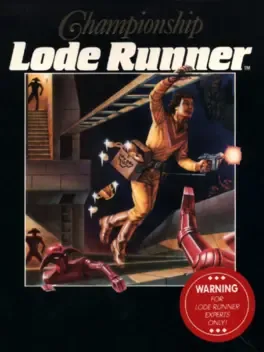
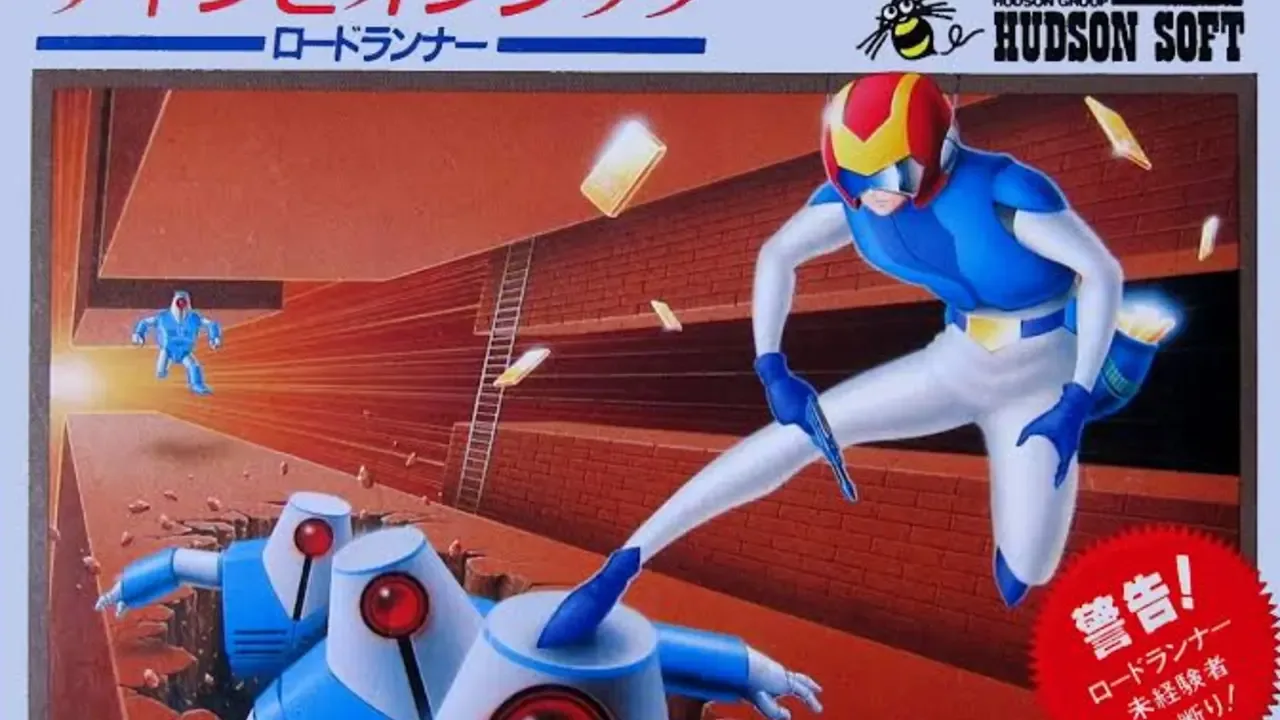
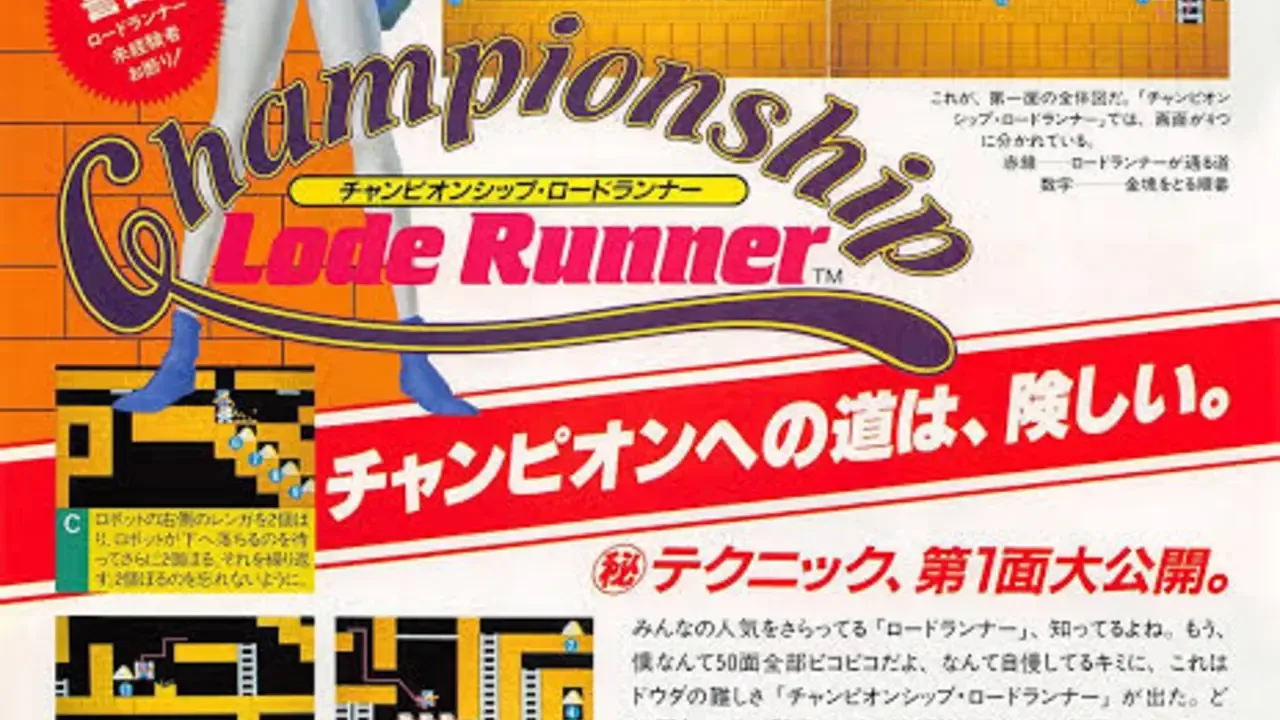
The object of the game is to pick up all the gold pieces (which appear as piles of gold) and get them to the top. Using non-violent methods, enemies had to be overcome. Bumping into enemies cost the player a life and all of his hard-earned gold pieces. Fifty of the hardest levels ever designed are used and they had to be tackled in proper sequential order. While games can be saved, the player automatically loses a life for restoring his game.
Part of collection:
Lode Runner
(last 3 games)
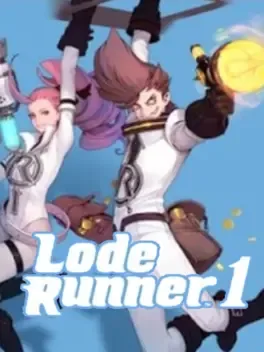
Lode Runner 1 is a remake of the original NES game, with the same mechanic, bur brand new 2d graphics (not to be mistaken by Lode Runner Legacy)
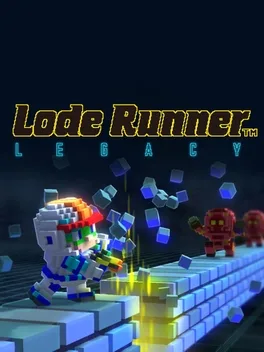
Lode Runner Legacy is the latest edition in the popular Lode Runner series. Players control “Runner” to recover stolen gold while avoiding enemies and minefields. Enjoy the ingenious balance of puzzle and action gameplay, an updated Voxel visual style and powerful game editors.
Classic Lode Runner action comes to Windows Phone.
Could be interesting
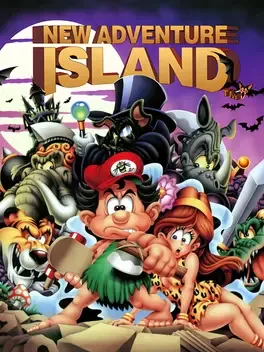
The adventure begins on peaceful Adventure Island. Today Master Higgins weds Tina. the new 'Miss Island“. Everyone is assembled at the church to celebrate their wedding when. suddenly. the evil Baron Bronsky appears. He wants to marry Tina himself. The evil baron carries Tina off, along with six island children. To reach his castle and rescue Tina, Master Higgins must first rescue the six children. each of whom is hidden on a separate island. You are Master Higgins. Will you be able to save her?
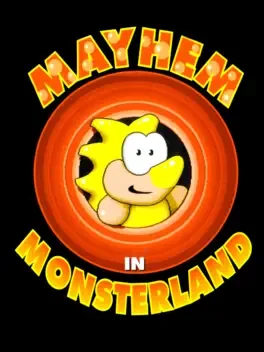
An apprentice magician dinosaur living in Monsterland, Theo Saurus, made a mistake while practising a spell one day. He turned the lands Jellyland, Pipeland, Spottyland, Cherryland, and Rockland into sad places, void of color or life. Theo began living underground in a hidden cave to avoid the wrath of the other monsters until discovered one day by the hero of the story, Mayhem. Mayhem promised to bring Theo the necessary magic dust to transform Monsterland to its previous happy state.
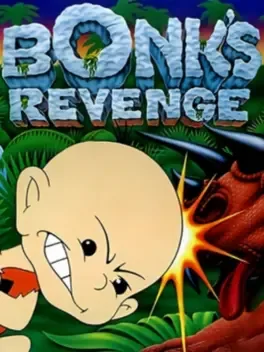
In Bonk's Revenge, King Drool hijacks half the moon in an attempt for world domination! Of course it's up to our favorite prehistoric hero to stop him, and so Bonk embarks on an all-new quest to save the world. Bonk’s second adventure leads him through 7 exotic levels, from sunny beaches to winter wonderlands, including 8 special bonus stages. Bonk’s new enemies include bad-attitude dinosaurs, vicious piranhas, oversized insects and many more treacherous foes. However, as always, Bonk comes packed with an arsenal of his very own dangerous moves. Staying true to his name, Bonk’s ultimate weapon is still his gigantic head! Bonk can pummel his enemies into submission with his signature headbutt or shake the very ground they walk on by pile-driving straight into the earth. A master of his terrain, Bonk can also climb various objects using his razor sharp teeth. Of course, what would Bonk be without his favorite caveman power-ups? That’s right, the roasted meat is back, but this time with an all new Bonk! By eating one small slab of meat, Bonk can now transform into Zombie Bonk, allowing him to petrify his enemies with a powerful pile driver or fireball. But by eating two small slabs or one large slab, Bonk will transform into Butthead Bonk, an all-powerful being who breathes fire, eradicating his enemies at will.
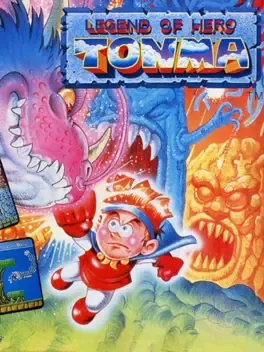
Legend of Hero Tonma is a side scrolling platform game released by Irem to arcades in 1989.
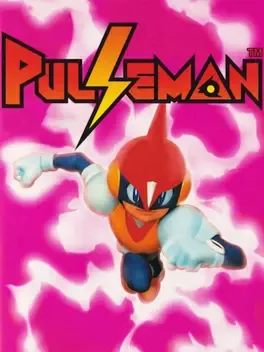
Pulseman is a platform game only released on cartridge for a Japanese audience, but was available to North American consumers via the Sega Channel. The game was not sold in Europe. It was developed by Game Freak, the development team that would later go on to produce the Pokémon series of games for Nintendo. Many of Pulseman's staff, including director Ken Sugimori and composer Junichi Masuda worked on both games.
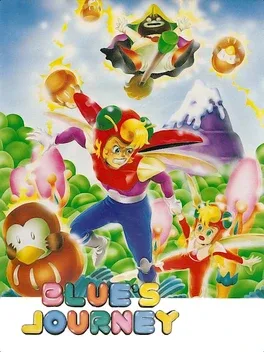
The planet Raguy was once a beautiful place, until the evil Daruma tribe invaded, bringing pollution that corrupted the land. You, as Blue, are a specialist of the Leaf Dump, and you love Princess Fa of the Raguy family. Unfortunately, Princess Fa has fallen sick from the pollution. It's your job to save your princess in Blue's Journey, a 2D side-scrolling platformer with RPG elements. Go through stages jumping on platforms and avoiding traps, while dealing with a multitude of bad guys, with a special bad guy boss at the end of every level to defeat with special means. To help with this, Blue can use a leaf attack and shrink. The leaf attack, only used when Blue is full sized, lets Blue slam a leaf that stuns any enemies he hits. Blue can also pick up power-ups for a more devastating leaf attack, or change his attack entirely. When the enemies are stunned, Blue can pick them up and throw them across the screen to dispose of more baddies. Shrunken down Blue can't use his attacking power, but he can fit into small crevasses and crannies not normally accessible. Of course, Blue can also dispatch enemies by jumping on them. Since Raguy's economy is flower based, Blue can collect flowers to buy things at special huts. But Blue must take care not to fall into traps or bottomless pits, which cause instant death. Being hit by bad guys or their shots is just as bad. Blue starts the game with two hearts, losing one when he gets whacked by a bad guy. When his heart count goes to zero, Blue dies. Play the game alone (as Blue), or with your friend (as a green Blue) for two-player simultaneous fun.
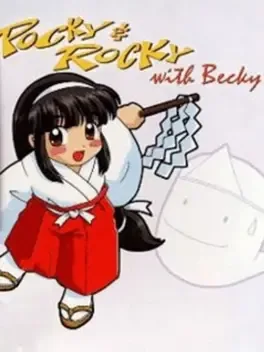
An evil Hydra Dragon has been awakened from a long sleep and has unleashed the world's most fearded mythical creatures on the land. It is up to you to stop them and eventually put an end to the evil Hydra's madness! You can choose one of the three characters, Pocky, Rocky the Raccoon or Becky to embark on this fantastic and dangerous adventure. Collect magical items and a variety of power-ups to help battle the mythical bosses as you journey to the final showdown with the Hydra!
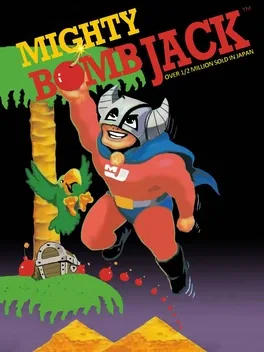
A platform game where the main character travels throughout various levels collecting bombs. The hero of the game, Jack, must make his way through 16 levels of a pyramid in order to defeat the demon Belzebut and rescue the royal Pamera family.Each level is split into two parts an action zone and a Royal Palace room. The mechanics and level designs of the Royal Palace rooms are directly lifted from the games prequel, Bomb Jack. Action zones can be split up into several portions, and contain power-ups usually hidden in treasure chests such as money bags, Mighty Coins and Mighty Drinks. Mighty Coins allow Jack to change colors blue allows Jack to open orange treasure chests, orange allows him to open any treasure chest by simply touching it from the side, and green transforms all enemies on the screen into coins for 5 seconds. Mighty Drinks add 10 seconds to the games timer. Secret passages can also be found in the action zones, activated by finding a Sphinx in a visible or hidden treasure chest.To prevent the player from becoming too greedy, the game automatically sends the player to a Torture Room if they obtain more than 9 Mighty Coins or 99 seconds on the games timer. The only way to escape a Torture Room without losing a life is to complete a number of jumps, which are counted down on the screen. Once the player exits the torture room, Jack automatically loses all Mighty Coins, the timer is reset to 60 seconds, and the game recommences from the beginning of the current level.A Royal Palace room NES version.A Vs. Series version of the game was released in 1986 for the Japanese market not to be confused with the original dedicated arcade version. Differences between the original and vs. series versions include adding a two-player mode, changing the locations of some secret passages and removing a warp trick in the Royal Palace rooms. In the NES version, Jack could warp forward to the next Royal Palace room if he touched the first lit bomb in the current room after the other 23 bombs were collected however, if Jack died in the warping process, he would be sent back to the beginning of the level from which the trick commenced.Mighty Bomb Jack also had a guest appearance on Tecmo Super Bowl, during the halftime show in the Super Bowl
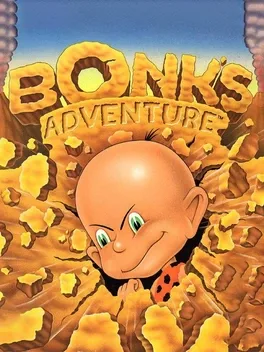
Bonk's Adventure was developed by Red Company and Atlus and released on the TurboGrafx-16 in 1989 before being ported to the NES, Game Boy and Amiga. It is a 2D platform game that became quite popular, with subsequent remakes and sequels spawning from the game. It was later included in Nintendo's Virtual Console service as well as the PlayStation Store.
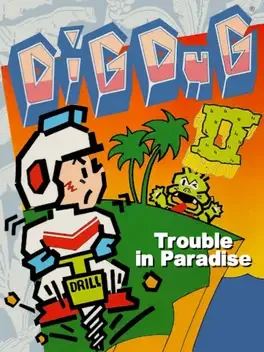
DIG DUG has decided to chill out from the pressures of the real world by taking a long overdue vacation on a beautiful Caribbean island. "At last," he thinks to himself, "sun, sand, surf, and no more hassles from those miserable pests Pooka and Fygar!" Lying in a hammock between the graceful palm trees, he drifts off into a blissful dream of beautiful bikini clad native girls catering to his every wish. But just when he thinks he's got it made in the shade, along come his troublesome enemies to turn his peaceful paradise into a tropical nightmare. Help DIG DUG rid the island of these irritating intruders and bring tranquility back to his vacation by the sea!