
Cosmotrons


Buy
Could be interesting
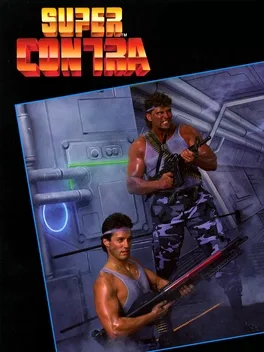
Super Contra is a Run and Gun-style action game produced by Konami, originally released as a coin-operated arcade game in 1988. It is the sequel to the original Contra and the second game in the Contra series released for the arcades. Like in the original game, the game centers on soldiers Bill Rizer and Lance Bean, who are once again assigned to protect the Earth from an army of alien invaders. The game features standard side-scrolling stages, as well as all new overhead stages in lieu of the original game's "3D" stages.
Lemnis Gate presents a revolutionary new way to play a First-Person Shooter with its unique time travel gameplay mechanics. Spanned over multiple rounds, players take turns altering the future in this strategic turn-based mind-bending experience.
Use creative combat tactics and skill shots to earn high scores as you teleport through city streets and rooftops in an awe-inspiring ballet of bullets. Tear apart your robot foes and use them to fend off the enemy onslaught. Unlock, customize and test weapons before taking on challenges that put your newfound skills to the test!
Space shooter game inspired by Space Invaders and Galaga.
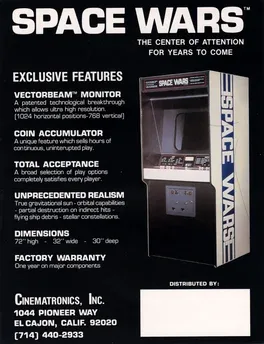
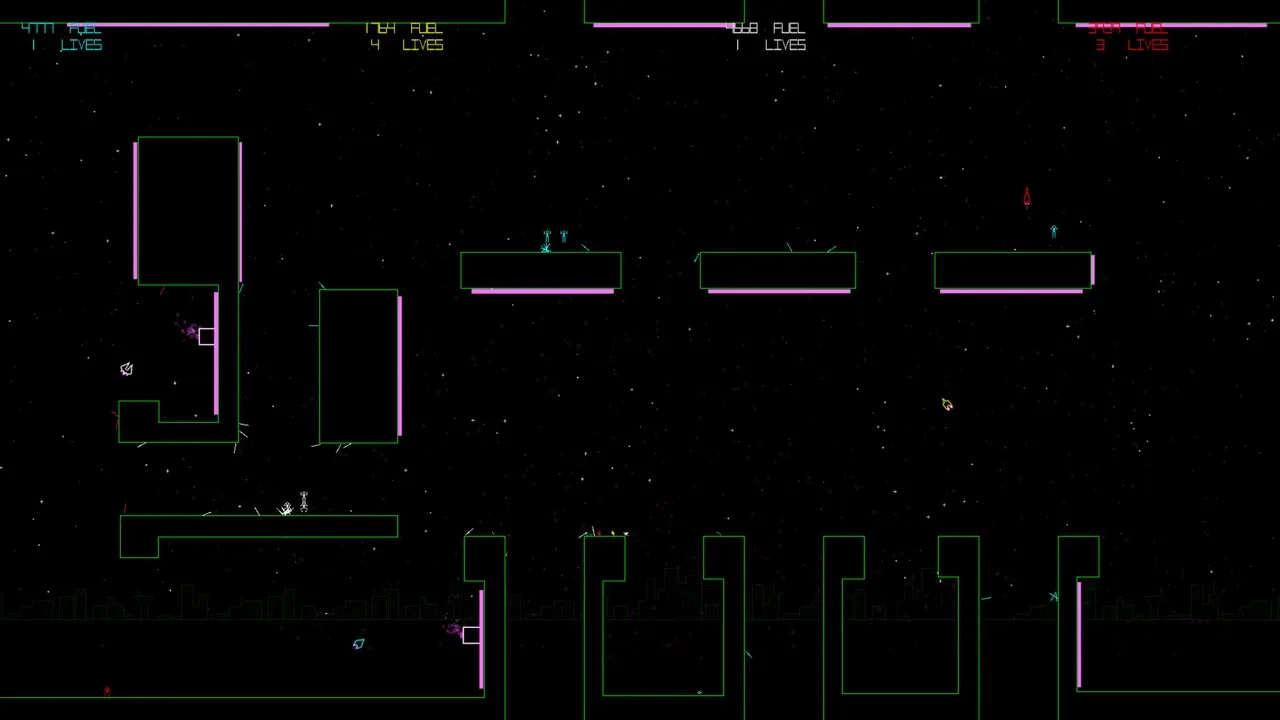
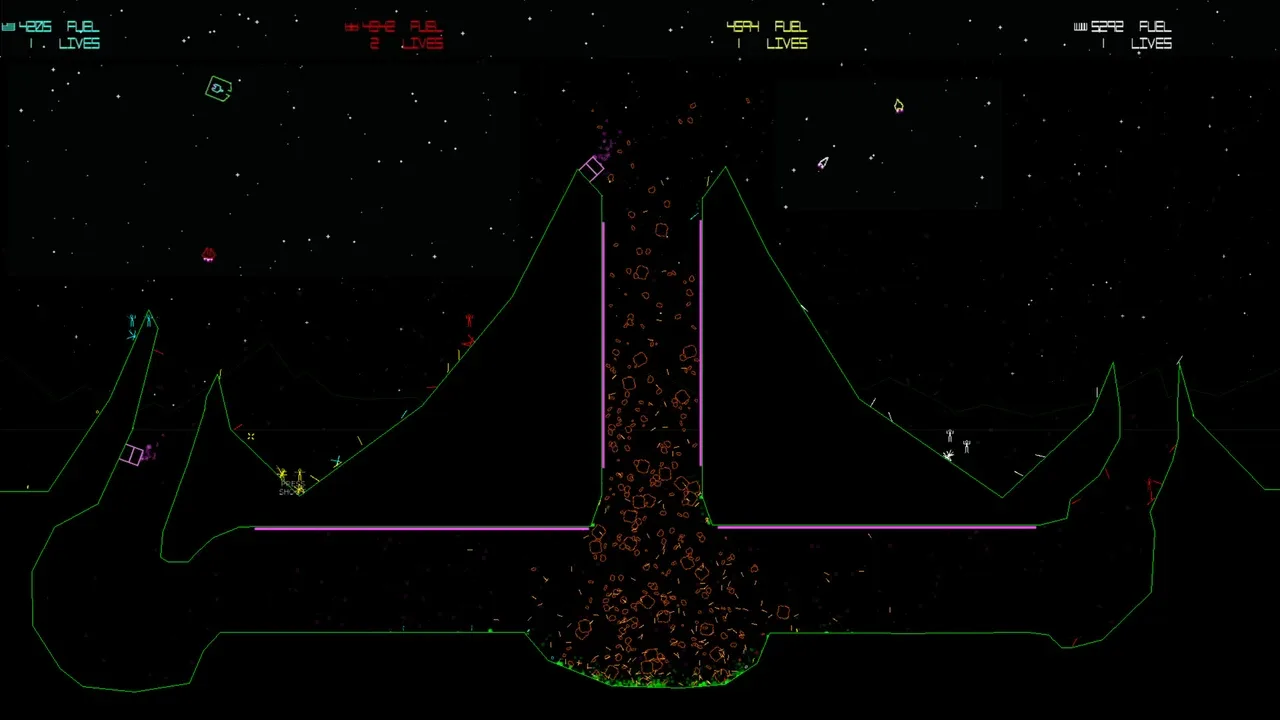
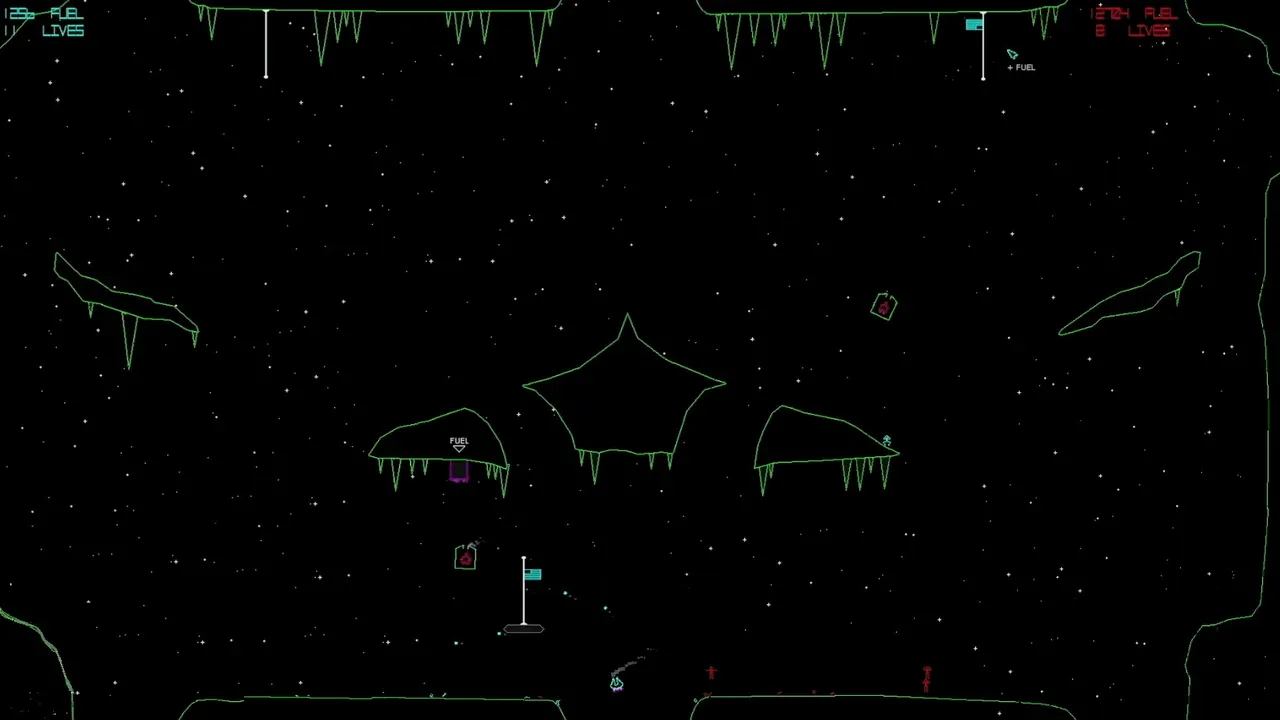
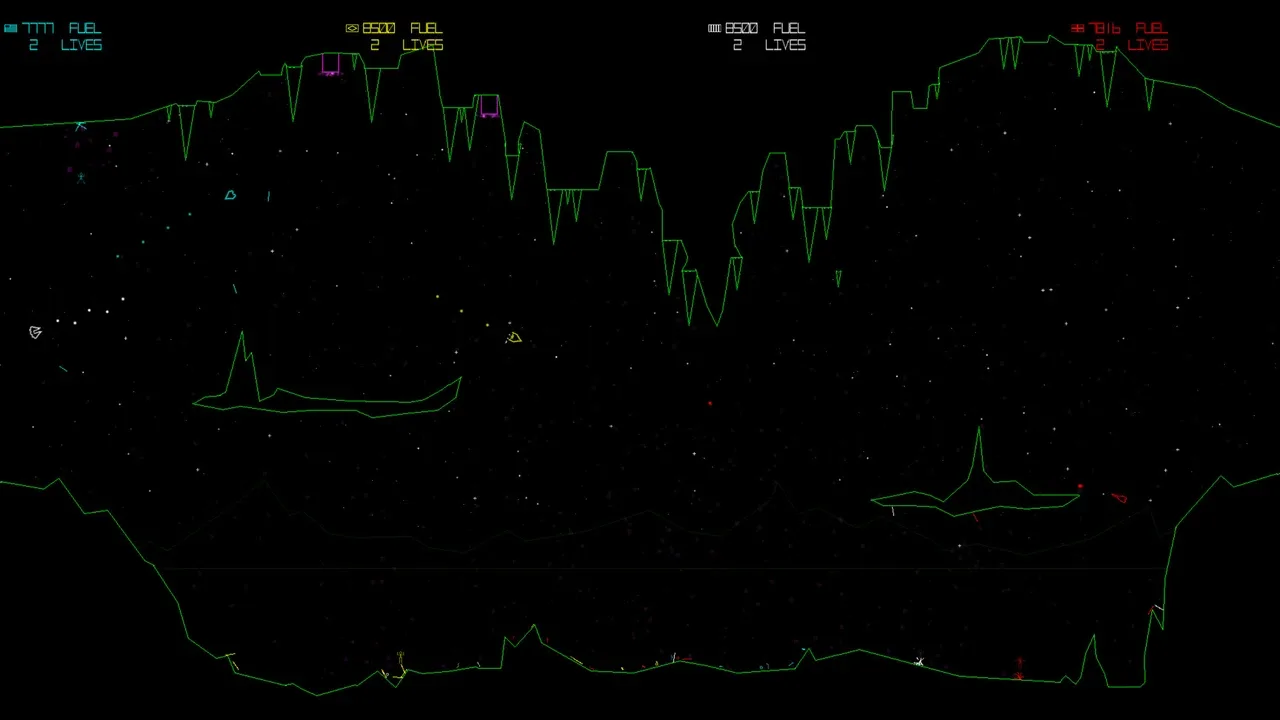
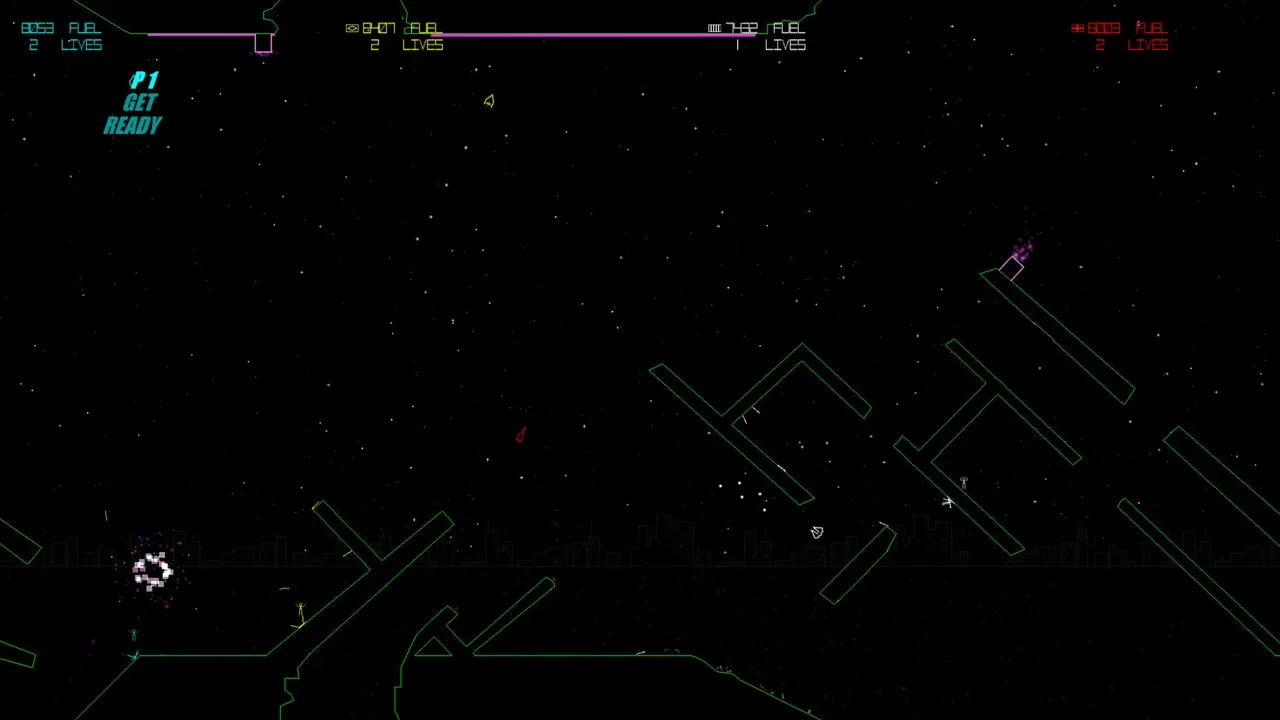
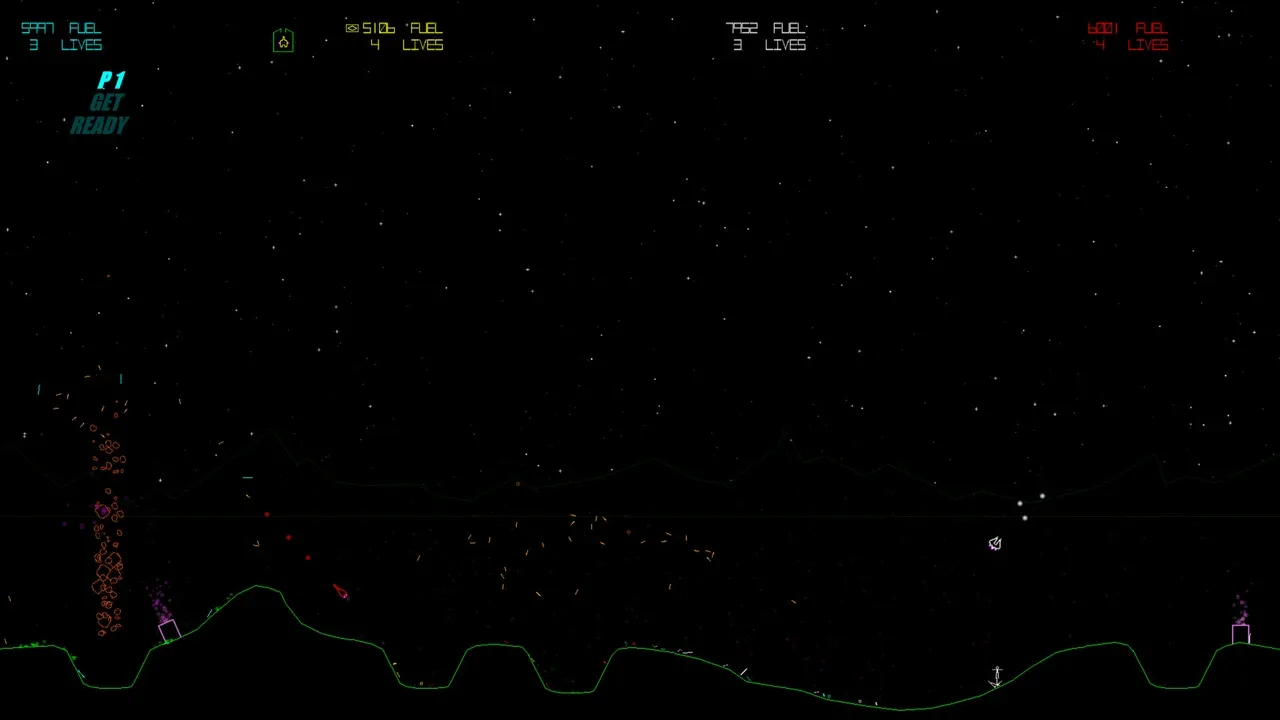
Space Wars is an early vector graphics arcade game. It is based on Spacewar!, a PDP-1 program. It was ported to the Vectrex in 1982. Space Wars was the brainchild of Larry Rosenthal, an MIT graduate who was fascinated with the original Spacewar! and developed his own custom hardware and software so that he could play the game. Cinematronics worked with Rosenthal to produce the Space Wars system. Two players controlled different ships. One button rotated the ship left, another rotated the ship right, one engaged thrust, one fired a shell, and one entered hyperspace (which causes the ship to disappear and reappear elsewhere on the playfield at random). The game offered a number of gameplay options, including the presence or absence of a star in the middle of the playfield (which exerted a positive or negative gravitational pull), whether the edges of the playfield "wrapped around" to their opposite sides, and whether shells bounced. Three other fascinating features were unique to this game. First, the game could not be played in "one player" mode; a human opponent was required. Second, the player's ship could take a glancing hit without dying, but would suffer damage; a cloud of loose ship fragments would break off and float away, after which the ship would be visibly damaged on screen and would turn and accelerate more slowly. Third and most memorable was that the duration of play for any contest was solely governed by the amount of money deposited; each quarter bought a minute and a half of play. A dollar bought six minutes, and for a ten dollar roll of quarters two players could play non-stop for an hour.
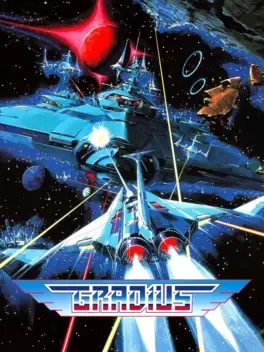
One of the defining characteristics of the Gradius series is the use of a "power meter." The power meter is powered by a power-up item, whose purpose, when collected, is to move a highlight to the next power-up on the power meter. When a power-up that the player wants becomes highlighted, he or she may activate it, also causing the highlight to reset.
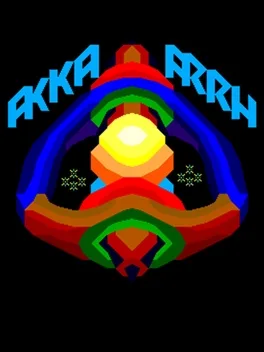
Akka Arrh is a previously unreleased prototype game created 1982 for the arcade. It saw it's first release in 2022 as part of the the Atari 50: The Anniversary Celebration.
Star Warfare Alien Invasion is a third person shooter for Smartphones featuring single player, co-op, and PvP multiplayer modes
A small, fast-paced game inspired by SEGA’s "Fantasy Zone" series. Play through four worlds in frenetic arcade action as you help the hero, Opbot, evade aliens, enemies, and things from another dimension on their way to freedom!
Warblade is a shareware computer game for Microsoft Windows and OS X, written by Norwegian developer Edgar M. Vigdal. The Windows version runs well on Linux under Wine. It is also available for retail in the App Store for iOS devices (in iPhone/iPod Touch and iPad versions). The game is a 2D space shooter in the vein of the perennial classic Galaga. It is a rewrite and modernization of a popular Amiga shareware game, Deluxe Galaga, which was written by the same author back in the mid-1990s. Where technically possible, the graphics and sounds are respectful to their Amiga origins.