
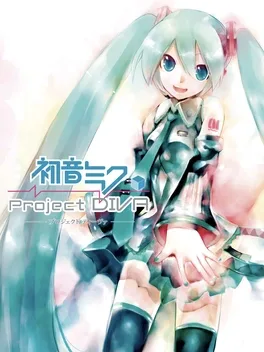
Hatsune Miku: Project Diva


Buy
DLCs
The first Hatsune Miku: Project Diva DLC was released by SEGA on the PSN Store on 25 March 2010. It featured 9 songs sung by Hatsune Miku, high-quality polygon PVs of all the songs, "*Hello, Planet" 8-bit minigame (featuring 4 levels), and a special Miku theme for PSP XrossMediaBar (XMB) menu.
The second Hatsune Miku: Project Diva DLC was released by SEGA on the PSN Store on 1 July 2010. It featured 18 songs sung by Kagamine Len/Rin and Megurine Luka (2 songs by Len, 7 songs by Rin, and 9 songs by Luka), high-quality polygon PVs of all the songs, 'Toeto' Luka minigame, and special Len/Rin and Luka themes for PSP XrossMediaBar (XMB) menu.
Part of collection:
Project DIVA
(last 3 games)

Hatsune Miku: Project Diva Future Tone DX is a packaged release that includes Hatsune Miku: Project DIVA Future Tone Prelude, Hatsune Miku: Project DIVA Future Tone Future Sound, Hatsune Miku: Project DIVA Future Tone Colorful Tone, “1st Encore Pack,” “2nd Encore Pack, and “3rd Encore Pack” add-ons are also included. Additionally, to commemorate the release of the physical version, we’re adding the song “Ghost Rule,” which has achieved over 9.5 million views on video upload websites. In total, Hatsune Miku: Project DIVA Future Tone DX includes 237 songs and 396 modules (costumes).
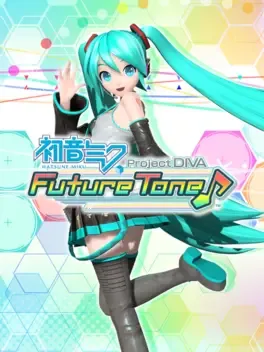
Hatsune Miku: Project Diva Future Tone is a home console port of Hatsune Miku: Project Diva Arcade Future Tone for the PlayStation 4, containing over 200 songs and 300 modules to collect.
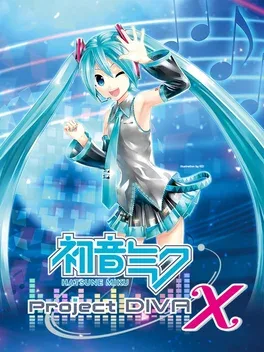
Hatsune Miku: Project Diva X is a rhythm game in the Project DIVA series of games featuring Crypton Future Media's popular VOCALOID voicebanks. Sega confirmed the concept for the game is both live concerts, and producing. New to the series is the Live Quest story mode, which infuses the series' classic rhythm gameplay with RPG elements.
Part of collection:
Hatsune Miku
(last 3 games)
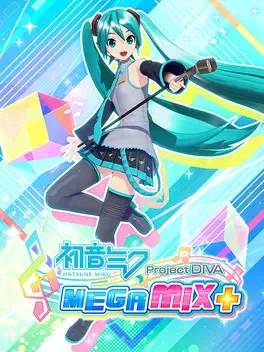
Take center stage in Hatsune Miku’s premier rhythm game starring the world’s #1 virtual pop star herself. From a stunner setlist of songs to an enormous wardrobe to style, it’s the ultimate tour with Miku and friends—all it needs is you.

Hatsune Miku: Dreamy Vocal was a rhythm game by Tencent Games and supervised Crypton Future Media, Inc.. It was built for iOS and Android devices and could only be downloaded with a Chinese account.

Hatsune Miku: Roller Skating Music is a licensed casual mobile music game where gamers can play single-player casual mode or compete iconic characters including Hatsune Miku, Kagamine Rin, Kaito, Meiko and more.
Part of franchise:
Hatsune Miku
(last 3 games)

A continuation of the Fitness Boxing series with Hatsune Miku as the main instructor along with Rin and Evan from Fitness Boxing to fully support the different game options. The game has the normal modes from the previous games along with the new "Mixercise" mode that uses songs from past games along with original songs different characters including Hatsune Miku, Kagamine Rin, Kagamine Len and Megurine Luka. Hatsune Miku has costume options in-game and Piapro is looking for more songs, costumes and illustrations to use as part of the collaboration.
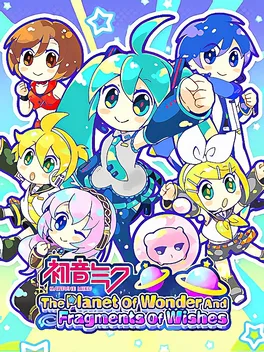
Miku and friends crash land on a mysterious planet during their space journey... There they meet many unique characters! Play all kinds of games to grant everybody's wishes! Contains nine minigames including the previously released Amiguru Jump and Amiguru Train.
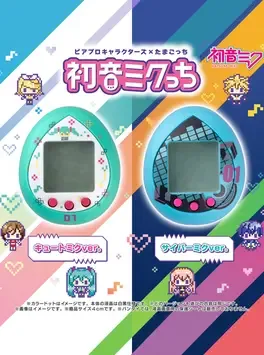
The Hatsune Mikutchi is a licensed Tamagotchi Nano model, released in March 2023, based on Hatsune Miku, a Vocaloid software voice bank developed by Crypton Future Media.
Part of franchise:
Vocaloid
(last 3 games)
A continuation of the Fitness Boxing series with Hatsune Miku as the main instructor along with Rin and Evan from Fitness Boxing to fully support the different game options. The game has the normal modes from the previous games along with the new "Mixercise" mode that uses songs from past games along with original songs different characters including Hatsune Miku, Kagamine Rin, Kagamine Len and Megurine Luka. Hatsune Miku has costume options in-game and Piapro is looking for more songs, costumes and illustrations to use as part of the collaboration.
Miku and friends crash land on a mysterious planet during their space journey... There they meet many unique characters! Play all kinds of games to grant everybody's wishes! Contains nine minigames including the previously released Amiguru Jump and Amiguru Train.
The Hatsune Mikutchi is a licensed Tamagotchi Nano model, released in March 2023, based on Hatsune Miku, a Vocaloid software voice bank developed by Crypton Future Media.
Could be interesting

As wannabe rockstar Chai, you’ll fight back against a sinister robotics enhancement conglomerate using rhythm-amplified combat where everything – from the motion in the environment to the blows of combat – is synced to the music.

Hatsune Miku and Future Stars: Project Mirai is a rhythm game and a spin-off of the Hatsune Miku: Project DIVA series of Vocaloid rhythm games. Like the original the game primarily makes use of Vocaloids, a series of singing synthesizer software, and the songs created using these vocaloids most notably the virtual-diva Vocaloid Hatsune Miku. The game features different character designs than the main games and the characters appear as their Nendoroid-style, Super deformed versions. For the game's primary gameplay, its music mode, it uses what it calls the "Chance Circle System". Buttons will appear around the border of a circle, and a pointer will appear from the center of the circle extending all the way outside the circle's border. It will then turn in a clockwise or counter-clockwise manner according to the song and when the pointer passes the button, the player has to press the face button on the 3DS. Similar to the series, the player's time accuracy will also be rated on a similar scale and manner that will be displayed on the bottom of the screen. In addition the game does not feature the Edit Mode of the Project DIVA series, while the DIVA Room Mode is replaced by the game's My Room mode whereby players similarly get to interact with their modules in a room.

The original music video game. Help Parappa rap with the best of the master rappers and straight into Sunny's heart. Guaranteed you'll be singin' and dancin' along with Parappa and his pals to the most fun music mixes.
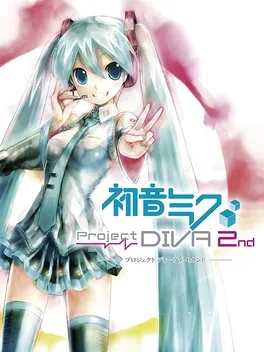
Hatsune Miku: Project DIVA 2nd is a rhythm game and a sequel to the 2009 title, Hatsune Miku: Project DIVA. Like the original the game primarily makes use of Vocaloids, a series of singing synthesizer software, and the songs created using these vocaloids most notably the virtual-diva Vocaloid Hatsune Miku. In addition, a companion game Hatsune Miku: Project DIVA Dreamy Theater 2nd that allows players to play the game on the PlayStation 3 with improved visuals. There are a total of 66 songs available in Hatsune Miku: Project Diva 2nd.

Gunvolt Records Cychronicle is a new rhythm music game starring the songstresses of the Azure Striker Gunvolt series, Lumen, Lola, and Luxia singing 15 different songs. Follow the notes to the pounding beat and aim for a top score in this electrifying rhythm game! The dual analog controls sync with the characters dancing in the 3D backgrounds for a fully immersive experience.
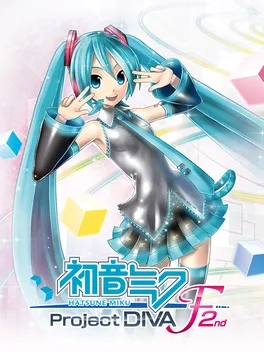
Hatsune Miku: Project DIVA F 2nd is a rhythm game, and is the direct sequel to Hatsune Miku: Project DIVA F. The game is set to have a similar play style to its predecessor whilst featuring new songs, returning songs from previous games, and character modules. New in-game mechanisms original to the game include sliding touchscreen notes, and double scratch notes. The DIVA room also features various minigames that can be played, including a clapping game. Another new addition to Project DIVA F 2nd over the previous game is the ability to change skins for the rhythm game mode, where decorative skin designs can be downloaded as DLC. The game features cross-save support between PS Vita and PS3 systems.
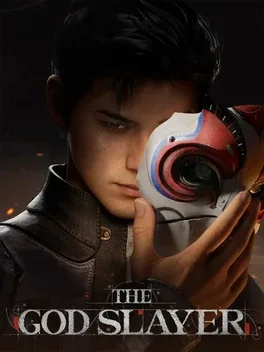
The God Slayer is an open-world action RPG featuring a highly immersive gameplay system and story experience, allowing players to enhance their abilities through battles and world exploration with the ultimate goal of defeating enemies and saving the world.
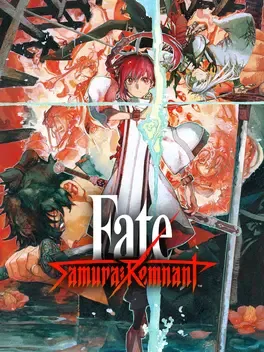
Throughout the Fate franchise, pairs of masters and heroic spirits —also known as servants— have been fighting across history in a series of Holy Grail Wars, with the winning duo receiving an ancient artifact that grants wishes. Fate/Samurai Remnant continues the series’ epic Holy Grail War in the fourth year of the Keian Era, Edo Period Japan. It has been several decades since the end of a turbulent, blood-soaked era, and while the people are finally enjoying peace and tranquility, a battle between seven pairs of masters and servants is about to begin as the “Waxing Moon Ritual” unfolds in the shadows. This is where the game’s hero, Miyamoto Iori, a young man in Asakusa, finds himself caught in the violence alongside his servant Saber, as they fight to be the last pair remaining in order to receive the granter of wishes, the “Waxing Moon Vessel”.

Monster Hunter Portable 3rd is a game in the Monster Hunter franchise for the PlayStation Portable system that was released in Japan on December 1, 2010. The game was released, as a part of the PlayStation Portable Remaster series, on PlayStation 3.The game introduces new regions, monsters, and a revised Felyne combat system. Monster Hunter Portable 3rd is not an update to Monster Hunter Freedom Unite or Monster Hunter Tri. Monster Hunter Portable 3rd is instead separate to the rest of the series, and most of the game has been entirely remade.However, it is also a successor to Monster Hunter Freedom Unite as the third game in the Portable series.

Superstar Dance Club is a character-based dancing game, compatible with Konami's DDR mat controller. Show your best moves with Suzy and friends as you tap your feet (or the controller) to the music. You'll start at the local club and if you're good enough, work your way to Superstar status where you can show off your hottest dance skills in different arenas and locations. Join various different characters and create the ultimate dance sensation.