
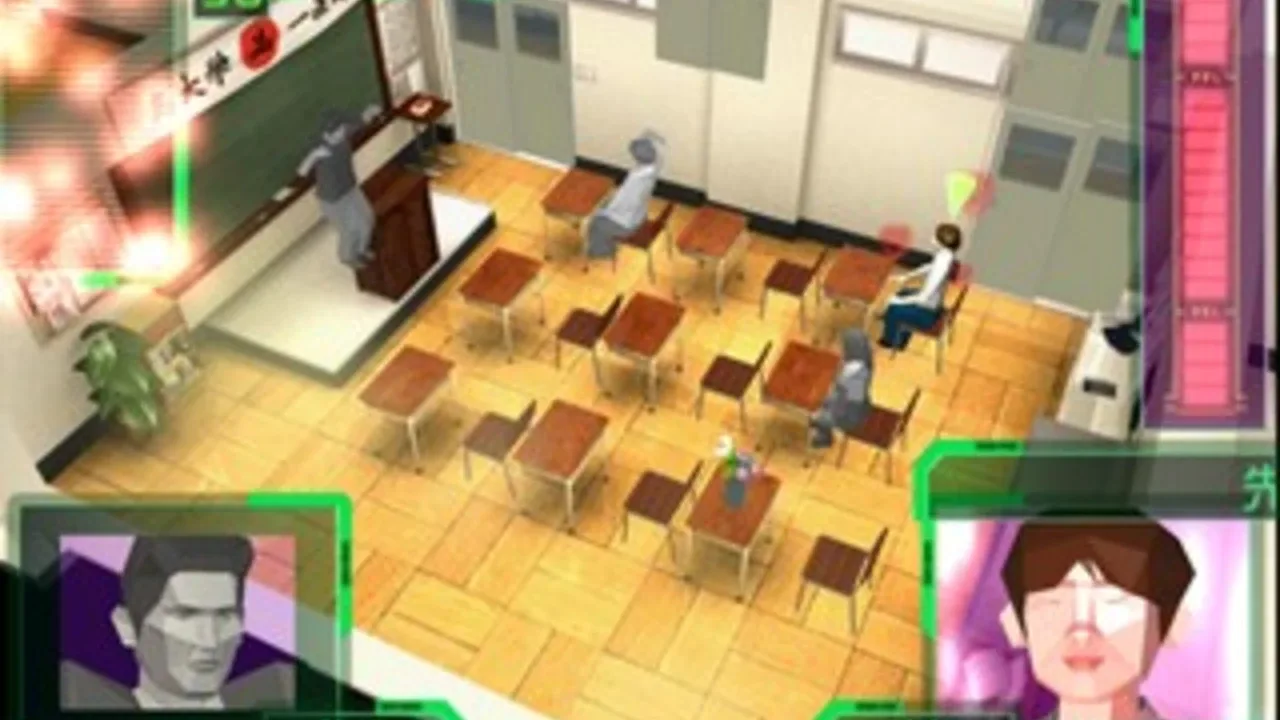
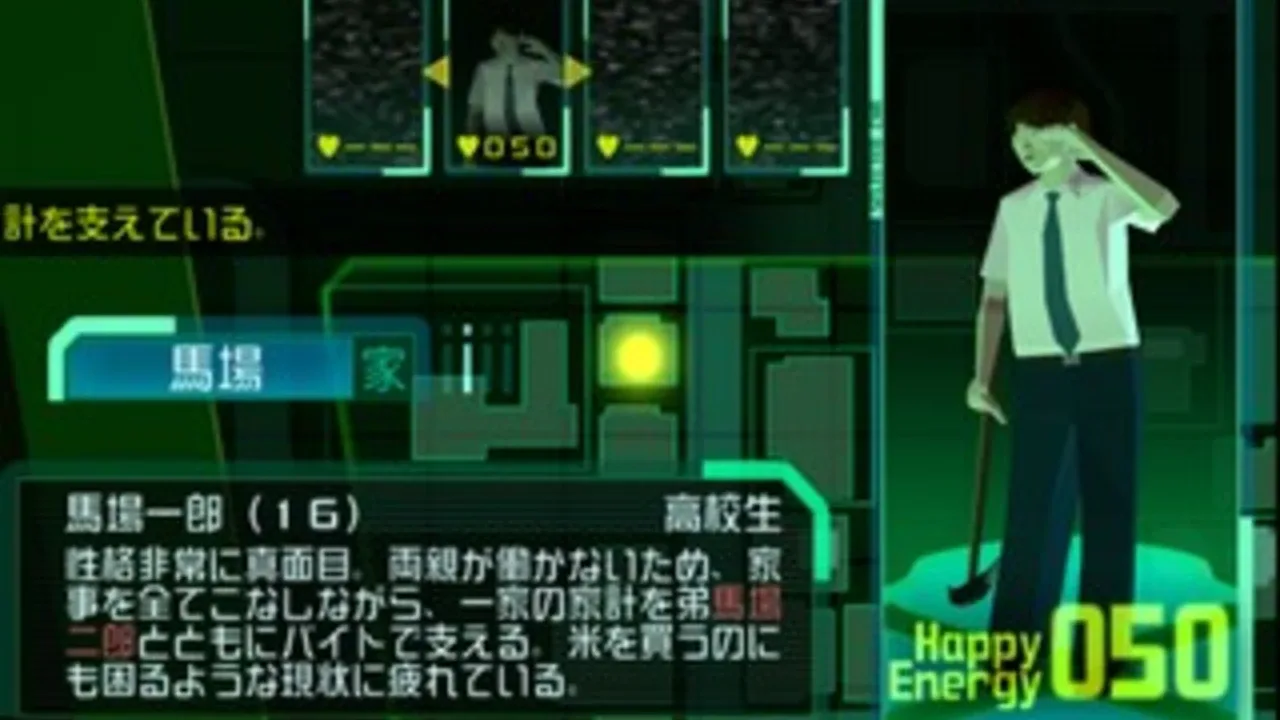
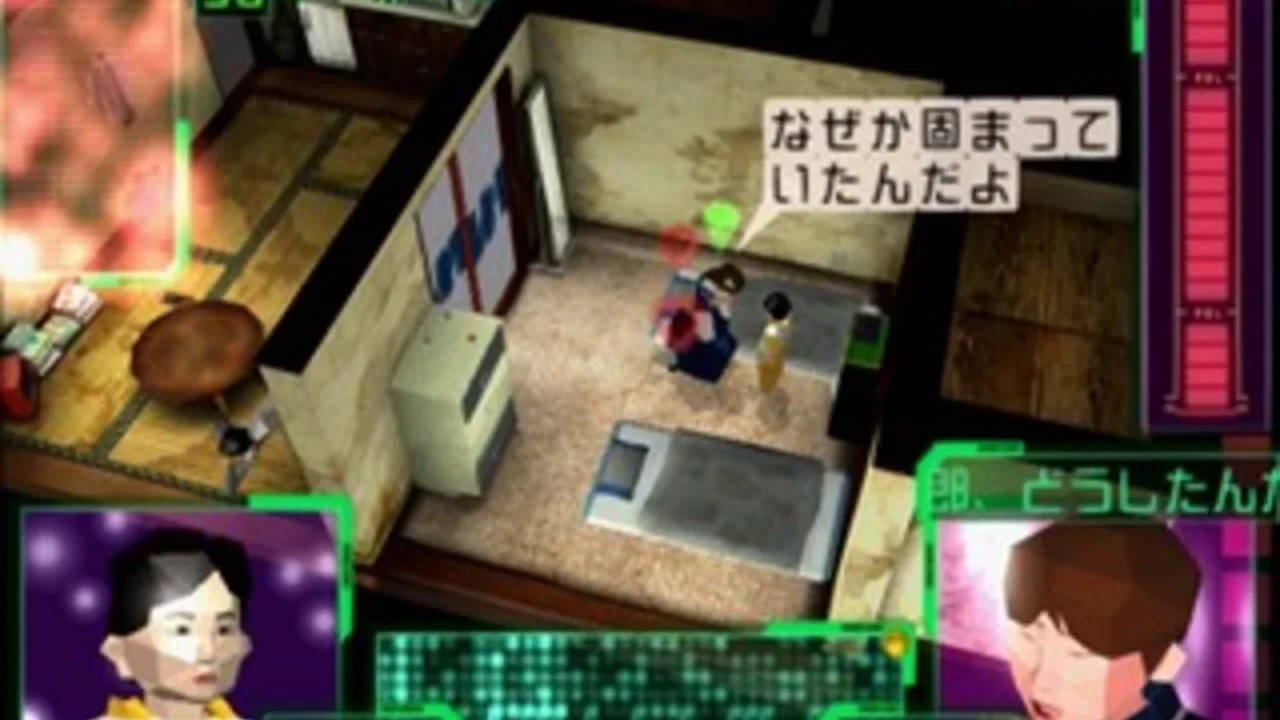
Koufuku Sousakan



Buy
Could be interesting

Amateur Surgeon 3: Tag Team Trauma (commonly referred to as Surgeon 3), freemium mobile exclusive game, is the third installment of the main series, acting as an interquel.

Doko Demo Issyo (どこでもいっしょ, Together Everywhere) is a 1999 Video Game developed by Bomber Express and published by Sony Computer Entertainment Inc. for the PlayStation, released on July 22, 1999 in Japan. Doko Demo Issyo was one of the games that used the PocketStation; it was instrumental in making the device sell so well in Japan. It is the first game in the Doko Demo Issyo Series. Doko Demo Issyo is a communication game, a game where you interact with the characters through words and phrases. The player can choose from five characters known as Pokepi and interact with them in an apartment. They can be taught words, and the player can answer questions asked by them. The biggest feature of Doko Demo Issyo is its compatibility with the PocketStation, a handheld device that often came packaged with the game, and its reliance on the device made the PocketStation required to play the game. It allowed the player to take any of the Pokepi with them anywhere, and they can continue to interact through the device. A remaster of the game was released on the PlayStation Portable on December 7, 2004 for the franchise's 5th anniversary. A port of the original game, separate from the remake on the PSP, was also released on the Playstation Vita in 2013.
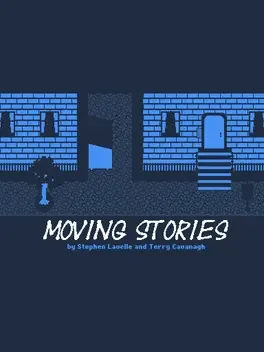
You're moving. What will you pack in your suitcase? What will you throw away?

Kurt '99: The Football Manager - The perfect soccer manager for young and old. Game depth and fun guaranteed. Kurt puts football back in the spotlight.

Doko Demo Issho: My Picture Book is a video game developed by BeXide and published by Sony Computer Entertainment Inc. It was released in April 24, 2003 on the PlayStation 2.

Election Town is a humorous small-town life simulator with a political twist. Build and decorate the house of your dreams, make decisions that will shape the city, and take your part in the election against the current Mayor. It’s Election time and your choices matter most!

Clog the toilet, blow up the microwave, or get your butt bare on the copier - but no matter how you try to score points, don't let your boss catch you!

Omiai Commando: Bakappuru ni Tukkomi wo is a simulation game intended to marry couples. Set up a date, tell them the right thing to do, develop their love, and get them to propose successfully.

"BitBuddy" is a virtual pet raising game. When you quit, your BitBuddy will die.

Talking Ben the Dog is a simulator game. To make Ben responsive, you will have to bother him long enough that he will fold his newspaper. Then you can talk to him, poke or tickle him or even have a telephone conversation with him. If you get Ben to his laboratory however, he becomes as happy as a puppy. There you can do chemistry experiments by mixing a combination of two test tubes together and see the hilarious reactions.