
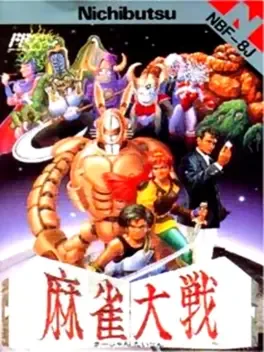
Mahjong Taisen
Buy
Could be interesting
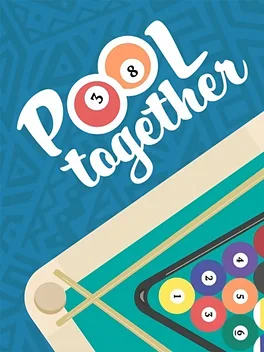
Take the plunge into endless fun and excitement with Pool Together - the ultimate pool game experience!
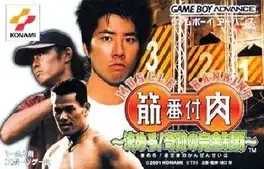
Muscle Ranking: Kimeru! Kiseki no Kanzen Seiha is a Sports game, developed by Jupiter Multimedia and published by Konami, which was released in Japan in 2001.

Dodge Boy features six selectable teams. Each of the six teams are represented by a different country. -Japan -Germany -U.S.A -U.S.S.R -Australia -China
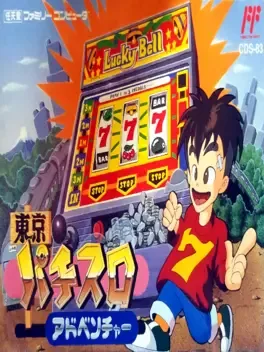
Tokyo Pachi-Slot Adventure is a Miscellaneous game, developed by Color Dreams and published by Coconuts Japan, which was released in Japan in 1991.

Quarter Back Scramble: American Football Game is a Sports game, developed by Natsume and published by Pony Canyon, which was released in Japan in 1989.

Isaki Shuugorou no Keiba Hisshou Gaku is a Sports game, developed by C-Lab and published by Imagineer, which was released in Japan in 1990.
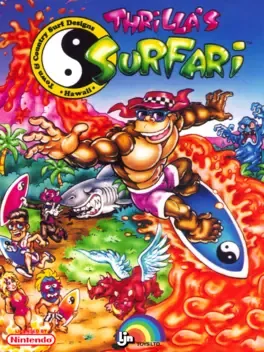
Whoa, Thrilla Gorilla! Bag your boards and lay back tall for the raddest, weirdest surf and skate action ever! Wazula, an evil Kahuna, has stolen your babe and taken her to Africa. No curbs and quarter-pipes here, just the ultimate skate challenge of gnarly jungles and bakin' deserts! It's hardcore surfin' down killer volcanoes and mammoth waterfalls... ever catch a wave riding a shark? Wazula's got some smooth moves of his own, like a two-headed flying Rhino, a saw-toothed Great White, and a way-tough Lava Monster big as a volcano. So get rippin' through the scorpions, slashin' through the rapids, and trash that Wazula doofus! But don't choke, Thrilla... or your babe's toast.

Sotsugyou Bangai Hen: Nee Mahjong Shiyo! is a Miscellaneous game, published by KSS, which was released in Japan in 1994.

Super Real Mahjong PV: Paradise is a Miscellaneous game, developed and published by Seta Corporation, which was released in Japan in 1995.

This ASCII-published mahjong game was released for the Famicom Disk System in 1986. It was not released outside of Japan. Professional Mahjong Goku is the third game for the Famicom to be based on Mahjong, the competitive tile game popular in China and Japan. It is a four-person version of the game, which is generally how the game is played in real life, though uncommon in simulations during this era due to the additional computing power needed for three AI opponents. As a "professional" Mahjong game, there is an opportunity to play a mode where the player can gamble on outcomes beforehand. The amount of cash gained or lost is usually based on the quality of the winning hand, but occasionally the player can also make bets to increase their take should they win (though, of course, any money gambled in this way is lost if someone else wins the hand).