
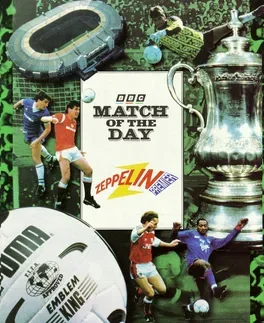
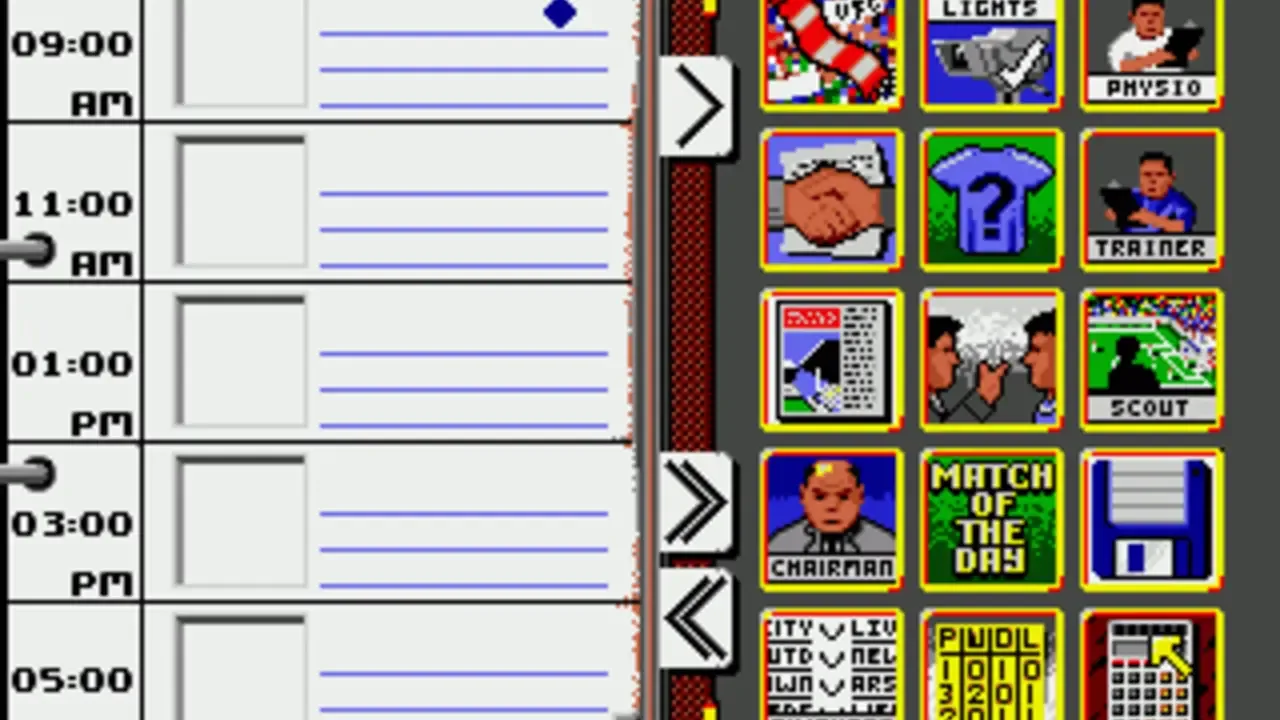
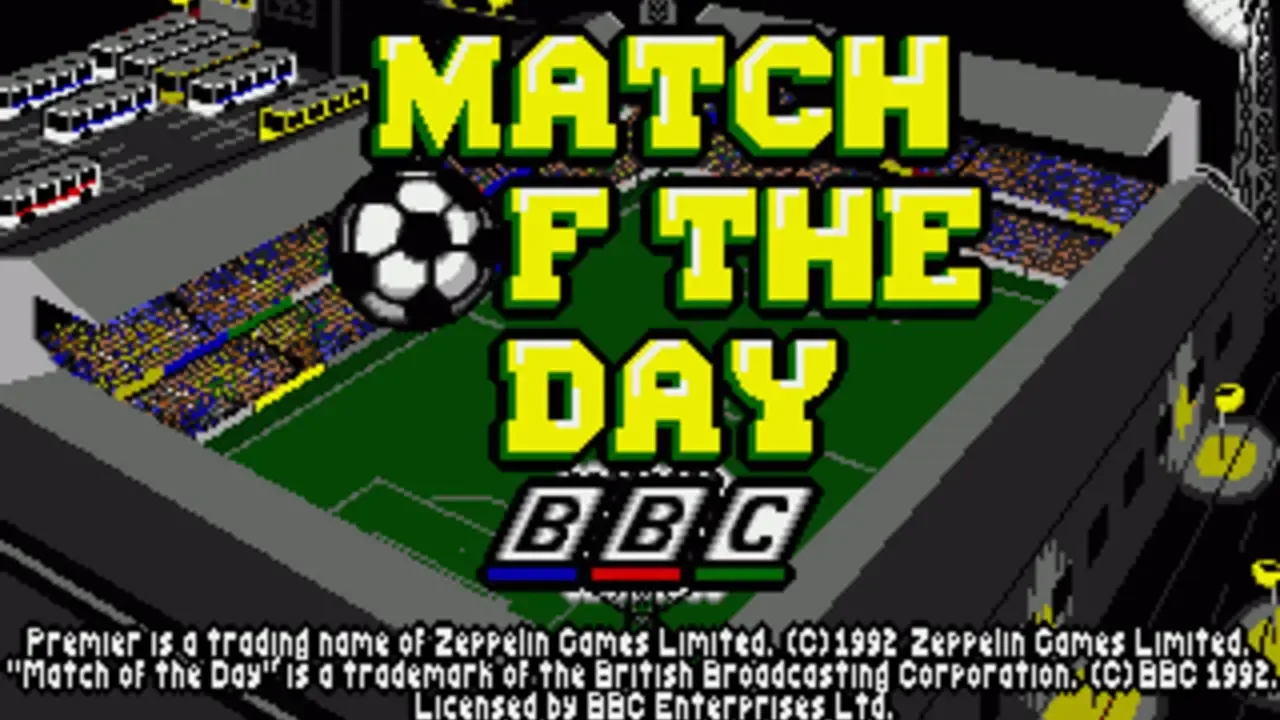
Match of the Day


Buy
Could be interesting
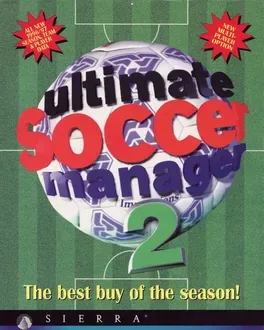
Ultimate Soccer Manager or USM is an association football management video game serie for MS-DOS, Commodore Amiga and Windows 95, produced by Impressions and distributed by Sierra from 1995 to 1999. The game was a massive hit in Europe (except in Germany, where it was worse received due to some similarities with managers produced by local software houses such as Software 2000 and Ascaron), although it gained little support in Japan. The series was noted for its micromanagement, where the player had to do the job of the team manager and much of that of the chairman, from player training up to bank balance management. Other well-known features were to bung an opposing team for preferential market treatment, rig or betting on the outcome of the players' team matches. Interviews after the match where some answers were printed with different interpretations on the next days' newspaper (the player could reply a question about the game with "It was a game of two halves", and "He amazed us after the game by giving us an insight into the rules of football" would be printed on the newspapers). In all three games, the game always kept the same visual style: the main screen is a bird's eye view of the stadium facility (where clicking on the grass brings the squad selection screen or in the stands for the stadium builder) and all screens are presented like the player was inside an office (TCM 2004 used a similar interface option). To increase the feeling of "being there", tables are accessed via teletext, news from a newspaper and fixtures are available by clicking on a sheet attached to a clipboard. While improving with each game, most features were the same from the start of the series. The game compared favourably in all areas but AI against its leading competitor, Championship Manager. While similar in name, it has no relations with Ultimate Soccer. The second version of the game, USM 2 ran in protected mode, featured a more polished interface (plus teams and players of the 1996-1997 season and also the French and German leagues (although in the last the final name of the players had a letter swapped to avoid legal problems regarding licensing) which could be accessed with different executables. In Germany, a localized version of the game was released under the name "DSF Fussball Manager", DSF being a well-known German TV sports channel.
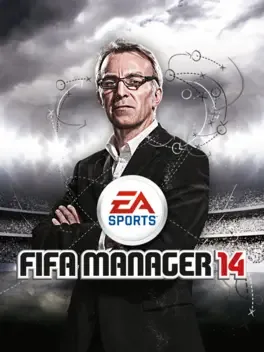
FIFA Manager 14: Legacy Edition is a re-release of FIFA Manager 13 with an updated database for the season 2013/2014. New are the licenses for the first leagues of Ukraine, Croatia and Czech Republic and some other licenses, e.g. the German third and fourth league, were removed. All gameplay features which had to be unlocked in FIFA Manager 13 are available from the beginning, a few texts were expanded (text mode, interview questions, etc.) and there is no Live Season anymore.
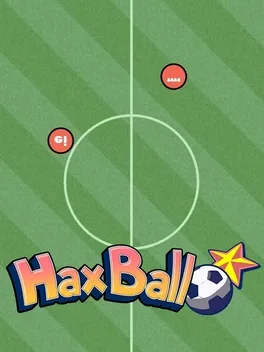
HaxBall is a realtime multiplayer game that plays like a mix between football and air-hockey, and it's a real blast. Player skill makes a big difference and teamwork shines when playing in teams of 3v3 and 4v4.

A social soccer browser mmorpg.
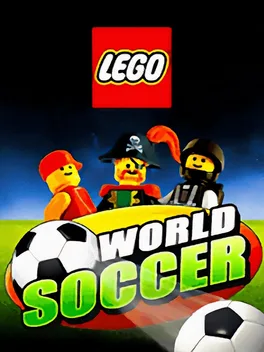
LEGO World Soccer is a soccer game for everyone. Gamers can play as pirates, construction workers and other characters in unique LEGO-themed settings.

World Football 98 is a soccer game, released just before the 1998 Football World Cup. It featured Kiko Narváez, the Spanish national team striker, prominently in the Kiko World Football version. The game was also later distributed as a gift when buying Danone yogurts under the name of Danone World Football where it was an ad game, as in the break between halves advertisements are shown.
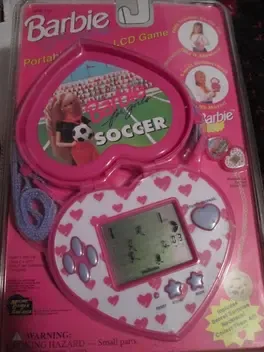
Barbie and her friends take to the field in one of their favorite sports. Control Barbie's team as they try to pass and kick their way to a victory
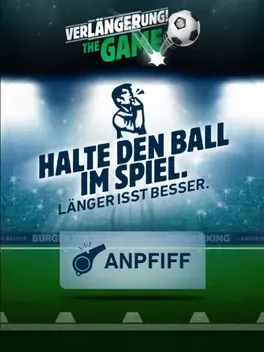
Verlängerung: The Game was a game included in the German Burger King app.

Featuring both boy and girl players out on the field, this family-oriented soccer game offers fast and fun play for the family.
J.League 3D Stadium is an unreleased soccer game for the Virtual Boy from J-Wing. It was slated for release in Japan on March 20th, 1996, but was ultimately cancelled when the Virtual Boy was discontinued. Not much is known about the game, as the only ever mention of it was when it was announced at Space World ’95.