
Michael Jackson's Moonwalker


Parent game
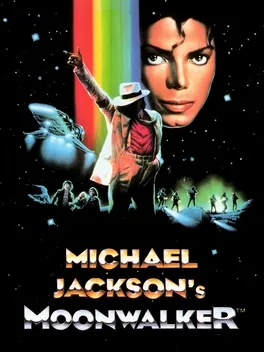
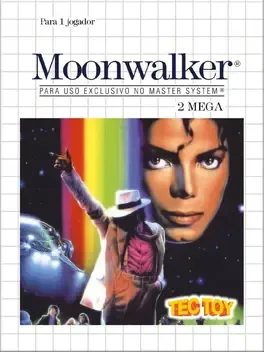
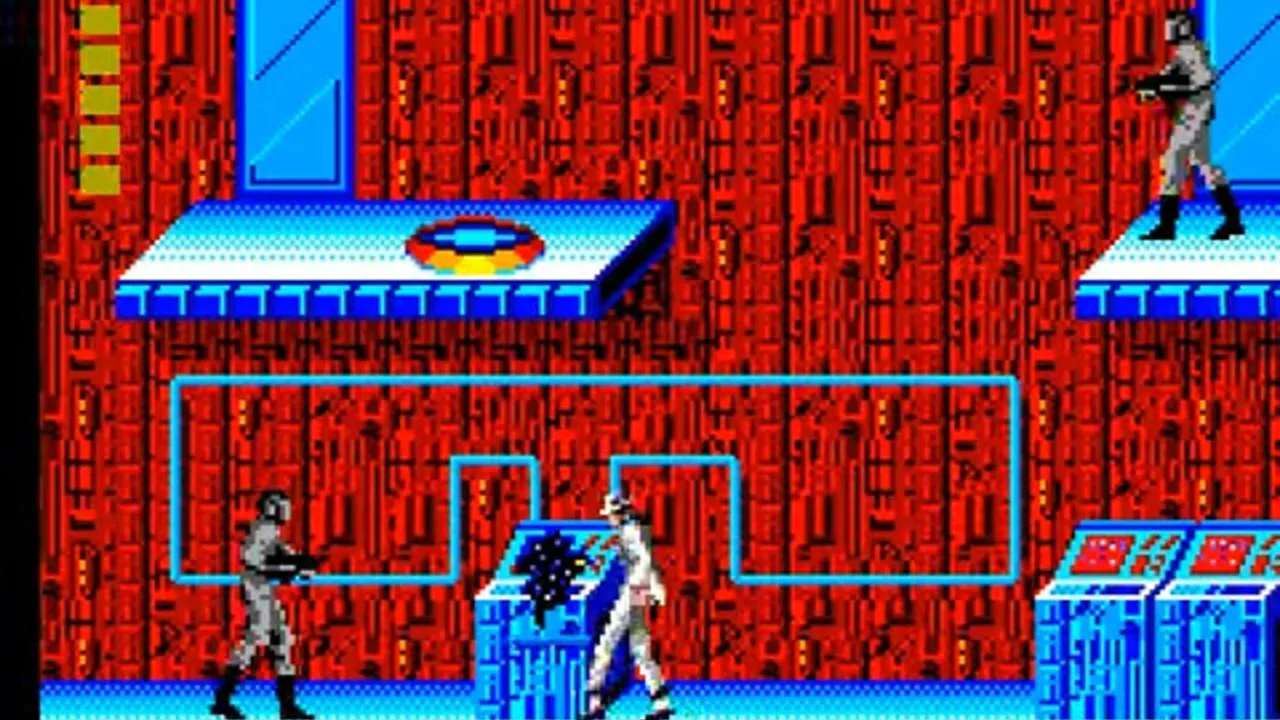
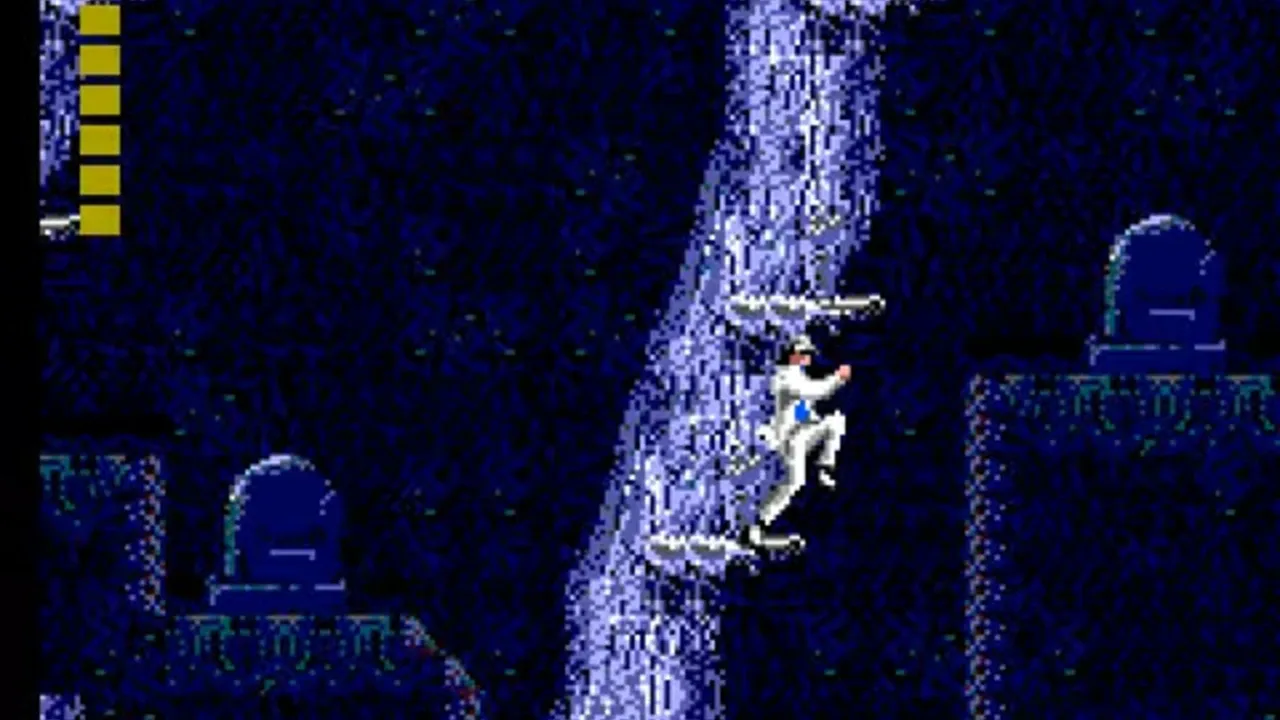
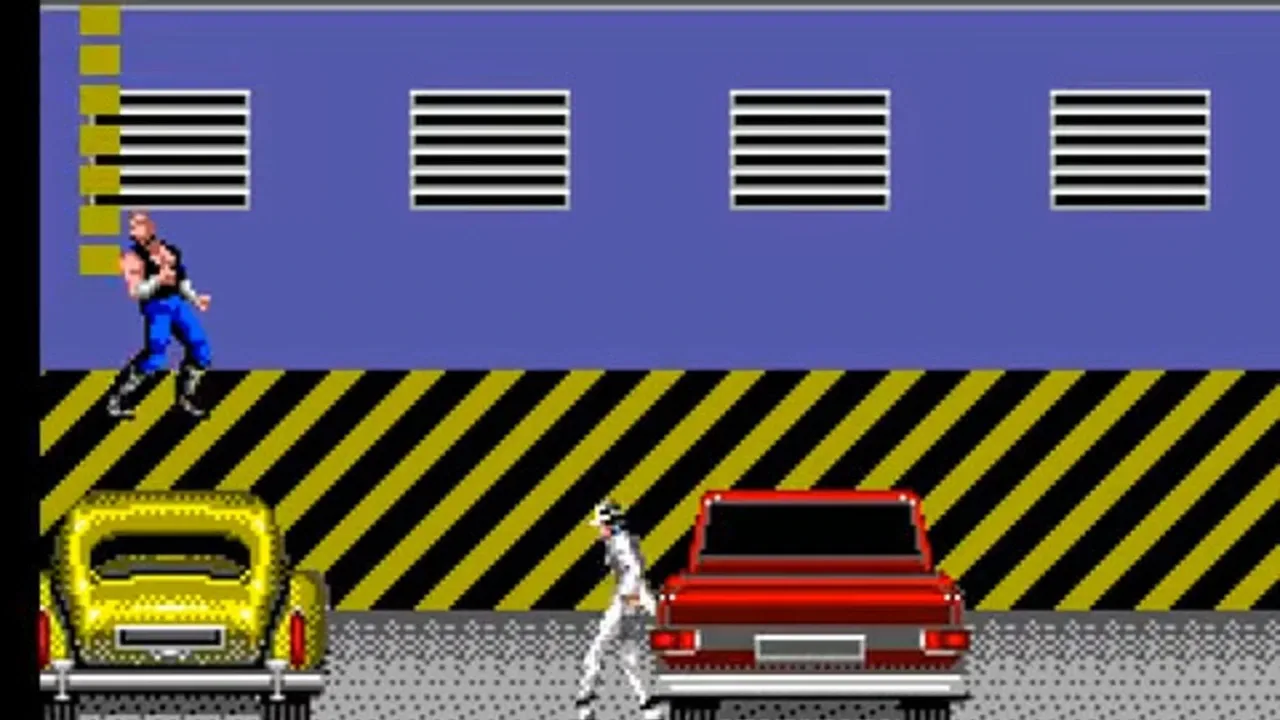
Several video games based on the 1988 Michael Jackson film Moonwalker. U.S. Gold published various games for home computers, released in 1989, whilst Sega developed two similarly themed beat 'em up video games in 1990; one released for arcades and another released for the Mega Drive/Genesis and Master System.
Part of franchise:
Michael Jackson
(last 3 games)
For the first time in a video game, experience the excitement and the magic of Michael Jackson’s iconic music videos in 3D.
Relive the magic and rock your body to decades of iconic tracks. This unique interactive experience will immerse you in the world of the King of Pop. With Michael Jackson The Experience, dance to a wide variety of songs from Michael Jackson’s extensive catalogue including some of his greatest hits like Beat It and Billie Jean, while having a blast singing and mastering his incredible dance routines and signature moves! Discover and perform in soulful environments inspired by Michael Jackson’s ground-breaking music videos and stage performances.
Could be interesting
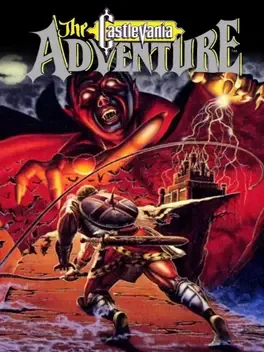
Castlevania: The Adventure is a platform game released for the Game Boy in 1989. It is the first Castlevania title for the system. Set a century before the events of the original Castlevania, the player controls an ancestor of Simon Belmont named Christopher Belmont who goes on a quest to defeat Dracula.
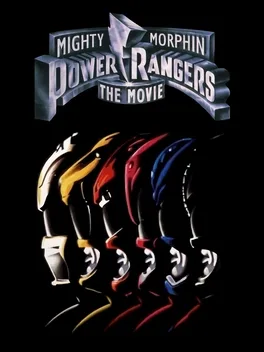
The Genesis version of Mighty Morphin Power Rangers: The Movie is a side-scrolling beat-'em-up that can be played by up to two players, where the player can control both the Rangers themselves and their Zords (depending on the level). The game consists of six stages, with the first two stages and the final one covering events from the film, whereas Stage 3 to 5 are set before the events of the film and adapts key episodes from the TV show's second season (namely "White Light", "Ninja Encounter", and "Power Transfer"). The game's soundtrack, composed by Hikoshi Hashimoto, features hard rock arrangements of Ron Wasserman's original TV themes. The game contains a total of nine rangers: Tommy, Adam, Kimberly, Billy, Aisha, Rocky, Zach, Trini, and Jason. When selecting Jason, Zach, and Trini, the voice clips of Adam, Aisha, and Rocky are heard when calling out their respective Zord name as their morphing command. The reason for this is because the original actors for them were released from contract after the events of the Power Transfer two-parter episode of Mighty Morphin' Power Rangers. Sega and Banpresto asked for permission from Saban Entertainment to use their characters but have the three replacements use their voices instead of Jason, Trini, and Zach. There are cinematic scenes in digitized form that are abridged from the movie and some from Season 2 of the show. Lord Zedd, Goldar, the Putty Patrol, and Oozemen appear as sub-enemies. Nimrod the Scarlet Sentinel, AC, and DC are renamed in this title as Sentinel Neck, Sentinel Ear, and Sentinel Ring respectively. Players also can fight the Ecto-Morphicons using Ninja Megazord or Falcon Zord (both by 2-Player mode; Thunder Megazord and Mega Tigerzord against the Sentinels). Bulk and Skull also appear as cameos in the game's ending.
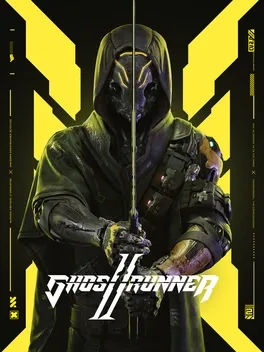
Ghostrunner II is a hardcore FPP slasher set in a post-apocalyptic, cyberpunk world. Featuring everything fans loved about Ghostrunner plus incredible boss fights, new interactive story, thrilling motorbike levels, improved skills, and more cyber ninja action.
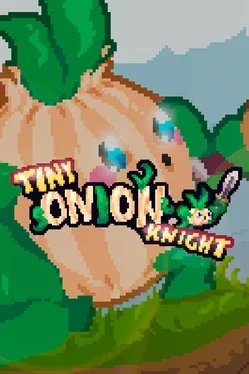
Tiny Onion Knight is an action-platformer about a little onion knight who travels through a mystical forest.
Billy is here to get coins and buy steak for all of his brothers and sisters and Mom and Dad. BUUUUUT some jerk stole his wallet and threw it in to the caves. Can you get it all back in time for dinner?

60 missions, customizable weapons, and squads await in the massive Strike Force Heroes sequel you've been waiting for!
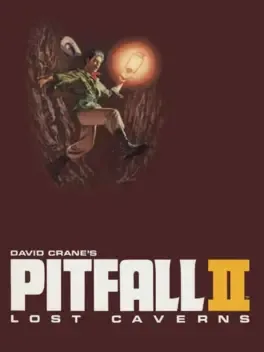
Pitfall II: The Lost Caverns is the sequel to Pitfall and was released for a variety of systems during the mid-1980s including the SG-1000 in 1985. It was also ported to Sega System 1 arcade hardware by Sega. Gameplay is similar to the original game, but the levels are more maze-like. Sega's version of Pitfall II was tweaked significantly from its western counterparts released for the Atari 2600, ColecoVision etc. The gameplay is largely the same, but there are many additions. These include a Lives system, mine-carts, balloons, and a final Demon boss. The increased specifications of System 1 hardware means the arcade version is much more detailed and allows the player to see more of the maze at one time. The SG-1000 version is directly inspired by the arcade game, and though cannot match the same level of graphical quality, it is arguably the nicest looking home port of the game.
A miner has to find the exit to a world of wonders that is deep in the ground. During his journey he has to collect bombs to destroy rocks in his way, collect keys to open doors and pick up little potions that refresh his timer. Treasure chests can be opened for bonus items.
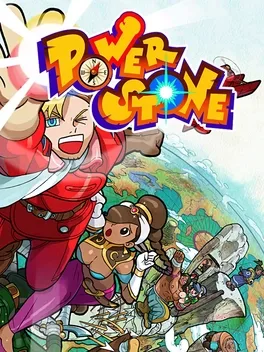
Power Stone is a fully 3D arena fighting game series made by Capcom. Power Stone was initially released on the Sega NAOMI hardware and later ported to the Dreamcast. In Japan Power Stone was adapted also into a manga, as well as a 26 episodes anime series.
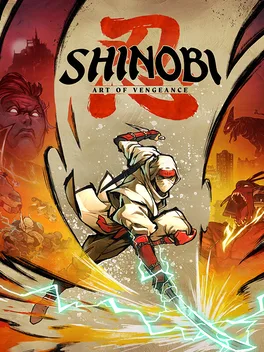
Slay the enemies in the silence of the moment. Run through the world of Shinobi full of monsters and ninja actions. Grab Oborozuki, the legendary sword, and slay evil once more. Your clan and the world are counting on you.