
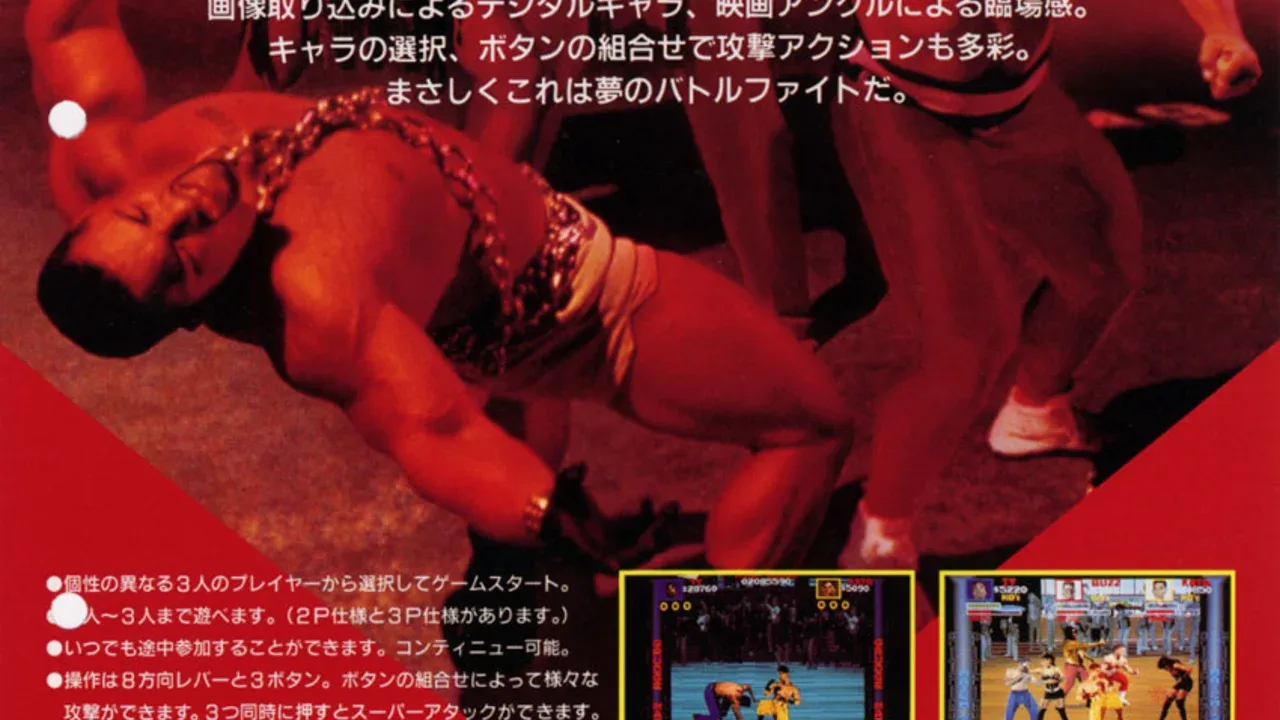
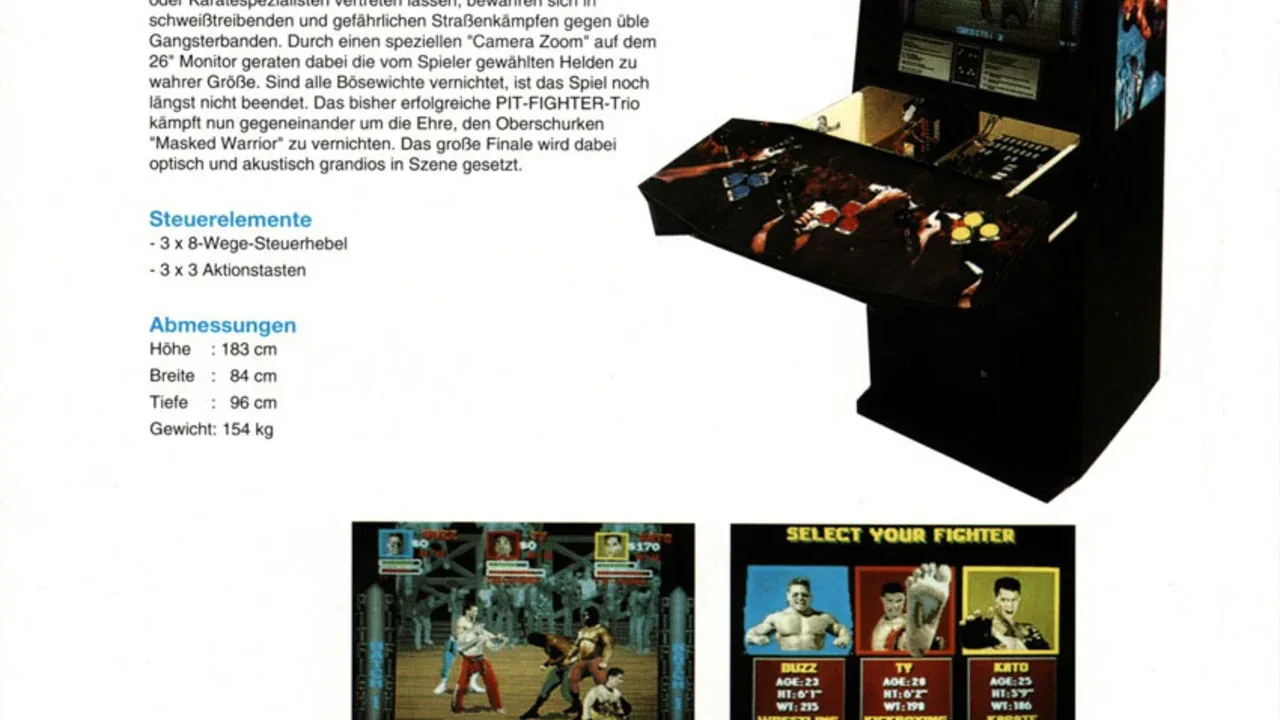
Pit-Fighter


Buy
Could be interesting
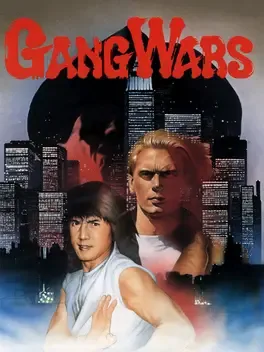
In Gang Wars, up to two players can control two different characters with different fighting styles. Gang Wars has a control configuration that is composed of two attack buttons (punch and kick), as well a jump button to fight against enemies or overcome obstacles. Players have access to a repertoire of techniques by pushing these buttons individually or in combination. Unlike Double Dragon, Gang Wars has fire arms (much like SNK's P.O.W.: Prisoners of War, except Gang Wars has both an assault rifle and a flamethrower), has a small amount of blood, has cut scenes, has two completely different playable characters and has a feature for customizing three fighting statistics (Power, Speed and Guard) for both players. Players will earn a certain number of points for increasing their fighting statistics.
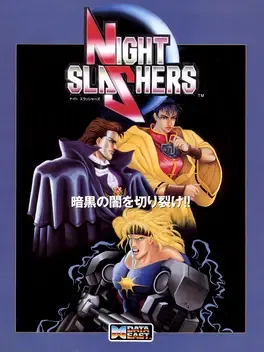
The dead have risen from their graves, and monsters and mutants prey upon what's left of the living. Three monster hunters have joined together, using their knowledge of the occult to slay the undead scourge.
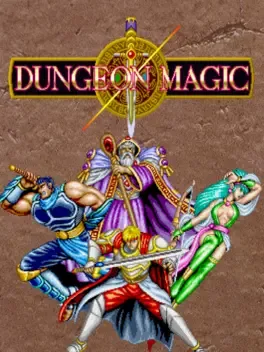
The evil magician has brought an evil spirit back to life and is plotting to seize control of the kingdom, and has kidnapped the princess for use as a sacrifice. Four warriors venture into the world of magic to save the princess of the kingdom from the wicked magician: Ash the knight, Gren the roving warrior, Cisty the elf, who whole family was destroyed by the evil spirit in the past, and the old magician Vold with the magic staff must now set off to save the princess.
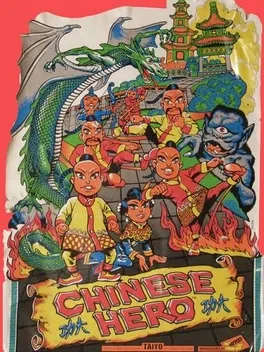
Chinese Hero is an arcade action game developed by Nihon Game (now Culture Brain) and published by Taiyo System in October 1984. Chinese Hero is the first game in the Super Chinese series by Culture Brain. It was ported to the Nintendo Entertainment System as Kung Fu Heroes in Japan by the company Nihon Game in 1986 and was released in North America in 1989. Kung-Fu Heroes features an overhead view and up to two players may play simultaneously. It is a direct port of the earlier arcade game Chinese Hero developed by Nihon Game at the time the company was involved in the coin-up industry. Kung-Fu Heroes is an NES port of Chinese Hero, and unlike other titles in the series, it does not incorporate any role-playing video game elements in the gameplay.

Originating in the arcades, Dynasty Wars is a beat-em-up set during the Three Kingdoms Era of the Chinese history, and is, more specifically, based on the Tenchi o Kurau manga adaptation of the story. The player adopts the identity of an ancient Chinese warrior, and riding on horseback has to eliminate all his opponents, mostly infantry and archers.

Dead or Alive is a 1996 arcade fighting game by Tecmo for the Sega Model 2 (2A CRX and 2B CRX) arcade hardware and the first game in their Dead or Alive franchise. It was ported to the Sega Saturn in 1997. A limited edition was also released for the Saturn which came with an art book. An enhanced port including new characters was released for PlayStation, and later backported for arcade under the title "Dead or Alive++".

When Lord Boxman resets the card levels of every hero in Lakewood Plaza, it’s up to K.O. to help his friends and secure his place as a true hero. Battle Lord Boxman’s evil robot army in fast-paced brawls, explore the mall to find quests to complete and level up special POW cards for new abilities to put the pain on Lord Boxman’s most diabolical scheme yet.
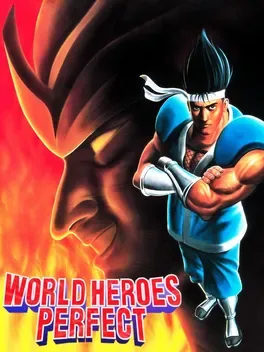
One year after both the conclusion of the World Heroes Battle Fest and the defeat of Zeus, invitations has been sent to the 16 fighters by Dr. Brown, informing them of a new World Heroes tournament that'll help finally settle the question of who's the strongest fighter in history. With the 16 fighters preparing themselves in order to finally determine on who's the strongest fighter in history, Zeus seeks to gain his revenge against those who had caused his downfall, but little does Zeus and the rest of the fighters know and realize that an old enemy from the past is also back and that he too has his own personal desire for revenge as well.
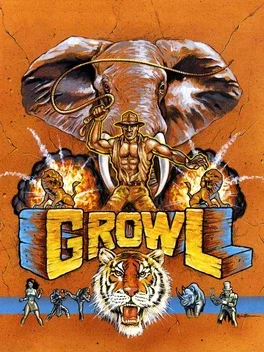
The player begins the game by choosing from one of four different forest rangers, each with a different amount of health, attack strength, and jumping height. The game's controls consists of an eight-way joystick for moving the character and two action buttons (attack and jump). The player can perform a variety of different attacks (punches, kicks, and finishing blows) depending on the position of an enemy. By pressing both buttons while surrounded by enemies, the player can perform a special attack that strikes every enemy around him. By pressing both buttons while holding the joystick upwards, the player will perform a longer jump. The player can procure weapons by destroying barrels and wooden crates or disarming certain enemies. There are a total of eight weapons which can be obtained: three melee weapons (a pipe, a sword and a whip), two throwing weapons (knives and hand grenades), and three firearms (a pistol, a machine gun, and a rocket launcher). The barrels and crates can also be picked up and thrown at enemies as well. When the machine gun or rocket launcher runs out of ammunition, these are still wielded by the player as melee weapons. The pistol, on the other hand, is thrown by the player after all of its bullets are used. The player can drop his current weapon by pressing down and attack while wielding it. If a weapon lies on the ground after a certain period, it will vanish completely. There are seven regular stages (called rounds) and a bonus game, for a total of eight stages. The locations include a city, a moving train, a boat, a jungle, a cavern, and the hideout of the poachers. There are six types of enemy characters throughout the game, excluding the final boss (who has two forms). There are also animal helpers that will help out the player after they're rescued from a poacher, such as an eagle, a herd of deer, and an elephant.
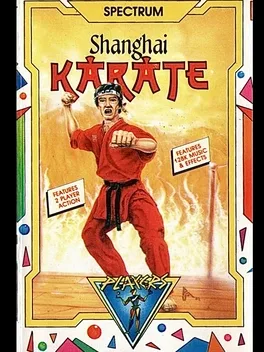
Shanghai Karate is a one-on-one beat 'em up game. The player takes on the role of Lio Yin. By defeating all Wang Chen's men, Lio Yin must traverse the legendary journey from Changhun to Shanghai. The gameplay takes place on a single board. Each opponent has four lives and can be attacked through eight available strikes. The game offers a practice mode for a two human players, taking place in the Great Wall area. The game is not identical to the contemporary Shanghai Karate for Amstrad CPC published by the same company.