World Tour Soccer: Challenge Edition
Buy
Part of collection:
World Tour Soccer
(last 3 games)
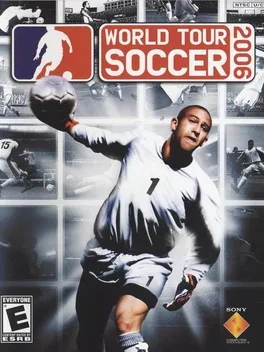
This is the 2005, and last, edition of the "World Tour Soccer/This is Football" game series. It allows you to take an existing team and take control of them and guide them through a season by season basis. You can also create a new team, mold it in every detail, from kit to player. From there, you start off in the school league and earn league titles and promotions through the national leagues of your choice. As well as leagues, you can take part in all the major club and international knock out tournaments, such as the Champion's League, Euro Club Cup and the World Cup. It also now includes the ability to create a digital mask of yourself using the EyeToy play camera and apply it to a new player or any existing player of your choice.
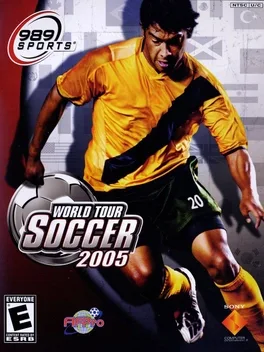
Features more than 900 teams from around the world -- over 18,000 players in all Play classic, world-famous teams like 90's Barcelona team, the 80's Milan team and the 70's Liverpool team Revolutionary new icon passing system and intuitive controls make controlling the action easy Advanced AI give players a challenge, every time they play the computer Multiple game modes for each type of soccer fan - jump right in for a quick Exhibition Game, battle it out over a Season, or try Career & Challenge Modes
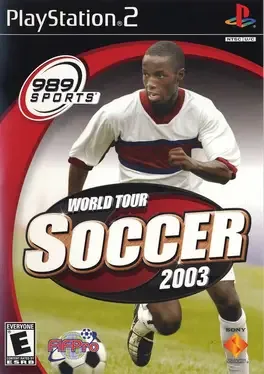
Soccer comes home as you lead your team to victory on or off the field. As a player, you'll tackle, pass, and shoot winning goals from the field. As an owner, you'll buy, sell, or trade players to create a winning team. More than 13,500 officially licensed FIFA pro players from 700 international and league teams compete in 10 stadiums around the globe. Your players can perform a variety of authentic moves, including high-flying headers, bicycle kicks, and goal-saving slide tackles.
Could be interesting
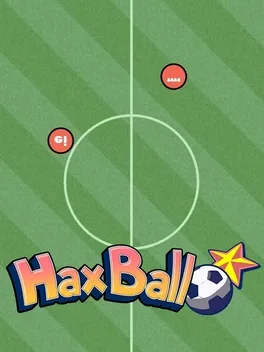
HaxBall is a realtime multiplayer game that plays like a mix between football and air-hockey, and it's a real blast. Player skill makes a big difference and teamwork shines when playing in teams of 3v3 and 4v4.
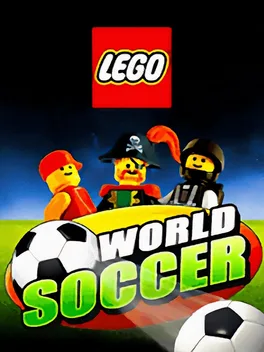
LEGO World Soccer is a soccer game for everyone. Gamers can play as pirates, construction workers and other characters in unique LEGO-themed settings.

World Football 98 is a soccer game, released just before the 1998 Football World Cup. It featured Kiko Narváez, the Spanish national team striker, prominently in the Kiko World Football version. The game was also later distributed as a gift when buying Danone yogurts under the name of Danone World Football where it was an ad game, as in the break between halves advertisements are shown.
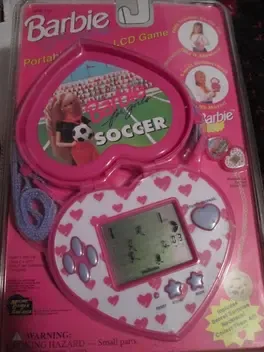
Barbie and her friends take to the field in one of their favorite sports. Control Barbie's team as they try to pass and kick their way to a victory
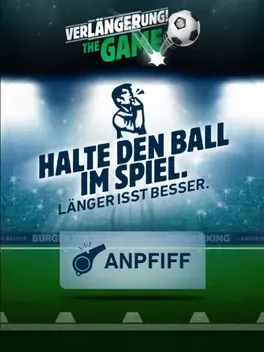
Verlängerung: The Game was a game included in the German Burger King app.

Featuring both boy and girl players out on the field, this family-oriented soccer game offers fast and fun play for the family.
J.League 3D Stadium is an unreleased soccer game for the Virtual Boy from J-Wing. It was slated for release in Japan on March 20th, 1996, but was ultimately cancelled when the Virtual Boy was discontinued. Not much is known about the game, as the only ever mention of it was when it was announced at Space World ’95.
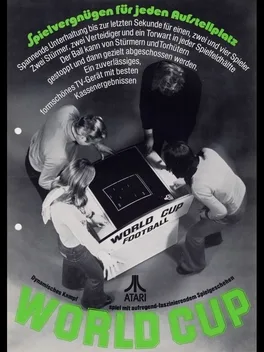
A soccer-themed ball-and-paddle game by Atari released in conjuction with the 1974 FIFA World Cup held in West Germany. It was the first Atari arcade game to be produced in a cocktail format.
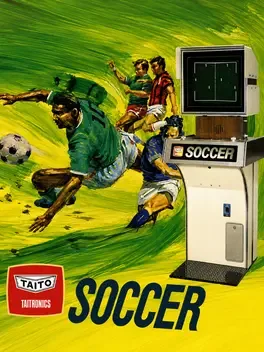
Soccer is Taito's third ever video game release and the first developed internally. The game was designed by the highly influential Tomohiro Nishikado, who would later go on to create Space Invaders. Soccer is a ball-and-paddle game like Pong, but with a green background to simulate a playfield, allowing each player to control both a forward and a goalkeeper. The players can adjust the size of the players, who are represented as paddles on screen. It also has a goal on each side. Soccer is likely to be Japan's first original domestically produced video game, in comparison to Japanese Pong clones released earlier, including Sega's Pong Tron and Taito's Elepong. Since it was exported to Europe in 1973 it may also be the first Japanese video game to be released on the European continent.