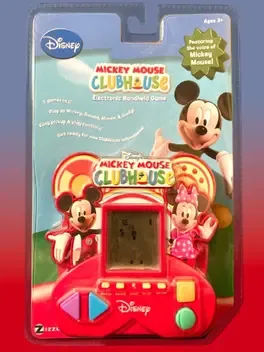
Popular games for platform Handheld Electronic LCD

Super Mario World (also known as Super Mario World Game Watch and Super Mario Bros. 4) is a licensed wristwatch videogame made by Nelsonic Industries, based on the Super NES game Super Mario World.
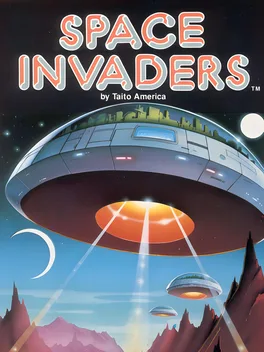
Space Invaders is an arcade video game developed by Tomohiro Nishikado and released in 1978. It is one of the earliest shooting games and the aim is to defeat waves of aliens with a laser cannon to earn as many points as possible.
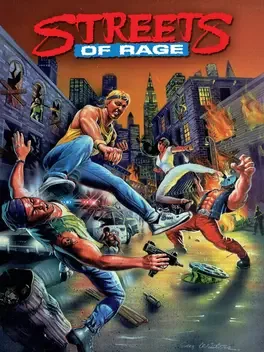
The LCD version of Streets of Rage is a handheld game released by Tiger Electronics based on the Sega game, Streets of Rage. It was released in both Electronic and Pocket Arcade form, although the former appears to be quite rare.
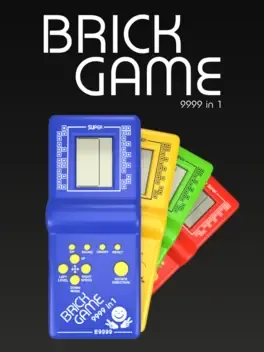
The Brick Game is a series of models of handheld electronic games. They are usually called "x" games in 1, with X usually being a high number, which are actually game modes, not different games. The games are usually clones of arcade games to the LCD screen, like Tetris, Breakout, Pong, Battle City and others. They are very cheap alternatives for handheld gaming, making them prominent in underdeveloped countries.

The player must guide Mickey Mouse to collect items while avoiding other surfers and obstacles. Later hacked to create Surf Adventure; the hacked version replaces Mickey with Konami's Goemon.
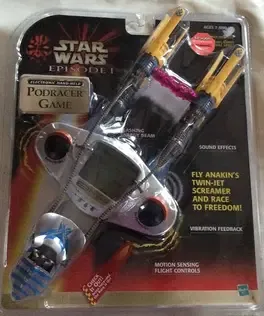
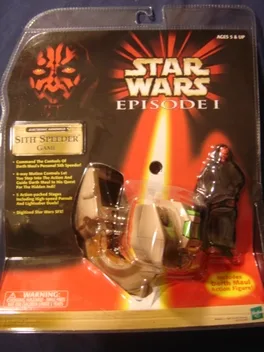
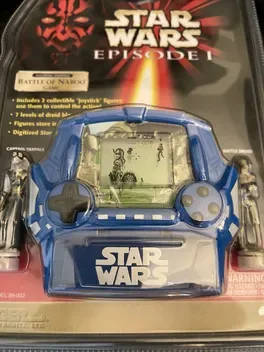
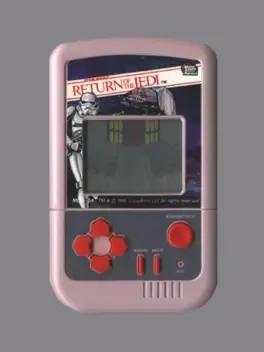
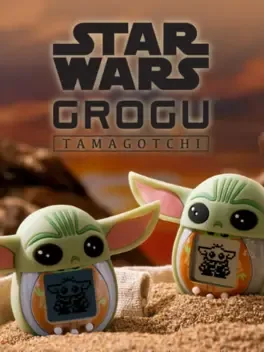
The Grogu Tamagotchi is an upcoming licensed Tamagotchi Nano model based on Grogu, a character from the Star Wars television series The Mandalorian.
A Soukoban clone; similar to the previously-released Push the Box by JungleTac.
A boat racing game. Later hacked to create Jet Skiing.
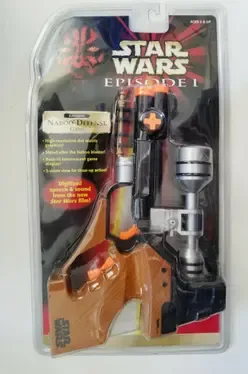
A Puzzloop or Zuma clone.
Starring Susie the mouse from Cinderella, the game is a direct port of JungleTac's own puzzle game Hard Win.
The player controls Minnie underwater and must swim to collect pearls from oysters. Later hacked to create Pearls; oddly, the hacked version features Ariel from The Little Mermaid, despite that no official Ariel version appeared on the Game It! systems.