
Popular games for collection Simple 1500
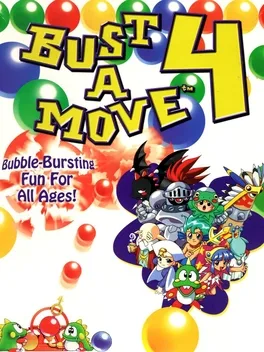
Puzzle Bobble 4 (also known as Bust-a-Move 4 in North America and Europe) is the third sequel to the video game Puzzle Bobble and is the final appearance of the series on the Arcade, PlayStation and Dreamcast. The game is also the final title to be recognizably similar in presentation to the original. Building upon the success of Puzzle Bobble 3, the game adds a pulley system that requires two sets of bubbles, attached to either side of a rope hanging across two pulleys. The game contains a story mode for single player play. In total, the game features 640 levels. The console version features a level editor to either create and save a level, set a succession of levels, or to create an unlimited amount of extra levels and stages. It also has an alternative "story mode".

Take to the streets on one of ten stylin' boards in the first skateboarding game for the PlayStation, courtesy of Electronic Arts and Micro Cabin. Two variations of play include the Street Tour Mode, where you skate through three 3D courses trying to pull off as many tricks as you can within a time limit, and Free Skate Mode, where you either play for points or practice your moves without worrying about the clock.
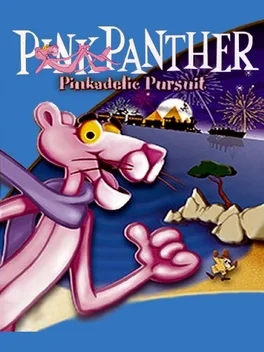
The Pink Panther is determined to find the treasure hidden in his uncle's house. Help him overcome all the obstacles that separate him from this wonderful treasure. Join the famous panther in some exciting adventures! Six different universes to explore: the Pyramid, Dracula's castle, the Gangsters nest, the Stone Age, etc. Fierce enemies to shake off...or to knock down. Wild hide and seek parties for the most stylish panther! Crazy roller skating rides. The main objective of all the levels in the game (except the final level) is to collect the key hidden in each level and get to the goal to proceed to the next level. There are a total of 12 "rooms" (levels) within 3 game modes: platform, race and boss fight.
Big collection of illustration and slide puzzles for the player to choose and solve. Up to 2 players to play at the same time. There are more than 500 illustration puzzles and more than 100 slide puzzles.
Simple 1500 Series vol.019 The Suguroku is a board game based on the Sugoroku game, the game features different boards and can be played by up to 4 human players at the same time. Sugoroku is a game with which you can step one block by one from start to the end of various stories using a dice.
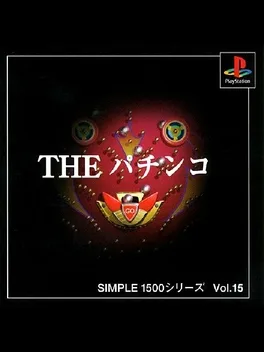
With 3 types of original pachinko machines, this game delivers a real sense of playing inside a pachinko parlour. The 3 pachinko machines available are "CR Love Love Project 2", a LCD machine offering diversified reach actions, "CR Star Robot" with heated double and triple reach actions, and "Surfing Island", a colourful machine in the motif of aloha T-shirts.
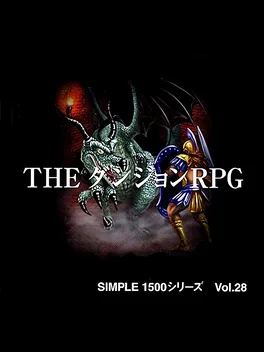
In Simple 1500 Series vol. 28 - The Dungeon RPG the player controls a warrior that goes to explore a labirynth and defeat all the monsters that comes his way. The game features more than 50 weapons and protective gears, the player can use a variety of items, there are a lot of different monsters and a level boss battle to pass to the next level. During his way to player will face numerous traps during the dungeon. The game creates the map every time that a new game is started so it can be played a lot of times.
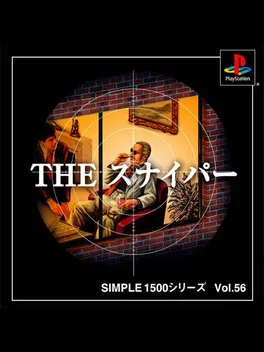
An entry in the Simple 1500 series for PlayStation where players are challenged to snipe targets. A number of missions will give players the ability to choose their sniping position and the time of day they choose to execute their hit. Despite being released as a Japan-exclusive, the game would receive a sequel with an official English release; 2004's The Sniper 2 for the PlayStation 2.
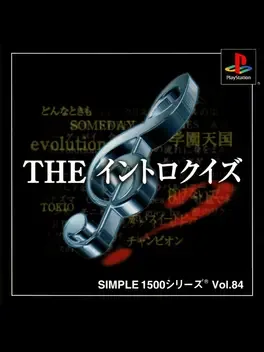
The Intro Quiz is the third quiz game in the Simple 1500 series and also features more than 1000 different questions of different musical subjects, the game features also a 4 player mode in which 4 human players can compete between them.
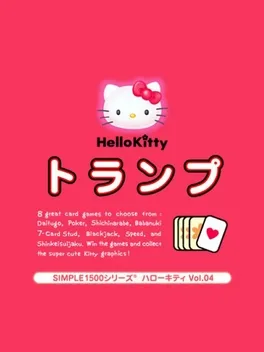
Simple 1500 Series Hello Kitty Vol. 04: Trump is a Hello Kitty themed card game for the PlayStation. Trump or trumps or trump suit are terms used in trick-taking games, traditionally called whist-style games although the best-known example may now be bridge, where cards of one suit rank above all non-trump cards, and automatically prevail over them, losing only to a higher trump if one is played to the same trick.

The player can choose from a variety of tracks and trains and will then have to drive the train to the designated stations while sticking to the tight schedule, stopping exactly at the marked positions, obeying all signs and signals, and ensuring passenger safety and comfort. Whenever the player makes a mistake, points are deducted from a counter which at the start of each round is initialized to a value depending on the selected difficulty. If it reaches zero, the game is over. This title features, among others, the Yamanote Line around Tokyo, and parts of the To-kaido- Main Line.
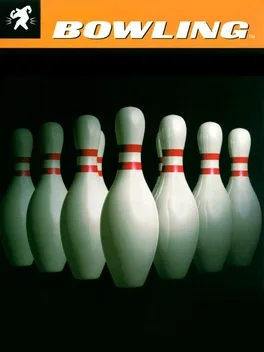
A simulation of the classic game of the same name. As you can imagine from the name, this is a no-frills game, but it still comes with three modes, (normal, special, and quest) and multiplayer options. (1-4 players, with computer players as desired.)
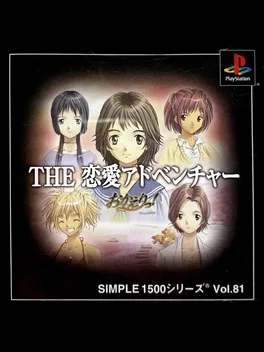
Simple 1500 Series Vol. 81 - The Renai Adventure - Okaeri! is a dating first person adventure.
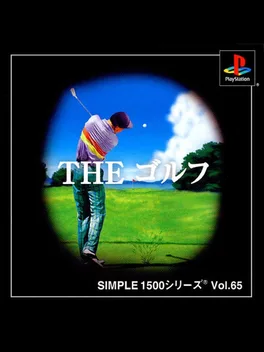
The Golf is a third person perspective golf game That features 4 different character for the player to choose. There is only one tournament and also a ranking. The player can practice all the holes in the free mode and then compete againts the computer characters in the tournament.

Simple 1500 Series vol. 61: The Quiz 2 is the second quiz game in the Simple 1500 series and also features more than 15000 different questions of different subjects, the game features also a 2 player mode.
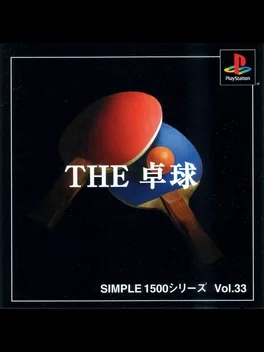
Simple 1500 Series vol.033 - The Takkyuu is a Ping Pong game features 2 characters (boy and a girl) and 2 main game modes: - Story mode: Defeat all the opponents to complete the story - Free mode: Choose an opponent to play against
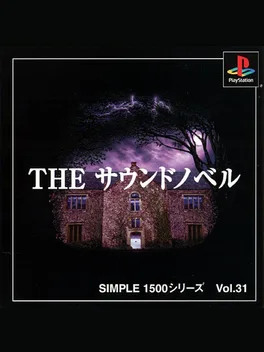
Simple 1500 Series Vol. 31 - The Sound Novel is a first person adventure game in which the player starts the game driving with his girl in a car in a lonely highway, where they are stopped by a policeman that tells them about the strange place that they are in. The gameplay is the classic is a sound novel game, the game tells the story and in some places the place can decide which way he wants to continue it, depending of the player answers the game ending will be different, since the game features multiple endings.

Simple 1500 Series Vol. 24 - The Gun Shooting is a gun game set in the African continent in a near future in which the player (or players since the game features a 2 players cooperative mode) are 2 members of an organization with the mission of saving the continent from an alien army. The game is divided in different stages that are plains, rivers, mountains, etc. And at the end of each level there is a leevl boss that the player has to defeat to advance to the next one.

Simple 1500 Series vol. 29 - The Tsuri is a first person perspective fishing game That features 5 different main fishing spots (with different part of each fishing spot for the player to choose where to fish) in places like rivers, ponds, etc. The game is about fishing freshwater fishes, there are 2 games modes: Free mode and challenge mode. The free mode is just choose a spot and go to fish there. In the challenge mode the game challenge the player to catch a fish with a specific weight.
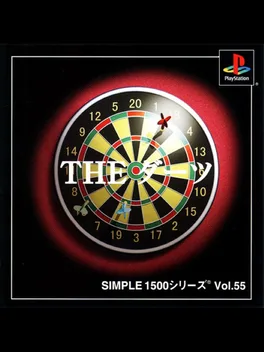
Simple 1500 Series Vol. 55: The Darts features a complete 3d simulation of the darts sport with game modes like 301, 501, cricket, etc. The game uses the analog stick for a more realistic simulation.
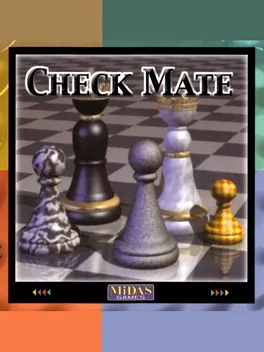
Dozens of different options and visual guides make Check Mate the perfect way to improve your game. Choose from a range of difficulty settings as you attempt to beat the computer, or checkmate a friend in the two-player mode.

In Simple 1500 series vol. 101 the Sentou the player takes the role of a young boy in charge of a bathhouse. Every week the player choose what duties will the boy do (cleaning the baths, rest, repair the ceiling, put more fire to the kettle, etc.) Depending on the jobs, the boy starts will increase or decrease.
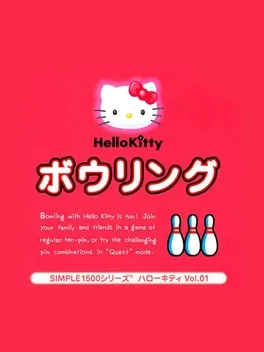
Simple 1500 Series Hello Kitty Vol. 01: Hello Kitty Bowling is a Hello Kitty themed bowling game for the PlayStation.
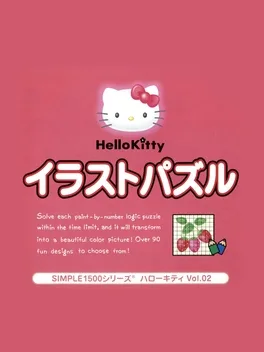
Hello Kitty Illust Puzzle is a Hello Kitty themed Picross game.