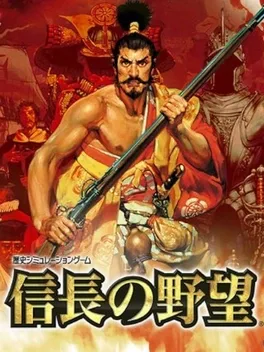
Popular games for franchise Nobunaga's Ambition
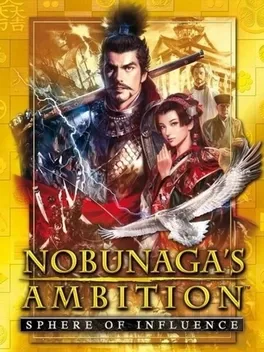
Hailed as one of the best instalments in the franchise’s history, this extremely intricate, deep, and meticulous strategy game is set against a backdrop of a fragmented nation and asks the player to take up the mantle of a Daimyo, a feudal lord of the Sengoku era.
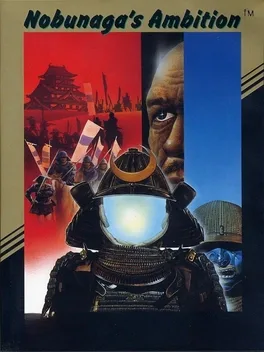
The second game in the series, previously released as Nobunaga's Ambition in the West. Players take on the role of one of the main characters of the period, Nobunaga Oda, Shingen Takeda, Kenshin Uesugi, or others and try to unite the 50 kingdoms of Japan, from Ezo in the north to Kyushu in the south, under their own rule.
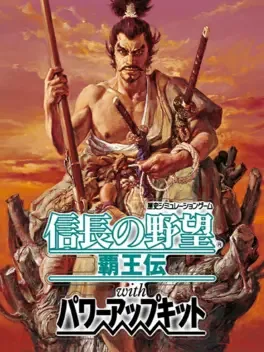
"NOBUNAGA’S AMBITION: Haouden with Power Up Kit" is an expanded version of "NOBUNAGA'S AMBITION: Haouden," which was released in 1992 as the 5th game in the series. Up to now in the series, warfare was focused on whole countries. Haouden changes that focus towards individual castles. Also, a Daimyo controls their officers through giving out rewards based on their achievements as they fight for total control of the Warring States.
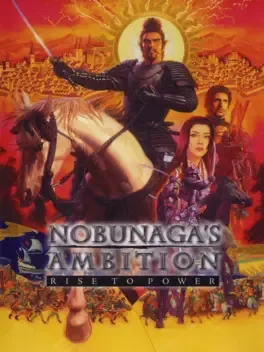
Nobunaga's Ambition takes place during the Sengoku period of feudal Japan. As the title suggests, the player is tasked with achieving the ultimate goal of warlord Oda Nobunaga: the conquest and unification of Japan. Selecting Oda Nobunaga is optional, however, as the player is also able to choose from a variety of other regional daimyos of the time. This game introduced castle towns and unified castle sieges. The administration screens transitioned to full 3D.
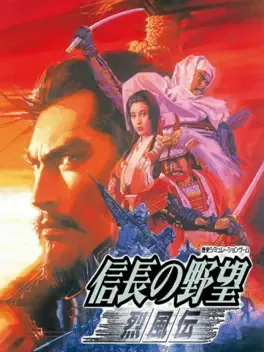
The eighth title in the Nobunaga's Ambition series.

"Nobunaga's Ambition'' is the definitive historical simulation game about becoming a Sengoku daimyo and aiming to unify the country. The 30th anniversary work "Nobunaga's Ambition: Creation" has achieved the biggest and strongest power-up in the history of the series! Numerous new elements have been added, including a "new corps system" where you take command as a daimyo, a "new battle system" where you take command as a military commander, and "Sengokuden" where you live in a turbulent and turbulent time as a human. Create everything with your hands, from the beginning of the Sengoku period to the climax!
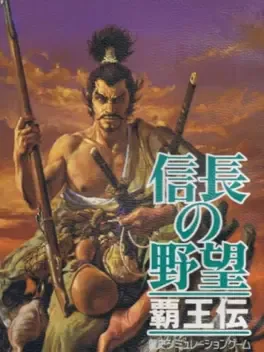
The fifth title in the Nobunaga's Ambition series.
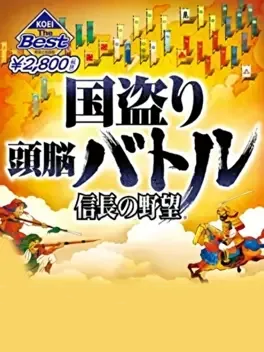
A tactical board game with Japanese historical figure in feudal era.
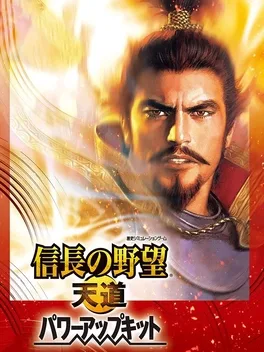
Nobunaga’s Ambition, a series synonymous with Historical Simulation Games, has now released an extension of the 13th release in that series, Nobunaga’s Ambition: Tendou, at the Steam Store as Nobunaga’s Ambition: Tendou w/Power-up Kit!
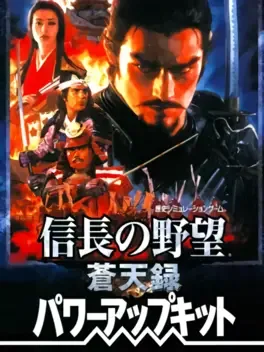
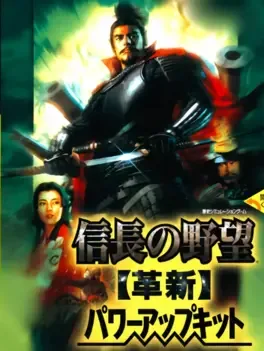

An additional playable scenario for the title "Nobunaga's Ambition: Souzou." Nobunaga Oda, in an attempt to seize control of the land, comes face to face with the honorable Kenshin Uesugi. This is the story of men who followed their ambitions to the bitter end.
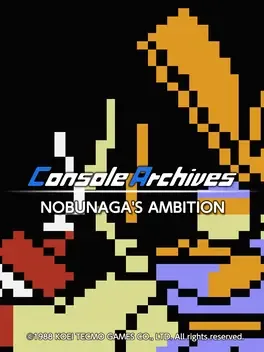
An undying masterpiece—the ultimate long-running legend! Nobunaga's Ambition was released by Koei in 1988 for an 8-bit home console. In this historical simulation game, you become a Sengoku daimyo with the ultimate goal of unifying all of Japan. As the tides of war shift from moment to moment, you must determine how to enrich your domain, strengthen your military, and conquer rival nations. Use every ounce of your ingenuity to bring an end to the turbulent Sengoku period!
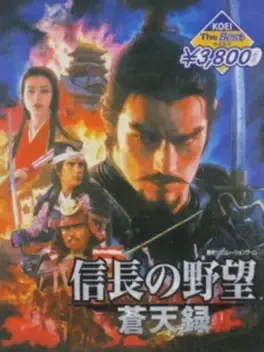
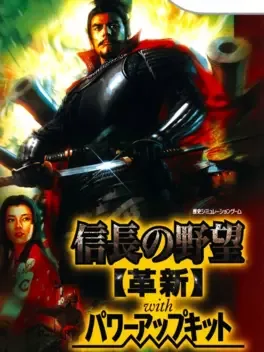
An extension of the 12th release in the Nobunaga’s Ambition series, Nobunaga’s Ambition: Iron Triangle.
An additional playable scenario for the title "Nobunaga's Ambition: Souzou." The time has finally arrived for the Takeda Army, reputedly the strongest in the land, to march upon the capital. Shingen's illness has healed, and he is no longer uncertain of what he desires.

Nobunaga's Ambition: Lord of Darkness is the fourth game in the Nobunaga series (but only the third one to have been localized in English). The story of Nobunaga takes place during the Japanese civil war of the 16th century. In a wartime strategy game, 15 different warlords are represented across several territories. One to eight human players can play, controlling different leaders and factions. Gameplay is done in one of two scenarios; the beginning of the civil war in 1555 or Nobunaga surrounded by his enemies in 1571. Management of population, supplies and military are the gameplay and successful manipulation of these numbers in the right combination to attack and defend against hostile intentions is what will bring your forces to victory.
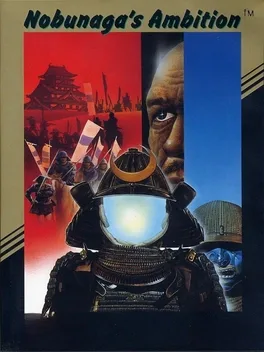
Players take on the role of one of the main characters of the period, Nobunaga Oda, Shingen Takeda, Kenshin Uesugi, or others and try to unite the 50 kingdoms of Japan, from Ezo in the north to Kyushu in the south, under their own rule.
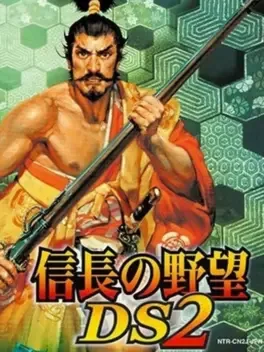
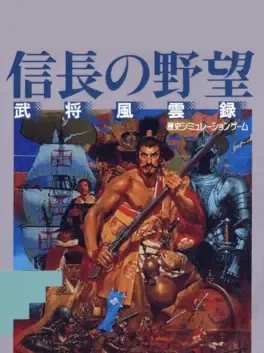
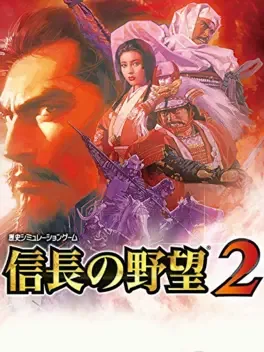
Nobunaga no Yabou 2 is an enhanced remake of Nobunaga no Yabou DS, which was an enhanced remake of Nobunaga no Yabou: Reppuuden.