
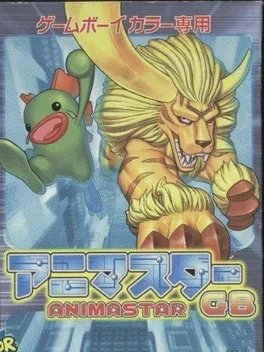
Animastar GB
Buy
Part of collection:
Animastar
Animastar is a life simulation game released on the Dreamcast, and was only released in Japan on June 15, 2000. It is similar to other games such as Monster Rancher and Pokémon. The goal of the game is to breed, train and race monsters named "anima." A follow-up on the Game Boy Color, Animastar GB, was released in Japan on March 30, 2001.
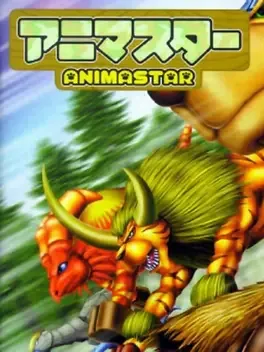
Animastar is a Japanese-only monster raising and racing sim for the Sega Dreamcast. Players raise and evolve creatures to compete with others from around the world on the racetrack.
Could be interesting
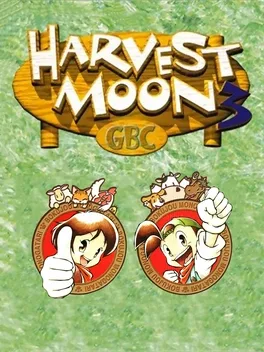
The third Harvest Moon release on Game Boy. A direct sequel to Harvest Moon 2, it is set on an island off the mainland, the player is tasked with reviving the farm and turning around it's fortunes using two unique playable characters, a first for the series.
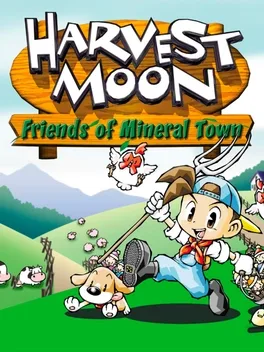
Turn a long-neglected field of rocks and weeds into a successful farm in this rustic role-playing game.
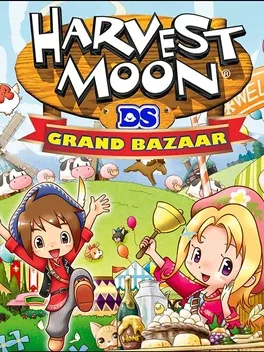
Harvest Moon DS: Grand Bazaar is a video game released on December 18, 2008 by Marvelous Interactive in Japan, and released on August 24, 2010 by Natsume in North America. It was also released in Europe on September 30, 2011 by Rising Star Games.[2] The game is the nineteenth game in the Story of Seasons series and the fifth game in the series for the Nintendo DS.
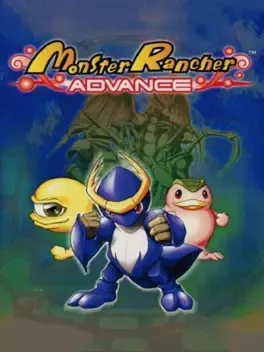
Monster Rancher Advance is a monster-raising simulation that allows players to raise and customize 440 monster types. These monsters can then be tested in in-game tournaments, or made battle against other players's ones in two-player mode (by the GBA link cable). Monsters are created in the game's shrine through the entry of letters, numbers and punctuation symbols. Players begin with the ability to enter up to 4 characters to make monsters, and can unlock the ability to use up to 8 characters through gaining higher trainer ranks. Different words or combinations of characters can not only make different types of monsters, but also each monster can have varying attributes and characteristics, making each one unique. Players then train the monsters by choosing which foods to feed them with, which drills to do to raise attributes, what training to send them to for learning new attacks, and what items to give them. The game starts with a modest amount of money with which food and items can be purchased; more money is earned in tournaments. Gameplay revolves around planning training sessions, adding new attacks and juggling the bank account, along with attempting to win tournaments. As monsters age, they can be added to a coaching staff to help raise new monsters to better attributes, or they can be combined with other monsters to make stronger babies. Monsters do not die in this game, however they do face an enforced retirement age. There is a storyline, where some characters from older Monster Rancher games are back, and new characters are introduced. The gameplay itself, like most other Monster Rancher games, is open-ended. The two-player mode, requiring the link cable and two copies of the game, allows players to test the monsters they have raised against each other. It also allows players to trade items and cash money, to wager items or cash on tournaments, and trade raised monsters bringing them into each others' game files.
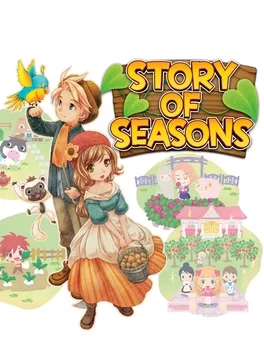
Story of Seasons is the latest Harvest Moon title and allows players to fully create their own character from scratch. XSEED will be bringing the game to North America in 2014.
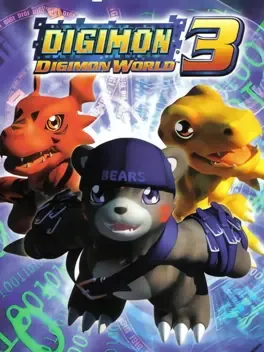
Digimon World 3 is a role-playing video game created by Bandai for the PlayStation. You play as a child called Junior who enters an online virtual reality MMORPG called "Digimon Online", which is run by the "MAGAMI" corporation. A terrorist attack on the Internet traps Junior and his friends inside the game and he sets out to stop them with his Digimon partners. Unlike past Digimon World games, battles against wild Digimon are random and the battle system although turn-based is very different from Digimon World 2, the most notable distinction is battles are one on one instead of three on three although you may tag in a different Digimon, battles also feature three types of digivolution; normal, Blast, and DNA digivolution.
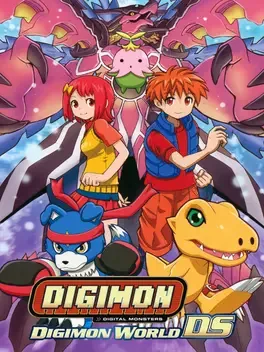
Digimon World DS, known in Japan as Digimon Story (デジモンストーリー Dejimon Sutōrī?), is a role-playing video game and the first Digimon game for the Nintendo DS. It is not part of the Digimon World series, as suggested by its localized title, but the game does bears a resemblance to Digimon World 3. In the game, the player assumes the role of a Digimon tamer and embarks on a journey to discover, tame, raise, train and command more than 230 unique Digimon. The player can build Digi-Farms to raise, evolve and communicate with the Digimon. Using Wi-Fi and local DS wireless connection, players can interact by exchanging Digimon, engaging in battles, and pooling resources to create rare types of Digimon. To date, the game has spawned four sequels in Digimon World Dawn and Dusk, Digimon Story Lost Evolution, Digimon Story: Super Xros Wars Red and Blue, and Digimon Story: Cyber Sleuth.
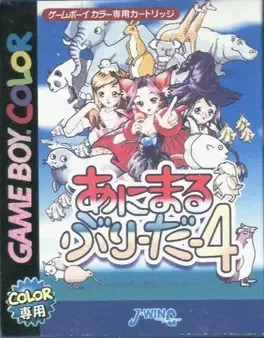
Animal Breeder 4 is an RPG/Breeding game developed and published by J-Wing for the Game Boy Color platform. Animal Breeder 4 was only released in Japan.
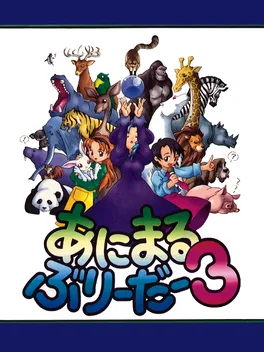
Animal Breeder 3 is an RPG/Breeding game developed and published by J-Wing for the Game Boy Color platform. Animal Breeder 3 was only released in Japan.
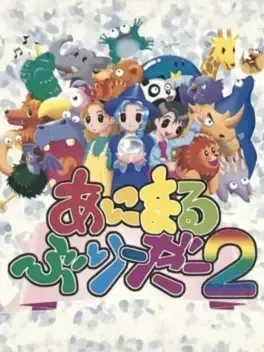
Animal Breeder 2 is a role-playing/breeding game developed and published by J-Wing for the Game Boy platform. It was only released in Japan.