
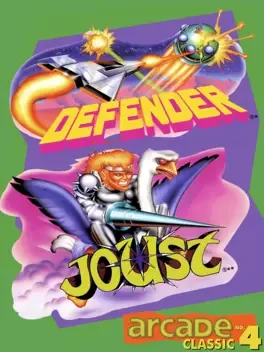
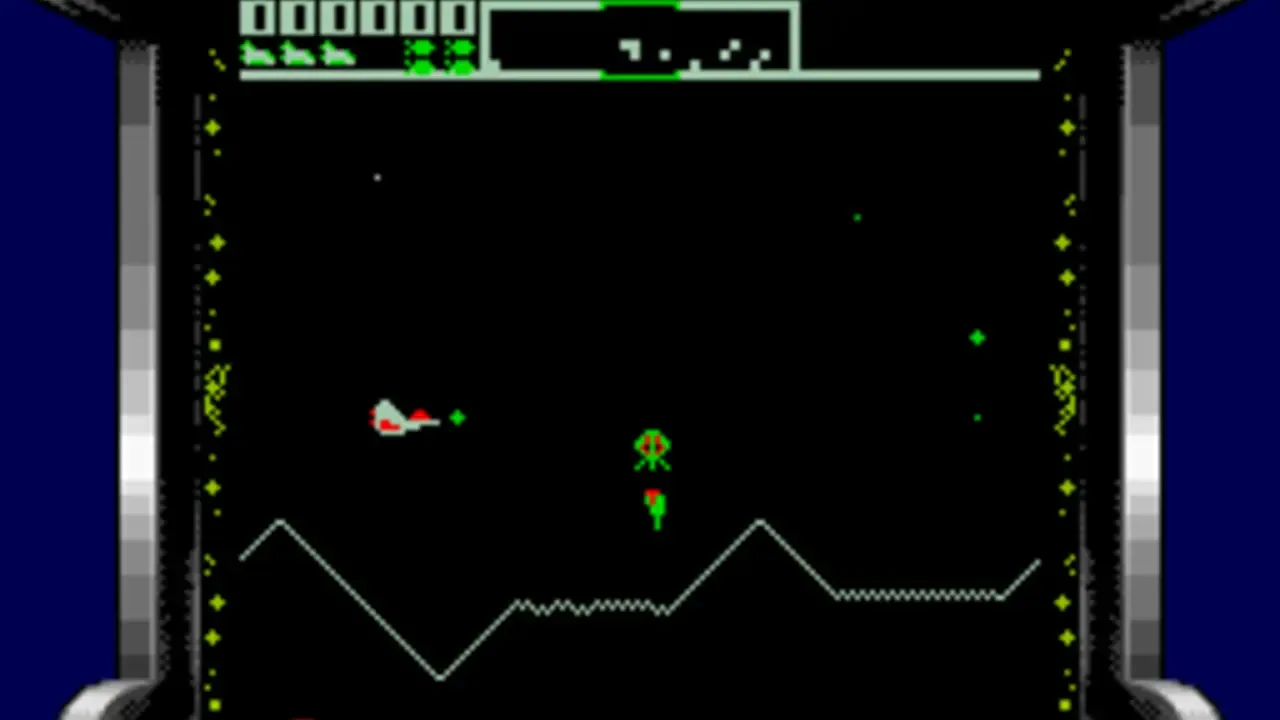
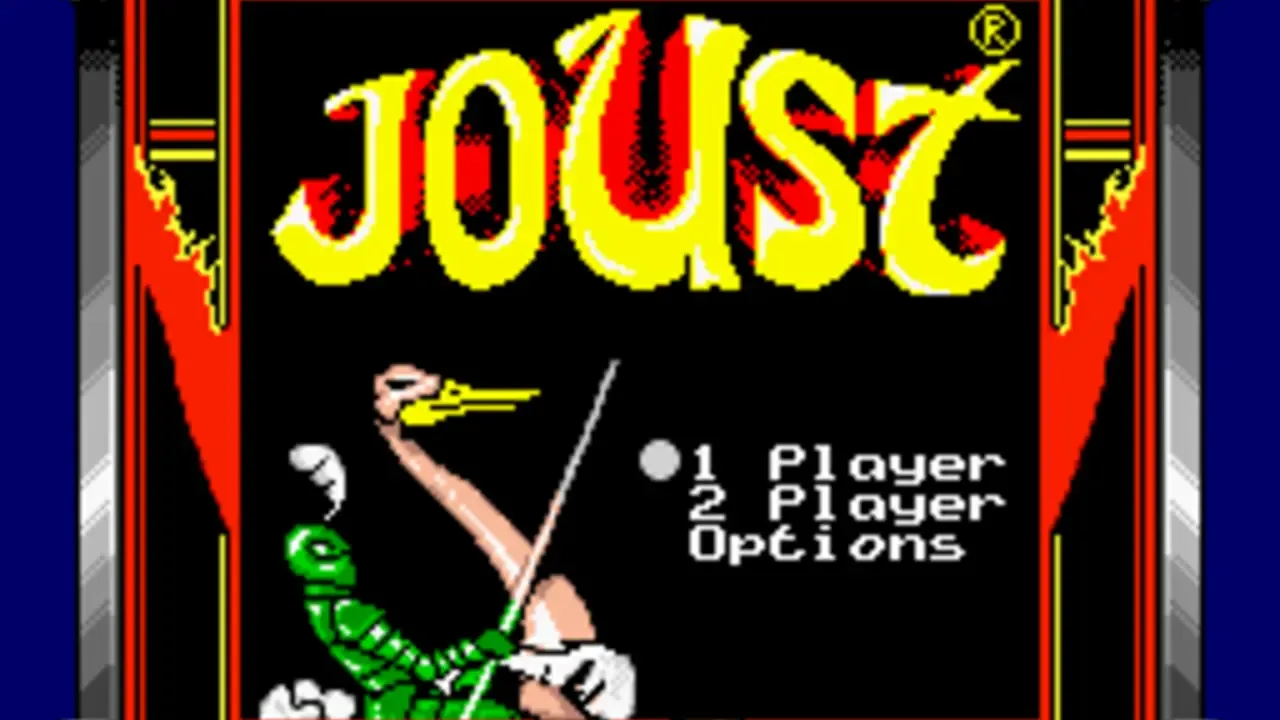
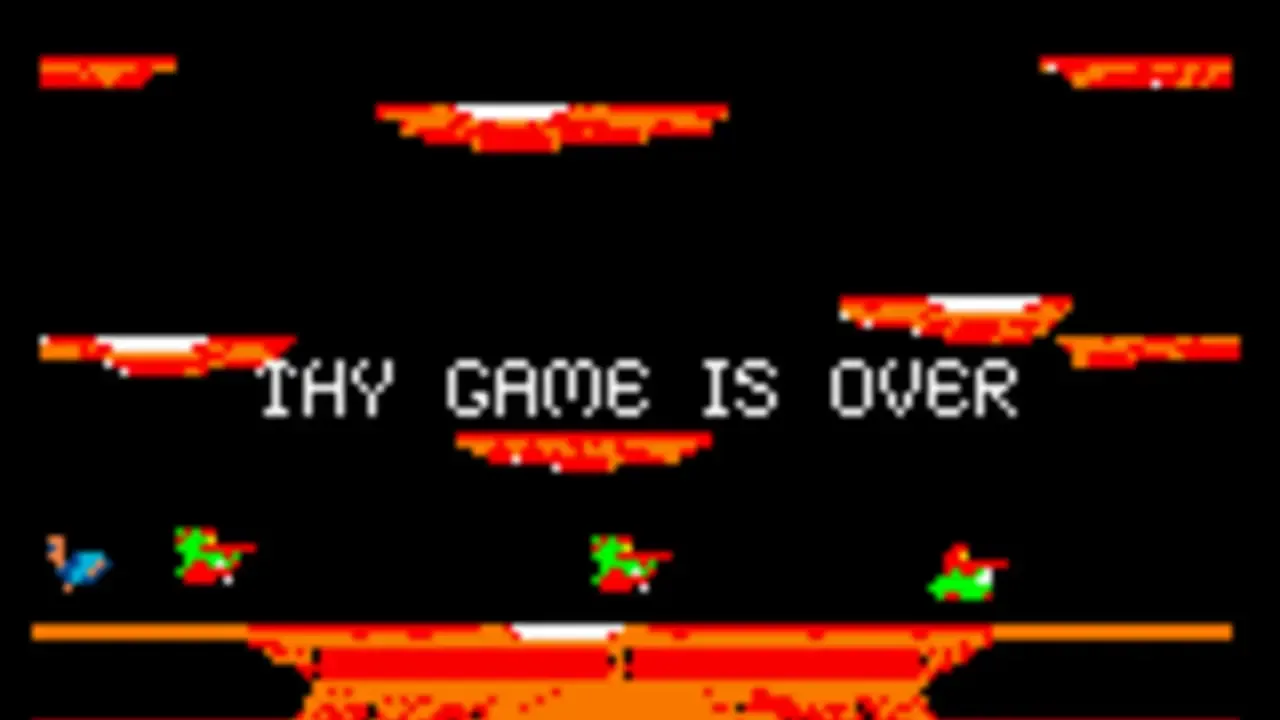
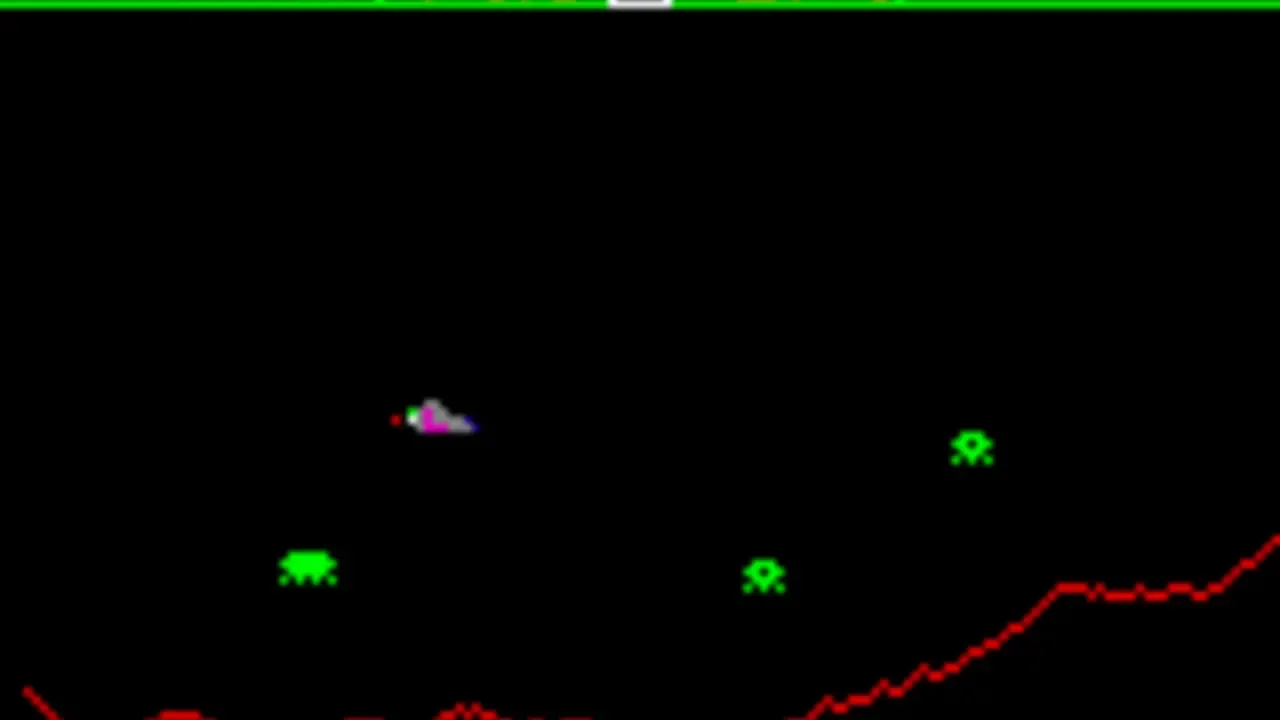
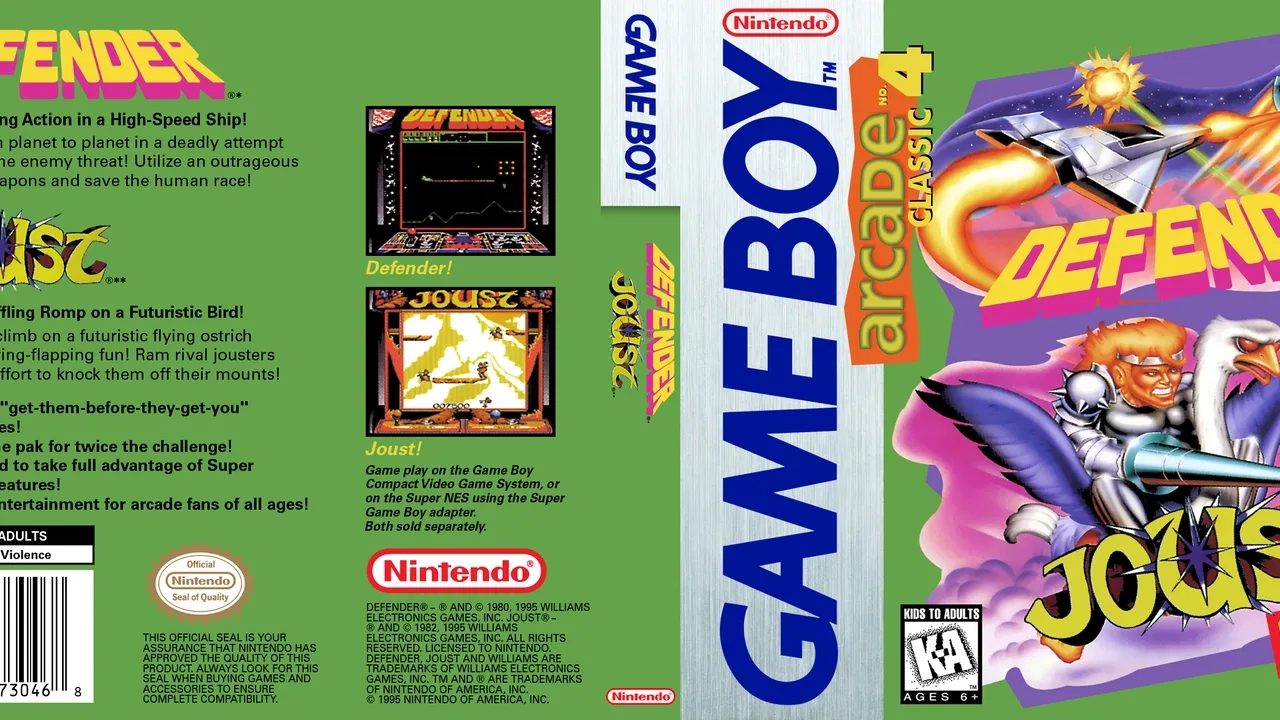
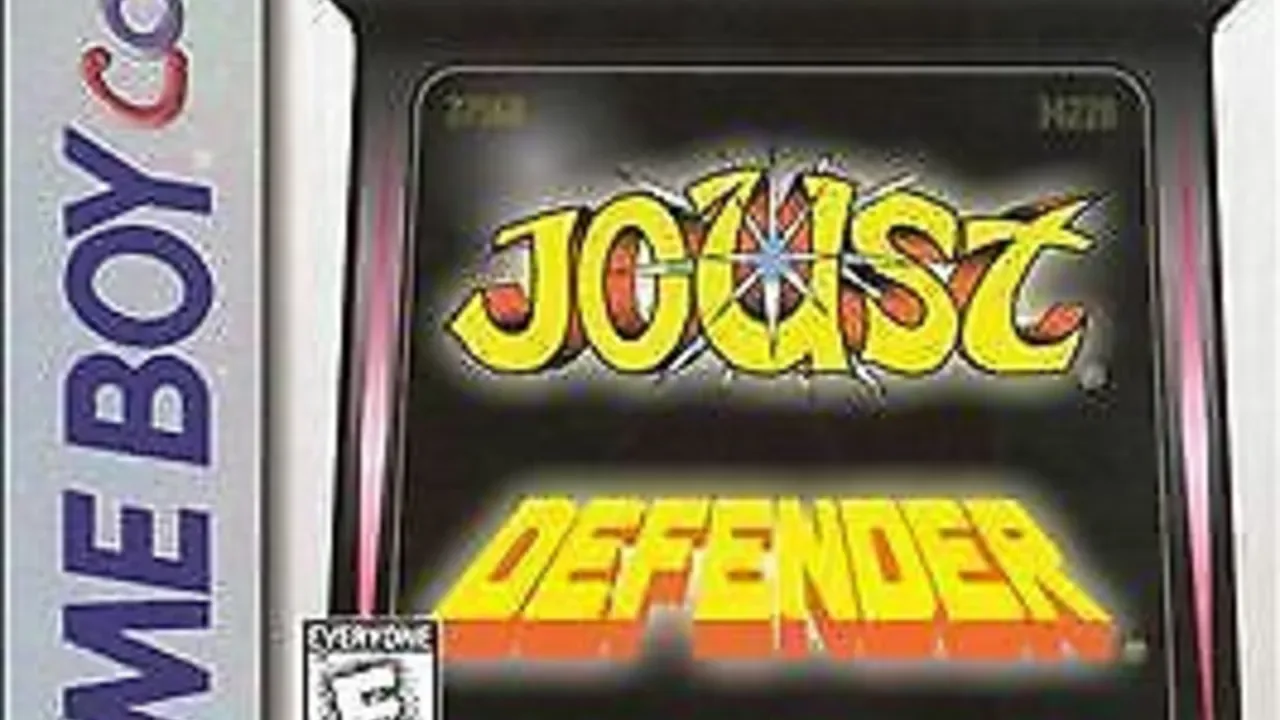
Arcade Classic No. 4: Defender / Joust


Buy
Part of collection:
Arcade Classic
(last 3 games)
A port for handheld device.
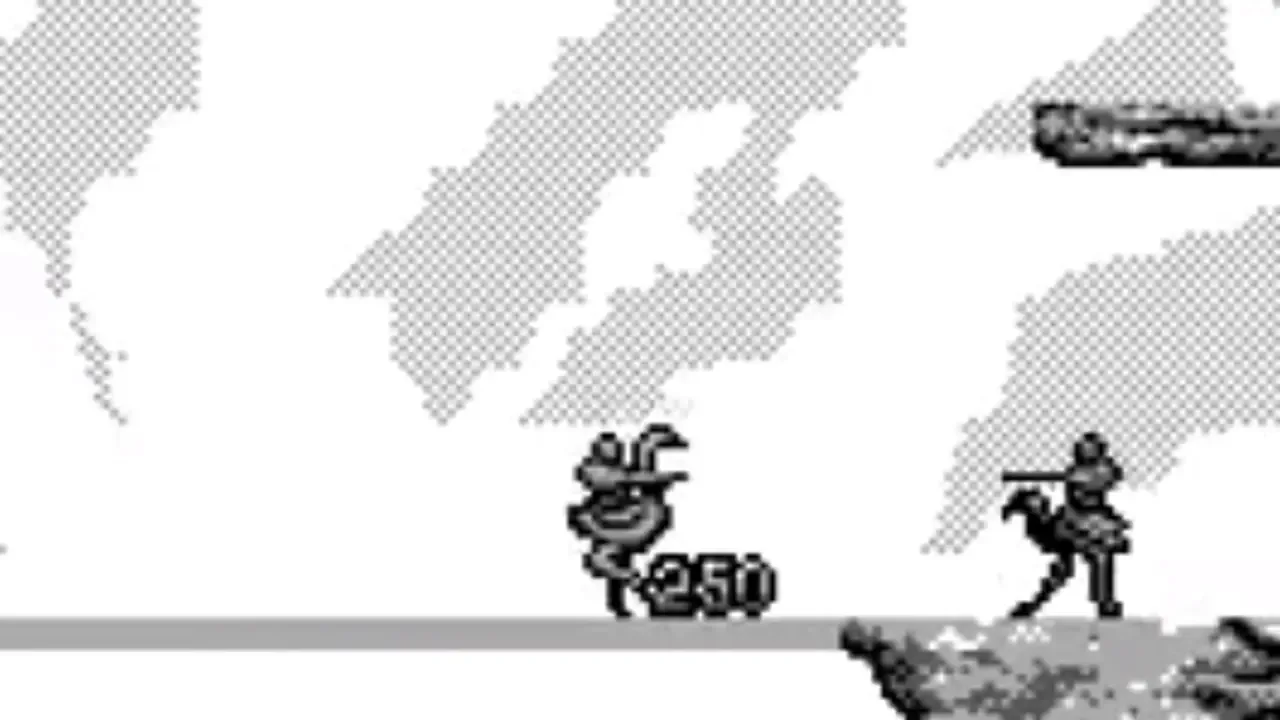
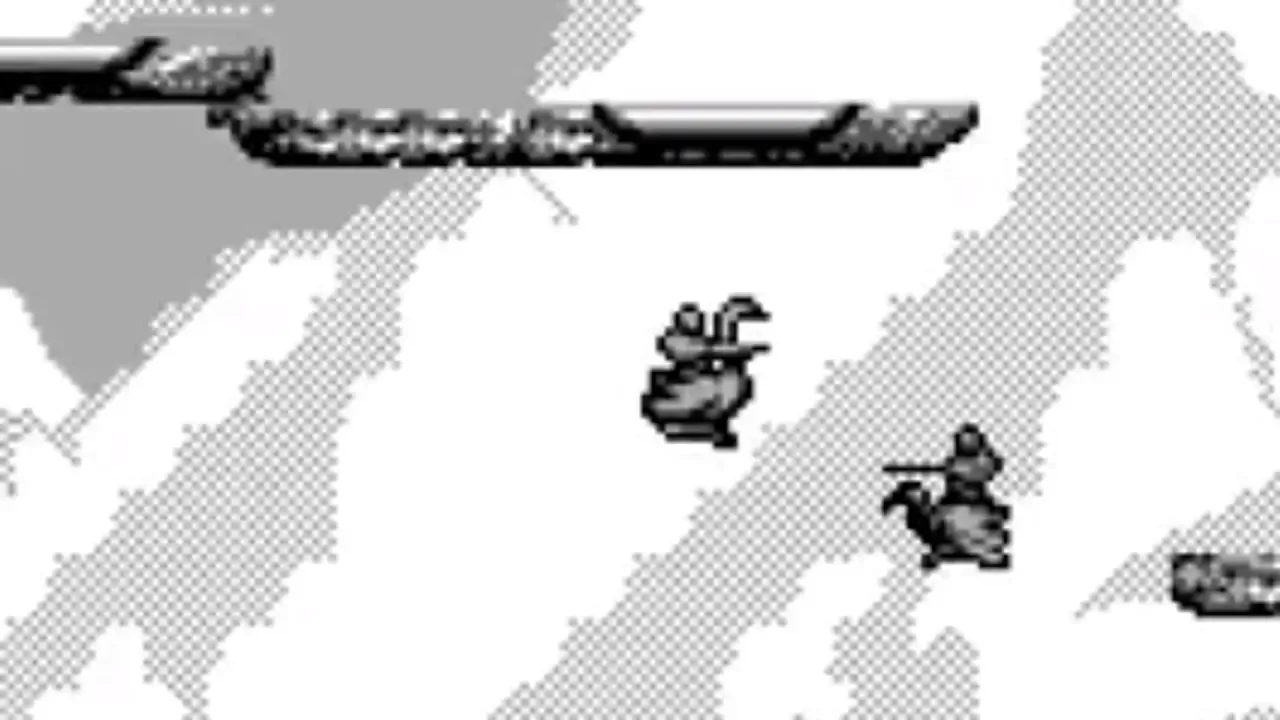
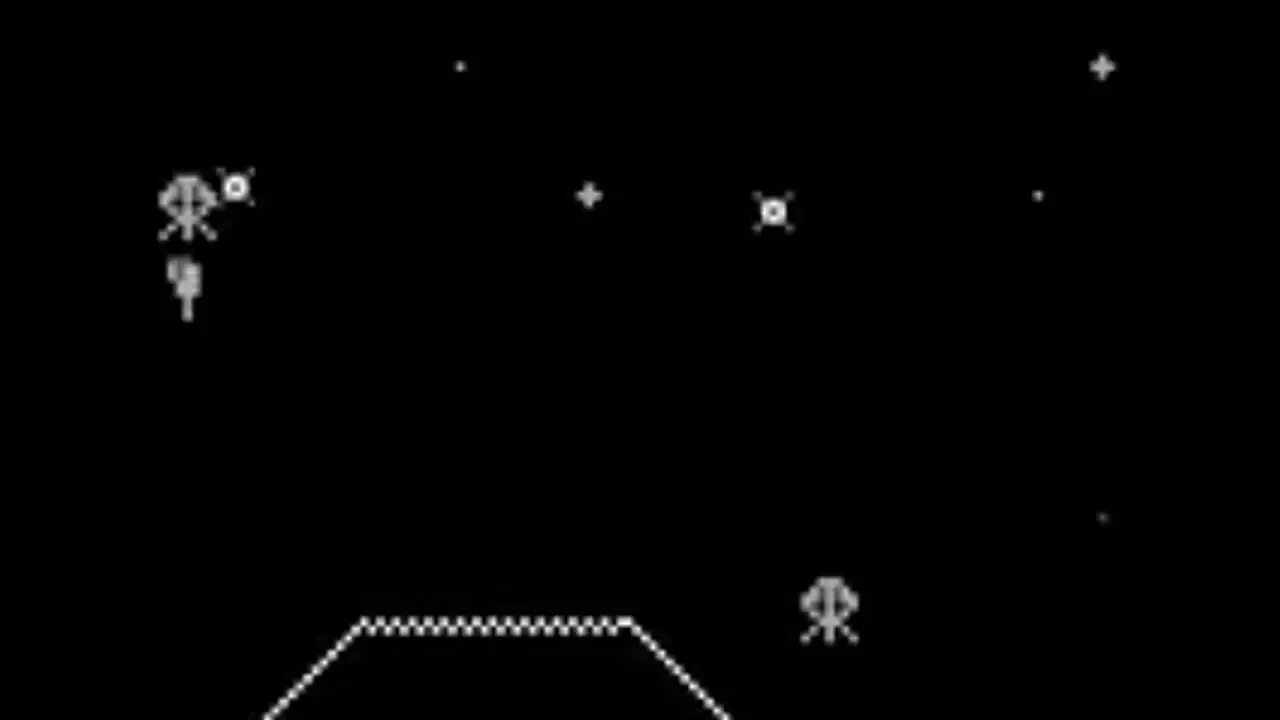
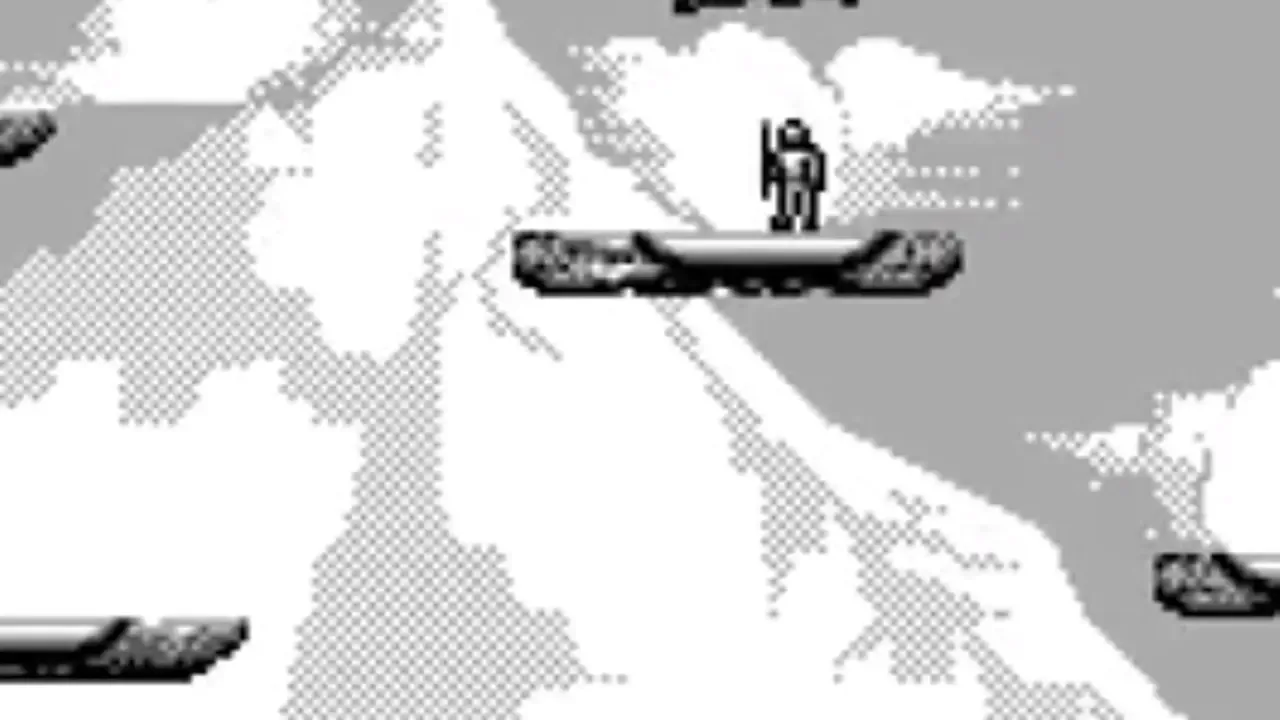
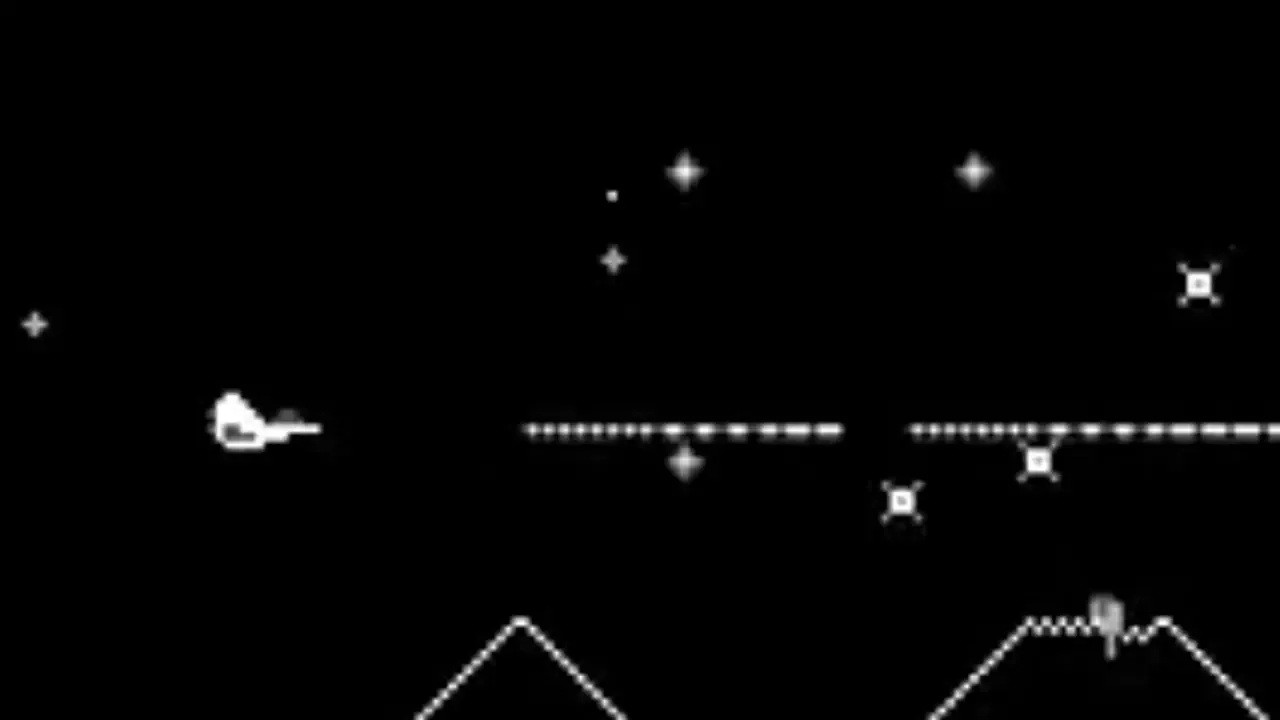
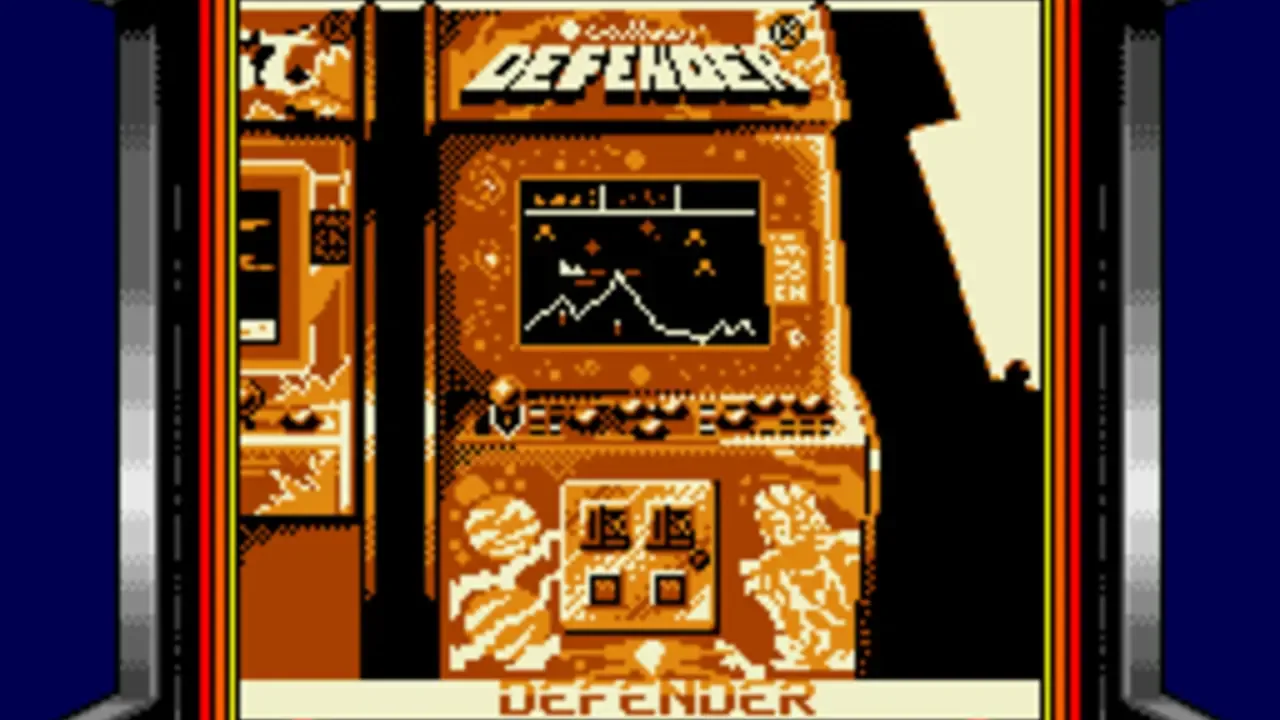
A compilation and port of the classic arcade titles. The games can also be played on the Super Game Boy Peripheral and has altered graphics from the original versions. It does not feature the ability to use the Link Cable, but does have an option for two friends to take turns for each game.
Could be interesting
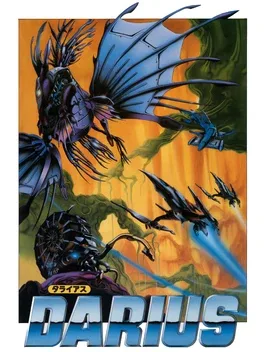
Darius is a two-dimensional horizontally scrolling shoot 'em up set in a fictional future. Uniquely among shoot 'em ups, the game's screen is three times wider than conventional size, and the arcade cabinet uses an arrangement of three screens to accommodate it. The player controls an ornate fighter spacecraft, named the Silver Hawk, and must navigate through scrolling terrain while battling a variety of fighter craft, ground vehicles, turrets, and other obstacles throughout the game's stages (referred to as zones in the game). The ship's arsenal consists of forward-firing missiles, aerial bombs and a protective force field, all of which can be upgraded by power-ups (in the form of large, colored orbs) that are dropped by specially-colored enemies throughout the game's zones. When the player reaches the end of a zone, a boss appears, which must be defeated to proceed. Once the boss of a zone is destroyed, the player is given a choice of which zone to play next via a branching path. While there are 28 zones in total, only seven can be played in a single run. A Sega Mega Drive port was produced in 2019 that is pre-installed in the Mega Drive Mini as a bonus game.
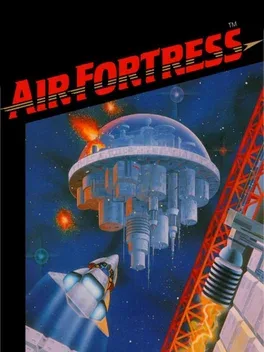
Air Fortress is a video game published in Japan for the Nintendo Entertainment System released in Japan in 1987 and later in North America in 1989. Only a total of 385 copies of the game were shipped to the United States in 1987, and it is believed that only 20 were shipped beforehand as a test run for the system. Within PAL-A regions, it was only released in Australia. This makes the American version of the game very rare.
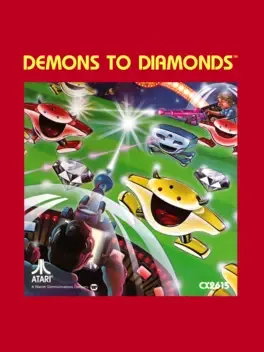
Players attempt to shoot demons in a "cosmic carnival" and then pick up the diamonds left behind by them, while dodging shots from enemy skulls. The player operates a laser base at the bottom of a multi-row playfield, using the paddle controller to move it from side to side and the controller's action button to fire a laser beam vertically up the playfield. The player can control how far onto the playfield the beam advances by releasing the button at the desired height. The player receives one point for each demon and ten points for each diamond successfully shot. Points are multiplied by the distance from the base to the target. For example, a demon shot one row above the player is worth one point, while a demon shot four rows above the player is worth four points. In multiplayer mode, the second player operates a laser base at the top of the screen, firing from top to bottom. Again, the second player must shoot demons that match the color of its gun in order to produce diamonds. However, diamonds may be shot by either player. Also, skulls are capable of shooting both up and down the playfield. In select variations of the game, the players can shoot their opponent's laser gun in order to deplete their stock of extra lives. In both single and multiplayer versions, players begin with five lives. One life is lost when the player's laser base is hit by a laser beam fired by a skull or by an opponent, depending on the game variation being played. The game ends when all lives are lost; in multiplayer versions, the surviving player receives a bonus for each life remaining.
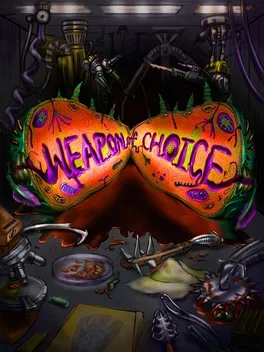
Weapon of Choice is a high-energy, side-scroller in which each playable character is unique with their own special weapon and abilities! Blast insane aliens, find new player characters, and choose between branching paths!
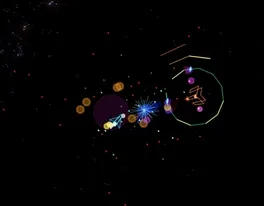
A free web-based version of the 1980 Cinematronics arcade game, Star Castle. Offers a classic mode, designed to play as much like the original Star Castle as possible (i.e., it's really hard!), and a so-called "modern" mode, which is designed to appeal to players who perhaps didn't play the original: it starts off easier, and the difficulty increases in a more progressive fashion. The game supports all mainstream browsers, as well as running on iOS and Android devices.

A Type-to-shoot Space Shoot'em'up. Type in the words above the spaceships to destroy them. The fewer spelling mistakes you make the higher the score.
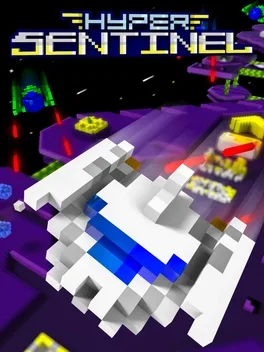
Hyper Sentinel is a pure shot of pixel-perfect nostalgia, fusing iconic shooter gameplay with contemporary systems and mechanics; repackaging the sights, sounds and feel of the arcade to deliver the ultimate neo-retro experience.
Space shooter game inspired by Space Invaders and Galaga.
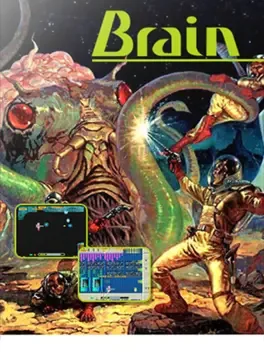
This is a side-scrolling shoot-'em-up, in the style of Gradius. You play as a helicopter gunship, and when you enter a building as a spaceman(who can shoot in eight directions). Interestingly, you can manually scroll up and down as the game scrolls right, but cannot scroll backwards. Destroyed enemies leave power-ups (improving your firepower), smart-bombs which trigger on collecting them, and floppy disks which you must collect to win the game. Another factor is your oxygen level, which shows as an air meter at the bottom (you can gain more air through each stage). There are end-of-level bosses.
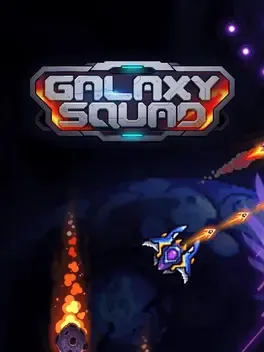
Galaxy Squad: Airplane Games Tired of playing traditional arcade space shooting game? Let Galaxy Squad bring you a new space shooting experience! Alien swarms attack are approaching, and it is your mission to protect the entire galaxy at this moment. In order to protect the earth from being attacked by enemies, you must save the universe from vicious enemies.