
Arkanoid


Parent game
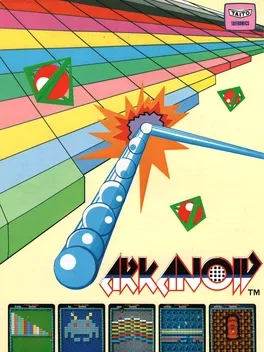
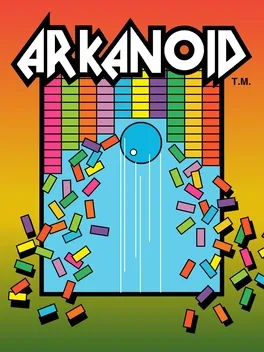
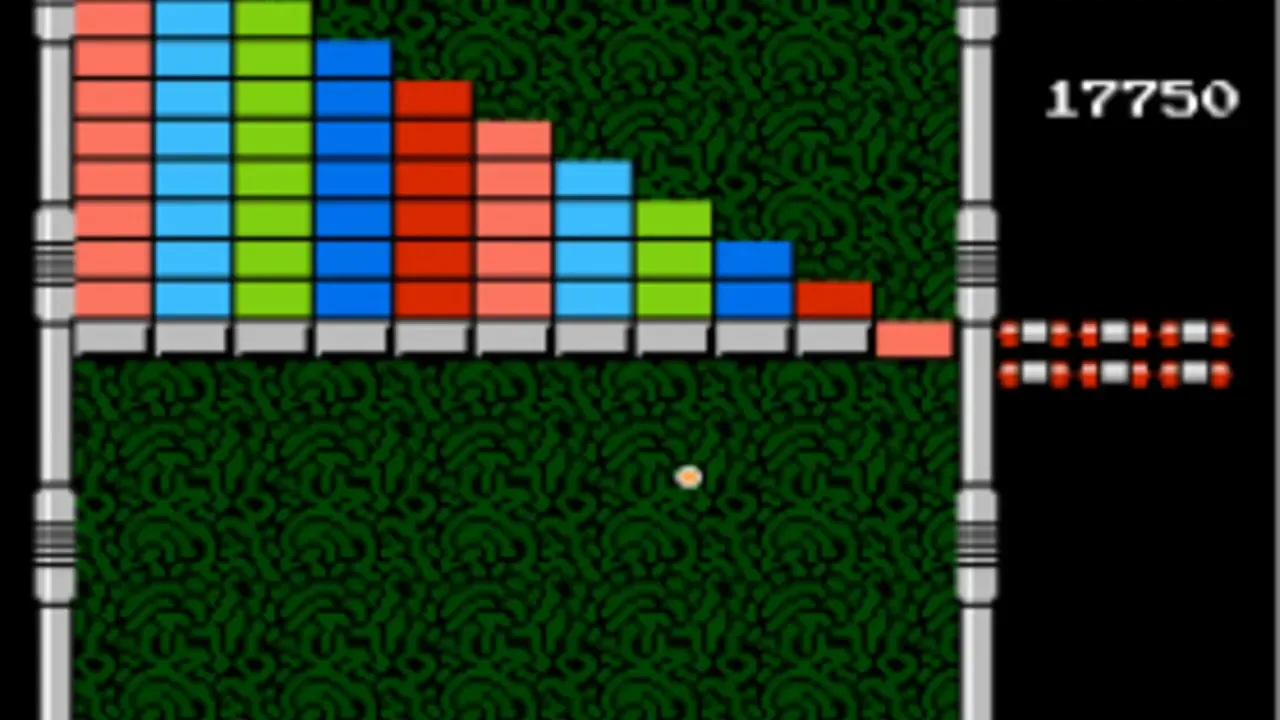
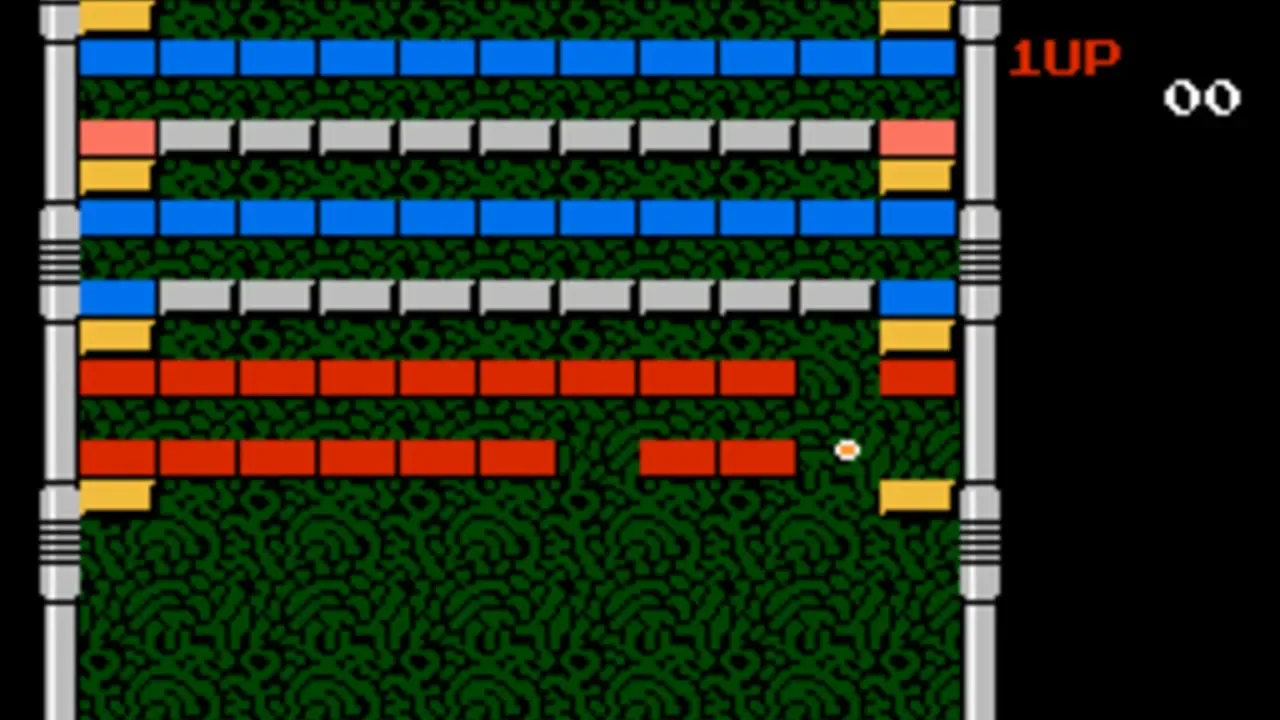
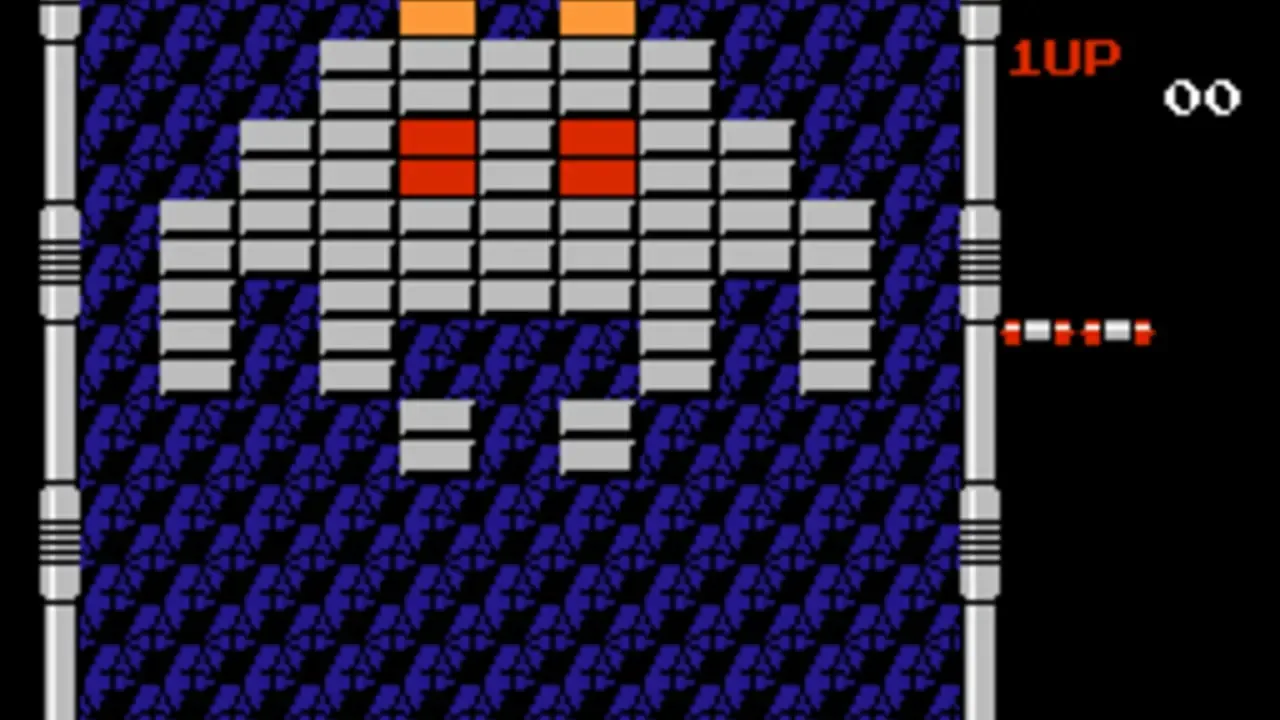
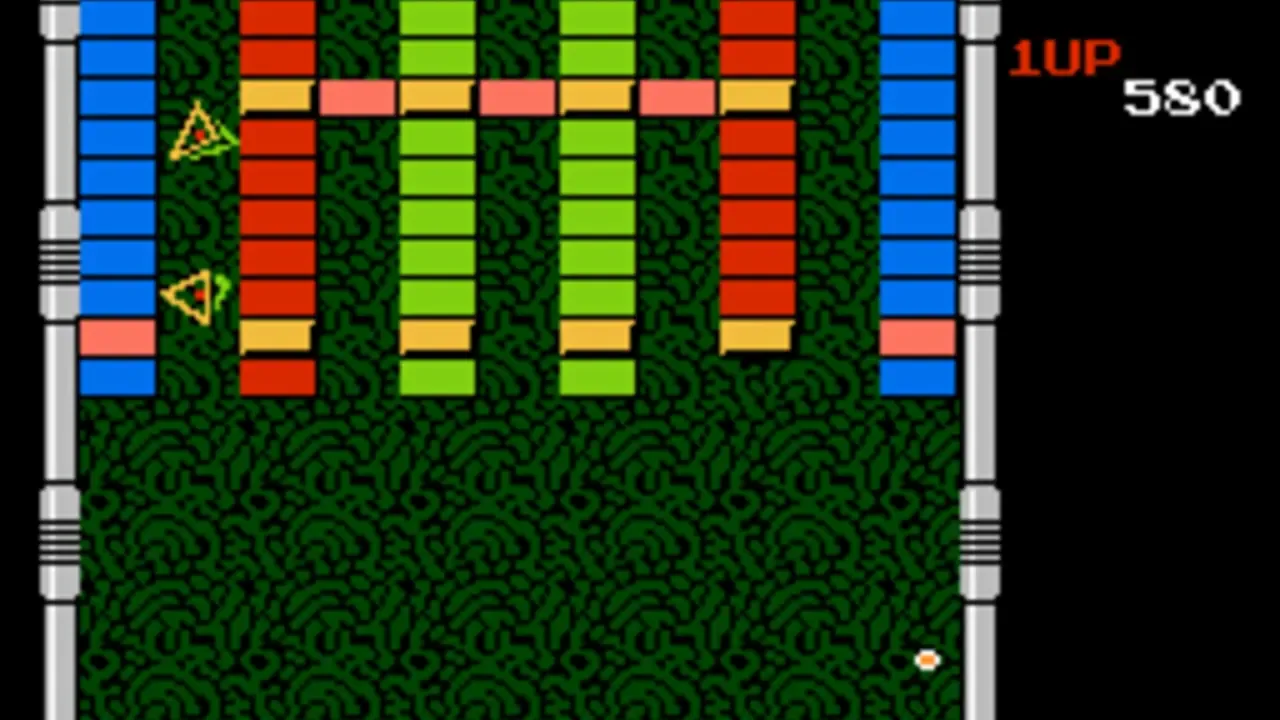
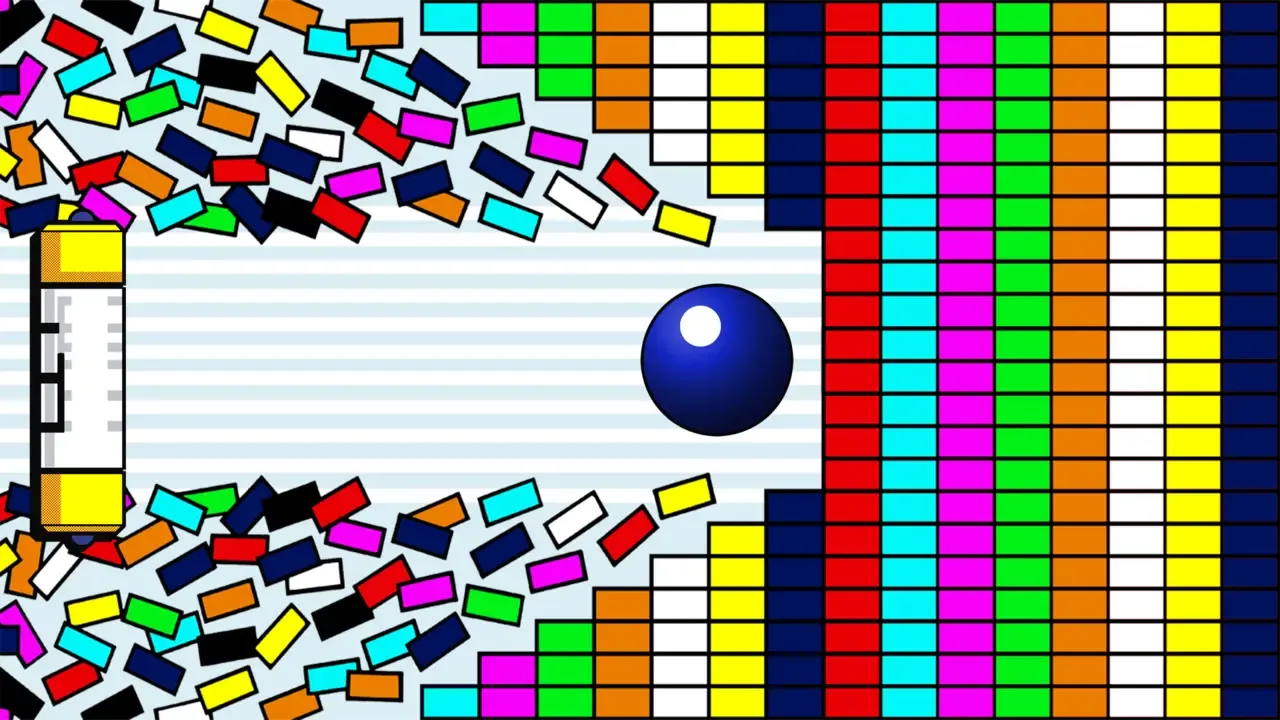
Arkanoid is an arcade game developed by Taito in 1986. It expanded upon Atari's Breakout games of the 1970s by adding power-ups, different types of bricks, and a variety of level layouts. The title refers to a doomed "mothership" from which the player's ship, the Vaus, escapes.
Part of collection:
Arkanoid
(last 3 games)
Two of Taito's most beloved arcade classics combine with cameos from their other releases to produce one frantic title.
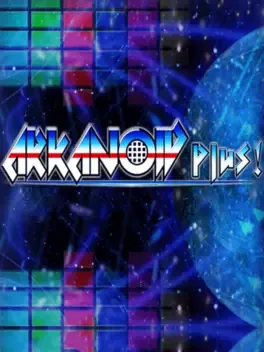
Relive the old school days of Arkanoid… ARKANOID Plus! is an updated version of the original arcade blockbuster. Players must destroy colored blocks by guiding an Energy Ball around the screen using a spaceship called a VAUS. The game features a host of new modes and settings which radically alter the gameplay experience: "Arcade Mode" consists of 61 Rounds divided into left and right versions with two types of boss characters appearing in the last Round; "VS Mode" lets players face off against a friend or the CPU; and the unfailingly frantic "Time Mode" challenges players to clear Rounds within a strict time limit. Factor in the subtle differences arising from the choice of “Lives” or “Barrier” rules, along with a plethora of exciting items, and it’s clear you’re in for hours and hours of blockbusting fun!
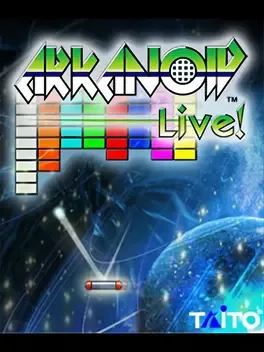
First appearing in the 1980’s as a new style block-breaking game, ARKANOID, appears on Xbox LIVE Arcade having accomplished even further evolution. Enjoy Arkanoid in high-definition with beautifully choreographed background movies and background music. Loaded with 120 stages in all and colorful cooperative and versus modes.
Could be interesting
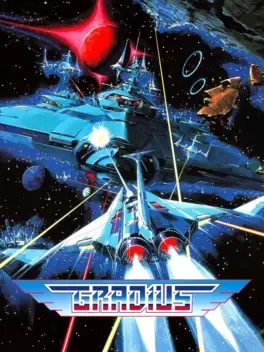
One of the defining characteristics of the Gradius series is the use of a "power meter." The power meter is powered by a power-up item, whose purpose, when collected, is to move a highlight to the next power-up on the power meter. When a power-up that the player wants becomes highlighted, he or she may activate it, also causing the highlight to reset.
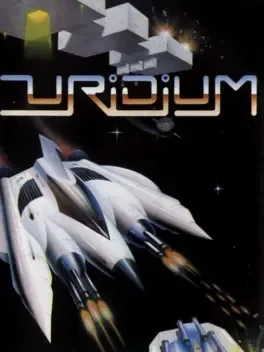
Uridium (released on the NES as The Last Starfighter) is a science fiction side-scrolling shoot 'em up originally designed by Andrew Braybrook for the Commodore 64, and later ported to other 8-bit machines. It consists of fifteen levels, each named after a metal element, with the last level being called Uridium (a fictional metallic element, not to be confused with the real metallic element iridium). The manual quotes Robert Orchard, who invented the name as saying "I really thought it existed".

Risky Rescue is a demanding arcade game with flat design graphics and innovative controls. Fly a helicopter and do dangerous missions rescuing people.
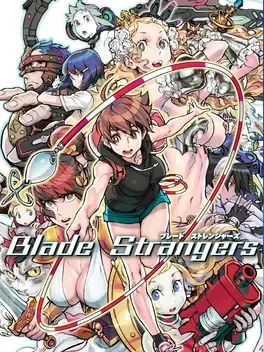
Developed by Studio Saizensen, Blade Strangers is a hardcore old-school fighting game. The streamlined four-button control scheme makes it easy for beginners to deal out damage from day one…but the intricate combos, counters and specials give tournament-caliber players plenty of opportunities for frame counting, chain construction and hit-box science.
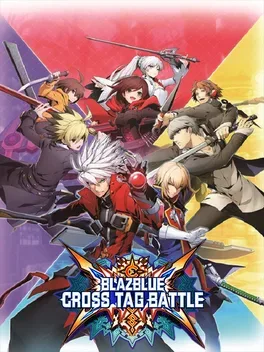
"THE COLLISION IS INEVITABLE! THE IMPACT WILL BE UNAVOIDABLE! An unrivaled clash of explosive proportions! The beloved BlazBlue franchise Crosses universes, Tags in fan favorites, and Battles it out in BlazBlue: Cross Tag Battle! Created through an all-star collaboration between BlazBlue, Atlus’ Persona, French Bread’s Under Night In-Birth, and Rooster Teeth’s hugely popular RWBY web series, Cross Tag Battle celebrates the fighting genre for pros and newcomers alike! Choose your team in fast paced 2v2 team battles filled with the craziness you’ve come to love from BlazBlue, with all the tight mechanics, smooth gameplay, and gorgeous 2D graphics you expect from Arc System Works."

Team Sonic Racing combines the best elements of arcade and fast-paced competitive style racing as you face-off with friends in intense multiplayer racing.
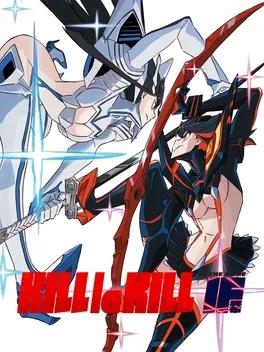
You control Satsuki Kiryuin as the main protagonist of this game and proceed along with the story while battling against various characters. All scenarios are completely new and fully supervised under the watchful eyes of the original scenario-writer, Kazuki Nakashima. You will be experiencing the story unfold from the perspective of Satsuki Kiryuin, the rival of the original series' protagonist Ryuko.
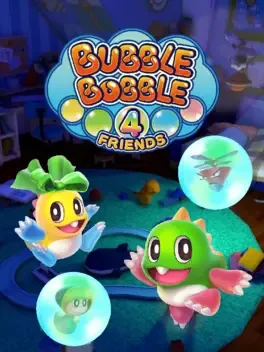
After more than 10 years, Nintendo Switch players can look forward to a sequel of the cult 80's game series Bubble Bobble by TAITO. The new Bubble Bobble 4 Friends was developed by the original studio TAITO Corporation and will include a brand new local 4-player mode. As in the previous highly popular series, the thrilling and epic bubble fight starts again!
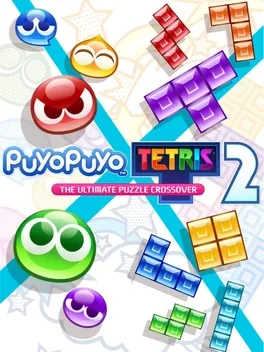
Stack, chain, and combo your way to victory in the ultimate matching of two puzzle game legends! Pre-order now and get ready to traverse dimensions and experience brand new worlds in time for the holidays, with the PC release fast-dropping onto Steam in early 2021. In Puyo Puyo Tetris 2, players will experience a brand-new hilarious story filled with an eclectic cast of characters in Adventure mode and develop new strategies for play utilizing special item cards in Skill Battle. Read on for more! Boost your strategy and power your team in Puyo Puyo Tetris 2‘s brand-new Skill Battle mode with this pack of eight in-game rare Item Cards–including three special cards featuring items from the Sonic the Hedgehog series! This pack is exclusive to the Puyo Puyo Tetris 2 Launch Edition. More Legendary Battles? YIP-YIP-YIP! Perfectly blending the complementary gameplay of Puyo Puyo, one of Japan’s most enduring and popular game brands, and Tetris, one of the most well-known video game franchises in the world, Puyo Puyo Tetris 2 provides a unique crossover experience with addictive puzzle challenges, loads of content, and overflowing charm for players of all ages. Expanding on the addictive gameplay of its predecessor, Puyo Puyo Tetris 2 is packed with fun, new modes where players can precisely pop Puyos and tactically rotate and clear Tetriminos solo or with friends, offline and online!
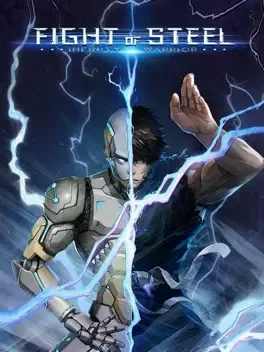
Fight of Steel: Infinity Warrior is a new fighting game with ultimate freedom. Players will have the opportunity to customize their own fighter from the appearance to fighting moves.