


Buy
Part of collection:
Cosmo Gang
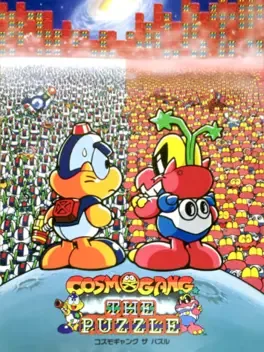
Cosmo Gang the Puzzle, a puzzle game which is similar to Tetris, and became the basis for Pac-Attack.
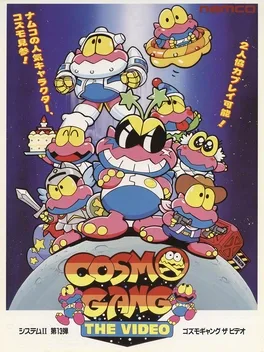
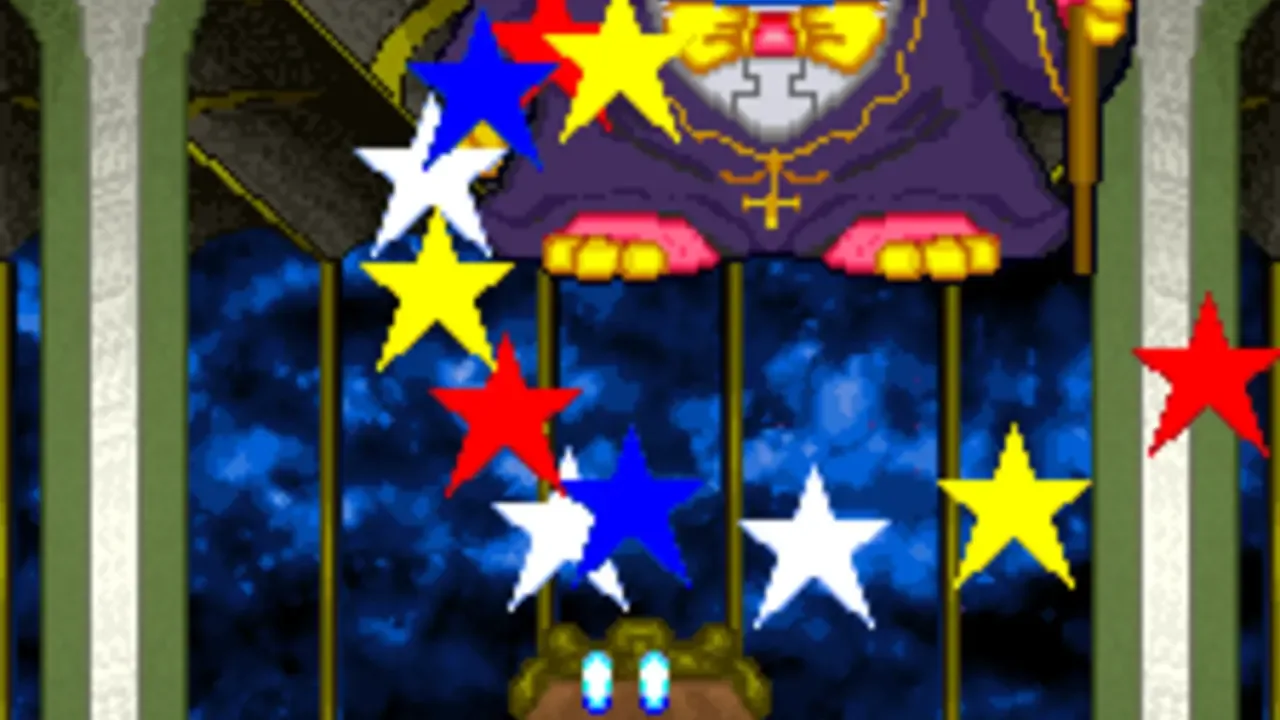
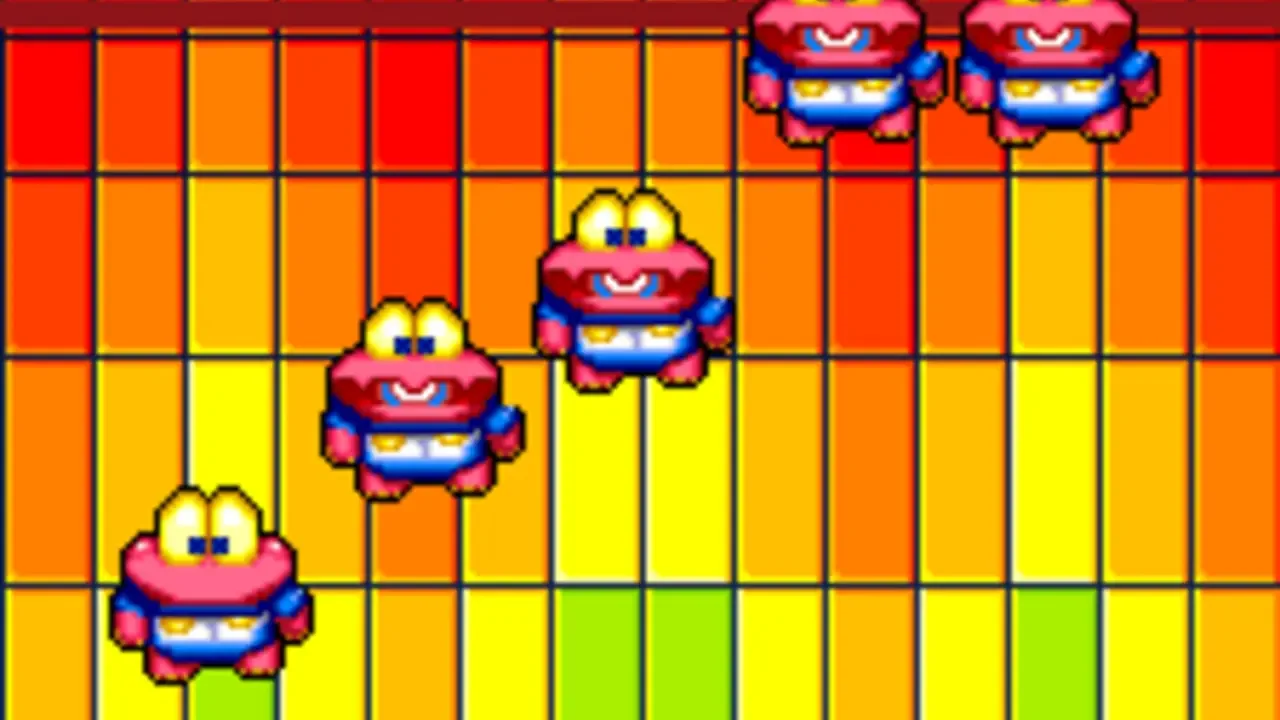
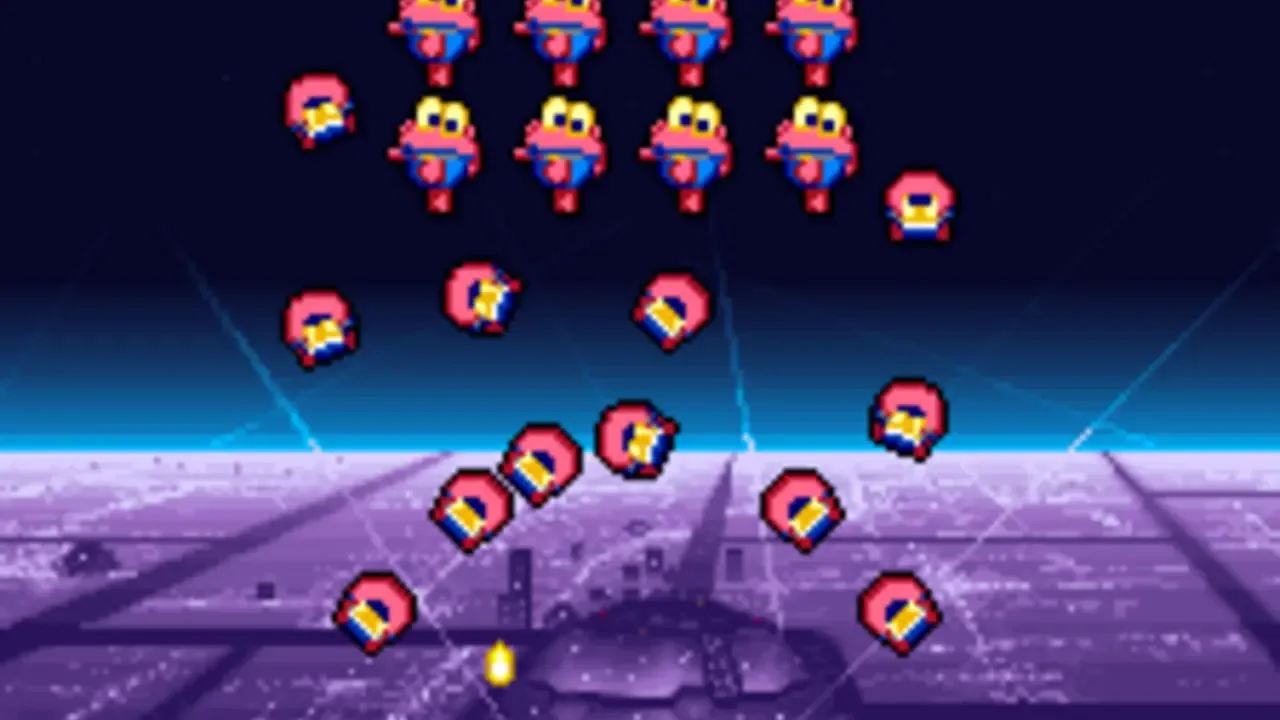
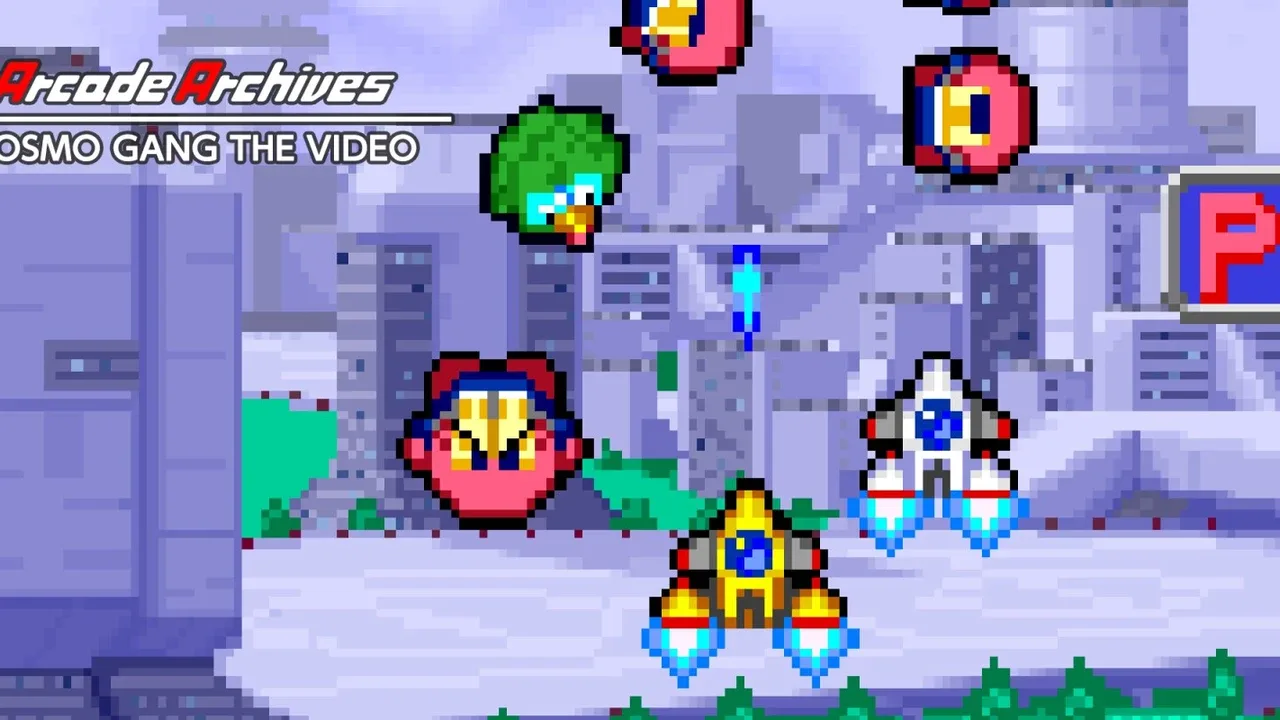
Cosmo Gang the Video is a fixed shooter arcade game based on the redemption game Cosmo Gang.
Could be interesting
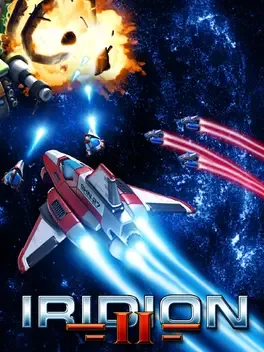
Be the new saviour as the Iridion force strikes back! A century has passed since the Iridion Empire was defeated. Humans have populated the old Iridion galaxy giving mankind freedom and peace. Suddenly, all communications with the human outposts are lost. The Iridions are back! Planet Earth is too far away to offer help. The only chance? A lone powerful spaceship...Yours!
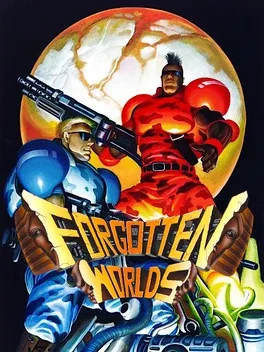
Forgotten Worlds can be played by up to two players simultaneously. The player controls a flying muscle-bound soldier armed with a rifle with unlimited ammo. The Player 1 character is equipped with a long-range automatic rifle, while Player 2 has a short-range wide shot. The controls in the original coin-op version consists of an eight-way joystick for moving the character in the air while flying and a unique rotatable button known as the "roll switch".Rotating the switch left or right allows the player to adjust their character's aim in one of sixteen directions, while pressing it causes the player character to shoot his gun. This allows for the player to move their character anywhere while keeping their aim in one direction. Pressing the switch rapidly will cause the character to perform a "megacrush" attack will destroy all on-screen enemies, but at the expense of a portion of their vitality gauge. The player character is accompanied by a satellite module orbiting near him that will provide backup firepower every time the player fires their gun. Like the main character, the satellite can also be rotated with the roll switch. Rotating the character while firing will only rotate the aim of the satellite, while rotating the character without firing will not only rotate the satellite's aim, it will also move its relative position around the player. The player can obtain blue-colored coins known as "zennies" from defeating enemies throughout the game. The zennies are used as currency to obtain new power-up items from shops located at certain points in each stage. When the player enters an item shop, they are given a choice of the items available and a limited time to make any purchase they wish. These items consists primarily of new weapons for the satellite module, but also includes a health kit to restore lost vitality, an armor that allows the player to sustain additional damage, and even tips on how to defeat the boss awaiting at the end of the current stage. Forgotten Worlds consists of five stages with a total of eight bosses. The player will lose if their vitality gauge runs out, but will be given a chance to continue.
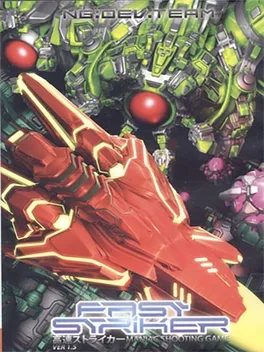
Fast Striker is a Shoot-'Em-Up game, developed and published by NG:DEV.TEAM, which was released in Japan in 2012D arcade shooting game with emphasis on scoring originally developed for NEO·GEO. The game lets the player choose between 3 game modes with different scoring systems. Novice Mode for beginners, Original Mode for classic Shoot’ em Up players and Maniac for very experienced players. It features six stages of excellent 2D arcade game play with over 40 unique enemy types, super smooth 3D scrolling backgrounds, huge CGI bosses and it features the biggest megabit count ever since the beginning of NEO·GEO games0.
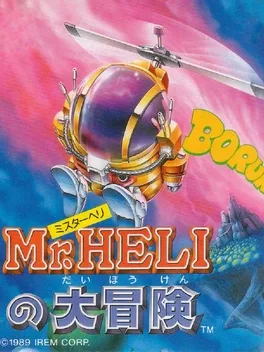
It is your mission, 'Mr. Heli' our hero, to unmask 'The Muddy' who is hiding deep underground and rescue the planet. Clear all the zones including floating green islands, moving rock beds, mysterious underground temples, and much more! The exhilarating air battle and stunning graphics capture the true character of the arcade machine. Play sharp, steer right, keep up with the fight!
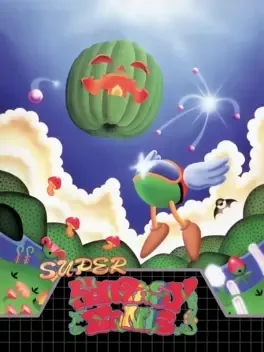
Super Fantasy Zone is an entry in the Fantasy Zone series of games, and was initially released in 1992 for the Sega Mega Drive. Unlike previous outings, Super Fantasy Zone was handled entirely by Sunsoft (under license from Sega), who had previously brought Fantasy Zone and Fantasy Zone II to the Nintendo Famicom. For unknown reasons the game was not released in cartridge form in North America, but is currently unconfirmed as being a Sega Channel title. It eventually saw a more widespread release as part of the Wii's Virtual Console service.
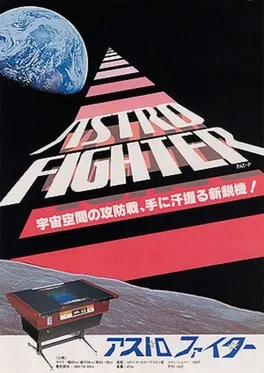
The game of Astro Fighter consists of 4 waves and a refueling stage, which are then repeated with increasingly higher difficulty. The player's task is to eliminate the four successive waves of different types of attacking craft, while avoiding being hit by missiles and bombs, and then refuel by shooting the 'GS' ship before repeating the process. The player starts with 3 lives and receives a bonus life on reaching a score of 5000. 300 bonus points are received for shooting each 6 falling bombs and for 950 for hitting the GS ship accurately on the first shot. A very large bonus of 10,000 is given for getting through 4 waves and refueling by using exactly 2 shots more than the minimum needed. As the higher levels of Astro Fighter are difficult to survive consistently, even for the best players, the highest scores have been achieved by the achieving the 10,000 bonus deliberately.
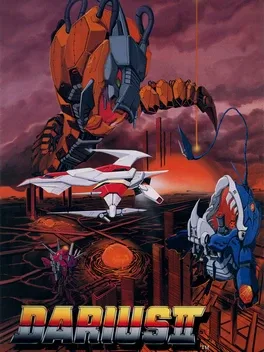
Darius II is a 1989 arcade video game developed by Taito. It is the direct sequel to the 1987 Darius. It was later released as Sagaia in Japan in 1991 for the Game Boy as well as non-Japanese ports. A remake was released for the PC Engine Super CD-ROM as Super Darius II in 1993. A Mega Drive conversion was released in Japan in 1990; it was later released for the Genesis in the United States and Brazil in 1991, where it was renamed Sagaia. Changes include a boss rush mode (via a code) and various modifications to levels and mechanics, such as the boss Steel Spine being moved to another level and the boss Killer Higia being replaced with a similar creation called Nehonojia. This conversion does not support two players, so the ability to choose between Proco Jr. and Tiat Young was added; Proco plays like normal, while Tiat starts every life off with one power level to every weapon. A Master System conversion, developed by Natsume, was released in Europe and Brazil in 1992, also titled Sagaia. It is somewhat based on the Mega Drive port, and while Tiat Young and her abilities are still present (though even more limited), many zones (and thus bosses) have been completely removed. The Super CD-ROM version features an entirely new set of bosses, major changes to levels, and a fully arranged soundtrack including new songs.
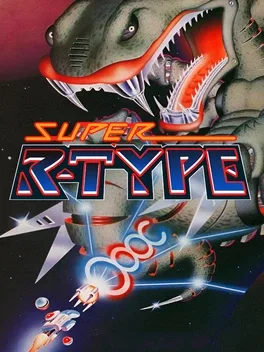
In this SNES sequel to the arcade R-Type shooters, you are the R-9, Earth's most advanced form of defense against the evil BYDO Empire. There are seven stages you must go through, picking up power-up items to defeat the stage bosses which have returned from the arcade versions of R-Type and R-Type II. Your R-9 ship can also be united with FORCE, which are invincible units that surround your ship to protect you and can also power up and attack.
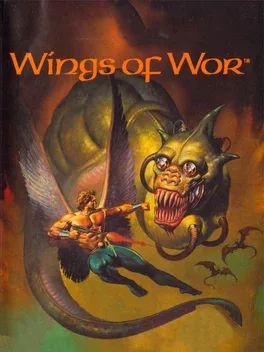
Gynoug, known in North America as Wings of Wor, is a 1991 scrolling shooter video game developed by Masaya and published by NCS Corporation for the Sega Genesis. The game was released in North America and Europe in 1991 and in Japan on January 25, 1991, and re-released on the Wii Virtual Console exclusively in Japan on May 20, 2008.
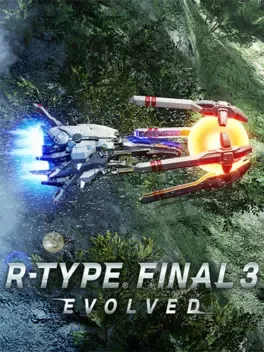
R-Type Final 3 Evolved serves simultaneously as a sequel to R-Type Final 2, offering a whole new 7-stage campaign made in the engine of Final 2, whilst also serving as a compilation of most of content released for R-Type Final 2. Additional features such as R-Park, an online area where one can interact with other players.