
Dungeon Keeper: The Deeper Dungeons


Buy
Parent game
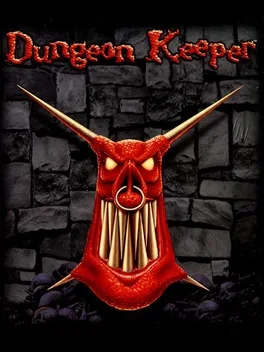
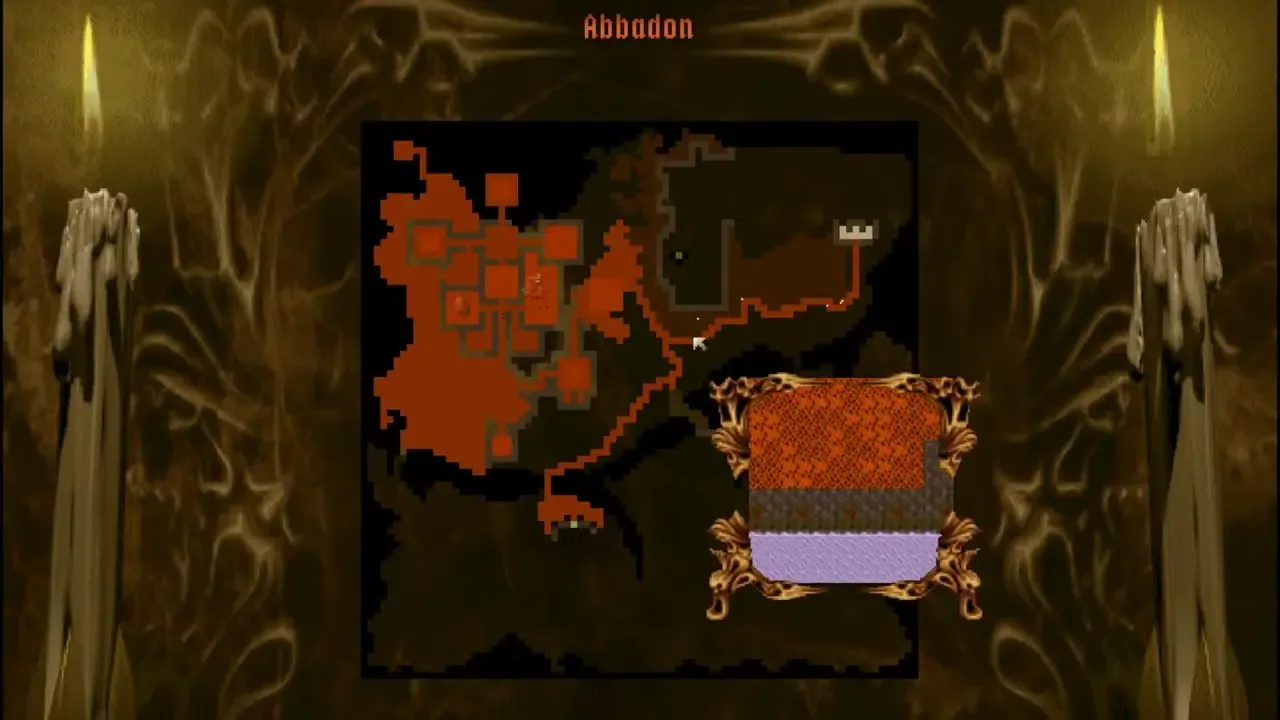
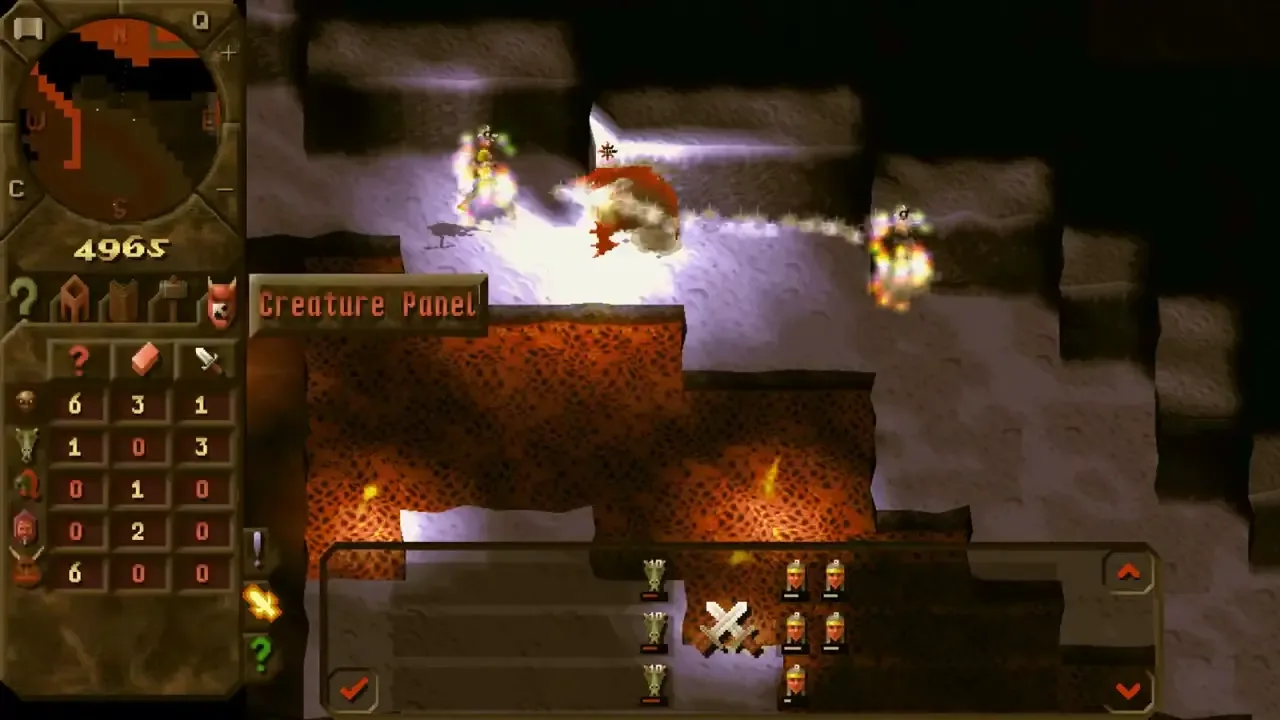
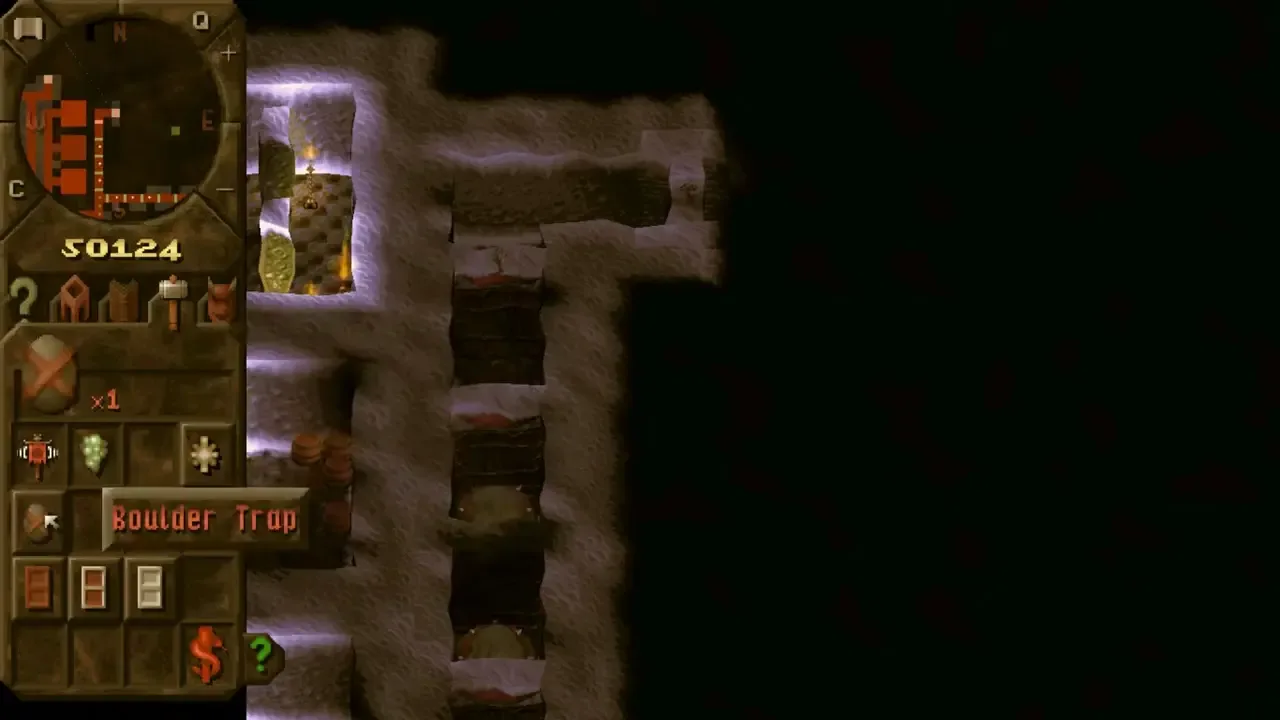
Dungeon Keeper is a strategy video game in which the player attempts to build and manage a dungeon or lair while protecting it from invading 'hero' characters intent on stealing the player's accumulated treasures and killing various monsters. This was Peter Molyneux's final project with Bullfrog before he left the company in August 1997 to form Lionhead Studios. The player uses a mouse, represented in-game as a hand, to interact with a bar on the left-hand side of the screen, allowing them to select which rooms to build and which spells to cast. The player can also use the hand to pick up creatures and objects in the dungeon and carry them around, allowing for tactics such as gathering an assault force and dropping off the creatures en masse once a foothold has been established. The hand also allows the player to "slap" objects and thereby interact with them: creatures will hurry up when slapped, some traps will be triggered and prisoners in the Torture Chamber can be tortured. The main game view is in isometric perspective; this view can be zoomed and rotated. The player also has the option of possessing one of their creatures, and seeing the dungeon from that creature's first-person perspective, as well as using their attacks and abilities. The map is divided into a grid of rectangles, most of which are invisible. A smaller part of the map is shown as a minimap in the top left corner of the screen. A world map is also available, and at the beginning of the game the player is allocated one of the 20 regions of a fictional, idyllic country to destroy. As the player progresses through these regions, each of which represents a level of the game, the areas previously conquered will appear ransacked, twisted, and evil. Before starting a new level, the Mentor will tell the player about the current region and its attributes. After completing a level, the Mentor will talk about the "improvement" of the destroyed region: "The streets run with the blood of the slain. Screams of pain and howls of anguish rip the night air like a vengeful siren's song. This really is somewhere you can take the kids for the weekend." The Dungeon Heart represents the Dungeon Keeper's own link to the world. If it is destroyed, the player loses the level, and must restart. Along with the heart, the player begins with a small number of imps, the generic work force for all dungeon activities: they can dig tunnels into the surrounding soil, capture enemy rooms and Portals, mine gold and gems, set traps, and even attack when desperate or threatened. Slapping creatures forces them to work faster for a while, but removes some of their health and happiness. Once the Imps are busily working, the player must then set up a basic infrastructure: Lairs for monsters, a Hatchery (where chickens, which serve as food for the minions, are bred), and a Treasury for storing gold. After connecting the dungeon to a "Portal", monsters will arrive. As the game progresses, the player moves along a technology tree, unlocking further rooms. The dungeon has a fleshed-out ecology: some creatures are natural enemies. Flies and Spiders are often found at odds with one another, while a Horned Reaper, if it has gone berserk, will attack all creatures in its path. The goals for each level are fairly straightforward: they generally fall along the lines of eliminating the heroic force or destroying all other Dungeon Keepers on the level.
Part of collection:
Dungeon Keeper
(last 3 games)
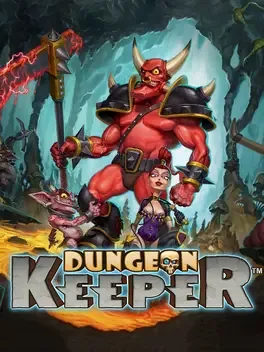
Devilishly smart. Deploy wicked tactics and dominate your enemies! Build the ultimate underground lair and summon diabolical forces to do your bidding. It’s tower defense…without the tower…and a lot more offensive!
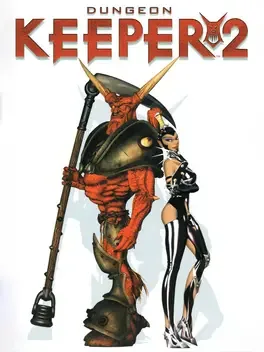
Like its predecessor, players take the role of a dungeon keeper, building and defending an underground dungeon from the would-be heroes that invade it, as well as from other keepers. In the game's campaign mode, the player is charged with recovering the portal gems from each area in order to open a portal to the surface.
Includes Dungeon Keeper and the Deeper Dungeons expansion. Being the Dungeon Keeper and all, this is your home, too. And it’s your business to take these loathsome creatures of darkness and hone them into screaming, frothing, clawing forces of destruction. You lure them in with food and the promise of dank and fetid places to sleep. You keep them in line with the back of your hand and the threat of dire consequences. You pit their scaly hides against the best that the Forces of Good can muster, and they die for you as they rip steaming entrails out of the hapless heroes.
Could be interesting
Dungeon Keeper is a strategy video game in which the player attempts to build and manage a dungeon or lair while protecting it from invading 'hero' characters intent on stealing the player's accumulated treasures and killing various monsters. This was Peter Molyneux's final project with Bullfrog before he left the company in August 1997 to form Lionhead Studios. The player uses a mouse, represented in-game as a hand, to interact with a bar on the left-hand side of the screen, allowing them to select which rooms to build and which spells to cast. The player can also use the hand to pick up creatures and objects in the dungeon and carry them around, allowing for tactics such as gathering an assault force and dropping off the creatures en masse once a foothold has been established. The hand also allows the player to "slap" objects and thereby interact with them: creatures will hurry up when slapped, some traps will be triggered and prisoners in the Torture Chamber can be tortured. The main game view is in isometric perspective; this view can be zoomed and rotated. The player also has the option of possessing one of their creatures, and seeing the dungeon from that creature's first-person perspective, as well as using their attacks and abilities. The map is divided into a grid of rectangles, most of which are invisible. A smaller part of the map is shown as a minimap in the top left corner of the screen. A world map is also available, and at the beginning of the game the player is allocated one of the 20 regions of a fictional, idyllic country to destroy. As the player progresses through these regions, each of which represents a level of the game, the areas previously conquered will appear ransacked, twisted, and evil. Before starting a new level, the Mentor will tell the player about the current region and its attributes. After completing a level, the Mentor will talk about the "improvement" of the destroyed region: "The streets run with the blood of the slain. Screams of pain and howls of anguish rip the night air like a vengeful siren's song. This really is somewhere you can take the kids for the weekend." The Dungeon Heart represents the Dungeon Keeper's own link to the world. If it is destroyed, the player loses the level, and must restart. Along with the heart, the player begins with a small number of imps, the generic work force for all dungeon activities: they can dig tunnels into the surrounding soil, capture enemy rooms and Portals, mine gold and gems, set traps, and even attack when desperate or threatened. Slapping creatures forces them to work faster for a while, but removes some of their health and happiness. Once the Imps are busily working, the player must then set up a basic infrastructure: Lairs for monsters, a Hatchery (where chickens, which serve as food for the minions, are bred), and a Treasury for storing gold. After connecting the dungeon to a "Portal", monsters will arrive. As the game progresses, the player moves along a technology tree, unlocking further rooms. The dungeon has a fleshed-out ecology: some creatures are natural enemies. Flies and Spiders are often found at odds with one another, while a Horned Reaper, if it has gone berserk, will attack all creatures in its path. The goals for each level are fairly straightforward: they generally fall along the lines of eliminating the heroic force or destroying all other Dungeon Keepers on the level.
Like its predecessor, players take the role of a dungeon keeper, building and defending an underground dungeon from the would-be heroes that invade it, as well as from other keepers. In the game's campaign mode, the player is charged with recovering the portal gems from each area in order to open a portal to the surface.
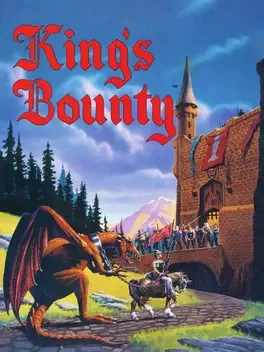
While King Maximus ruled the land, life was good in the four continents. The Sceptre of Order rested safely in his hands, keeping at bay the forces of darkness that infested the world. Children were happy. Merchants prospered. Honest folks made honest livings. And nobody complained much. But far across the waters, Arech Dragonbreath, leader of the Dark Legions, looked enviously upon the wealth and splendor of the four continents. With the aid of great magic, Arech stole into the chambers of King Maximus and wrested the Sceptre from the grip of the sleeping King. He then released his evil forces, ordering his minions and lieutenants to seize the land in whatever manner they pleased (as long as it involved considerable amounts of pain and terror). Arech retired to his new lair on the four continents and waited for King Maximus’s certain resistance. The King and his forces, however, offered none. Fearing some kind of trickery, Arech peered into his prophetic crystal to see what Maximus was up to. The crystal showed the King lying in bed, his face pale and gaunt like death itself. Over the King stood a noble young knight with the strength and resolve of great leader. The King was speaking. "Come here" he gasped, "I am weak and breath is a luxury. Please." He extended his hand and the great leader drew close. "You must restore my kingdom. I, too, must be restored. I am tied to this land and as it dies, so do I. My days here are numbered. You must recover the Sceptre if I and my land are to live."Arech watched this exchange and quickly buried the Sceptre somewhere on the four continents. He draw a map of its location, then shredded it into 25 pieces. He gave one to each of his 16 villainous nobles, kept one for himself, and the other eight he hid with powerful artifacts around the four continents. Your time grows short, leader. You have your quest and King Maximus’s last hope. May you be guarded in your journey by the Spirits of Order. Good luck!
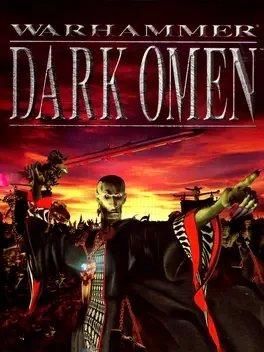
This sequel to Warhammer: Shadow Of The Horned Rat is an overhead role playing game in which you play Morgan Bernhardt. The game consists of a series of battles where you view the battle from overhead via a rotatable view. You go through the game managing your army, deciding whether to fight in optional battles, and advancing through a deep and engrossing storyline via a series of conversations played out by talking portraits.
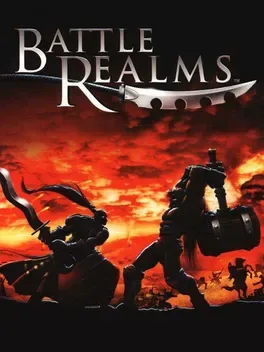
Kenji, exiled heir to the Dragon throne, must stake his claim in a chaotic world wracked by the subversive intrigues of the Serpent, Wolf, and Lotus clans. Shall he vanquish the land under a campaign of malevolence and terror or restore the war-torn realm to its former glory? Enter Battle Realms and choose your destiny. Explore the history that led up to the events in Battle Realms in Battle Realms: Winter of the White Wolf. Scattered and unorganized, your enslaved Wolf brethren hunger for revolt against their corrupt Lotus Clan masters. You must unite them. You must lead them. You must free them. Battle Realms is fantasy real-time strategy game inspired by the stories told in kung-fu movies and oriental mythology. Develop your tiny peasant village into a highly trained and deadly efficient clan of warriors who are ready to die with your name on their lips. Experiment with Unit Alchemy and turn villagers into one-of-a-kind fighters like Samurai Cannoneers, Bandits, Geisha, and scores of other mythical warriors. Defend your people against the hordes of barbarians, evil magicians, and deadly ninjas.
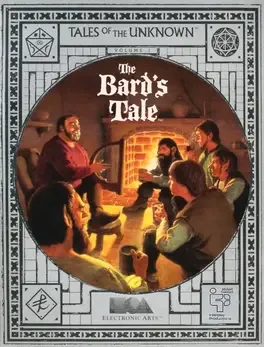
Tales of the Unknown: Volume I, better known as "The Bard's Tale", is an RPG developed by Interplay Productions in 1985 originally for the Apple II. It was quickly ported to numerous other platforms and became widely successful. This was partly because it incorporated unprecedented 3D graphic design, featuring partly animated character portraits and engaging gameplay. It also helped that the game was available on the Commodore 64-the most successful game console at the time, whereas the main competitor-the Ultima series, was not.
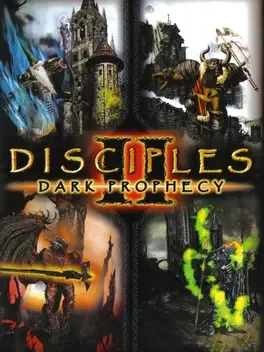
Disciples II is a fantasy strategy game, set in a fictional kingdom called Nevandaar (also referred to as 'The Sacred Lands'). The main focus of the story revolves around four dominant races in a state of almost constant war. These four factions are the human Empire, the dwarven Mountain Clans, the demonic Legions of the Damned, and the skeletal Undead Hordes. There are also several other 'neutral' races such as Merfolk, Greenskins and Elves (the Elves became a full-fledged playable race with the addition of the expansion pack 'Rise of the Elves'). The gameplay is divided into three main parts; building up the Capital City of your race so that you can research new Warriors and spells, and building up new armies (this involves careful resource management); using heroes (leading small squads) to explore the surroundings, procure resources and attack the enemy; and finally the battles themselves.
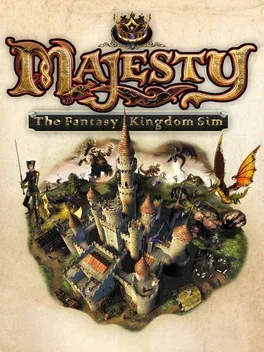
Majesty is a fantasy kingdom simulation game where players build, tax, and manage their kingdom, but the units control themselves.
The game begins with an opening vignette that is determined by the alignment of the party. All of these require the player to start in the town of Hommlet.
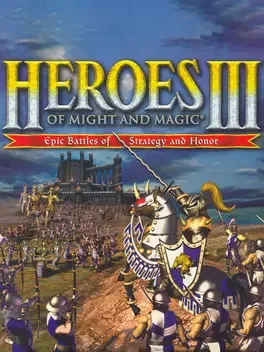
Heroes of Might and Magic III: The Restoration of Erathia is a turn-based strategy game and the third installment of the Heroes of Might and Magic series. The game's story is first referenced throughout Might and Magic VI: The Mandate of Heaven and takes place before Might and Magic VII: For Blood and Honor. The player can choose to play through six different campaigns telling the story, or play in a scenario against computer or human opponents.