
Farland Story: Kamigami no Isan

Buy
Part of collection:
Farland story
(last 3 games)
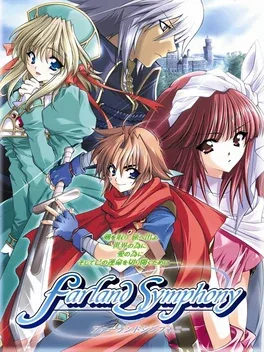
A spin-off title in the Farland Story RPG franchise.
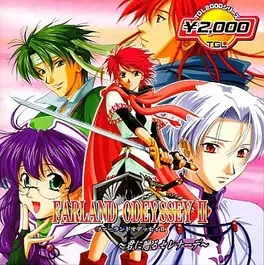
The direct sequel to the original Farland Odyssey by TGL.
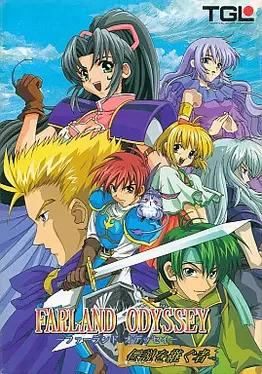
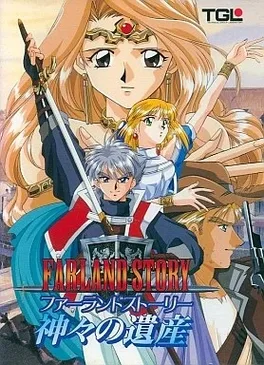
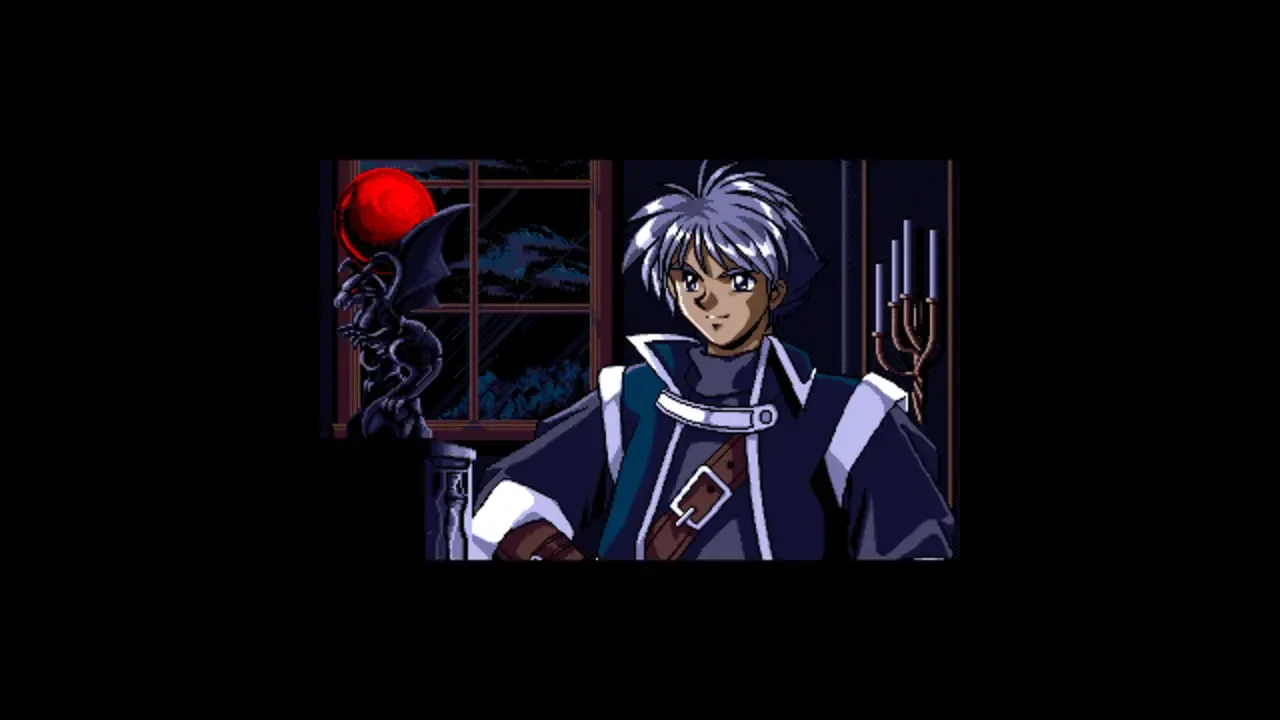
A side-story to the Farland games. An unknown boy named Dyan has stolen a sacred book that was kept in secret for a long time. With the help of this book, it is possible to revive an ancient god, which will bring destruction to the world. You control a group of mercenaries whose task is to find Dyan, bring an end to his plans, and find out his true motives.
Could be interesting
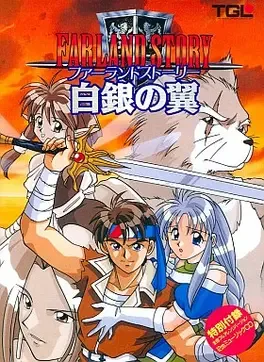
Chronologically the fourth Farland Story game, "Shirogane no Tsubasa" makes a fresh start story-wise, bring the first Farland Story not to deal with the hero Arc and his friends. In this game, you follow the destiny of a rebel group, who had to flee from the evil despot Pepper. Led by the cat-man Darland and the fugitive Phir, the rebels must overcome all possible obstacles in order to put an end to the evil reign and to restore peace in the land. Although the game has a different story, it still looks and plays more or less the same way as the first three Farland Story games. The game consists of strategic battles, during which you navigate your party members in turn-based mode over the map, attacking enemies when they are in range, and casting spells. Various type of terrain influences your attacks. For example, if you position your character on a square with a castle, his/her HP will be healed.
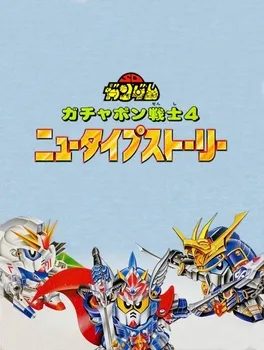
SD Gundam: Gachapon Senshi 4: New Type Story is a Strategy game, developed by TOSE and published by Yutaka, which was released in Japan in 1991.
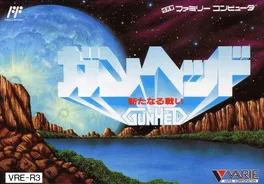
GunHed: Aratanaru Tatakai is a 1990 strategy game for up to four players. It is the second game based on the 1989 sci-fi movie GunHed, the first being Blazing Lazers for the TurboGrafx-16. Aratanaru Tatakai is closer to the movie: the players re-activate GUNHED mech units to defeat the supercomputer Kyron-5 and its enforcer Aerobot. Each player chooses where on 8JO, the island base of Kyron-5, to deploy their GUNHED models, and then fights opponents in real-time combat while collecting robot pieces along the way to build stronger robotic armies. The game culminates with a fight against the powerful Aerobot.
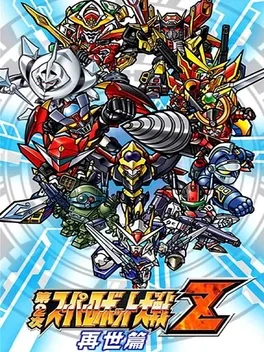
Dai-2-ji Super Robot Taisen Z: Saisei-hen, yet another game in Namco Bandai's Super Robot Wars series, is the immediate sequel to Super Robot Wars Z2: Hakai-hen. Despite its billing as a two-part game, Saise-hen is entirely independent of Hakai-hen. Players will receive a starting bonus in Saise-hen based on how many times they have completed Hakai-hen, along with an extra bonus for playing all of Hakai-hen's scenarios, but unlocked machines and pilots will not transfer. Every series from Hakai-hen returns, with their sequels/second seasons debuting if applicable. Macross 7 makes its Z-series debut, with Dynamite 7 appearing for the first time in any SRW. The only completely new series, Tetsujin 28, is the 1980s incarnation of a robot series that predates even Mazinger.
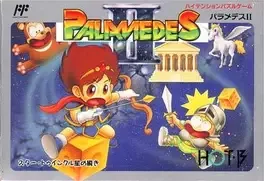
Palamedes II is a puzzle game and, as it sounds, the sequel to an obscure NES puzzler. The object is to throw one of the player’s dice at a die with the same number or one away. When you clear a die, it is added to the player’s poker-like “hand” and the bottom of the screen. When you’ve got a winning hand, you can use it clear multiple lines at once. The game has two modes: Mode 1 is a survival mode and Mode 2 is a screen-clear mode.
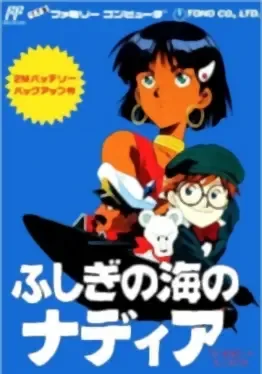
Fushigi no Umi no Nadia is a Strategy game, developed by Advance Communication Company and published by Toho, which was released in Japan in 1991.
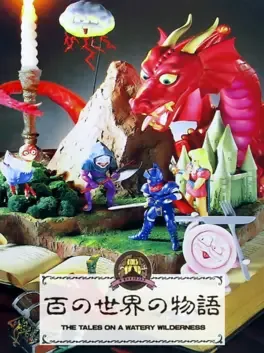
This Famicom title by ASK combines the mechanics of a tabletop board game with the battle style and character progression of a role-playing game to create an interesting hybrid. One to two players can embark on a great adventure to explore the realm of Yukiria and complete quests for its inhabitants, with multiple endings possible!
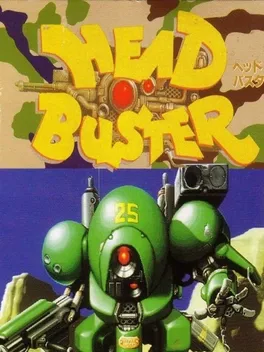
Head Buster is a Game Gear video game that involves robots fighting in combat sequences. The object is to earn more gold by winning matches and spending that money on better weapons like rifles, missile launchers, and flamethrowers. Robots can be traded in for money (gold) if updating them is impossible. At the center of each starting point is a base (circle). Either the base must be destroyed or all the opponent's robots must be destroyed in order to clear the battlefield. There is a certain range to each weapon; opponents cannot be attacked if they are too close or too far away from the weapon's firing range. There are ten different maps in the game. Each level has its own password. Players must deliver newspapers for a tiny stipend in order to resume competing after a loss.
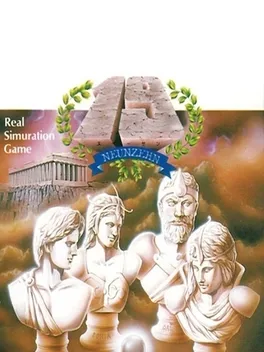
A strategy war game for the Famicom Disk System, released by Soft Pro International. It was never released outside of Japan. The title of 19 is based on the Greek pantheon of Gods, of which there are nineteen. "Neunzehn" is simply the number 19 in German. The player controls one of four heirs with an equal claim to the throne of the Greek hero Achilles. The latter sends the four to procure a magical stone that confers omnipotence to the user, originally left behind by the Greek gods. Through warfare, the player-chosen hero must defeat the armies of their three rivals and claim it for themselves.
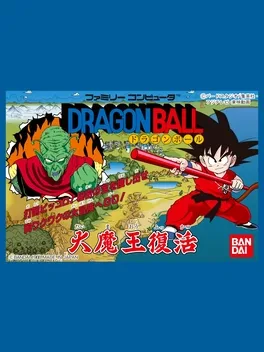
Dragon Ball: Daimaou Fukkatsu is a role playing video game released only in Japan by Bandai on August 12, 1988. It is the second Dragon Ball video game released for the Nintendo Famicom. Daimaō Fukkatsu is the first role playing game based on the Dragon Ball series. Its gameplay was reused in the Goku-den video game series. Daimaou Fukkatsu is also one of the games included in the game compilation J Legend Retsuden for Nintendo 3DS.