
Felicity's Door




Buy
Could be interesting

The party is on, don't let the neighbors stop it!
Techno Motor is a Rhythm / Music game, developed and published by Denshi, which was released in Japan in 1998.
Don’t Skip The Beat is a clean, arcade-style rhythm game where notes fall and you hit Up, Down, Left, and Right in time to the music across five energetic tracks. Learn the patterns, lock into the groove, and rack up points with precise timing—no fluff, just neon vibes, crisp feedback, and the pure satisfaction of nailing the beat. Quick to pick up and replayable by design, it’s all about chasing that better score and proving you won’t skip the beat.
VoltRhythm is a retro-futuristic four-key rhythm game where rhythm play generates power. Accurate rhythm play emits a large amount of "rhythm energy," which can be converted to usable electricity with surprising efficiency. Your goal is to fill the energy reserves by playing as many songs as possible with as much accuracy as possible. Though, what is the reason for gathering this much energy...?

A rhythm action game based on the viral idol trio "Under Ichigo" is here! Experience their first arena concert at one of Japan’s largest venues, "Tokyo Super Arena," recreated in real-time 3D. Enjoy professionally motion-captured dances and an intuitive, beginner-friendly rhythm game.
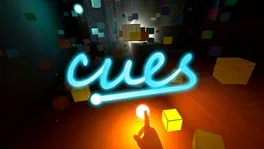
Dive into Cues, a hand-tracking experience where music meets motion. Wield bouncing light orbs to shatter "cues" and unravel puzzles, all while crafting a dynamically evolving symphony influenced by your every move. Enjoy a relaxed, soothing game that constantly evolves, offering new challenges and surprises. Ideal for brief, engaging sessions, 'Cues' converts any room into a vibrant arena of musical puzzles.
You are piloting the Orchestra’s new Rhythum mobile suit unit, when the ship you are on is attacked by a fleet of enemy suits known as the Conductors. Do you have what it takes to survive the Conductors’ attack?
Arcade rhythm game where you push oversized buttons around an standing hexagonal touch display. It's best described as the Chinese equivalent of Sega's Maimai series, which Dance Cube takes direct inspiration from.