
Fight Fever


Buy
Could be interesting
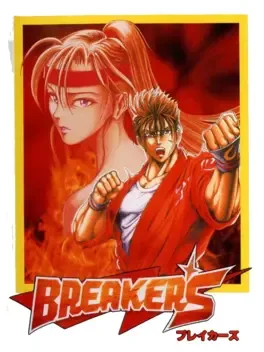
In Breakers, choose one of eight fighters who have their own moves and special attacks. There are eight stages in the game, and each stage has two battles. The object of each battle is to drain your opponent's energy in order to win the battle. If there is a draw, a third battle takes place. If the time limit expires, the player with the less energy loses the battle. Once you have completed all eight stages, you will face a opponent that is much tougher than previous ones. Different endings and in-game dialog are viewed depending on the character that you select.
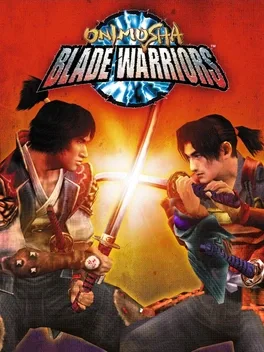
Onimusha Blade Warriors is a multiplayer fighting game based on the first two games of the Onimusha series. Familiar elements taking from the Onimusha games include the medieval Japanese settings, the characters, items, and the ability to absorb souls in order to perform a magical attack. Fourteen characters are available initially, but a total of twenty-four can be unlocked over the course of play, including long-time Capcom superstars Mega Man and Zero. With the addition of items and weapons strewn around the battle field which characters can pick up to aid in battle, gameplay is aptly compared to one of Capcom's other fighting franchises, Power Stone.
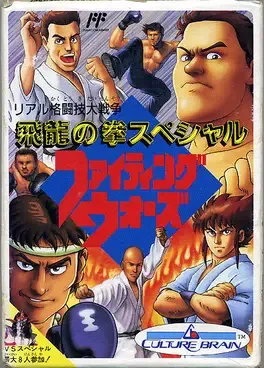
MMA-styled fighting game where each character represents a fighting style, and each style is represented by two characters.
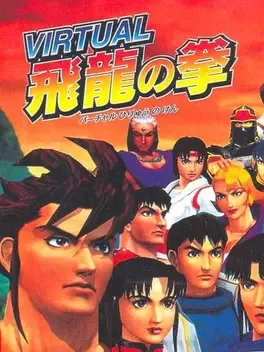
Virtual Hiryu no Ken is an entry in the Flying Dragon series for PlayStation.
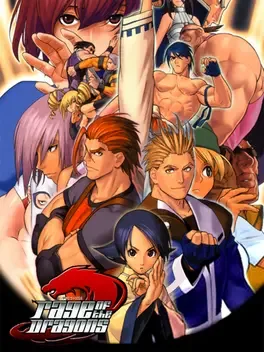
In a town ruled by an evil religious cult, the battle to decide the strongest dragon begins! Each Contestant is a champion who contends with the power of mighty dragons: Black Dragon, Red Dragon, Blue Dragon, and White Dragon. Go head to head in a tag-team partnership to test your attack and defense in the heat of battle.
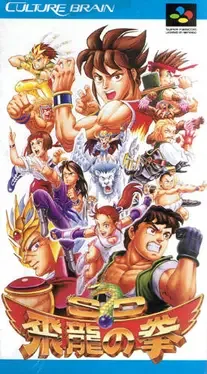
SD Hiryuu no Ken is an Action game, published by Culture Brain, which was released in Japan in 1994.
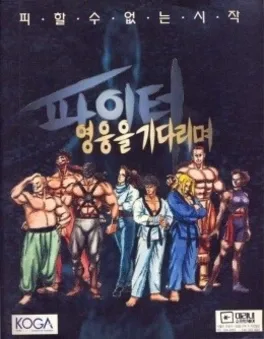
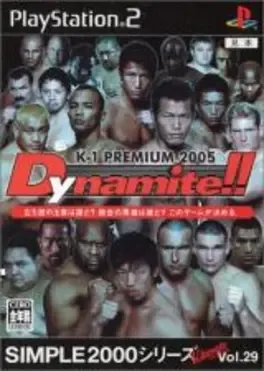
The 2005 edition of this martial-arts fighting game features many real-life martial arts experts who can compete under K1 rules or modern Mixed Martial Arts rules.
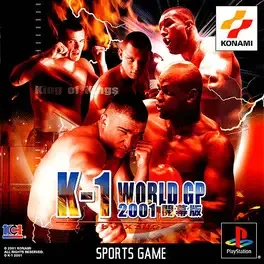
K-1 World Grand Prix 2001 Kaimakuden is a Kickboxing game, developed by Xing Entertainment and published by Konami, which was released in Japan in 2001.
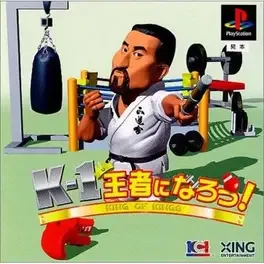
K-1 Oujya ni Narou! is a Kickboxing game, developed and published by Xing Entertainment, which was released in Japan in 2000.