
Fruit Ninja Kinect




Buy
Parent game
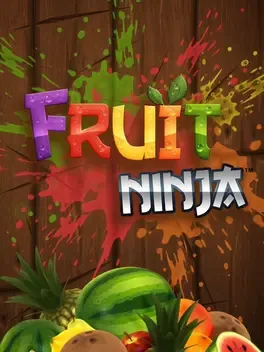
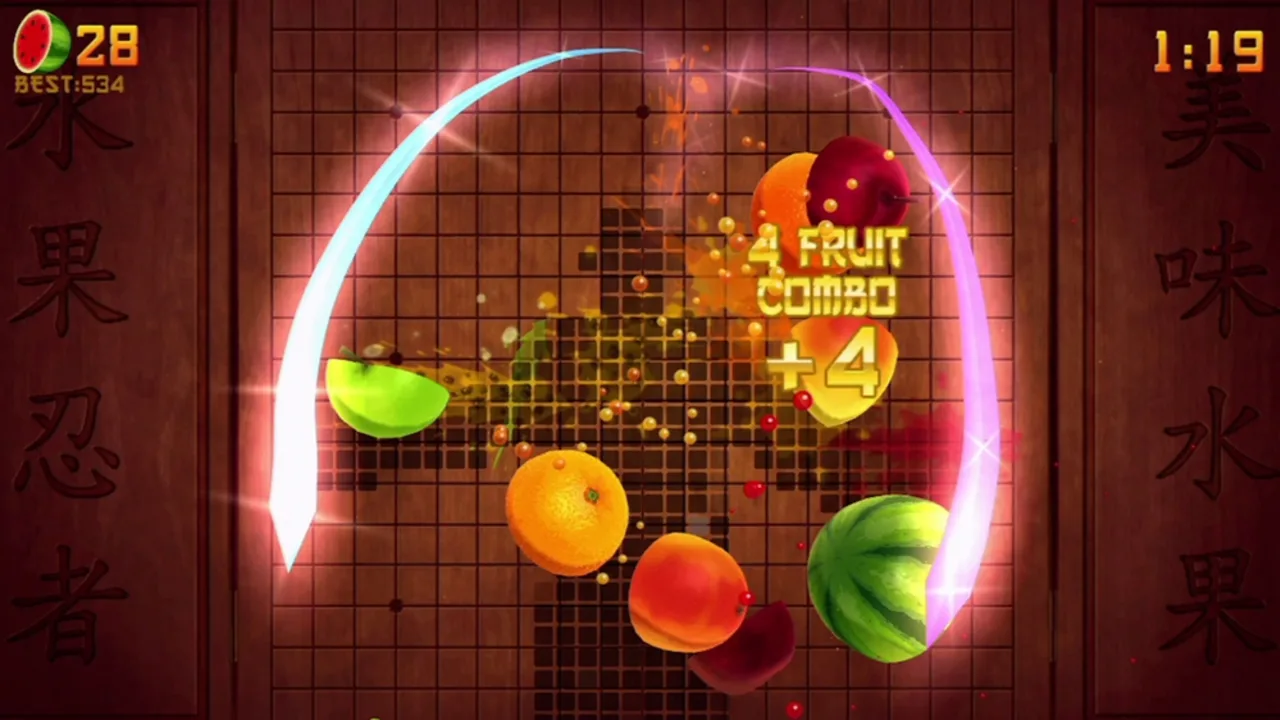
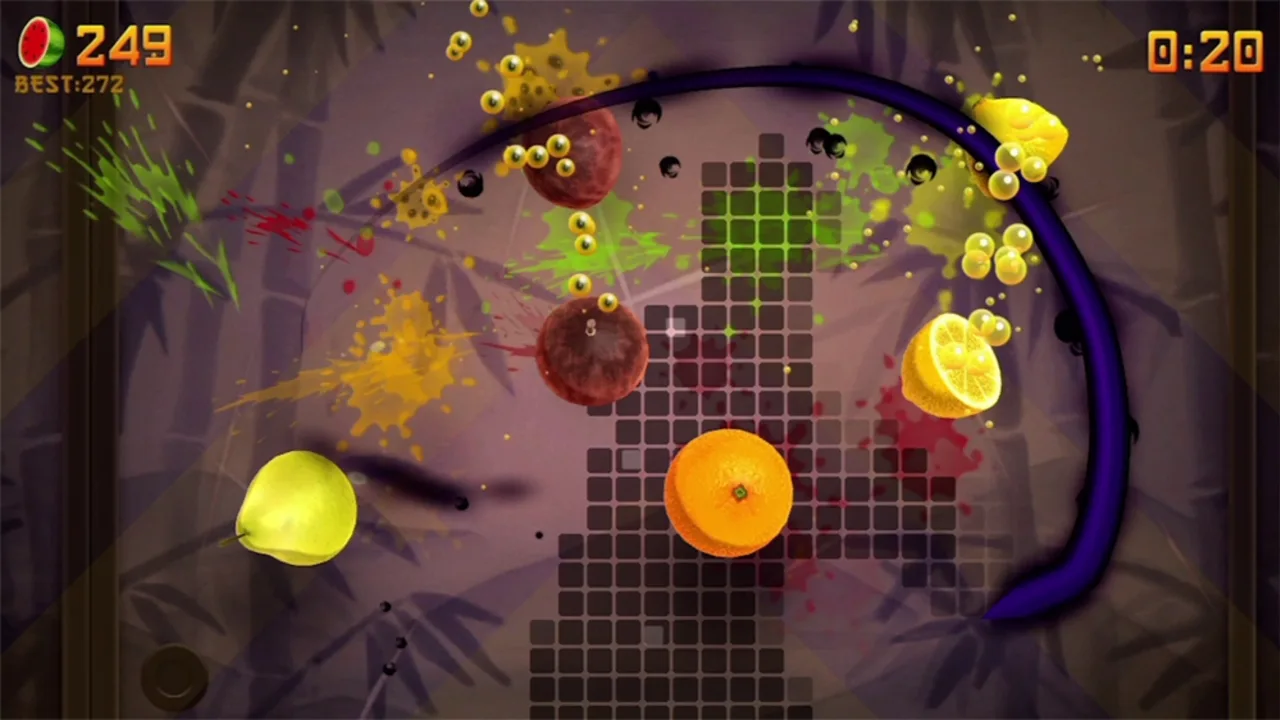
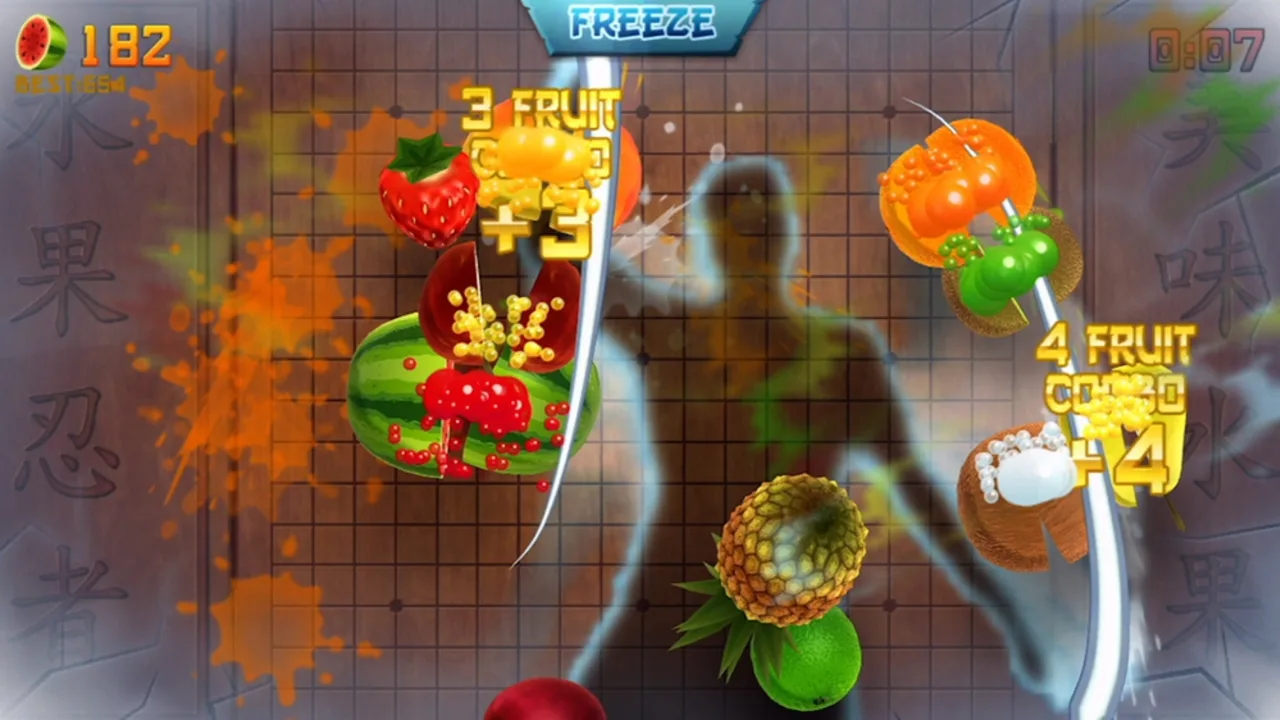
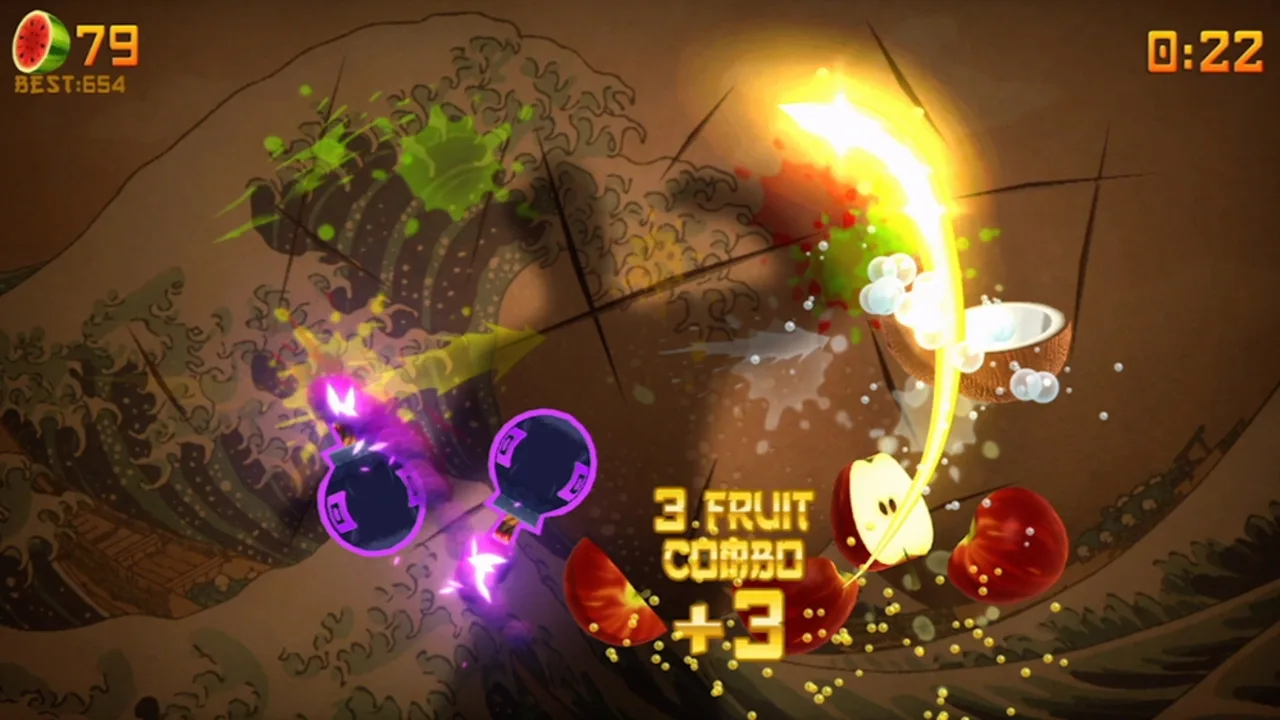
Fruit Ninja is a juicy action game with squishy, splatty and satisfying fruit carnage! Become the ultimate bringer of sweet, tasty destruction with every slash. Swipe up across the screen to deliciously slash fruit like a true ninja warrior. With three games modes in single player and worldwide leaderboards using Openfeint, the addictive gameplay will keep you coming back for even higher scores.
Part of collection:
Fruit Ninja
(last 3 games)

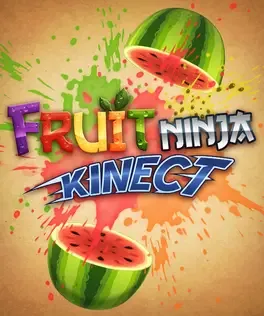
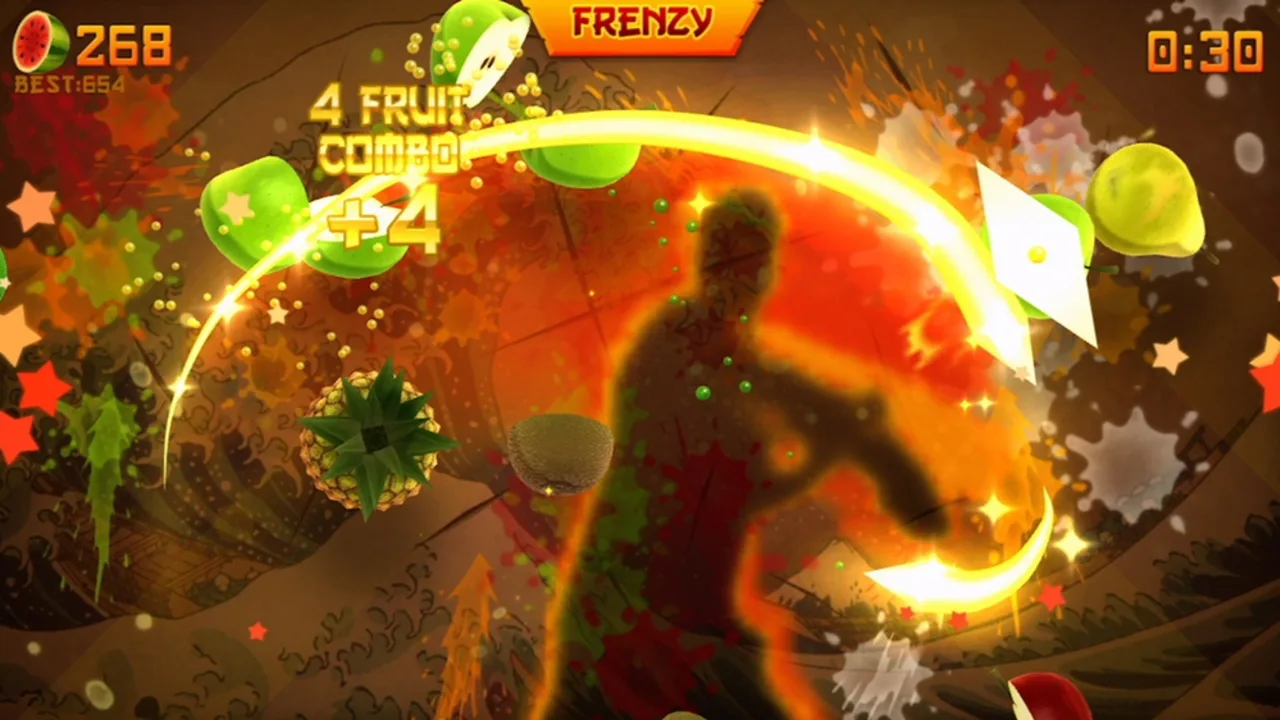
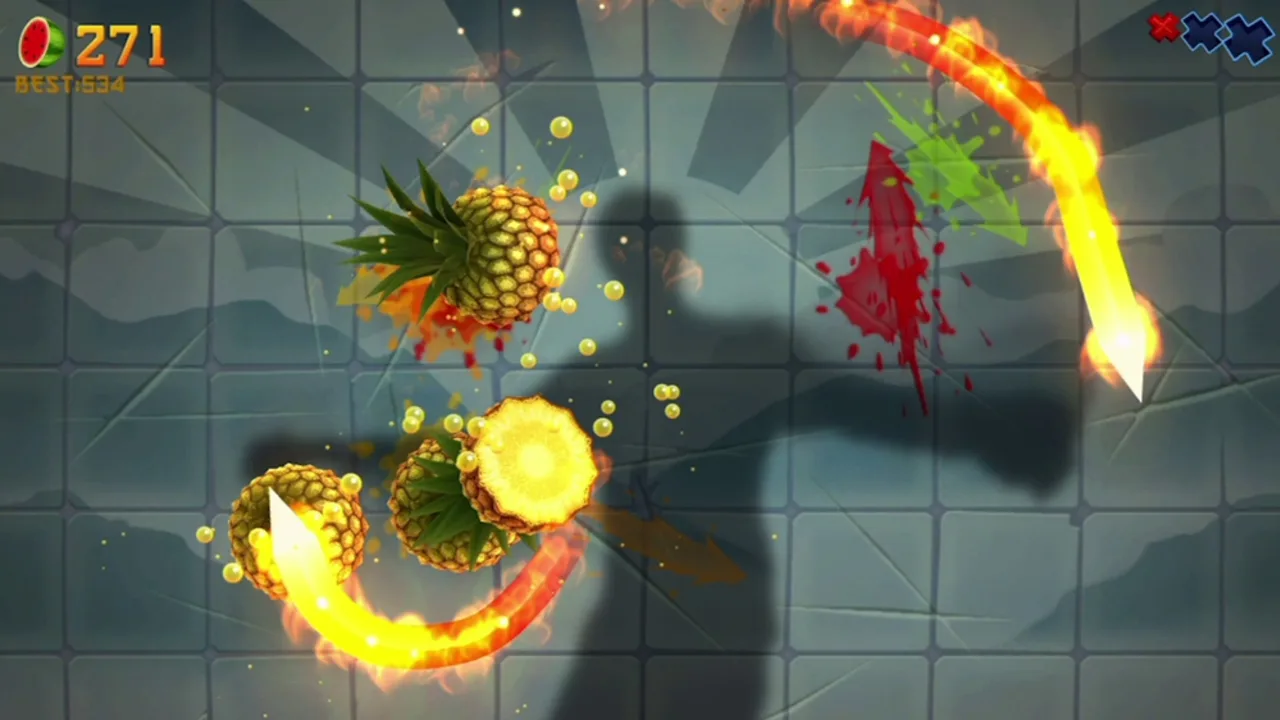
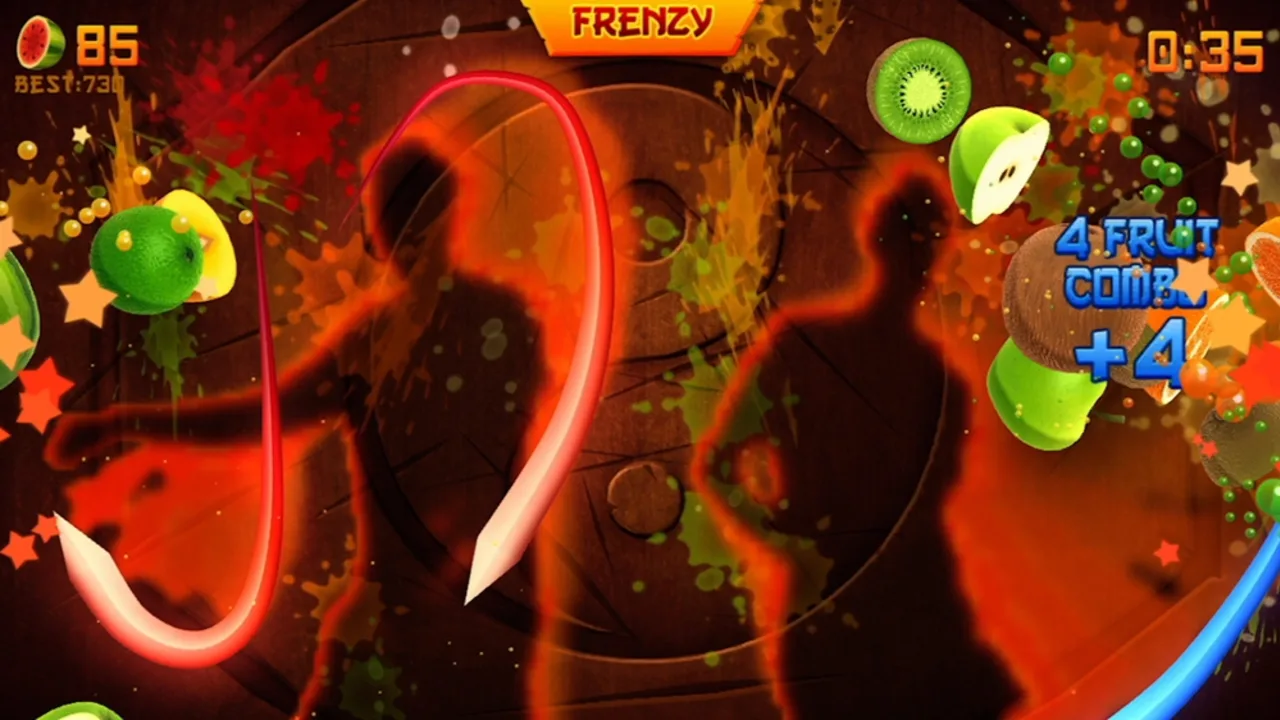
Fruit Ninja is back and this time the power is in your hands! Slice your way through 4 modes of fruit annihilating fun. Charge up juice canisters and unleash your Juice Jitsu power onto unsuspecting fruits! Play fetch with Truffles and make sure you give him a pat! Most importantly, make Sensei proud!
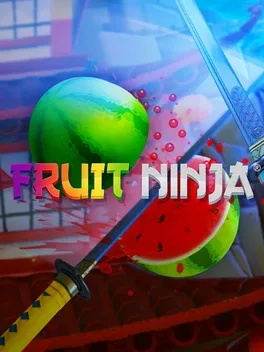
Step inside the Fruit Ninja universe and experience a slice of virtual reality like never before. Play Fruit Ninja VR now
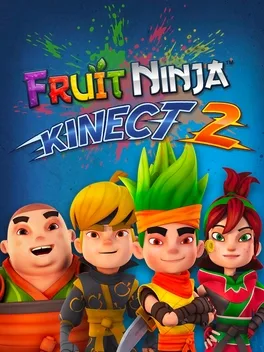
The sequel to Fruit Ninja Kinect.
Could be interesting

Super Mario 3D Land is the second 3D Super Mario platformer for a handheld device, and the successor to Super Mario Galaxy 2. The game is closely based on side-scrolling Mario games, as it combine elements from both traditional 2D Mario games and modern free-roaming 3D Mario games. It also introduces elements into the series, including power-ups and gameplay mechanics.
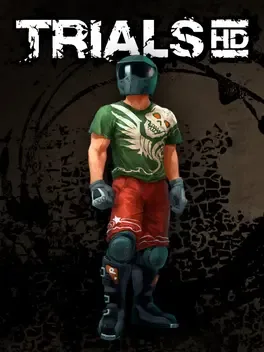
Trials HD is a full-featured, physics-based motorcycle racing game with more than 50 tracks in two unique game modes. Race Mode emphasizes balance, skill, and control as you tackle indoor obstacle tracks. Skill Mode features extreme skill games in which explosions, crashes, and injuries cannot – and sometimes should not – be avoided.
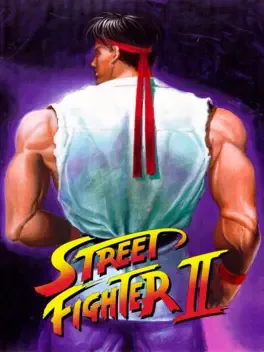
A sequel to Street Fighter, Street Fighter II improved upon the many concepts introduced in the first game, including the use of command-based special moves and a six-button configuration, while offering players a selection of multiple playable characters, each with their own unique fighting style and special moves. Street Fighter II is credited with starting the fighting game boom during the 1990s. Its success led to the production of several updated versions, each offering additional features and characters over previous versions, as well as many home versions. Some home versions of the Street Fighter II games have sold millions of copies, with the SNES port of the first Street Fighter II being Capcom's best-selling consumer game of all time as of 2008. Street Fighter II follows several of the conventions and rules already established by its original 1987 predecessor. The player engages opponents in one-on-one, close-quarters combat in a series of best-of-two-out-of-three matches. The objective of each round is to deplete the opponent's vitality before the timer runs out. If both opponents knock each other out at the same time or the timer runs out with both fighters having an equal amount of vitality left, a "double KO" or "draw game" is declared. Additional rounds will be played until sudden death. In the first Street Fighter II, a match could last up to 10 rounds if there was no clear winner; this was reduced to 4 rounds in the Champion Edition and onward. If there is no clear winner by the end of the final round, then either the computer-controlled opponent will win by default in a single-player match, or both fighters will lose in a 2-player match. After every third match in single-player mode, the player will participate in a "bonus game" for additional points. The bonus games include (in order) a car-breaking event; a barrel-breaking bonus game where the barrels are dropped off from a conveyor belt above the player; and a drum-breaking bonus game where drums are flammable and piled over each other. The bonus games were removed from the arcade version of Super Street Fighter II Turbo. As in the original, the game's controls use an eight-directional joystick and six attack buttons. The player uses the joystick to jump, crouch, move the character towards or away from the opponent, and guard against the opponent's attacks. There are three punch buttons and three kick buttons, each with varying strength and speed (Light, Medium, and Heavy). The player can perform a variety of basic moves in any position, including grabbing/throwing attacks, which were not featured in the original Street Fighter. Like in the original, the player can perform special moves by inputting a combination of directional and button-based commands. Street Fighter II differs from the original in that it features multiple playable characters, each with distinct fighting styles and special moves. Additionally, the player can "cancel" an animation by performing another move, enabling combinations of basic and special moves. Both of these features would be expanded upon in subsequent installments.
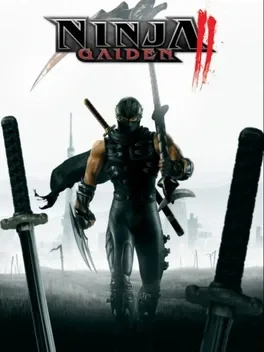
Ninja Gaiden II is an action-adventure video game developed by Team Ninja and published by Microsoft Corporation. It is the sequel to the 2004 title Ninja Gaiden and was released worldwide for the Xbox 360 in June 2008.

Your music is under attack… You must liberate it! In Symphony, you fight through levels uniquely generated by your own song collection, discover items and vanquish bosses to defeat the evil within! With Symphony, we wanted to push the limits of user-music-based gameplay and focused on two concepts: Your music creates the game Every song has a unique emotion, sound and rhythm, and we wanted the gameplay to capture that as fully as possible. When your music gets intense or calmer, so does the gameplay. Enemies appear and shoot on the beat of the music. Some weapons are music-driven. Each song has its personality and it directly translates into gameplay. Replayability In Symphony, each song in your collection not only becomes a unique level, but also provides you with an item you can equip and challenges you with score targets to reach. As you progress through the game, you unlock new difficulty levels, new items and abilities! This means you have many reasons to play your favorite song over and over.
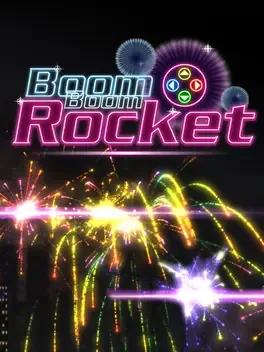
Boom Boom Rocket is a downloadable video game for Xbox 360's Xbox Live Arcade service. Boom Boom Rocket marks the first rhythm game for the Live Arcade service and was developed by Geometry Wars creators Bizarre Creations and published by the Pogo division of Electronic Arts.
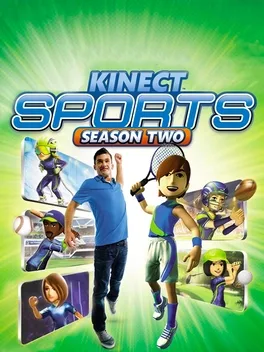
Kinect Sports Season Two is a sequel to Rare's 2010 multi-million seller Kinect Sports, with 6 new events, full-body tracking & in-game voice control.
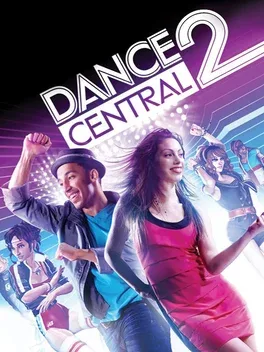
The core gameplay in Dance Central 2 is mostly identical to the original Dance Central. Players perform given dance moves, which are tracked by the Kinect. The more accurately the player performs the move, the more points he/she scores. Higher difficulties increase move complexity, and the margin for error is reduced. Features new to Dance Central 2 include voice control, simultaneous two player gameplay in both cooperative and competitive modes with drop in/drop out functionality, an improved fitness mode, a more in-depth and customizable "Break it Down" mode, allowing the player to practice only specific moves in a routine, and a campaign mode featuring dance crews of various styles.
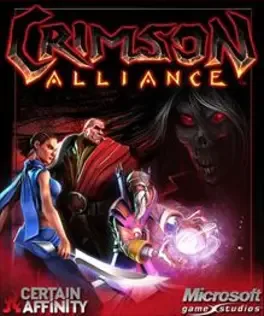
Crimson Alliance is a co-op action role-playing game developed by Certain Affinity and published by Microsoft Studios. The game was first announced at RTX 2011 and was available for demo at E3, ComicCon and PAX Prime,[2] with the press release being announced on May 31, 2011.[3] Crimson Alliance was released on September 7, 2011 on Xbox LIVE Arcade for free as a freemium. Player can choose to pay between 800 Microsoft Points for one character class or 1200 Microsoft Points for all three character classes.[4] The game was also offered as a free bonus code download for those who purchased all five of the fourth annual Xbox Live Summer of Arcade titles before August 23, 2011.[5]
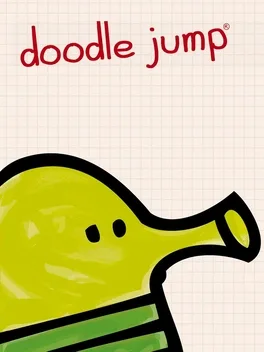
In Doodle Jump, the aim is to guide a four-legged animal called "The Doodler" up a never-ending series of platforms without falling.