
Street Fighter II


Buy
Expanded games
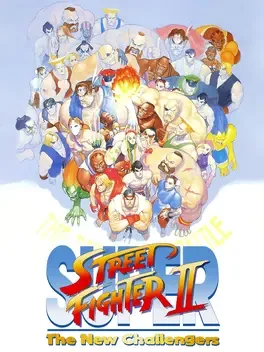
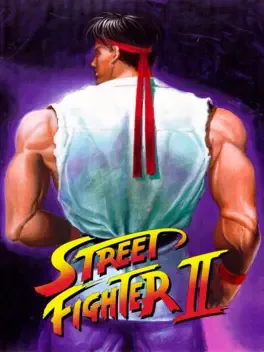
Super Street Fighter II: The New Challengers is a 2D fighting game that expands the original Street Fighter II roster with four new characters: Cammy, Dee Jay, T. Hawk, and Fei Long. Players choose from 16 fighters, each with unique moves, to compete in one-on-one matches. The game introduces updated graphics, rebalanced gameplay, and new special moves, continuing the World Warrior Tournament storyline.
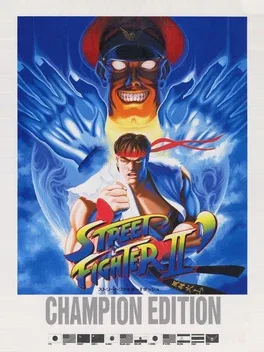
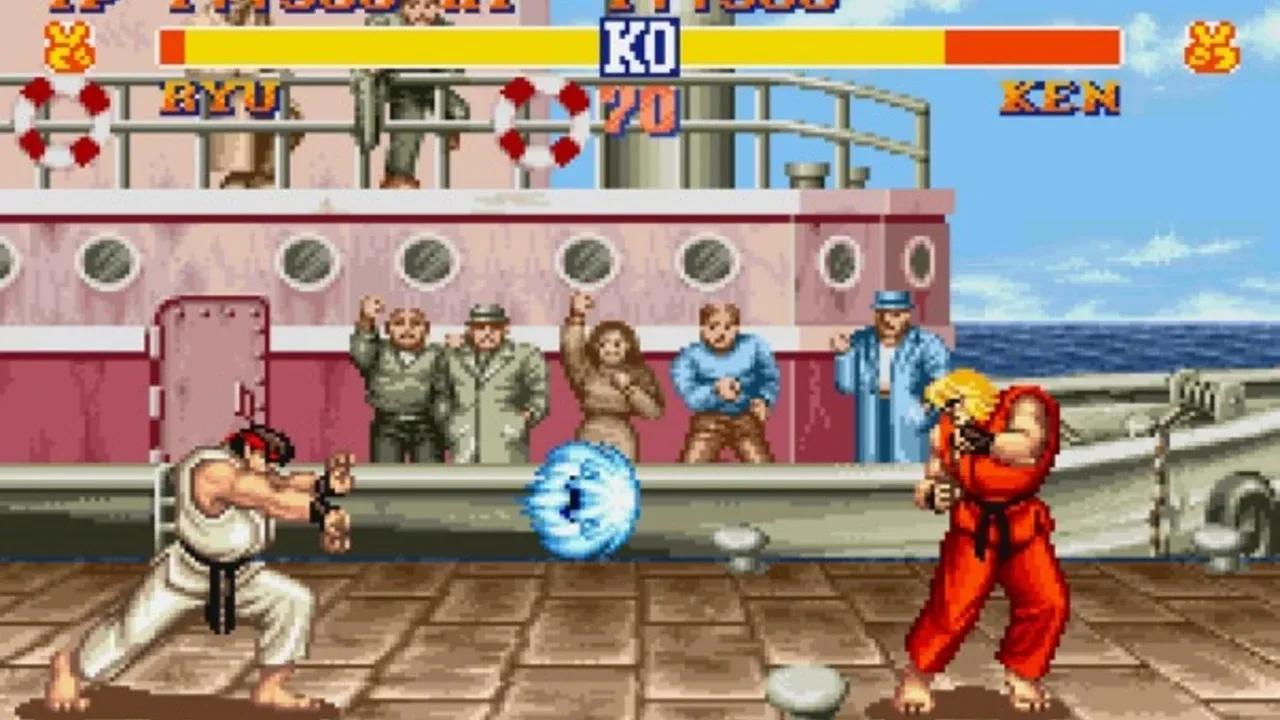
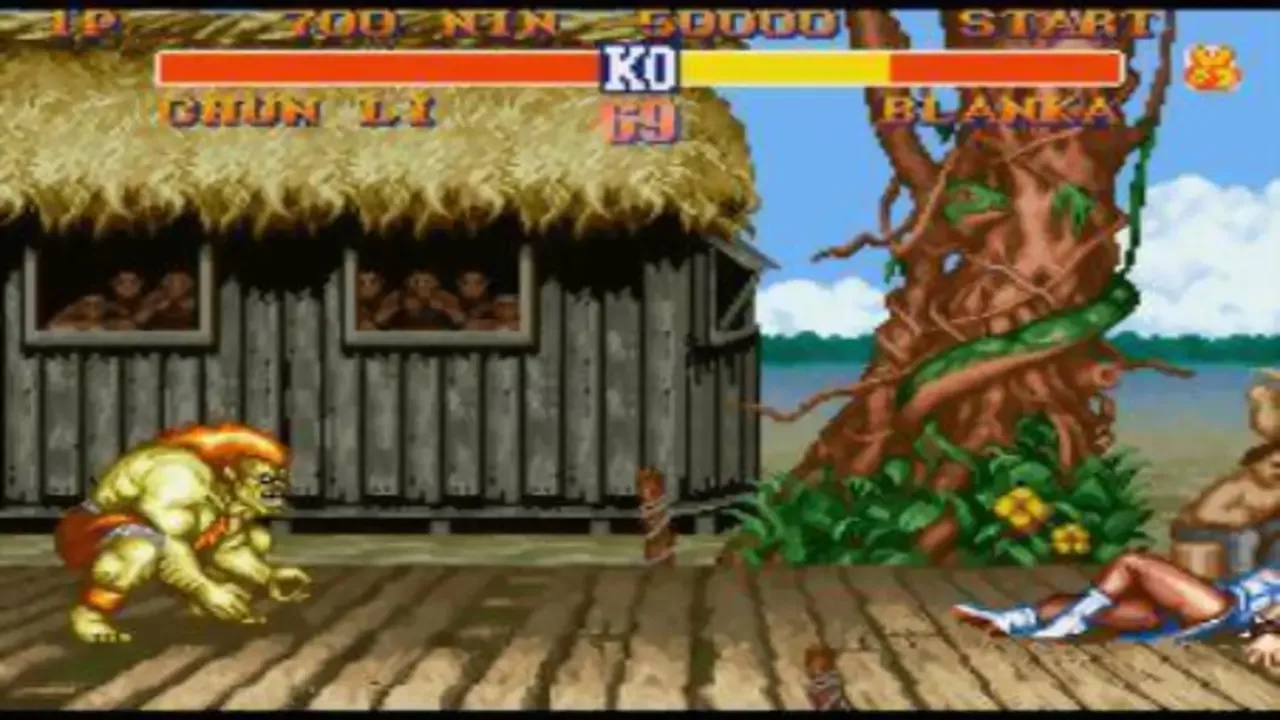
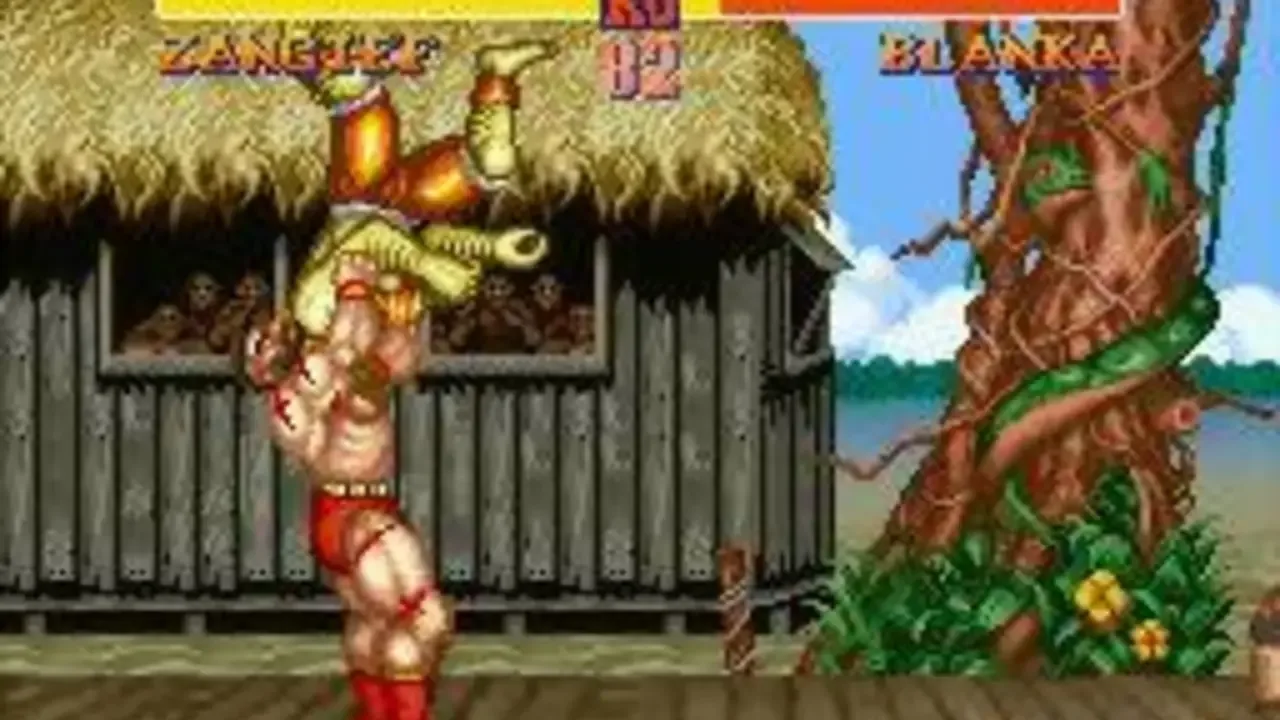
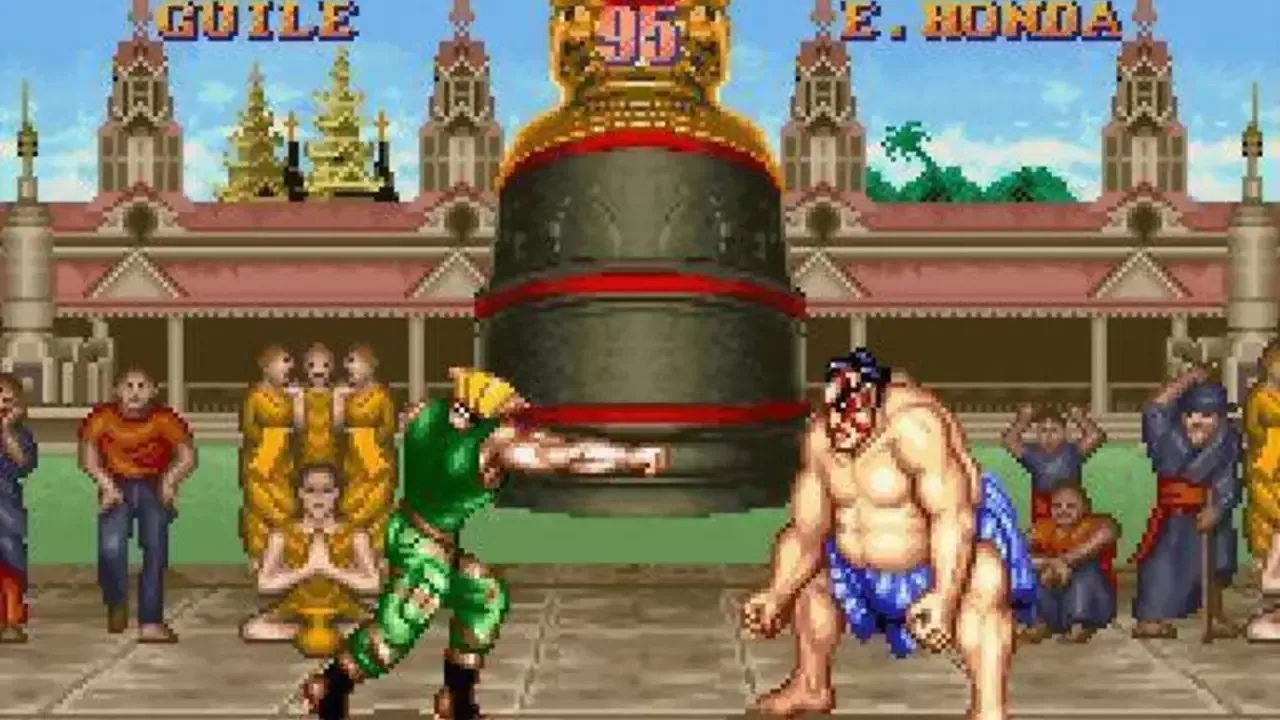
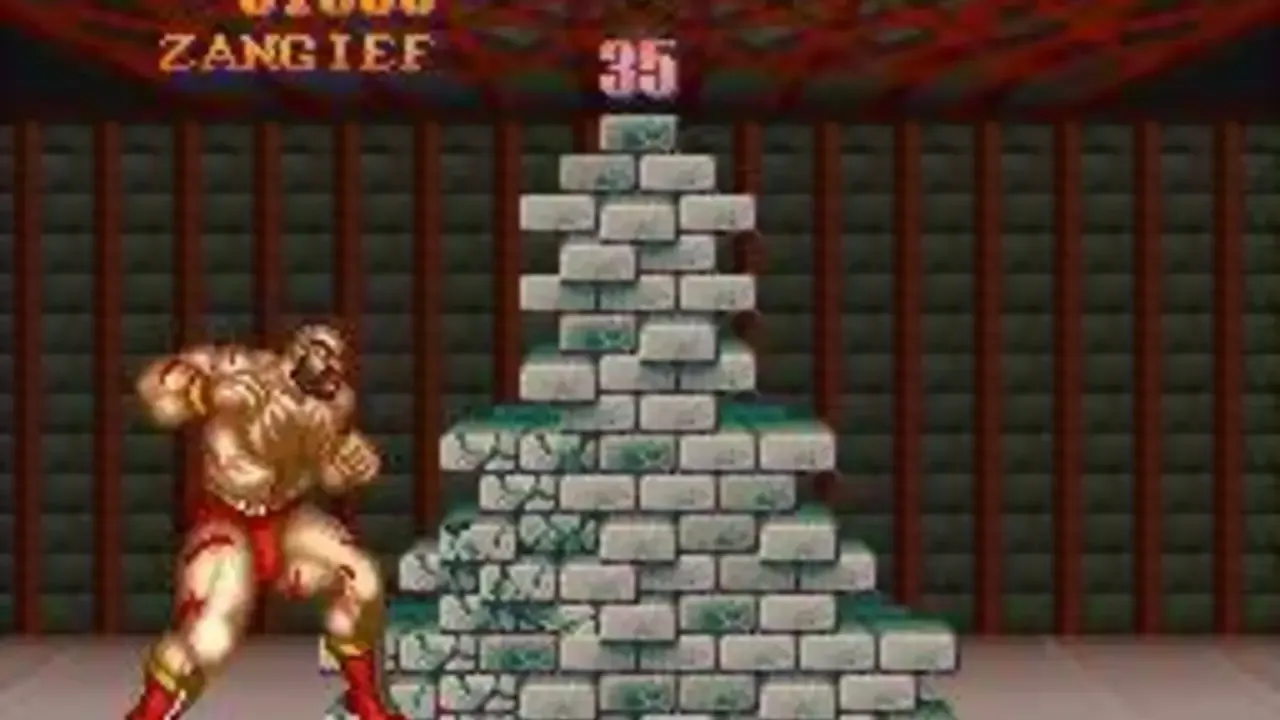
Street Fighter II: Champion Edition is a competitive fighting game released for the arcades by Capcom in 1992. It was the first of several updates to the original Street Fighter II: The World Warrior. The main changes consisted of adding the Grand Masters (the final four computer-controlled opponents in single-player mode) as playable characters and mirror matches (same character vs same character). The fighting techniques of the eight main characters from the original game were also further refined to allow for more balanced competitive play. The Champion Edition was followed by Street Fighter II' Turbo: Hyper Fighting, released several months later.
Part of collection:
Street Fighter II
(last 3 games)
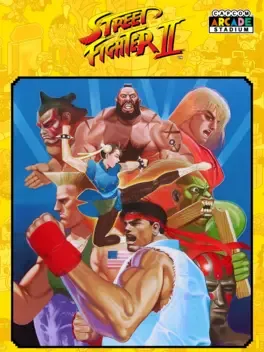
Add Street Fighter II: The World Warrior to your Capcom Arcade Stadium game line-up! Who is the true street fighter? Fighters from around the world stand up to finally answer that question. Each has their own secrets.
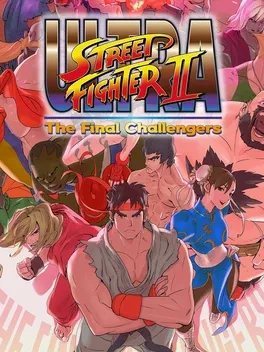
The newest iteration of SFII in nearly 10 years, Ultra Street Fighter II features all of the classic characters, a host of new single player and multiplayer features, as well as two new fighters: Evil Ryu and Violent Ken! Nintendo Switch TV, Tabletop and Handheld modes allow you to play Ultra Street Fighter II at home or on-the-go!
Part of collection:
Street Fighter
(last 3 games)
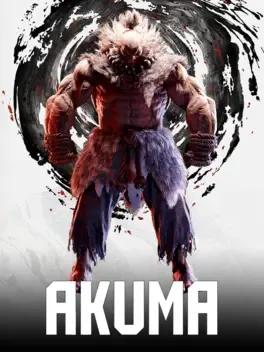
Akuma is the fourth DLC character for Street Fighter 6 and final character in the Year 1 Character/Ultimate Pass. A demon of combat that has welcomed the Satsui no Hado into his being in his quest to become the ultimate master of the fist.
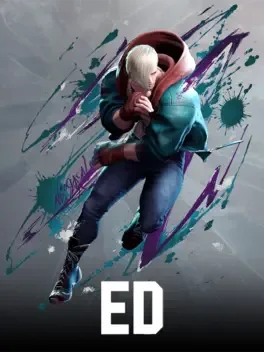
Ed is the third DLC character for Street Fighter 6 in the Year 1 Character/Ultimate Pass. A Psycho Power-wielding youth aged up rapidly by Shadaloo's experimentation, on a journey and a mission to free other subjects. He gets his short temper and foul mouth from Balrog, his former mentor.

A.K.I. is the second DLC character for Street Fighter 6 in the Year 1 Character/Ultimate Pass. A poison-wielding apprentice of F.A.N.G, the former Shadaloo officer. Enchanted by the power of toxins, nothing brings her more joy than testing them on a new target—other than attention from her “master,” that is.
Part of franchise:
Street Fighter
(last 3 games)
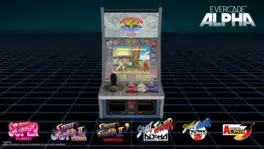
The Evercade Alpha Street Fighter Bartop Arcade includes six titles from the legendary Street Fighter series by Capcom, including Street Fighter II‘ Champion Edition, Super Street Fighter II Turbo, Street Fighter Alpha: Warriors’ Dreams, Street Fighter Alpha 2, Street Fighter Alpha 3 and Super Puzzle Fighter II Turbo.
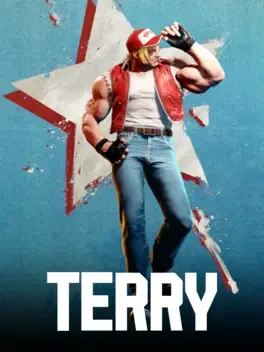
Terry is the second DLC character in the Street Fighter 6: Year 2 Character/Ultimate Pass. A passionate fighter that hones his craft as he travels all over the world. Also known as the "Hungry Wolf". He came to Metro City after hearing about the opening of the Pao Pao Cafe.
Akuma is the fourth DLC character for Street Fighter 6 and final character in the Year 1 Character/Ultimate Pass. A demon of combat that has welcomed the Satsui no Hado into his being in his quest to become the ultimate master of the fist.
Could be interesting
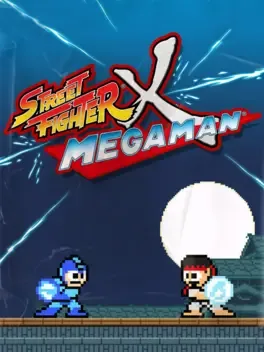
Having fought countless Robot Masters over the years, Mega Man is ready to lay back, relax and enjoy his 25th Anniversary. Getting wind of this, Ryu and his fellow Street Fighters want one last battle before they let their own anniversary finish. Charge up your Mega Buster and stretch out your lightning legs, this is Street Fighter X Mega Man! A true collaboration between Capcom and its fans for Mega Man’s and Street Fighter’s 25th Anniversary, Street Fighter x Mega Man was created and developed by Singapore native Seow Zong Hui, with an original soundtrack by Luke Esquivel, and with support provided Capcom, Street Fighter X Mega Man stars the Blue Bomber as he goes toe-to-toe with some of Street Fighter’s most beloved characters complete with their own individual themed stages and boss battles. Jump, shoot, and use your special new Street Fighter abilities to defeat your foes and become the world’s strongest robot!
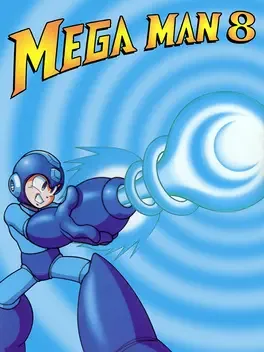
A gigantic space explosion sends two strange meteors crashing to Earth. The call goes out and Mega Man speeds to the site. There he sees his arch-rival, Dr. Wiley, fleeing the scene, clutching one of the mysterious metallic meteors. Now Mega Man must uncover the secret of the second meteor in a race to stay one step ahead of Dr. Wiley and his new deadly breed of super-powered robots. • Battle across 14 huge stages to face eight devious new enemies. • Multiple upgrades for Mega Man - customize to your specifications every game. • Intense Japanese anime intros, cut scenes and cinema screens. • Incredibly fluid animation and highly detailed backgrounds.
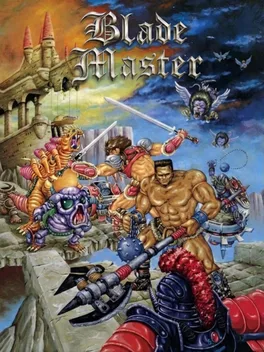
Blade Master is a scrolling hack and slash arcade game released by Irem in 1991. Two selectable heroes, Roy and Arnold, try to save their land from hordes of monsters. There are items to break and power-ups to collect, typical of this genre in the 1990s.

Your music is under attack… You must liberate it! In Symphony, you fight through levels uniquely generated by your own song collection, discover items and vanquish bosses to defeat the evil within! With Symphony, we wanted to push the limits of user-music-based gameplay and focused on two concepts: Your music creates the game Every song has a unique emotion, sound and rhythm, and we wanted the gameplay to capture that as fully as possible. When your music gets intense or calmer, so does the gameplay. Enemies appear and shoot on the beat of the music. Some weapons are music-driven. Each song has its personality and it directly translates into gameplay. Replayability In Symphony, each song in your collection not only becomes a unique level, but also provides you with an item you can equip and challenges you with score targets to reach. As you progress through the game, you unlock new difficulty levels, new items and abilities! This means you have many reasons to play your favorite song over and over.
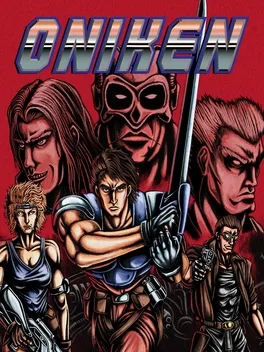
When a global war nearly decimated humankind, an evil military organization called Oniken takes advantage of the situation to dominate and oppress the few remaining survivors. Even though any resistance to this organization seemed hopeless, a small rebel movement organizes strikes against Oniken. One day, a ninja mercenary named Zaku offers his services to the resistance for unknown reasons. His moves are lethal and now he is the resistance's only hope. Oniken is an action platform game highly inspired by the 1980's, its games and its movies. You can see this not only in the graphics and sound design, but also in Oniken's story and difficulty. Don't Worry, You Will Die A Lot Of Times. Every copy of Oniken comes with digital versions of the game manual and the original soundtrack.Features Graphics, sounds and difficulty from the 8-bit era Cinematic cutscenes Over 18 boss fights Six missions, three stages each An extra mission after you beat the game Boss rush mode Not difficult enough? Try the new HARDCORE MODE Global Leaderboards Full pixelated violence
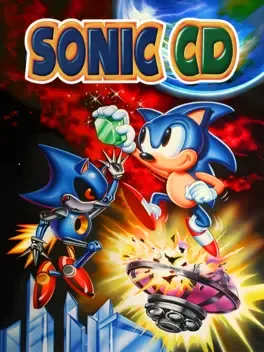
A fast-paced platformer that follows Sonic as he races through time-traveling zones to rescue past and future versions of stages and stop Dr. Robotnik’s time-altering plans. Combining classic Sonic speed and precision with CD-quality music, animated cutscenes, and branching time-based routes, it rewards quick reflexes and exploration to unlock true endings.
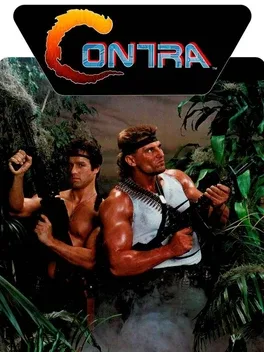
Contra (also known as Gryzor in Oceania and Europe), is a 1987 run and gun action game developed and published by Konami originally released as a coin-operated arcade game on February 20, 1987. The game had multiple ports, including for various computer formats. Several Contra sequels were produced following the original game.
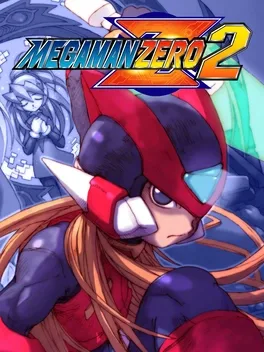
Mega Man Zero 2, known in Japan as Rockman Zero 2, is the second game in the Mega Man Zero series for the Game Boy Advance, developed by Inti Creates and published by Capcom in 2003. LAN Multiplayer: If you have two cartridges and a link cable, the players can link two GBAs and take part in a two-player game. There are three modes available to take part in: - Time Attack - Set a goal somewhere in the stage. After three tries, the player with the shortest time to the goal wins. - Enemy Battle - Defeat the most enemies from the generator within the time limit. - Get Item. - Collect the most items from the map within the time limit.
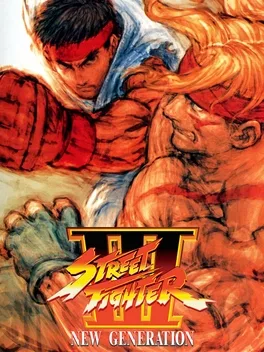
Street Fighter III: New Generation is a fighting game in Capcom's Street Fighter series, originally released as coin-operated arcade game in 1997. Street Fighter III was produced for the CD-ROM-based CP System III hardware, which allowed for more elaborate 2D graphics than the CPS II-based Street Fighter Alpha games (the previous incarnation of the Street Fighter series), while revamping many of the play mechanics. The game, which was designed as a direct sequel to Street Fighter II, initially discarded every previous character except for Ryu and Ken (hence the "New Generation" subtitle), introducing an all-new roster led by Alex.
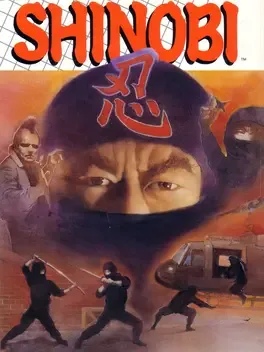
The five missions in the game are each three or four stages long. Several hostages are being held in each stage; Joe must rescue all of them before he is allowed to finish the stage. The last stage in each mission has no hostages, but instead features a powerful boss character whom Joe must defeat. After completing each of the first four missions the player is taken to a bonus stage, where he can earn an extra life if he is able to kill all of the ninjas leaping towards him. Completing the fifth mission ends the game. Also, once the fifth mission begins, continues are no longer allowed; the player has to finish the game with however many lives he has left at that point. If the player earns a place on the high score board, the number of credits it took him to get that score is displayed along with his score. Joe's standard weapons are an unlimited supply of shuriken, along with punches and kicks when attacking at close range. One hostage per stage gives him a power-up. When powered-up, his throwing stars are replaced by a gun that fires large, explosive bullets, and his close-range attack becomes a katana slash. Joe can also perform "ninja magic," which may be used only once per stage and kills (or damages, in the case of bosses) all enemies on the screen. The game also allows the enemies to hide behind boxes or use shields to block Musashi's shurikens.[4] Joe can be killed with one hit, provided he is hit by a projectile or melee attack, but if he does not find himself in those situations, the player can touch regular enemies and just be pushed back without being damaged. Since most enemies appear in the same place on each level, it is possible to master the game by memorizing their locations and devising patterns to defeat them. At the end of each stage, the player receives score bonuses based on performance. Completing the stage without using ninja magic or without using any throwing stars or bullets earns the player a point bonus. The player has three minutes to complete each stage; remaining time at the end of the stage is also converted to bonus points and added to the player's score.