
G-Darius



Buy
Expanded games
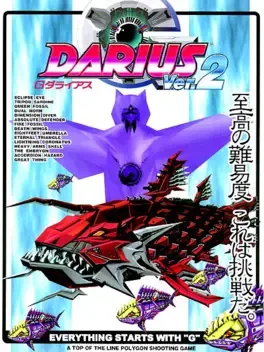
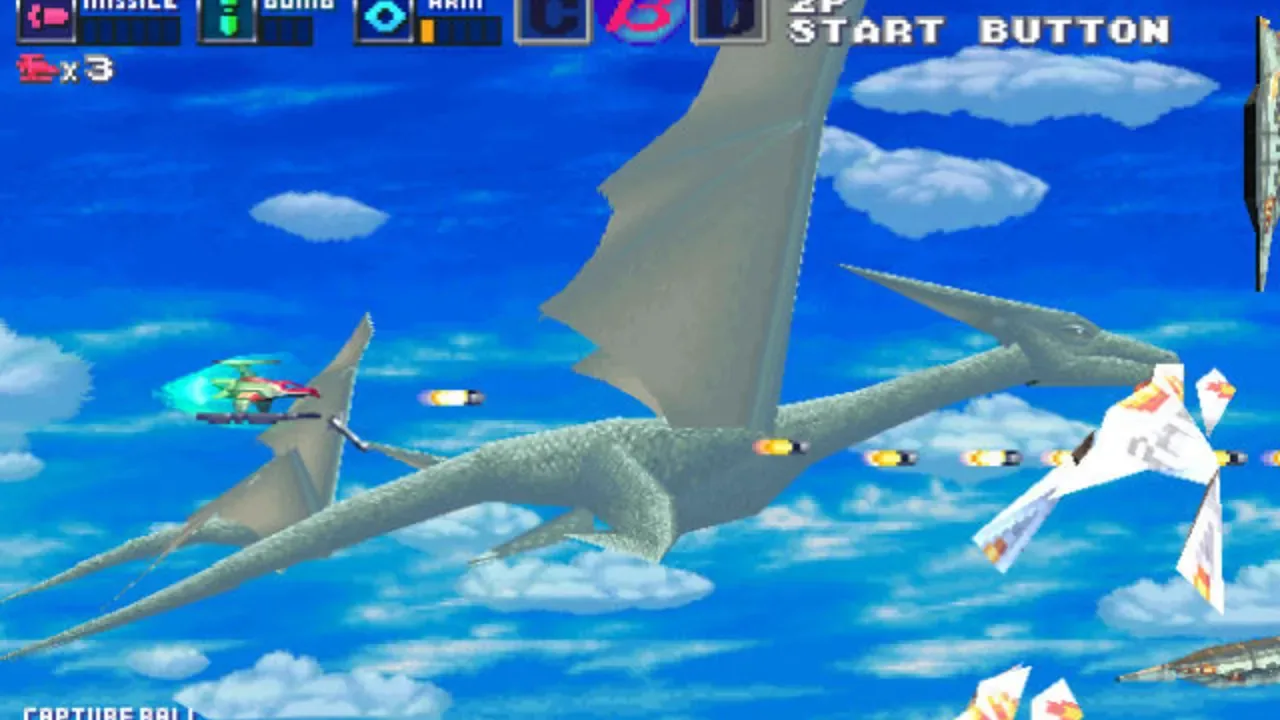
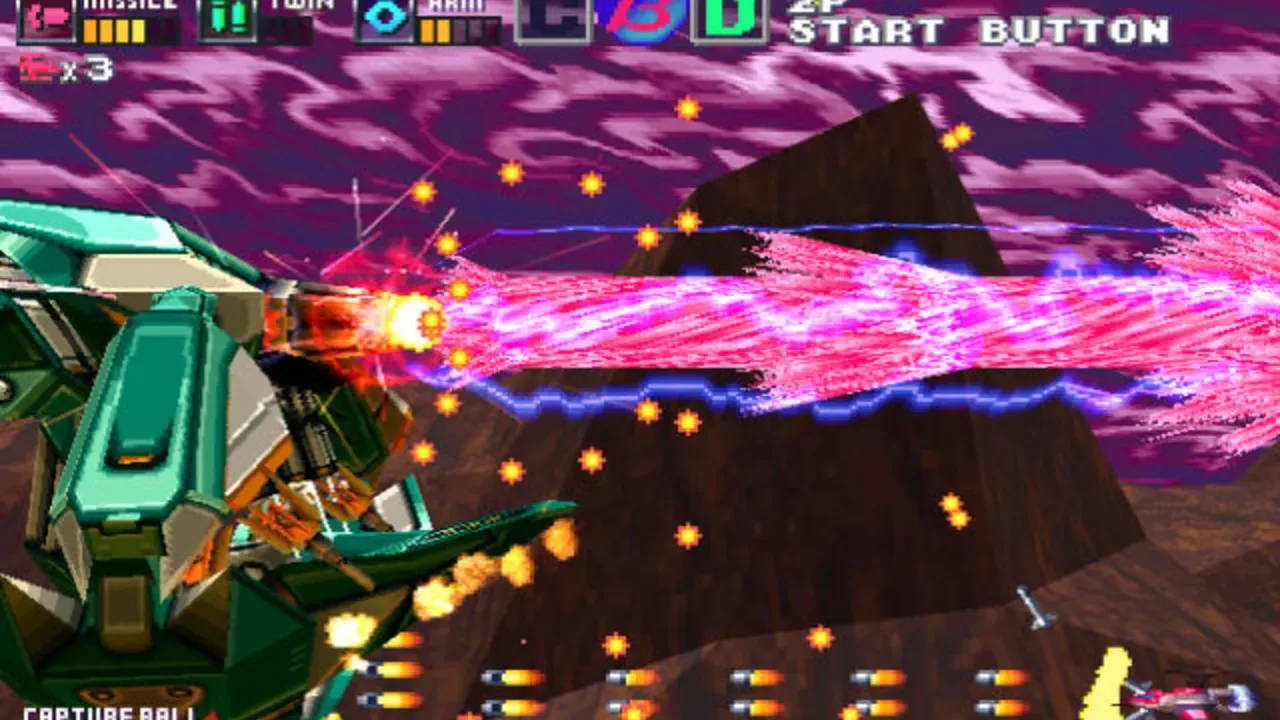
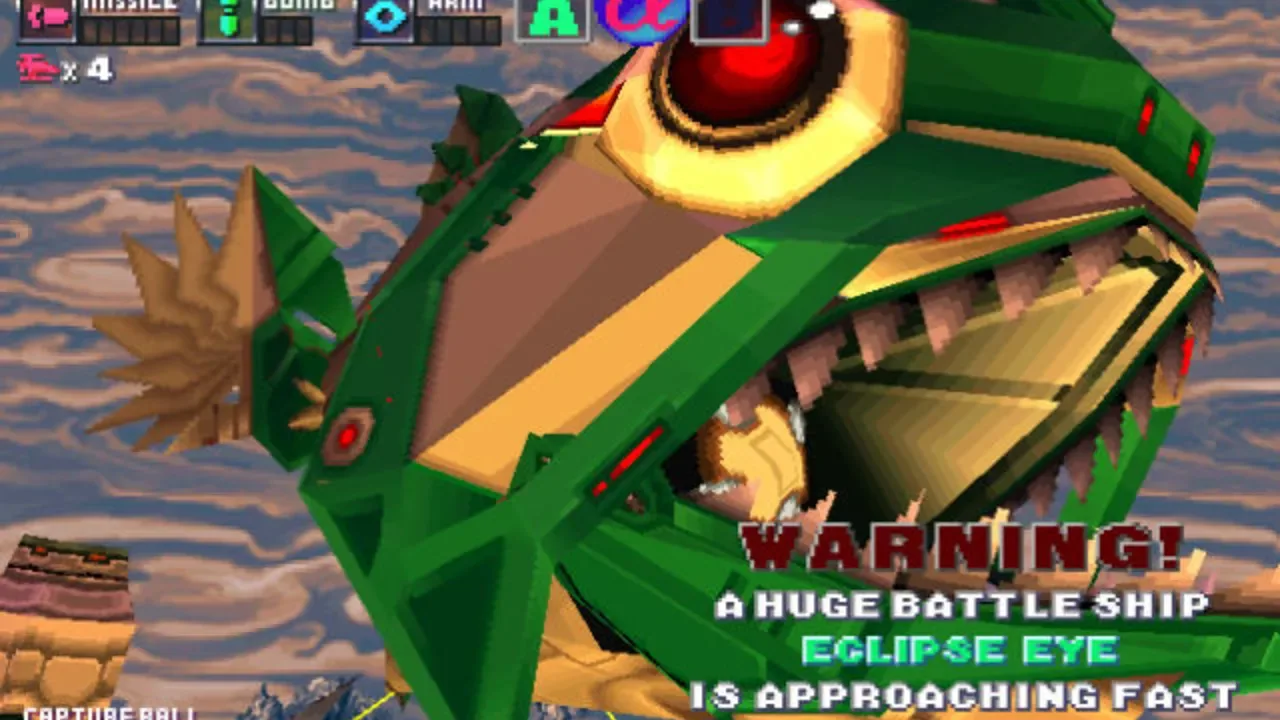
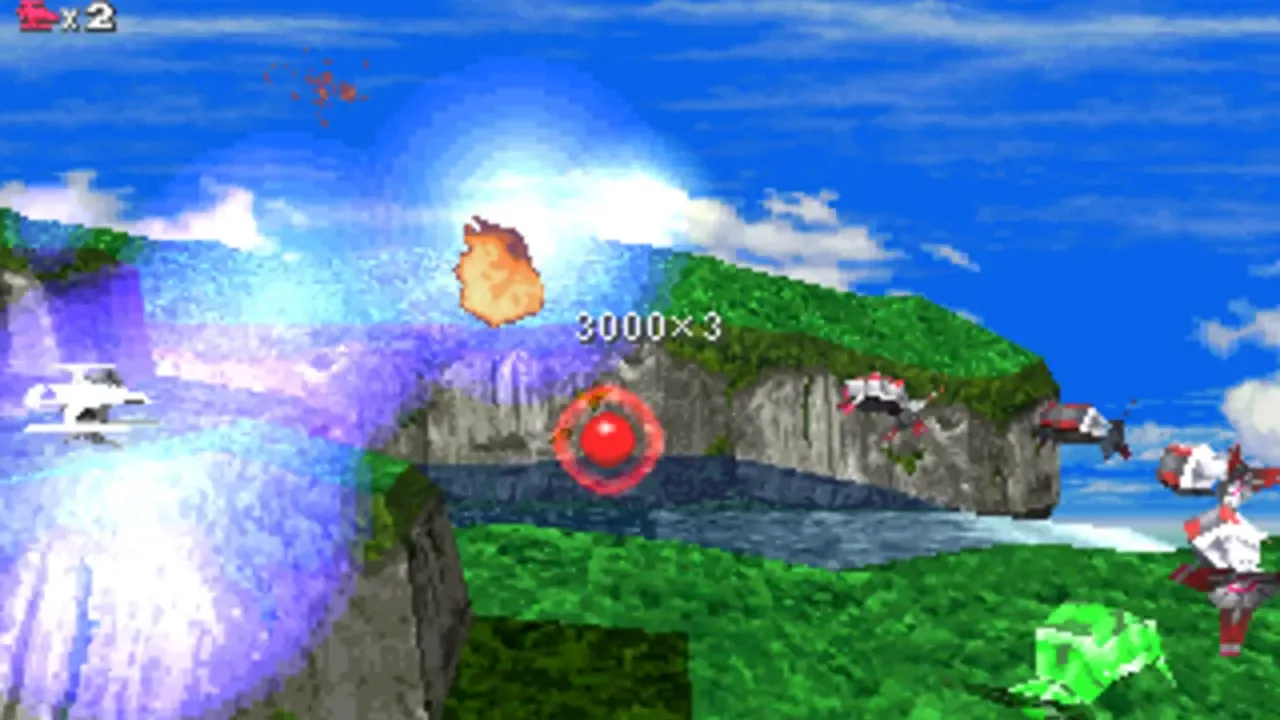
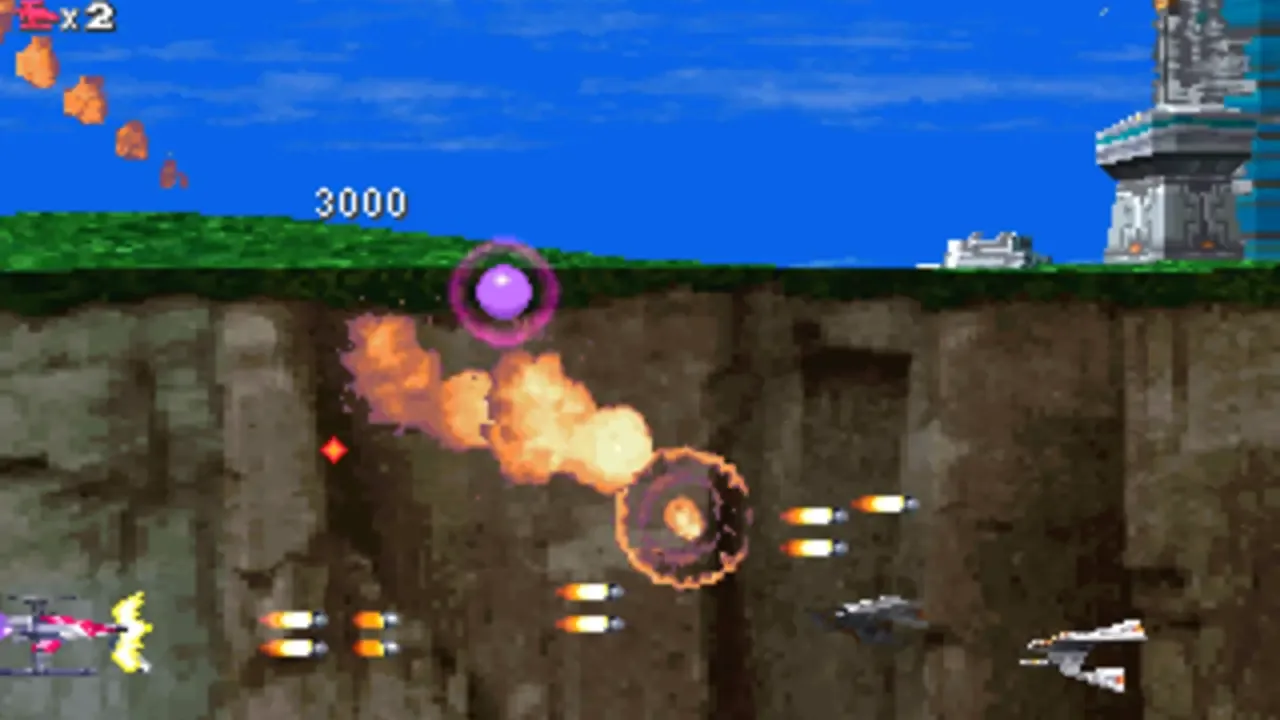
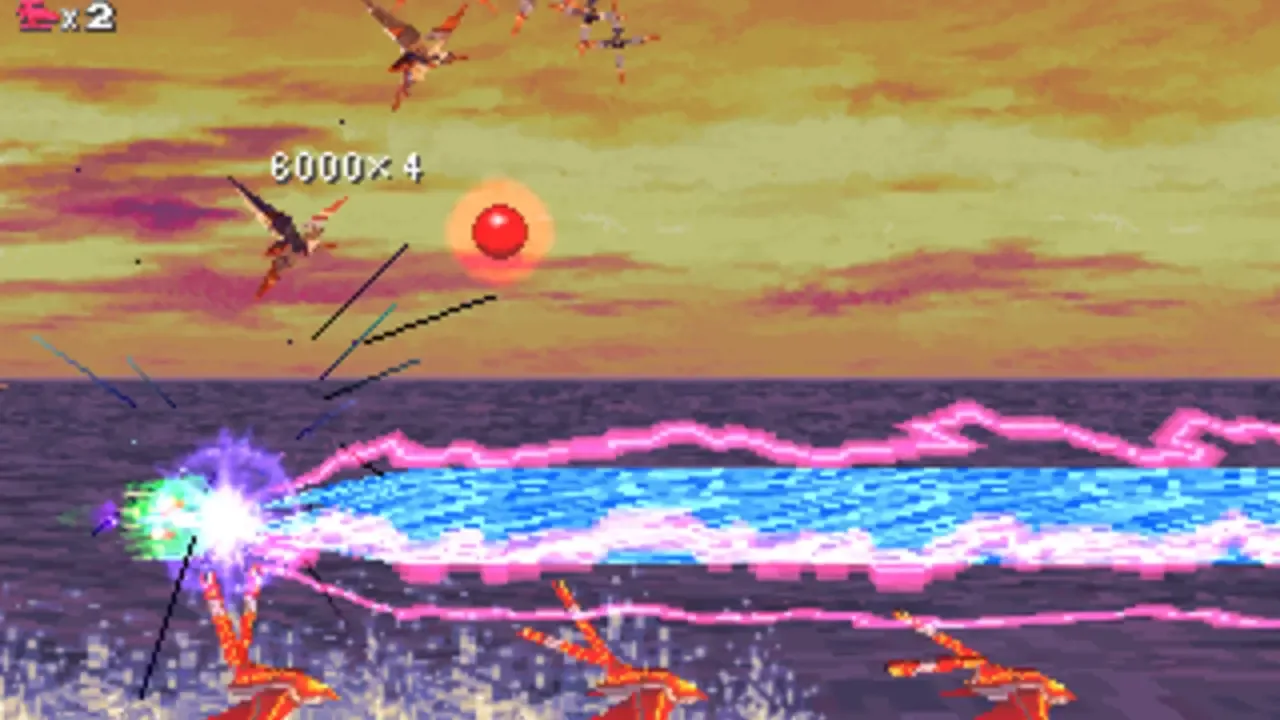
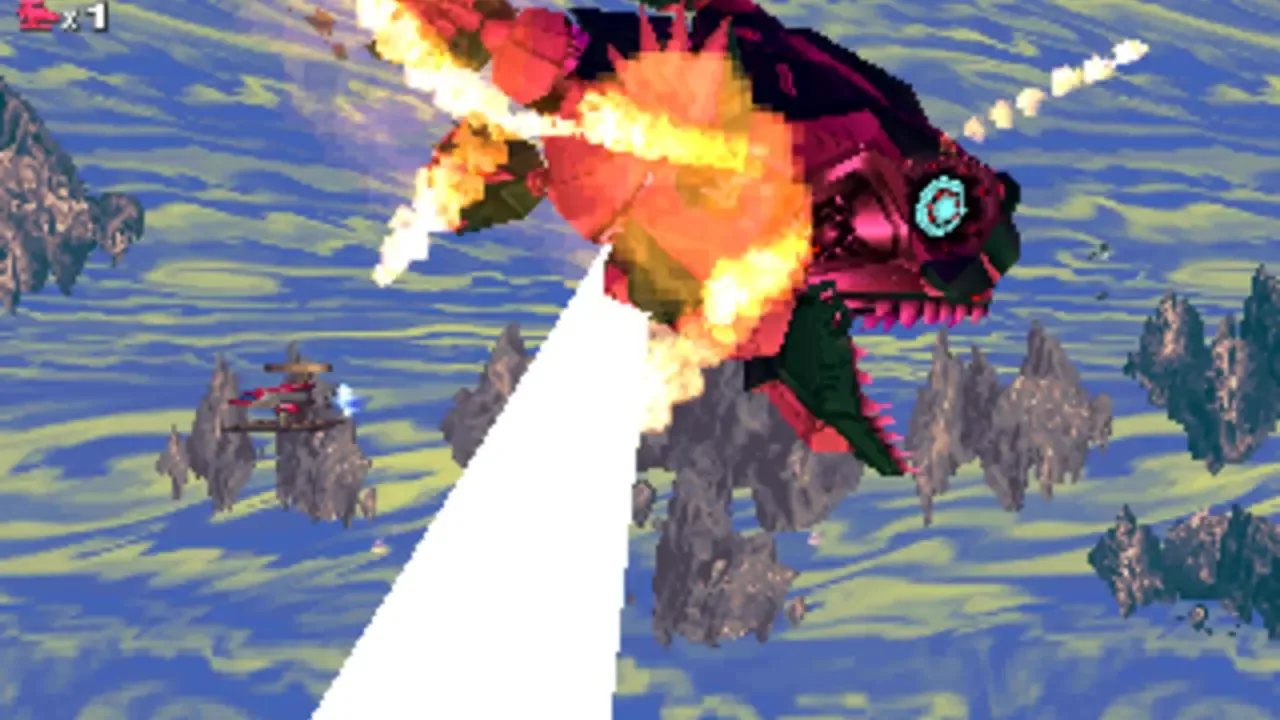
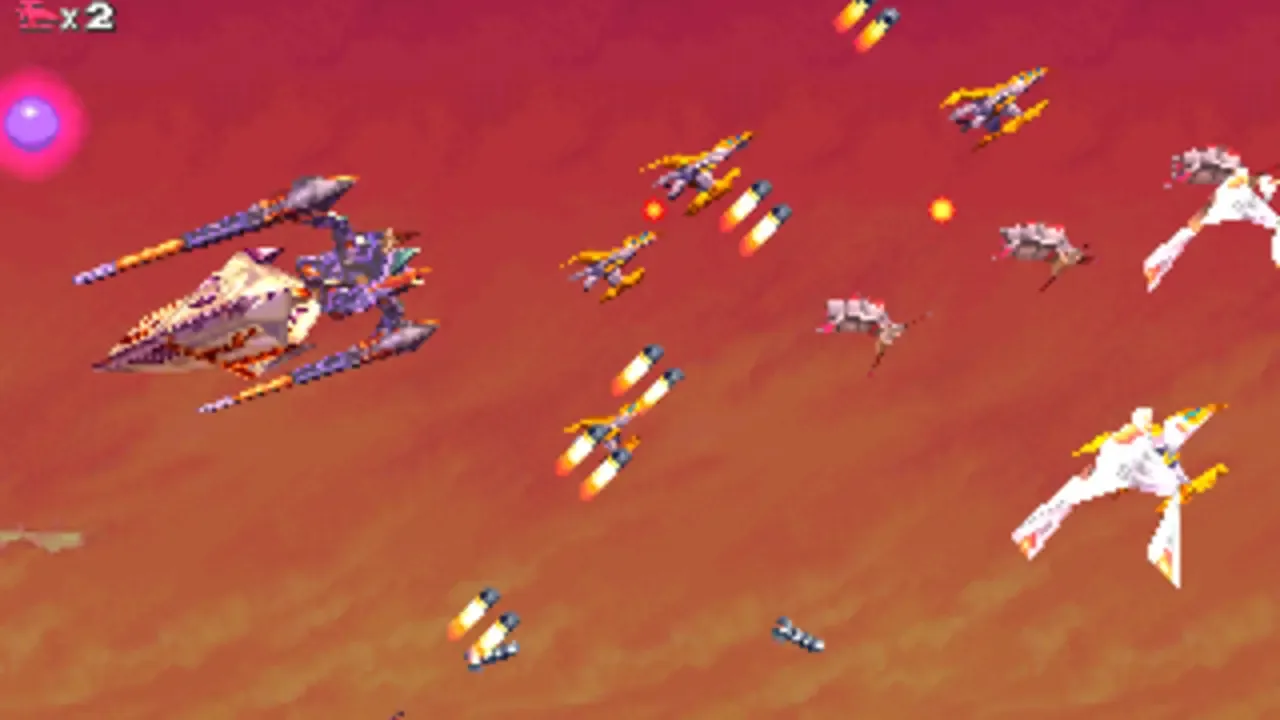
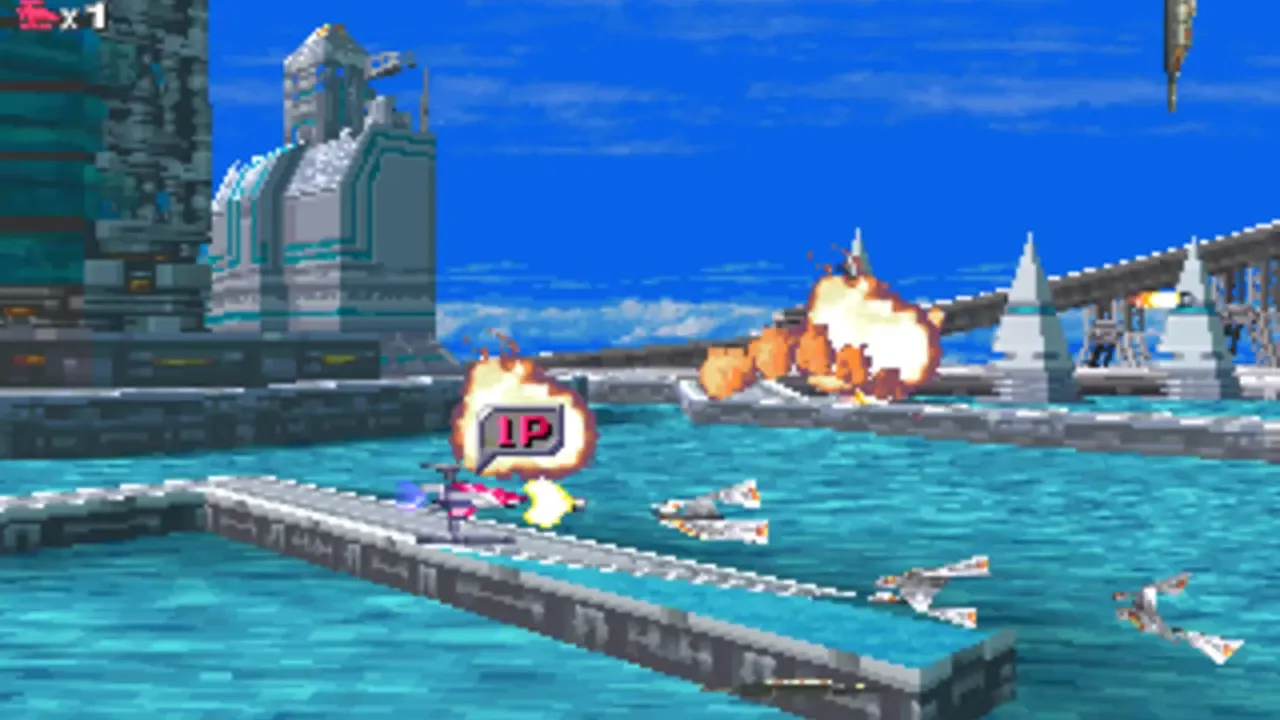
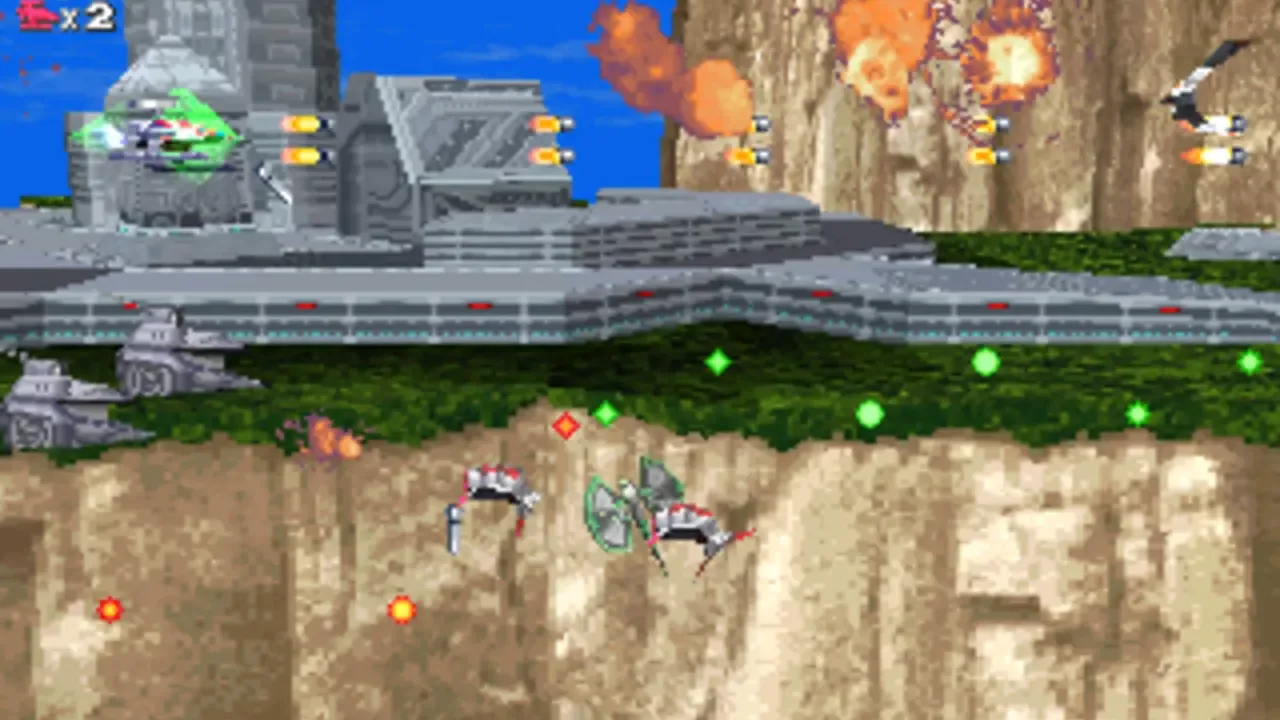
A second version of G-Darius was released in the arcades in 1999, with the following changes: - Increased difficulty. - Default play cost is increased to 2 coins per credit from 1 coin per credit. - Added Beginner Mode; in this mode, the game ends after completing only 3 zones. - Standard auto-fire button. - When using a Capture Ball, the player is no longer invulnerable. - With the super shield, the player is vulnerable to obstacles; with the hyper shield, the player can take a single hit from obstacles. - All stages include mid-bosses; moreover, they all fire the spiral laser from First Captain at the player. - Boss battles include a timer - three minutes for normal bosses, seven minutes for the final boss - with 10000 bonus points added to the player's score for each remaining second upon destroying the boss. - The high score table records high scores for each zone. - After continuing, the player is given one of each Missile, Bomb, Arm and Capture Ball power-ups, instead of a single item that provides the first three.
Part of collection:
Darius
(last 3 games)
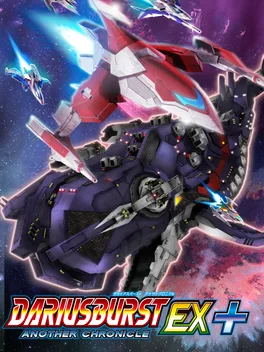
Taito's Darius series began with the titular arcade game, Darius, in 1986 and comprises numerous side-scrolling shooting games released in arcades, many of which were later ported to game consoles. This game is a port of the 2010 arcade game, DariusBurst Another Chronicle EX, including the final update and exclusive new features for this version. It adds the previously omitted Event Mode, with brand new events too, and also includes the Murakumo ship, playable across all modes.
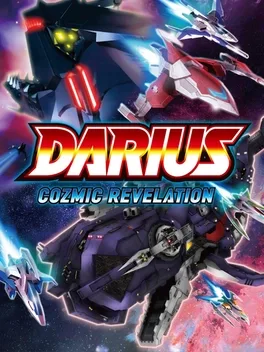
A sequel to the Cozmic Collection, Darius Cozmic Revelation was released for PlayStation 4 and Nintendo Switch on February 25, 2021 in Japan, containing the games G-Darius HD and Dariusburst: Another Chronicle EX+. The western release will contain the Game Boy version of Sagaia as a bonus on the cartridge. A future update also adds G-Darius Ver. 2 to the compilation.
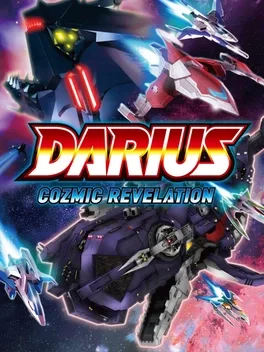
A sequel to the Cozmic Collection, Darius Cozmic Revelation was released for PlayStation 4 and Nintendo Switch on February 25, 2021 in Japan, containing the games G-Darius HD and Dariusburst: Another Chronicle EX+. The western release will contain the Game Boy version of Sagaia as a bonus on the cartridge. A future update also adds G-Darius Ver. 2 to the compilation. Included with the Famistu DX Pack of Cozmic Revelations - Special Edition is a packaged copy of Darius: Extra Version, released for the Sega Mega Drive in 2020. The Collector's Edition contains: - Darius Cozmic Revelation Game for Nintendo Switch - Collector’s box with magnetic latch - Darius PCB Box - DARIUSBURST ANOTHER CHRONICLE Live in O-EAST -revolt- Blu-ray with Zuntata bonus feature by Audi Sorlie and John Linneman. - Arcade Papercraft - Hardcover Artbook (localised in English) - 4 Acrylic Art Cards - PVC Standee - DARIUS THE OMNIBUS III Arrange CD - Darius Revelation Pin
Could be interesting
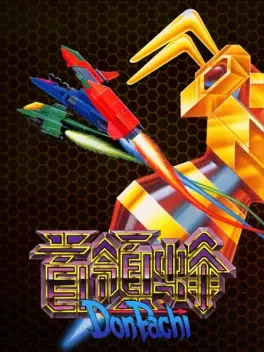
DonPachi is a 1995 vertical manic shoot-'em-up originally in arcades and was the first game from the developer Cave. Settings are mainly woodland and enemies are military vehicles and robots, culminating in the final boss, a huge robotic bee. One of three weapon configurations is chosen at start and then leveled up through dropped power-ups. DonPachi was ported to the Sega Saturn and Sony Playstation in 1996.
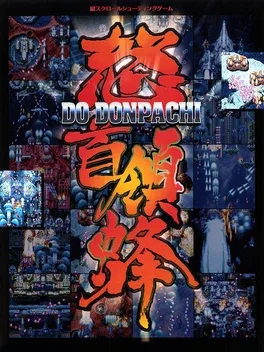
Compared to DonPachi, DoDonPachi is generally known for introducing new gameplay elements while improving or changing existing ones. The overall background of the game, unlike following sequels, remains more or less centered around a supposed invasion by a mysterious race of mechanized aliens, which the player is called to face throughout its run. However, more sinister and shocking secrets lie beneath the surface, accessible only to those brave and skilled enough to clear the entire game.
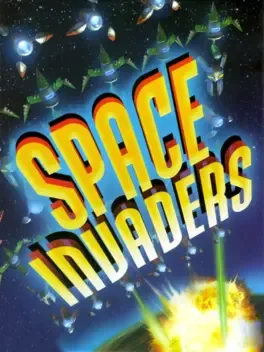
Space Invaders is a game in which the player controls a laser cannon by moving it horizontally across the bottom of the screen and firing at descending aliens. The aim is to defeat five rows of eleven aliens—some versions feature different numbers—that move horizontally back and forth across the screen as they advance towards the bottom of the screen. The player defeats an alien, and earns points, by shooting it with the laser cannon. As more aliens are defeated, the aliens' movement and the game's music both speed up.
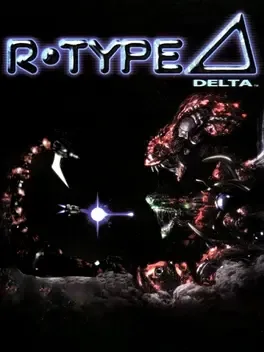
R-Type Delta is a horizontally scrolling shooter video game released only on the PlayStation. It is the fourth game in the R-Type series (hence Delta, the fourth letter of the Greek alphabet) and also the first game in the R-Type series rendered in full 3D graphics.
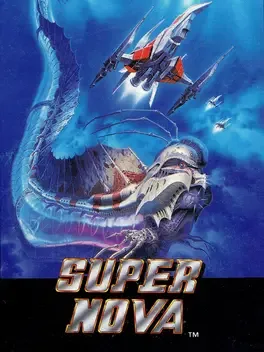
Darius Force, also known in North America as Super Nova, is a shoot 'em up game released for the Super Nintendo in 1993. One main difference between this game and the rest of the Darius games is that the player can choose one of three Silver Hawks to play. The green one is the Silver Hawk of Darius. The blue one is the Silver Hawk of Darius II. The red one is a new prototype of Silver Hawk that exists only in this game. There are three power-ups in this game, which can be obtained in three ways: - Destroying a complete formation of ships like in Darius II and Darius Twin or amoebas. - Destroying a flashing meteor during a meteor rain. - Destroying a futuristic cage on the floor and/or ceiling of an area. The power-ups for this game are the red bubble (shot and bomb power up), the blue bubble (shield regenerate and level up), and the green bubble (randomly gives a bonus point or an extra ship). There is also a special power up that can destroy all enemies on screen if it's destroyed (like Darius II) or can make the Silver Hawk shoot a powerful laser beam if its grabbed by the player. There is no power up bar, which means that if a Silver Hawk is destroyed, the shots and bombs are powered down to the minimum level. Also, when the player loses a ship on a stage, it is returned to the 'check point' (not identify in game) of that stage, if the ship has lost during a boss also return the last 'check point' before the boss appear. Like Darius Twin, the player uses (by default) the Y button for shot and the B button for dropping bombs. As long as the player keeps pressed both buttons, the shots are powered down one level. The player can switch between bombs and side laser guns by pressing the R button. The stages map for this game is very different of the rest of the Darius games. This map contains 15 stages, but only allows the player to take the forward or up paths, until the player reaches the L, N or O stage. Each one of those three stages contains its own boss and ending.
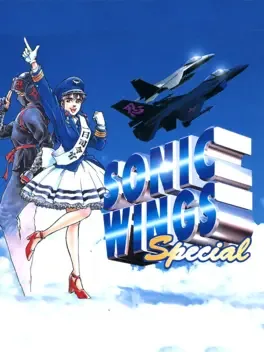
Sonic Wings Special is a 1996 vertical-scrolling shoot 'em up that combines the features in Sonic Wings, Sonic Wings 2, and Sonic Wings 3. It was ported to arcade as Sonic Wings Limited. The home console version adds new characters and endings, new bosses, updated graphics and unlockable planes. There are also Time Attack and 2-player modes. The game uses a branching stage system, so it is impossible to see all levels in one sitting. There is a total of 14 playable characters and many different endings (some of which are reused from previous games in the series). Overall the game has a comic feel. As of Summer 2012, the Android version of Sonic Wings Special has only 4 playable characters with 4 endings and 9 stages. However, the publisher is planning to add further elements of the original version.
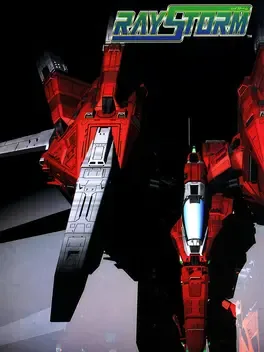
RayStorm is a scrolling shooter set hundreds of years in the future, and was one of the launch titles for the Sony PlayStation. RayStorm consists of eight stages where players must pilot their "R-Gray" spaceships shooting down anything that moves. Like all of the games in the Ray Series, enemies can be shot down with a primary weapon or by holding down a missile button to lock on to multiple enemies.
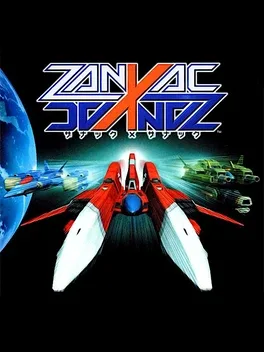
Zanac X Zanac is a shoot'em up game released by Compile to commemorate the 15th anniversairy of the original game. This title includes two games - a reimagination of the original game, called Zanac Neo and 3 different versions of the NES port of Zanac.
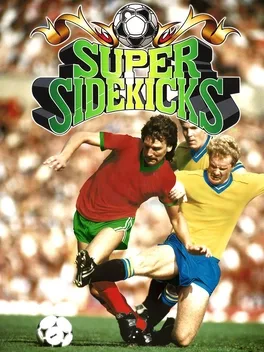
Published in 1993, the original Super Sidekicks (known as Tokuten Ou, "Goal-Scoring King" in Japan) was SNK's first soccer video game. It features 12 teams divided into two groups which compete for the "SNK Cup" (the main differences between teams is their formations on the field): Group A: Germany, Italy, Spain, England, Mexico, Japan Group B: Argentina, Holland, Brazil, France, United States, South Korea The players' team plays against all the others in their group, then it goes into an elimination tournament's semifinals and then the final to win the cup. There was also a hidden feature in the game, which wasn't documented, and affects a single player game. During a free kick for the CPU if the player has tapped button A for player two, the CPU performs a short-shot, while pressing the button A performs a longer kick.
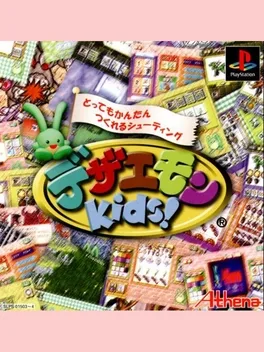
Dezaemon Kids! is a title in the Dezaemon series that allows players to create their own shoot-'em-up games. The players can design levels and enemies by themselves or choose from a number of presets, as well as compose musical themes for the levels. The game has a simplified colorful interface which makes it targeted for younger audience. It also boasts fully-voiced tutorial, a large amount of sample data, a horizontal scroll option, and 2-player simultaneous play option. The second game disc contains 102 sample games created in Dezaemon Plus.