
Genma Onimusha


Buy
Parent game
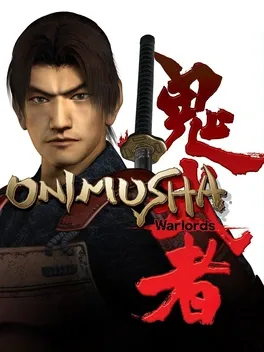
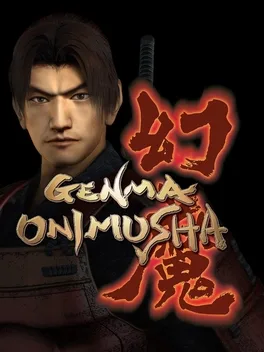
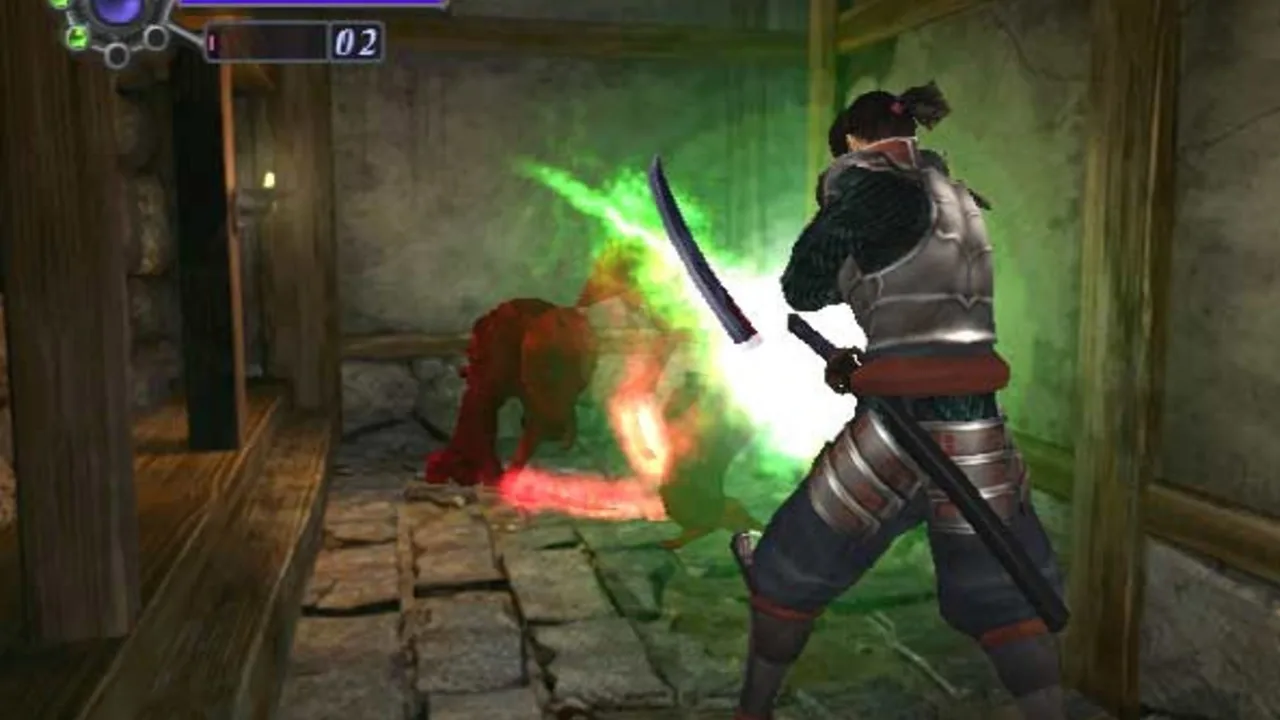
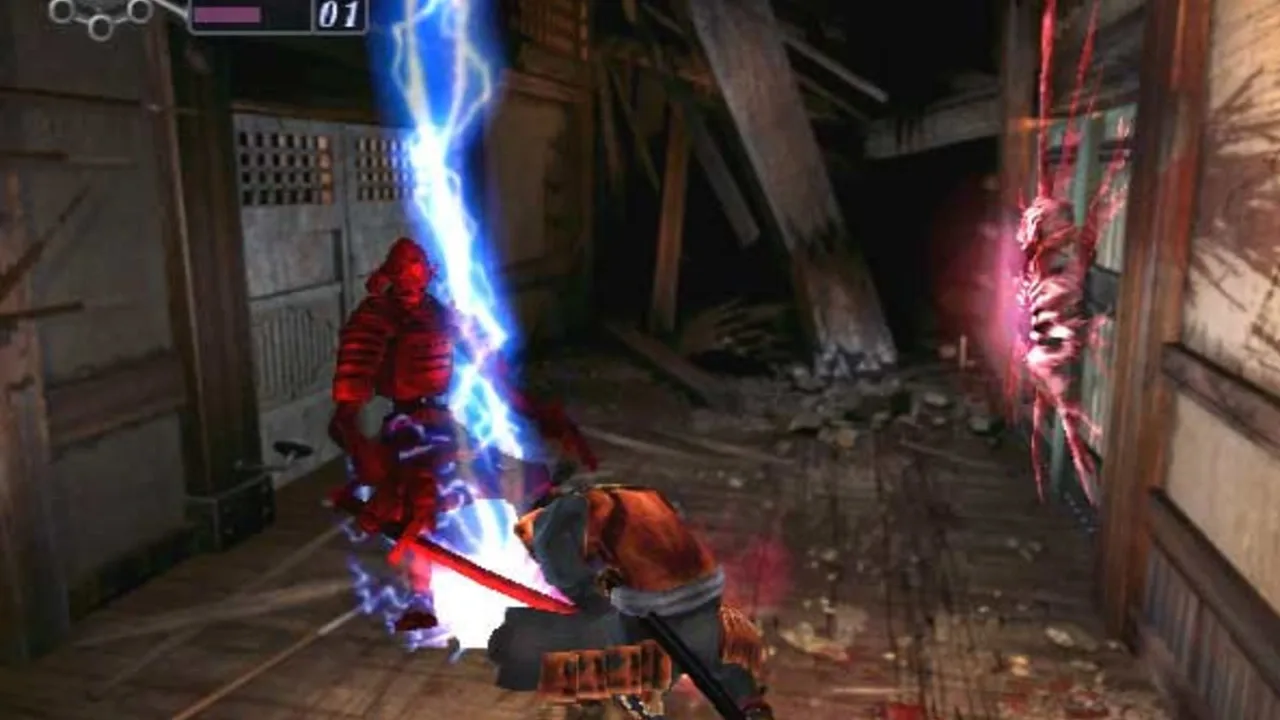
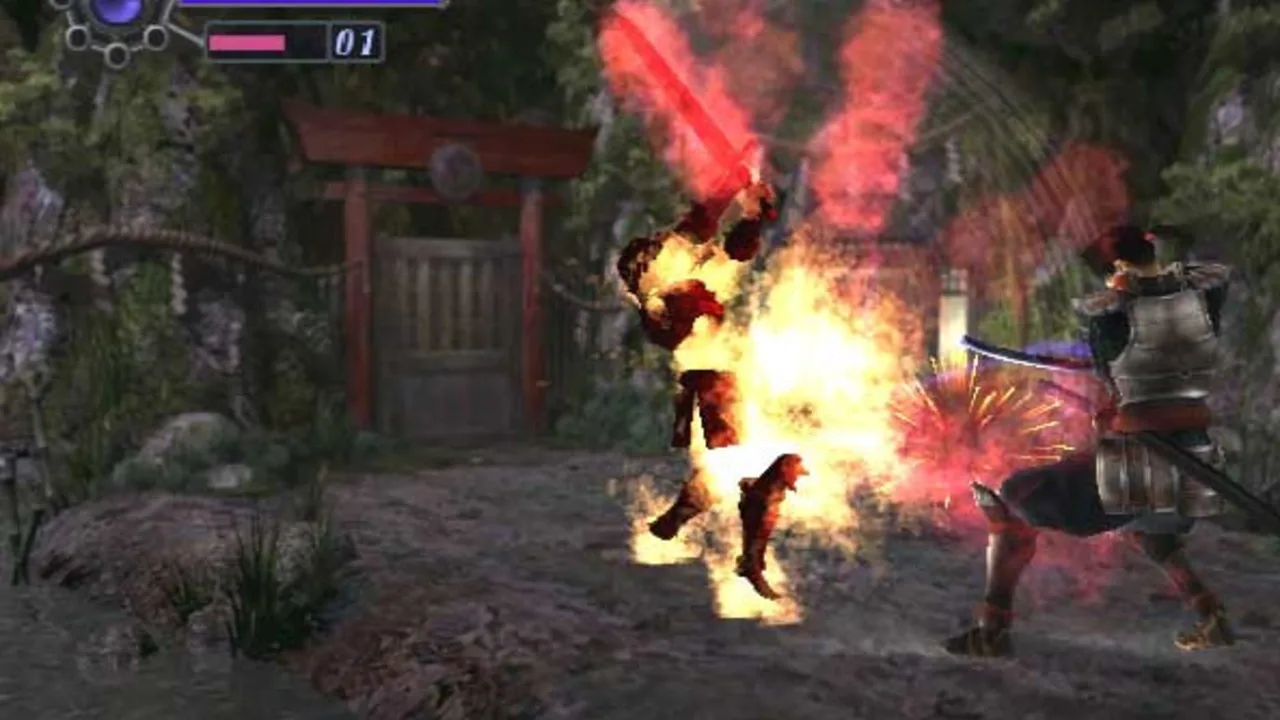
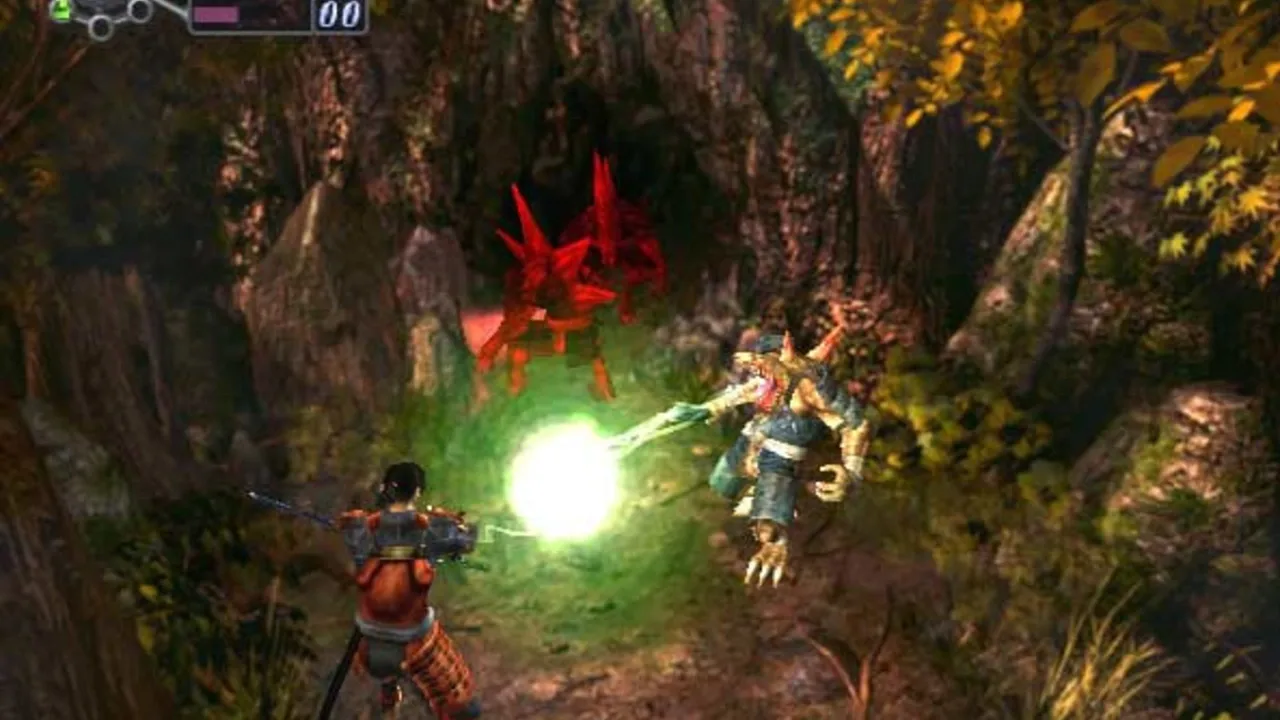
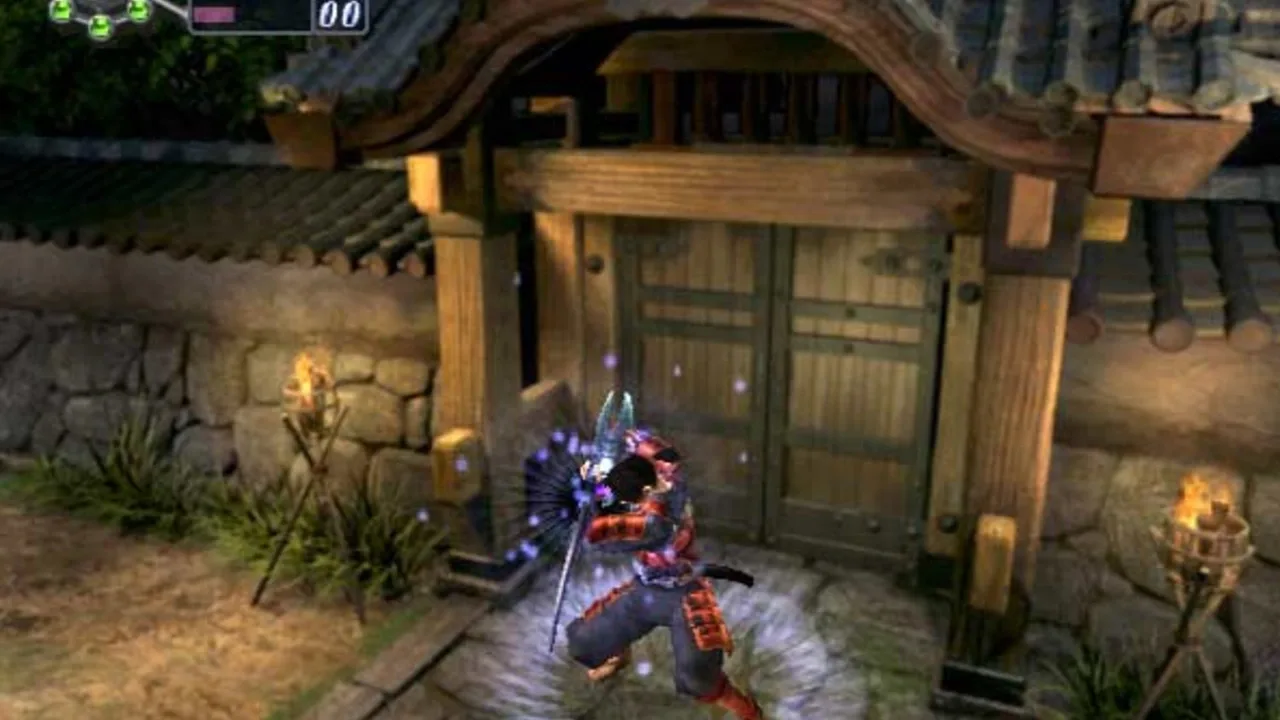
Onimusha: Warlords is an epic saga of 16th century Japan inspired by the battle scenes of famed Japanese director Akira Kurosawa. It takes place in a world of darkness and magic when power hungry warlords battle for control of Feudal Japan. One brave Samurai, Samanosuke Akechi, boldly volunteers to rescue the kidnapped princess Yuki, but does not fully realize the desperation of this mission. An entire legion of demon warriors stands between him and his mission to avenge the princess.
Part of collection:
Onimusha
(last 3 games)
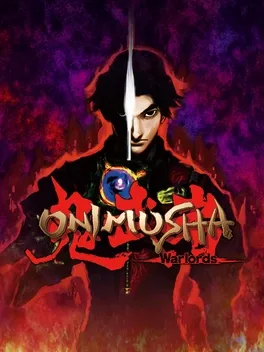
This enhanced HD version of Onimusha: Warlords now supports 16:9 wide screen resolution as well as the old 4:3 ratio. Improved controls now allow players to move and fight with analog-stick precision. The Japanese voices have been re-recorded for this remaster, and the brand new soundtrack promises to be even more spectacular than the original.

Onimusha Soul is a web-oriented game based on the Onimusha series of samurai action games. The game is a Sengoku simulation RPG and features many cameos in the form of cards from other characters (mostly female) in the Capcom universe.
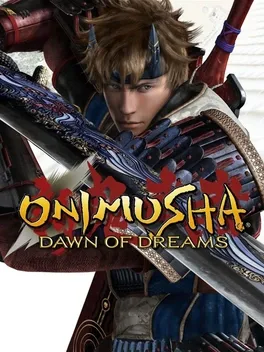
Onimusha: Dawn of Dreams is the sixth installment of Capcom's Onimusha series and the fourth game in the canonical main series. While the game retains the action elements from previous Onimusha titles, it offers a wider variety of weapons and the option to return to earlier stages to unlock new content. The game also introduces a 3D camera and the ability to continuously fight alongside AI-controlled characters that follow the player's orders. Capcom announced Dawn of Dreams in response to high fan demand and after several Capcom members realized they could expand Onimusha's action elements following their work on Shadow of Rome. The game was designed to appeal to skilled gamers rather than the general market, resulting in designs that prioritize appeal over realism.
Could be interesting
Onimusha: Warlords is an epic saga of 16th century Japan inspired by the battle scenes of famed Japanese director Akira Kurosawa. It takes place in a world of darkness and magic when power hungry warlords battle for control of Feudal Japan. One brave Samurai, Samanosuke Akechi, boldly volunteers to rescue the kidnapped princess Yuki, but does not fully realize the desperation of this mission. An entire legion of demon warriors stands between him and his mission to avenge the princess.
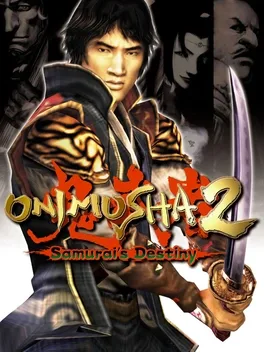
Onimusha 2 is the second installment in the Onimusha series of video games released in May of 2002. The game retains the action elements from its predecessor such as the use of multiple special weapons that can be upgraded by defeating enemies. Apart from the main character, the game features four playable sub-characters, each of whom shares a part in the story. The player's actions determine which characters will decide to help Jubei in his quest. These characters were added by the Capcom staff to give a bigger depth to the game and expand the game's feeling of adventure.
Onimusha: Dawn of Dreams is the sixth installment of Capcom's Onimusha series and the fourth game in the canonical main series. While the game retains the action elements from previous Onimusha titles, it offers a wider variety of weapons and the option to return to earlier stages to unlock new content. The game also introduces a 3D camera and the ability to continuously fight alongside AI-controlled characters that follow the player's orders. Capcom announced Dawn of Dreams in response to high fan demand and after several Capcom members realized they could expand Onimusha's action elements following their work on Shadow of Rome. The game was designed to appeal to skilled gamers rather than the general market, resulting in designs that prioritize appeal over realism.
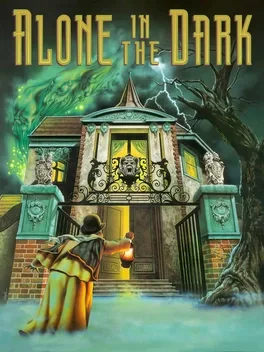
Alone in the Dark is one of the first survival horror games and the first to utilize 3D models superimposed on pre-rendered backgrounds, which would become a key inspiration for upcoming horror games at the time, like the Resident Evil franchise. The player can use various weapons, such as pistol, rifle, swords and knives, though it is possible to kill most enemies with melee attacks. Some opponents can be beaten by solving a particular puzzle, while a significant number of opponents cannot be killed at all or only with certain weapons.
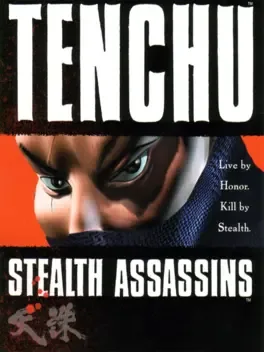
Tenchu: Stealth Assassins is an action-adventure stealth game developed by Acquire and published by Sony Music Entertainment Japan in Japan and Activision worldwide for the PlayStation in 1998. Tenchu is known for its stealth gameplay and the eerie settings of feudal Japan. Tenchu was one of the first ninja games to incorporate stealth, a very crucial aspect of ninjutsu. However, aside from featuring traditional martial arts in battles, the game incorporates elements of historical fantasy and Japanese mythology. The game also used motion capture, where actor/martial artist Sho Kosugi and his son Kane were hired as actors for the game's combat moves.
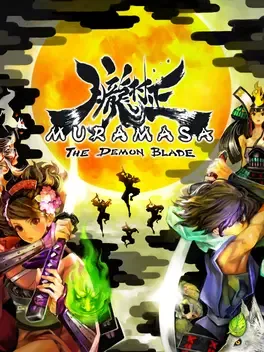
Based on ancient Japanese lore, Murumasa: The Demon Blade plunges players into the mystical Genroku era, ruled by the skilled shogun Tsunayoshi Tokogawa. But this culture is threatened; Tokugawa's thirst for power leads to a conflict over the enormously powerful, though cursed, Demon Blades. Used in hatred, drenched in blood, the cursed blades condemn those who use them to tragedy, madness, and untimely deaths. As chaos spreads, denizens from the netherworld breach their realm as these malevolent swords summon evil spirits -- and the Dragon and Demon Gods as well. Featuring hand-drawn 2D art reflecting the heritage and tone of the storyline, Muramasa: The Demon Blade transports players into a little known mythology, envisioned by the creators of the critically acclaimed Odin Sphere. Players take on the role of a male ninja or female kunoichi, utilizing their ninja prowess to traverse the clever side-scrolling levels that feature vertical progression as well as the traditional horizontal stage advancement.
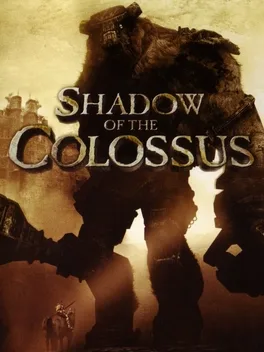
An open-world action/adventure game in which a young wanderer, along with a stolen magical sword and his steed companion, trespasses a cursed land, makes a deal with an ancient being to bring a sacrificial victim back to life, and sets off to fulfill his end of the bargain, which involves tracking down and infiltrating the abodes of sixteen colossi and sacrificing them to achieve his goal.
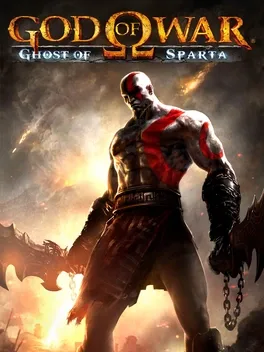
"Marking Kratos' second foray into portable gaming, God of War: Ghost of Sparta stands as a spin-off nestled between the events of God of War and God of War II. Despite ascending to the title of the god of war, Kratos remains haunted by nightmarish visions. One such vision compels him to embark on a new journey when he witnesses his mother, Callisto, imprisoned in Atlantis under the dominion of the sea god Poseidon. Against Athena's counsel to ignore the vision, Kratos sets forth to unravel his past and, in the process, rescue his long-lost brother, Deimos, from the clutches of the god of death, Thanatos. This second instalment for the PlayStation Portable (PSP) maintains a gameplay style akin to its predecessor, introducing a handful of new mechanics. Kratos wields his trusty Blades of Athena in this quest, now augmented with a new magic known as Thera's Bane, amplifying the potency of his attacks. The game also introduces several new magical items and a fresh secondary weapon. In addition to the captivating story mode, Ghost of Sparta offers the "Temple of Zeus," a location where players can spend orbs acquired in the Battle Arena to acquire various art and other bonuses."
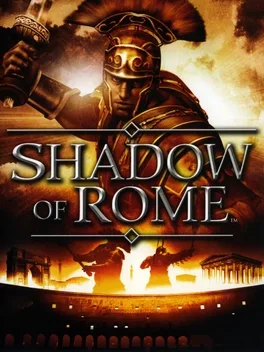
The year is 44 B.C. The grandeur of the Republic of Rome has been tarnished by political corruption and society has been overrun by unruliness and violence. Julius Caesar advocates for drastic reform but he is met with opposition and murdered. The horrific news finds its way to the ears of one soldier, Agrippa, whose father is accused of the murder. Unfortunately, time is running out for Agrippa as his father is to be publicly executed by the winner of the next gladiatorial event. Venture throughout ancient Rome with the help of Agrippas best friend, Octavius, and a female gladiator named switch between Agrippa and Octavius, each of whom have their own area of expertise, to rescue Agrippas father and uncover the switch between Agrippa and Octavius, each of truth.
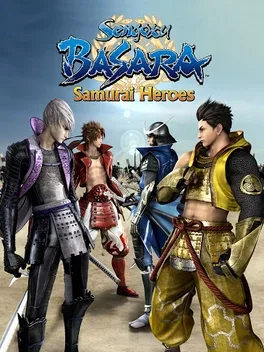
Featuring unique playable characters, as well as supporting generals who will make it easier to command and lead armies, players will see the battle from the perspective of each military commander with the ultimate goal of re-writing history to rule all of 16th century Japan. In the dynamic new "Hero's Story" mode, the player's decisions impact history with a redesigned story mode. Based on choices made by the player, new drama unfolds as friends become enemies, enemies become friends, and a new Sengoku story unfolds. Adding a new strategic element to the game, forces can fight for control/taking over of camps and ultimately entire battlefields.