
Harvest Moon for Girl



Buy
Parent game
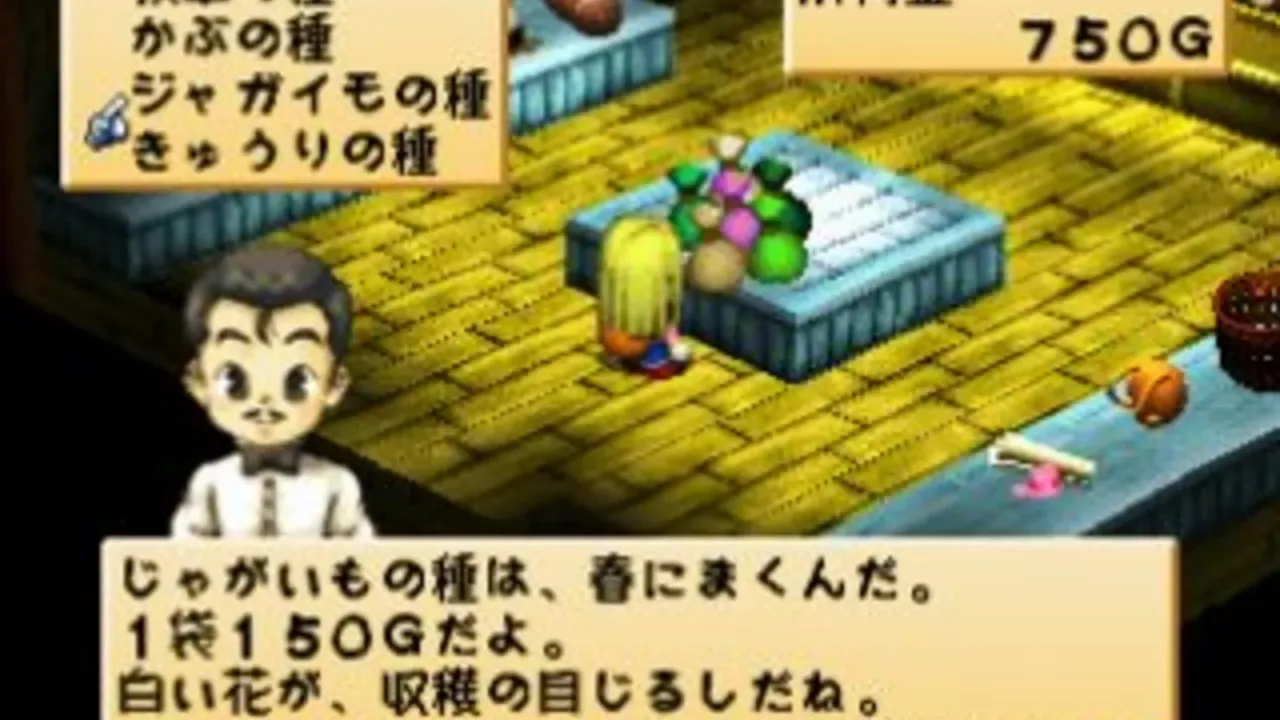
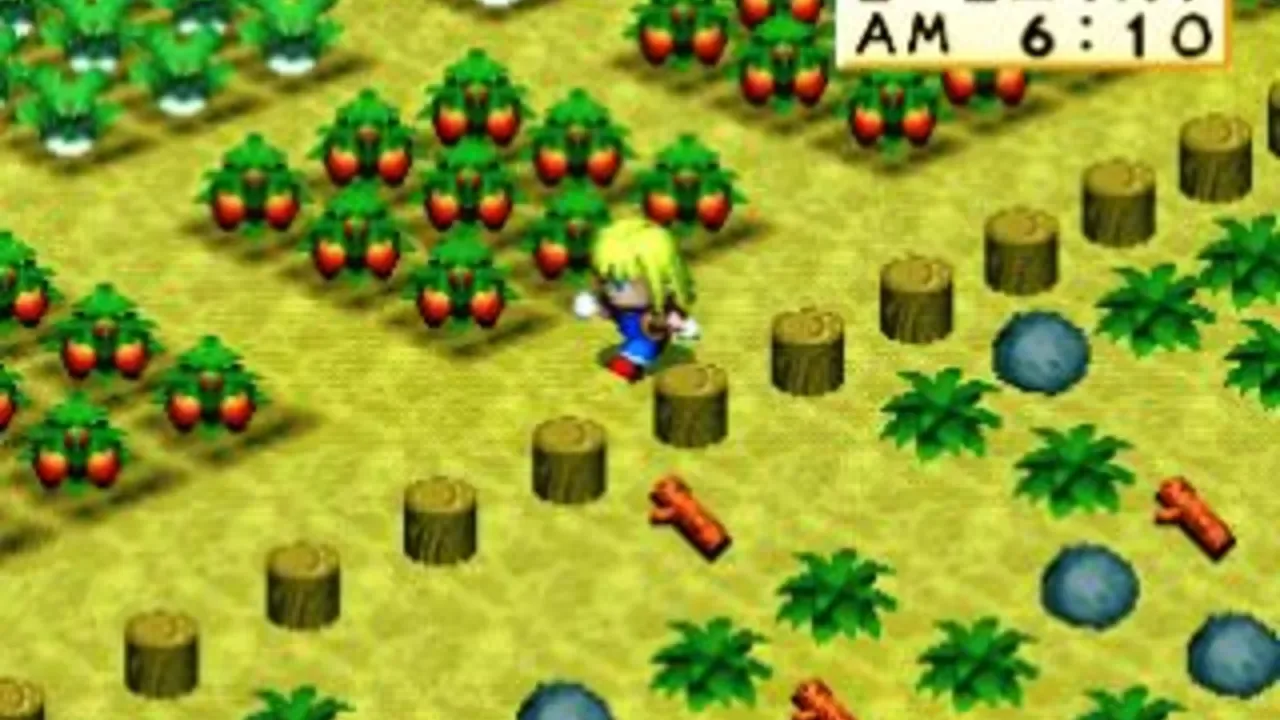
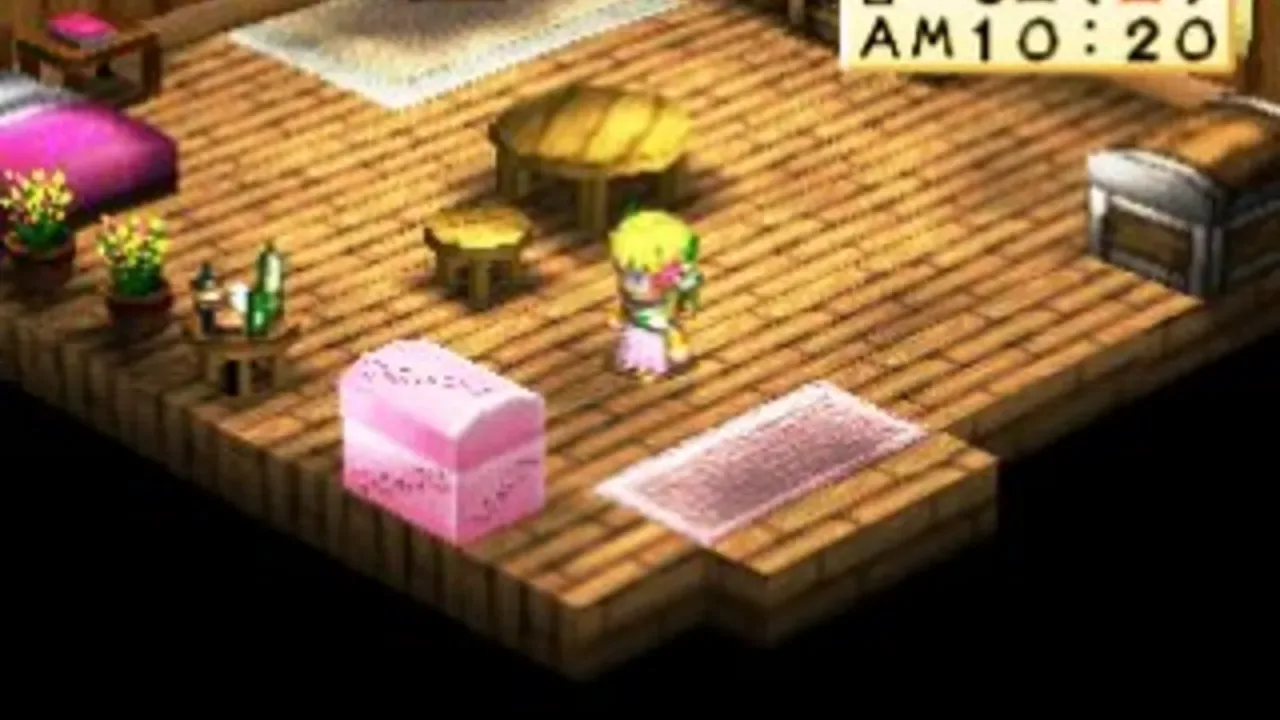
Natsume's farm simulation series makes its debut on the PlayStation with Harvest Moon: Back to Nature. It is the first Harvest Moon game for a non-Nintendo console. Starting with a few rudimentary implements and very little money, players begin the arduous task of reviving their grandfather's farm and thereby claiming their place as its rightful heir. Players are given three years to achieve this goal. A year consists of four seasons, each of which lasts 30 days. Different crops can be planted each season, but before the seeds can be planted, the land must be cleared and then the soil tilled. Seeds must also be watered until the fruit or vegetable matures. Once the crops are ready for harvest, they can be placed in a shipping bin where they'll be collected and paid for. In addition to farming, players will interact with local villagers and partake in seasonal events such as the Tomato Festival and Fireworks Display. As more money is earned, players can expand their farm and begin to raise livestock such as chickens and cows.
Part of collection:
Harvest Moon
(last 3 games)
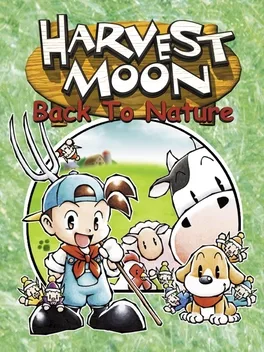
A port of Harvest Moon: Back to Nature, enhanced with up-rendering, rewind, quick save, and custom video filters. It is the first Harvest Moon game for a non-Nintendo console. Starting with a few rudimentary implements and very little money, players begin the arduous task of reviving their grandfather's farm and thereby claiming their place as its rightful heir. Players are given three years to achieve this goal. A year consists of four seasons, each of which lasts 30 days. Different crops can be planted each season, but before the seeds can be planted, the land must be cleared and then the soil tilled. Seeds must also be watered until the fruit or vegetable matures. Once the crops are ready for harvest, they can be placed in a shipping bin where they'll be collected and paid for. In addition to farming, players will interact with local villagers and partake in seasonal events such as the Tomato Festival and Fireworks Display. As more money is earned, players can expand their farm and begin to raise livestock such as chickens and cows.
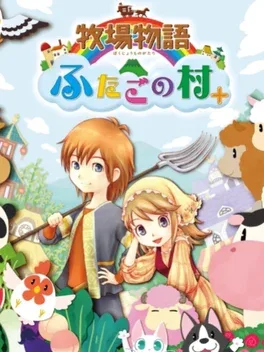
Bokujou Monogatari: Futago no Mura+ is a Japanese-exclusive Enhanced port of Harvest Moon: The Tale of Two Towns.
Natsume's farm simulation series makes its debut on the PlayStation with Harvest Moon: Back to Nature. It is the first Harvest Moon game for a non-Nintendo console. Starting with a few rudimentary implements and very little money, players begin the arduous task of reviving their grandfather's farm and thereby claiming their place as its rightful heir. Players are given three years to achieve this goal. A year consists of four seasons, each of which lasts 30 days. Different crops can be planted each season, but before the seeds can be planted, the land must be cleared and then the soil tilled. Seeds must also be watered until the fruit or vegetable matures. Once the crops are ready for harvest, they can be placed in a shipping bin where they'll be collected and paid for. In addition to farming, players will interact with local villagers and partake in seasonal events such as the Tomato Festival and Fireworks Display. As more money is earned, players can expand their farm and begin to raise livestock such as chickens and cows.
Part of franchise:
Harvest Moon
(last 3 games)
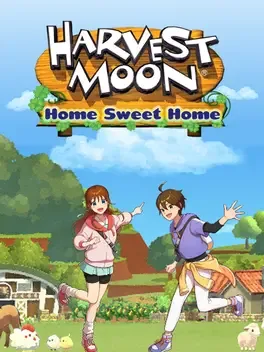
Head back to your roots and leave the city life for your childhood village of Alba in Harvest Moon: Home Sweet Home, where the freshest fish and tastiest veggies are grown and caught by the local farmers and anglers! However, with its population getting older and younger villagers leaving for the big city, Alba Village has seen better days, so can you help turn it from a village on the decline to one of prosperity? With its beautiful surroundings, Alba definitely has the potential, so work hard to bring tourists and even new residents to this sprawling green village! Reunite with your childhood friend and other familiar faces to help put Alba on the map!
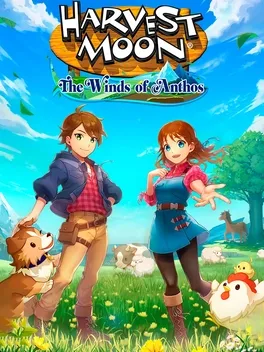
In celebration of the 25th Anniversary of the Harvest Moon franchise, Harvest Moon: The Winds of Anthos will offer new functions while keeping the core fundamentals that has made the series so popular. The land players will explore is known as Anthos, and is home to the Harvest Sprites, spirits that protect people and nature, as well as the goddess of nature known as the Harvest Goddess. However, about 20 years ago, an unprecedented eruption in Anthos's volcanic region forced the Harvest Goddess and her Harvest Sprites to use all of their powers to protect the people. The people were saved, but the eruption left the villages cut off from each other... Believing that the separated villages and people would one day be reconnected, the Harvest Goddess sent a bottle into the ocean with a letter and a magic key, then fell into a deep sleep...
A port of Harvest Moon: Back to Nature, enhanced with up-rendering, rewind, quick save, and custom video filters. It is the first Harvest Moon game for a non-Nintendo console. Starting with a few rudimentary implements and very little money, players begin the arduous task of reviving their grandfather's farm and thereby claiming their place as its rightful heir. Players are given three years to achieve this goal. A year consists of four seasons, each of which lasts 30 days. Different crops can be planted each season, but before the seeds can be planted, the land must be cleared and then the soil tilled. Seeds must also be watered until the fruit or vegetable matures. Once the crops are ready for harvest, they can be placed in a shipping bin where they'll be collected and paid for. In addition to farming, players will interact with local villagers and partake in seasonal events such as the Tomato Festival and Fireworks Display. As more money is earned, players can expand their farm and begin to raise livestock such as chickens and cows.
Part of franchise:
Story of Seasons
(last 3 games)
A port of Harvest Moon: Back to Nature, enhanced with up-rendering, rewind, quick save, and custom video filters. It is the first Harvest Moon game for a non-Nintendo console. Starting with a few rudimentary implements and very little money, players begin the arduous task of reviving their grandfather's farm and thereby claiming their place as its rightful heir. Players are given three years to achieve this goal. A year consists of four seasons, each of which lasts 30 days. Different crops can be planted each season, but before the seeds can be planted, the land must be cleared and then the soil tilled. Seeds must also be watered until the fruit or vegetable matures. Once the crops are ready for harvest, they can be placed in a shipping bin where they'll be collected and paid for. In addition to farming, players will interact with local villagers and partake in seasonal events such as the Tomato Festival and Fireworks Display. As more money is earned, players can expand their farm and begin to raise livestock such as chickens and cows.
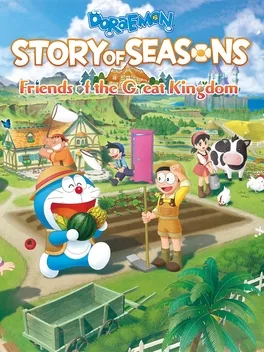
Doraemon, Noby and their friends land on an unknown planet and decide to help a new friend fulfill his dreams—by farming! Plow the fields, harvest crops and tend to the animals. You can even use Doraemon’s secret gadgets to farm in a flash! Relax by living with friends, eating delicious meals and fishing. And with local play, you and a pal can build a ranch together!

The long-awaited brand new entry in the original farm/life simulation franchise, known in Japan as Bokujo Monogatari, makes its debut on Nintendo Switch, bringing players more freedom than ever before to shape an untamed wilderness and customize their farm down to the very tile. A new cast of marriage candidates, a town that grows and thrives along with your farm, and a request system highlight the new features, all while retaining the core elements of the STORY OF SEASONS series. Finding Earth Sprites while exploring your farmland may lead you to mysterious, fantastical lands such as gardens where the seasons never change, an island in the sky, or even the inside of a volcano!
Could be interesting

Suikoden is a Japanese-style role-playing game with several unusual additions. There are three kinds of combat in the game, the most common one being the traditional turn-based party combat (players can have up to six people in their active party). Magic runes can be equipped on the player's characters which allow limited usage of offensive and healing spells. There are also a few army battles, where the player must control whole units of fighters, archers, magicians, etc., and one-on-one fights (duels).
Natsume's farm simulation series makes its debut on the PlayStation with Harvest Moon: Back to Nature. It is the first Harvest Moon game for a non-Nintendo console. Starting with a few rudimentary implements and very little money, players begin the arduous task of reviving their grandfather's farm and thereby claiming their place as its rightful heir. Players are given three years to achieve this goal. A year consists of four seasons, each of which lasts 30 days. Different crops can be planted each season, but before the seeds can be planted, the land must be cleared and then the soil tilled. Seeds must also be watered until the fruit or vegetable matures. Once the crops are ready for harvest, they can be placed in a shipping bin where they'll be collected and paid for. In addition to farming, players will interact with local villagers and partake in seasonal events such as the Tomato Festival and Fireworks Display. As more money is earned, players can expand their farm and begin to raise livestock such as chickens and cows.
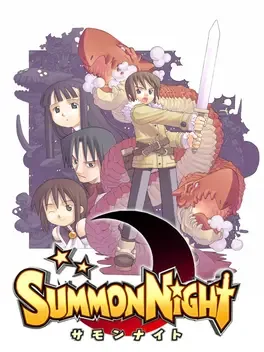
Summon Night is a Japanese tactical RPG and the first entry in the Summon Night series. This game follows the story of a Japanese high schooler, who is suddenly summoned into the world of Lyndbaum. The main character gets involved in a series of conflicts between gangs, classes, factions and worlds. He/she has to use the power of summons to solve those problems while trying to return to his or her own homeworld.
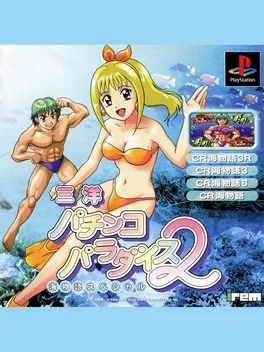
Pachinko Paradise 2 is the second title in Irem's long-running pachinko simulation series. It features reproductions of four pachinko machines made by Sanyo Bussan: CR Umi Monogatari 3R, CR Umi Monogatari 3, CR Umi Monogatari 6, and CR Umi Monogatari. There are two modes available: Tsūjō (Normal) mode allows the player to modify a wide range of settings for each machine, while Jissen (Battle) mode challenges the player to win as many balls as possible on the default settings with a limited starting pool and time limit. There is also a View mode where the various animations that play on the in-game display can be freely viewed. Unlike the previous title, there is no story mode.
A convenience store simulation game.
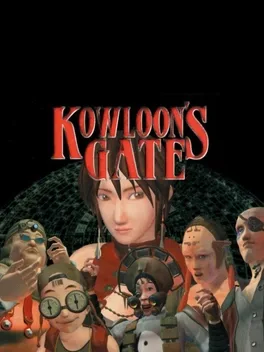
Kowloon's Gate is a 1997 Japanese adventure video game developed by Zeque. Set in the Kowloon Walled City in Hong Kong, it is considered a cult hit. Kowloon's Gate is a first person adventure game that puts the player in a futuristic fantasy world in which he will take the role of a young woman (a master feng shui) that will have to encounter different people, fight evil enmies, and solve some strange situations and puzzle to advance in the adventure and try to make that the world won't dissappear. Kowloon's Gate uses motion JPEG technology to render the strange CG enviroments you'll explore. Interact with unique characters, traverse the real-time 3D scenes freely, and solve imaginative puzzles in this Adventure game.
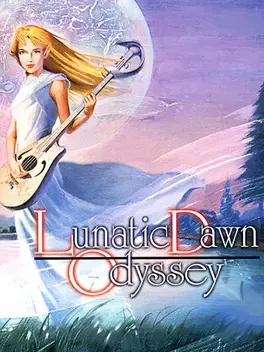
Lunatic Dawn Odyssey is a RPG in which the player controls a group of adventures that begina quest, they will go through different towns and other places. In their journeys they will face different kind of enemies and could talk to different characters and they can change their equipment in the shops. The game uses a first person perspective in the adventure part and a third person perspective in the battle part. The battle part is the classic turn based rpg style. The game features a high degree of freedom since the character can get married and have children and each time that the game is played the circunstances can changed so there are a lot of different endings.
Sougaku Toshi Osaka is a simulation game that takes place in the future in which the player can choose a party of 3 member from 6 different characters. In the game the characters can improve their stats doing different jobs and activities each week meanwhille they go to different places of Osaka and there they can talk with different characters and go to shops and buy different items. The gameplay use a first person perspective and use close up views when the player characters appear and when they talk to other characters. The game features different events during the weeks.
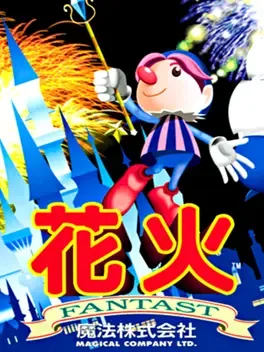
This is the fascinating firework simulation game! Save the theme park "Fireworks Land" that is loved by everyone! Gather firework materials at each stage and create specified or original fireworks for each area. Launch your fireworks on the beautiful stage of the Fireworks Land that is brilliantly drawn in 3D!
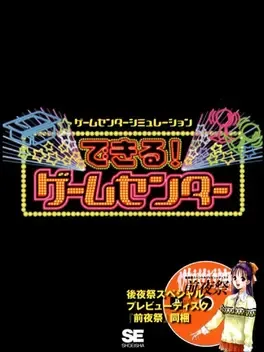
Simulation title where players can run their very own game center, with many parodies and homages of popular arcade titles.