
Kung Fu Chess

Buy
Could be interesting

Bring the trading card game to life in this intense adventure with real-time fighting, wizard battles, spells and creature combat.
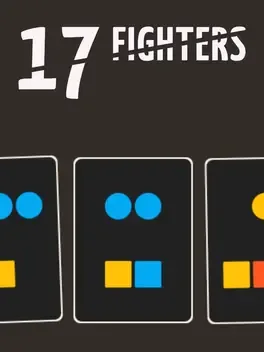
Deck-building card game, defeat 17 fighters one by one!

Rediscover the world's best loved board games, now brought up to date for the PlayStation 2. It includes family favorites: Chess, Checkers, Backgammon, Quatro, Reversi and Enigma.


Pazaak is a card game from out of this Galaxy. The goal of Pazaak is to have your cards add up to as close to 20 as possible. If your opponent has a higher score than you, they win. Simple right? Time to put your Credits where your mouth is. Do you have what it takes to be the Pazaak Champ?


Turochamp is a chess program developed by Alan Turing and David Champernowne in 1948. It was created as part of research by the pair into computer science and machine learning. Turochamp is capable of playing an entire chess game against a human player at a low level of play by calculating all potential moves and all potential player moves in response, as well as some further moves it deems considerable. It then assigns point values to each game state, and selects the move resulting in the highest point value. Turochamp is the earliest known computer game to enter development, but was never completed by Turing and Champernowne, as its algorithm was too complex to be run by the early computers of the time such as the Automatic Computing Engine.

A Chess game released in the Digital ez LG bundle, being one of the two original games in it.

An early computer iteration of Chess for Windows, released as part of Microsoft Entertainment Pack 4.