
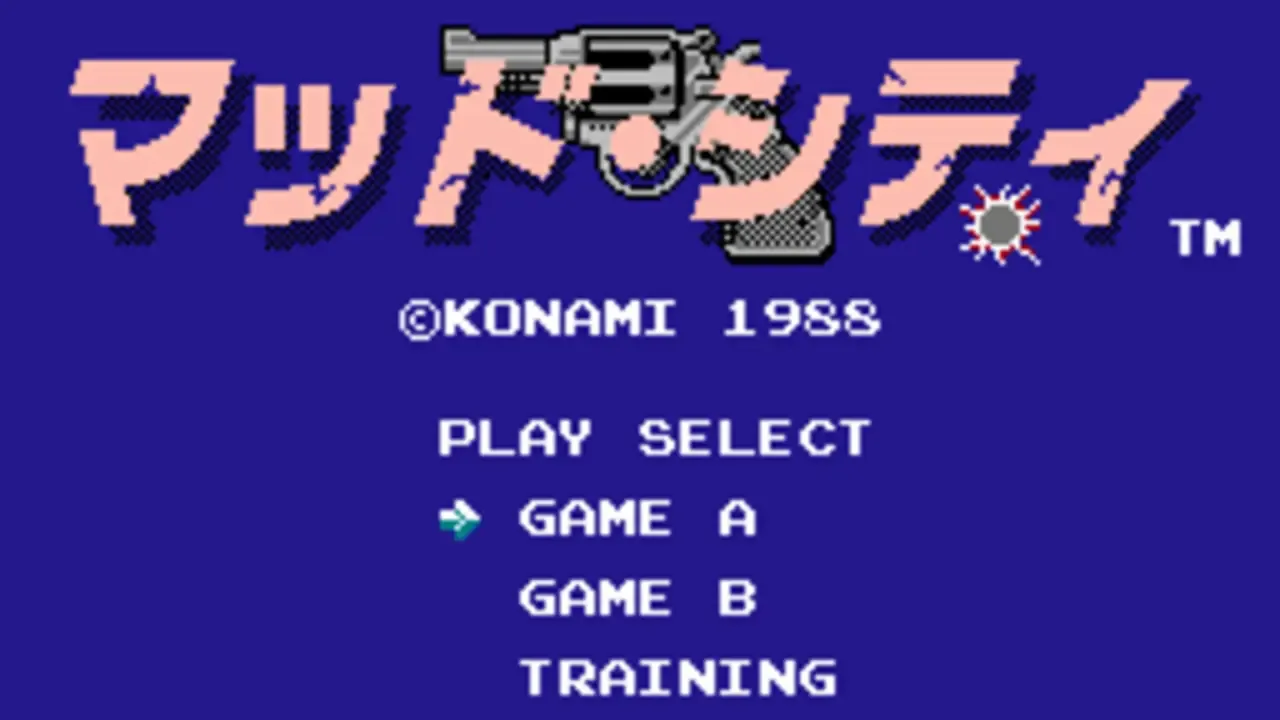
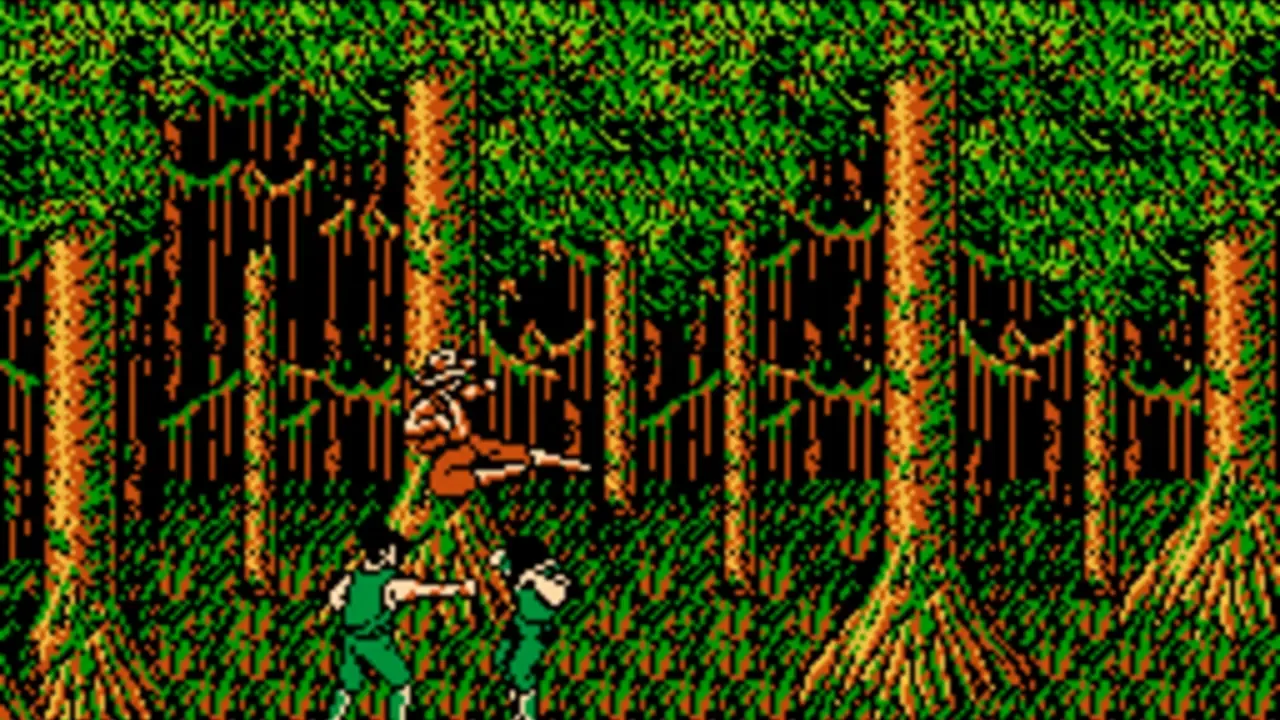
Mad City




Buy
Could be interesting
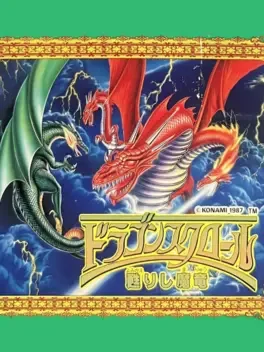
Dragon Scroll: Yomigaerishi Maryuu is an adventure game developed by Konami in 1987 for the Famicom. It is often compared to The Legend of Zelda in terms of game play, but it is considerably more difficult due to the lack of clues or information on how to proceed. The game is non-linear, and you must explore different territories in search of the eight stolen magical artifacts that maintain a sleep spell over a large and dangerous dragon. Enemies roam the overworld and dungeons, and must be defeated in order to earn experience points. Experience points are used to increase the player's level, which makes him stronger and gives him access to stronger weapons and magic. Most useful items are well hidden and, even when obtained, are difficult to determine their appropriate use. The game features a password system which allows you to continue play where you left off.

Adventure game for the CD-ROM² addon for PC-Engine. The player navigates Mei around the environment, examining locations and items of interest, and talking to other characters. There are no puzzles in the game, with the plot advanced by triggering events. Items are used automatically in their corresponding locations.
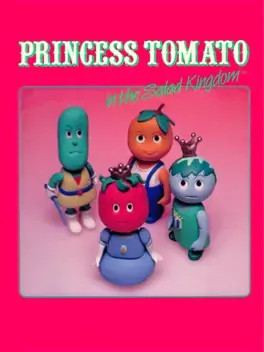
Valiant Sir Cucumber must rescue Princess Tomato from evil Minister Pumpkin in this offbeat adventure game for NES. Static scenes are viewed from a first-person perspective inside a window, with a description of the area appearing underneath. Actions such as "move," "talk," "give," and "fight" are initiated by selecting individual buttons positioned along the view window's edges. You'll interact with an assortment of personified fruits and vegetables throughout your travels across Salad Kingdom, all while acquiring various items to solve puzzles. Pursue Tomato's captors across nine locales to restore peace to the land.

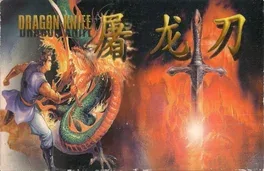
The warrior has to travel the continent to protect his people.

Idol Hakken-den is a Japan-exclusive text adventure video game developed by Natsume and published by Towa Chiki in 1989 for the Family Computer. Erika, an aspiring musician and pop idol, must foil a plot that could ruin her music career. As a Japanese adventure game, players must select through menus of dialogue in order to determine her future. Friends (and sometimes rivals) of Erika give her advice on what to do next. There are six songs in the game; all of them belonging to the J-pop genre. Erika must master them all in order to become the greatest idol in all of Japan. Lyrics are not sung by a voice actor; they are shown on the bottom of the screen instead.
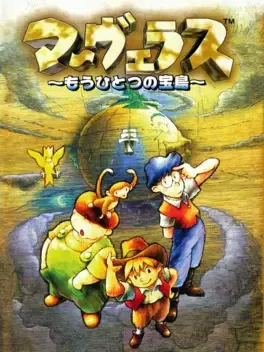
The great Captain Maverick was a pirate of legend who kept his treasure called "Marvelous" hidden that could only be found by those who were willing to solve puzzles that many deemed unsolvable. A group of children, however, will use their wits to prove them wrong when they go to the island where the treasure is said to be held. A group of pirates, however, have similar intentions. The game was referred as a spirit in Super Smash Bros. Ultimate, with the official romanization of "Marvelous: Mouhitotsu no Takarajima".
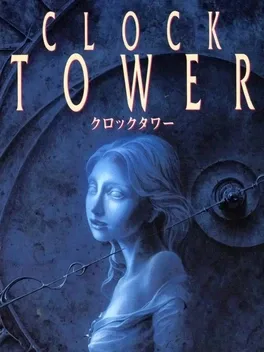
Clock Tower is a survival horror point-and-click adventure game developed and published by Human Entertainment for the Super Famicom in 1995. It is the first installment of the long-running Clock Tower series. The story follows Jennifer Simpson as she learns the secrets of the Barrows Mansion and attempts to escape the game's antagonist, Scissorman.
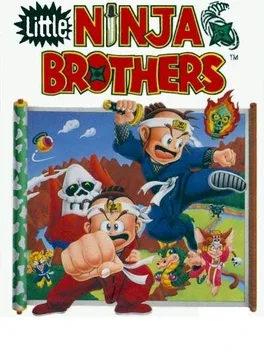
Little Ninja Brothers, known in Japan as Super Chinese 2, is a 1989 video game developed and published by Culture Brain for the Nintendo Entertainment System in 1989 in Japan, 1990 in the United States, and 1991 in Europe. It is the second game in the Super Chinese series. The plot follows two young ninjas, Jack and Ryu, attempting to find out the mysterious reason for the invasion of Chinaland by Blu Boltar. It was the second game in the series, preceded by Kung-Fu Heroes, and followed up by a sequel Super Ninja Boy, released on the Super NES. There were also two Ninja Boy spin-off games released for the Game Boy in both regions. A manga adaption of the game was serialized in early issues of video game magazine GamePro.
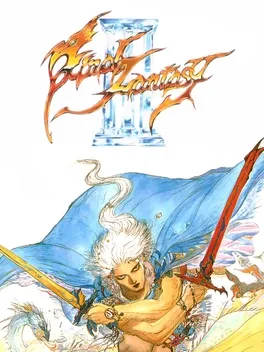
Final Fantasy III is the third FF game for the Famicom. The turn-based battle engine has been improved: if the enemy is defeated, the next character will automatically switch to another enemy, and not hit the air, like in the previous two games. The game itself is, like the previous games, a top-down RPG where your characters travel in the overworld, sometimes entering cities and dungeons to buy equipment, rest and fight random encounters and bosses with turn-based combat. Final Fantasy III also introduces various series staples, such as the Job system and the Moogle species.