
Metal Max 2


Buy
Expanded games
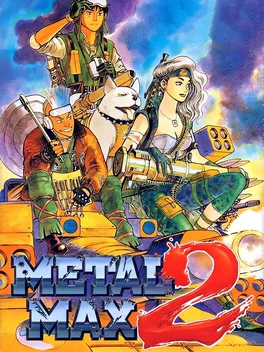
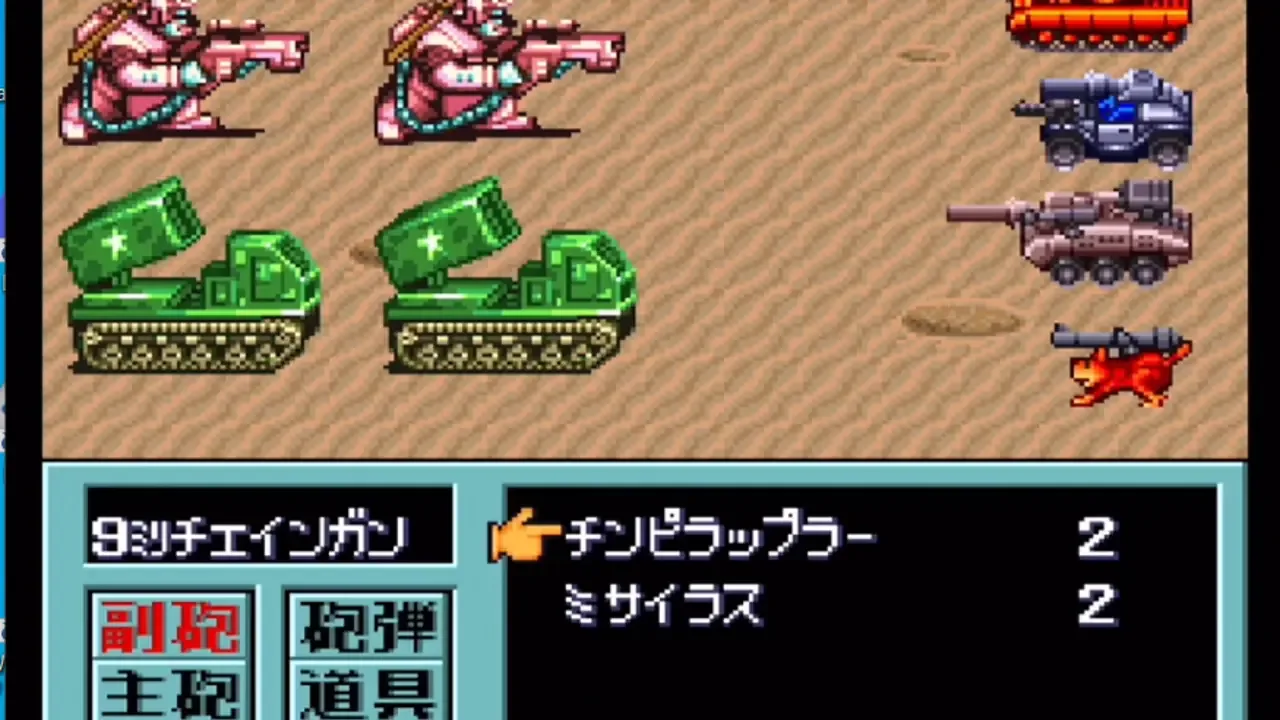
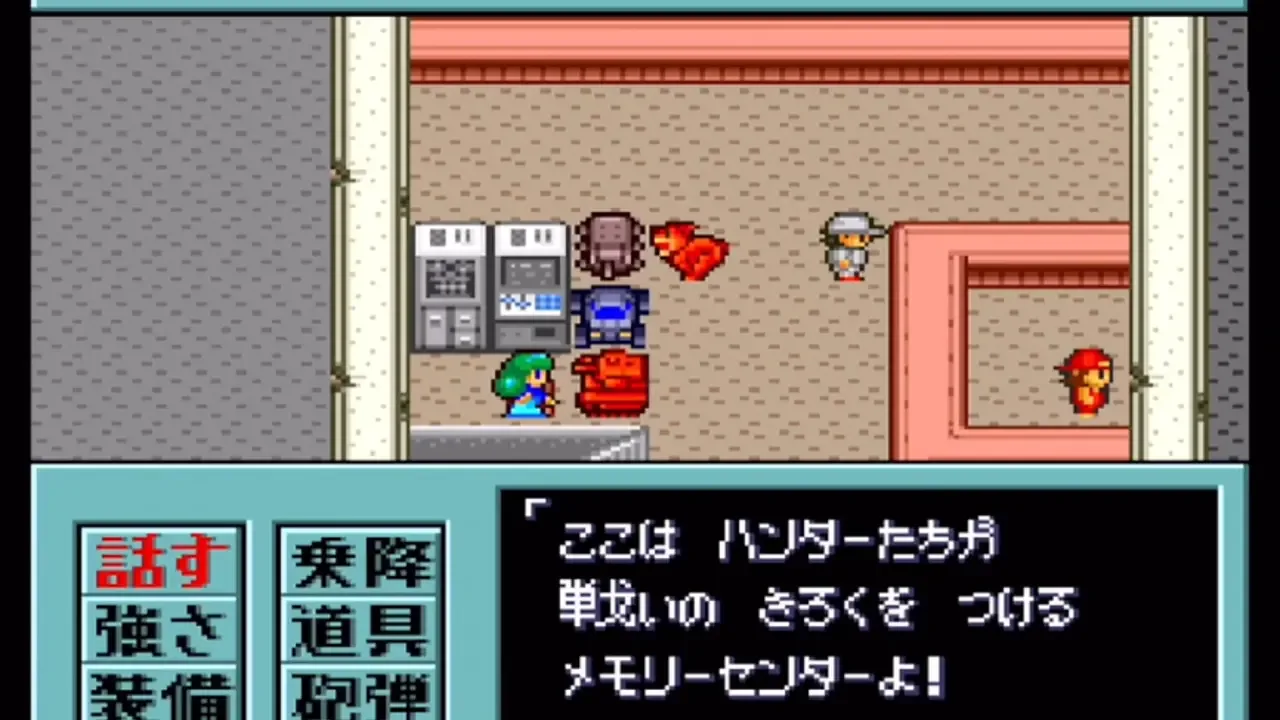
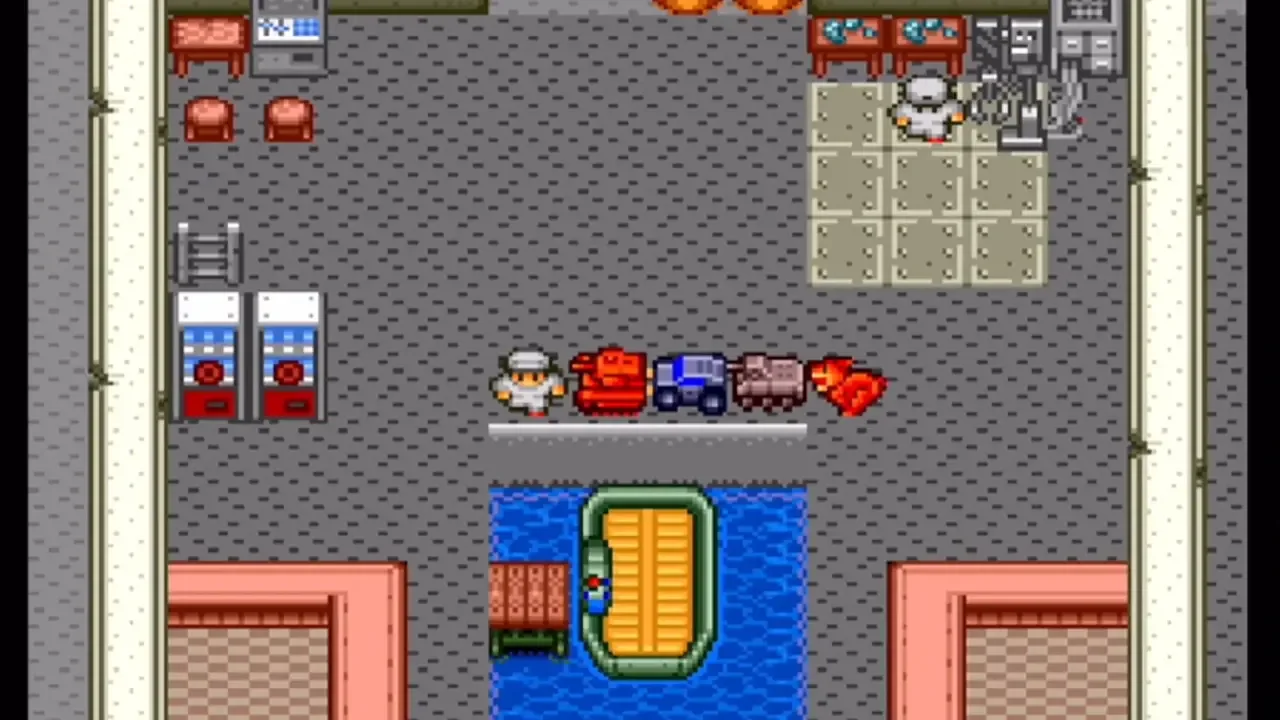
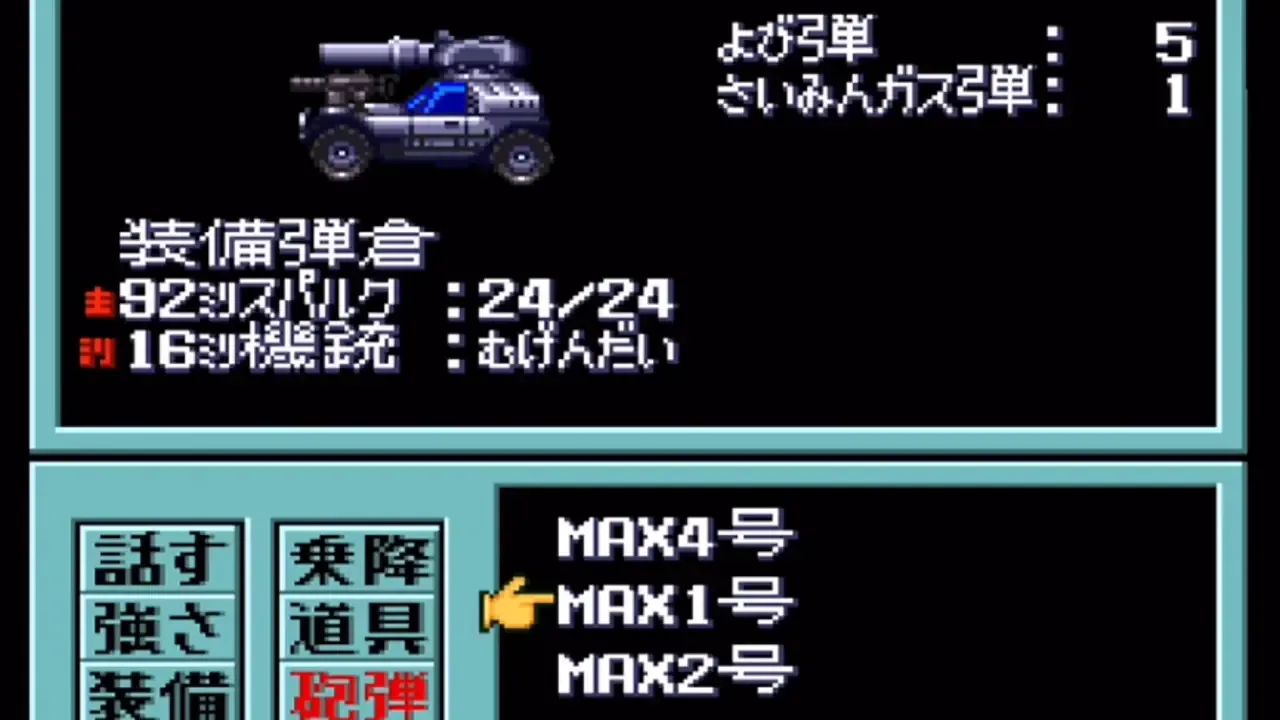
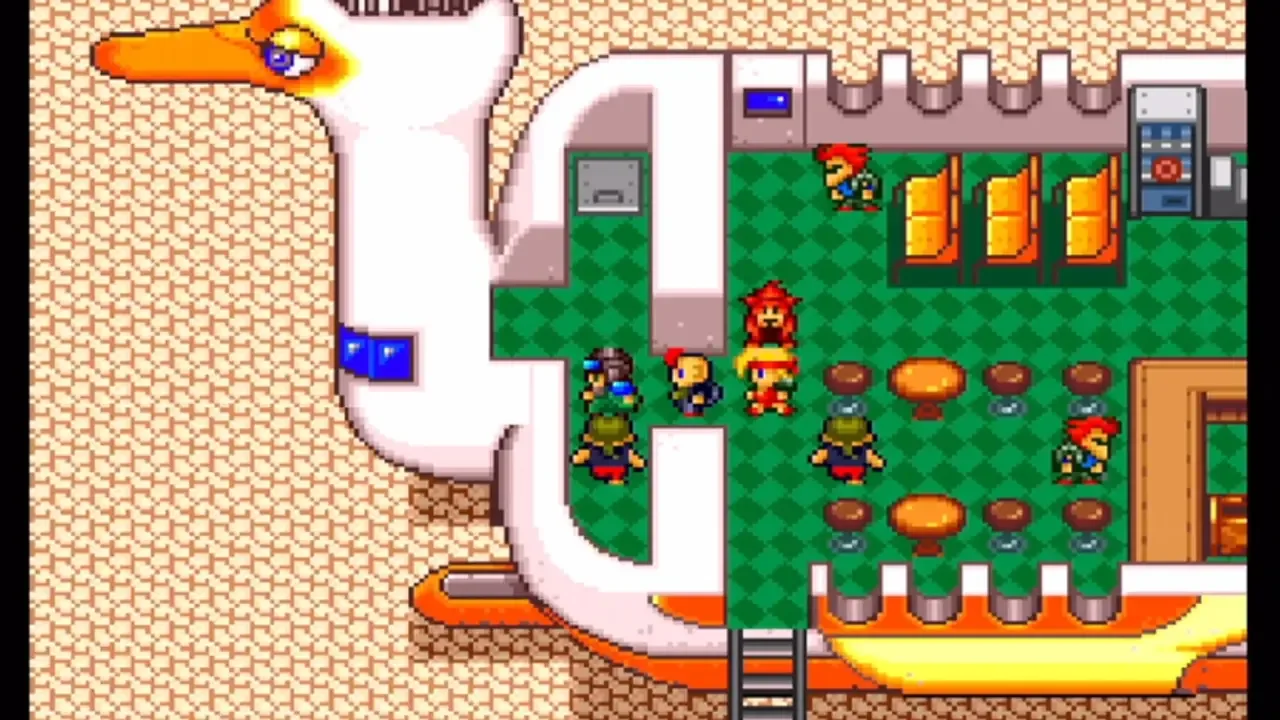
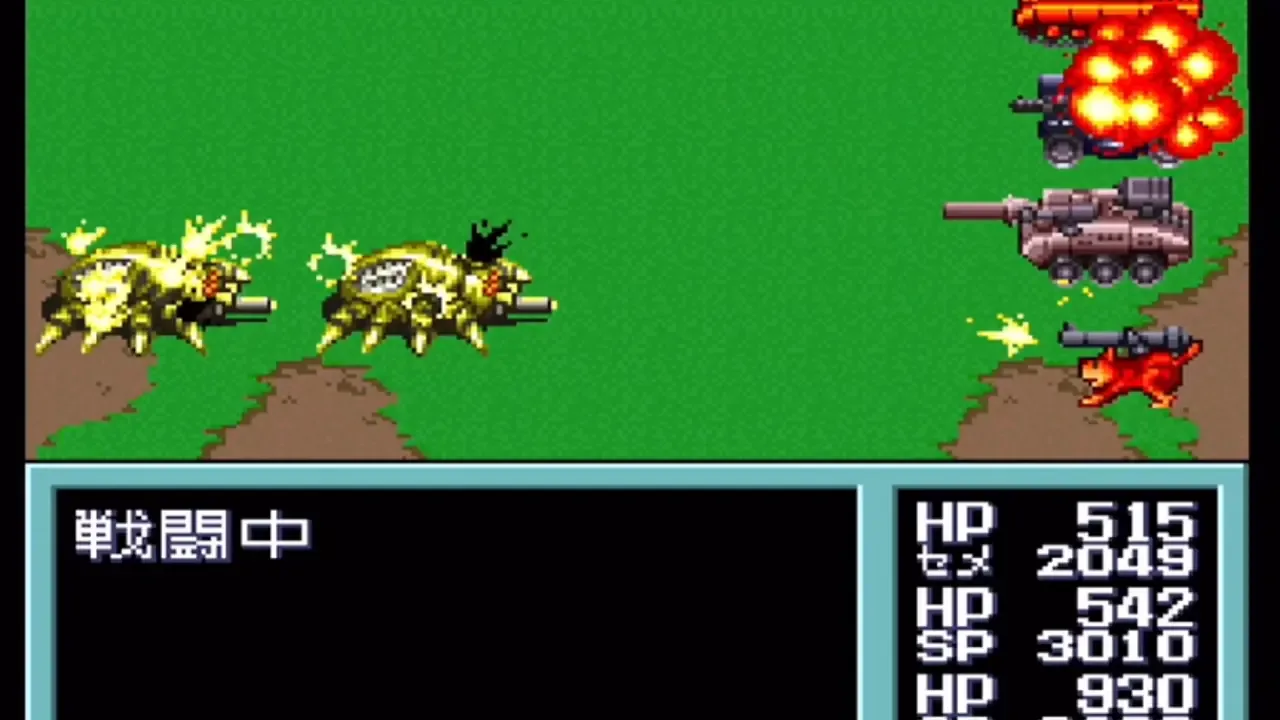
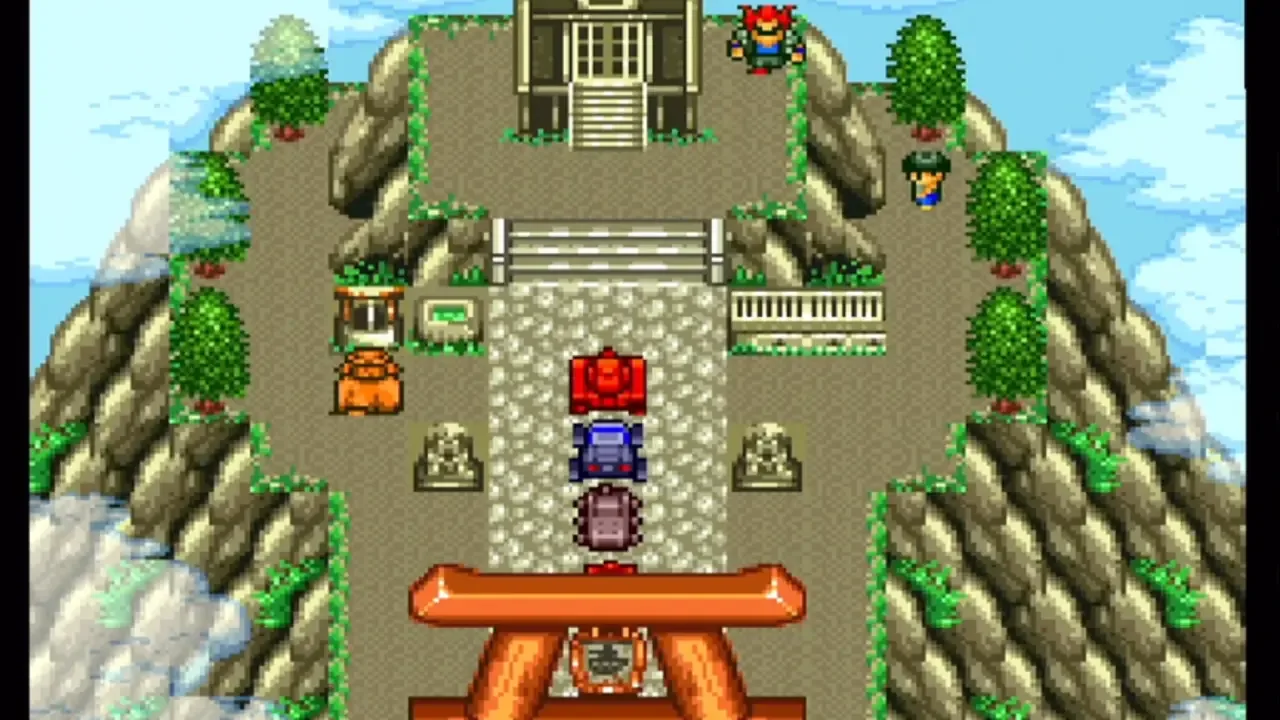
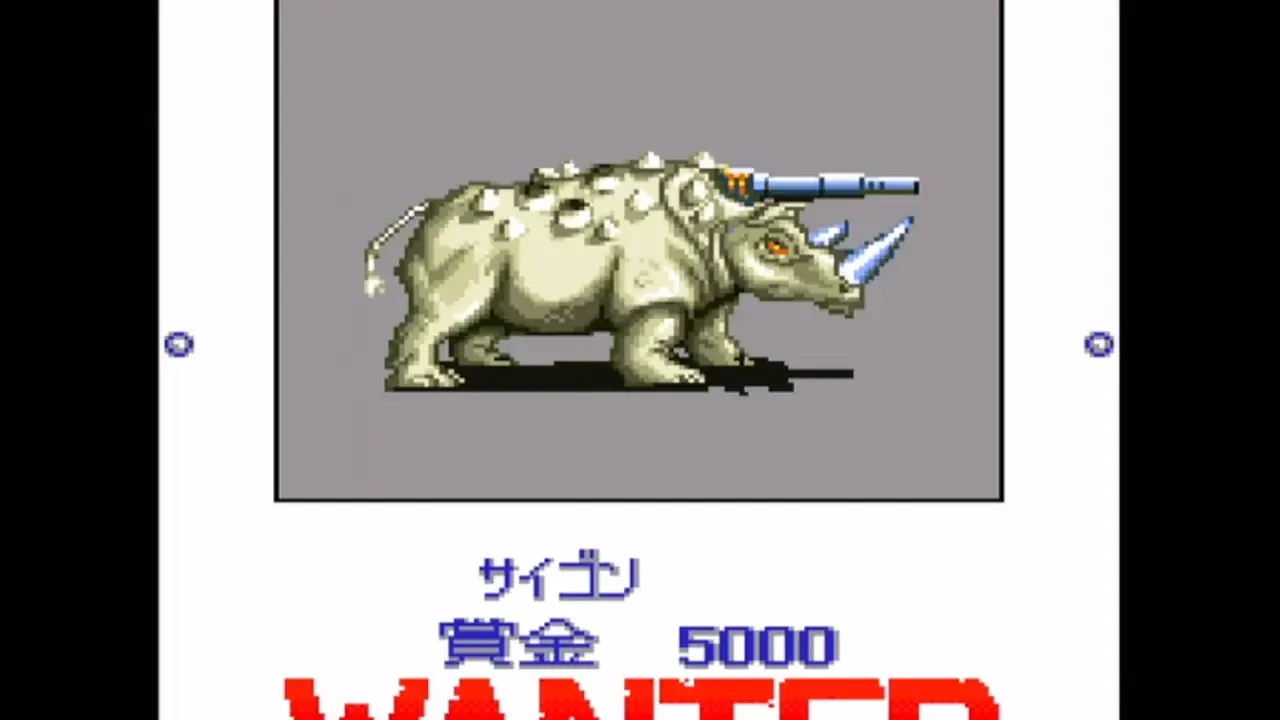
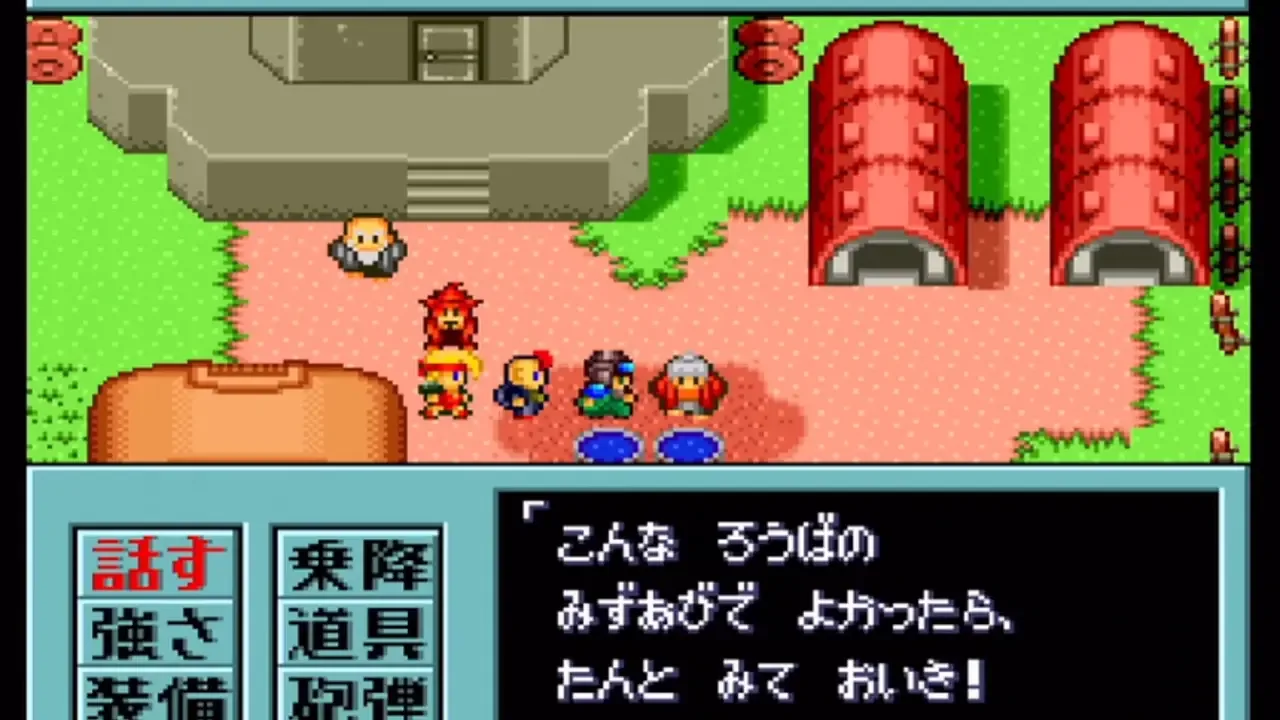
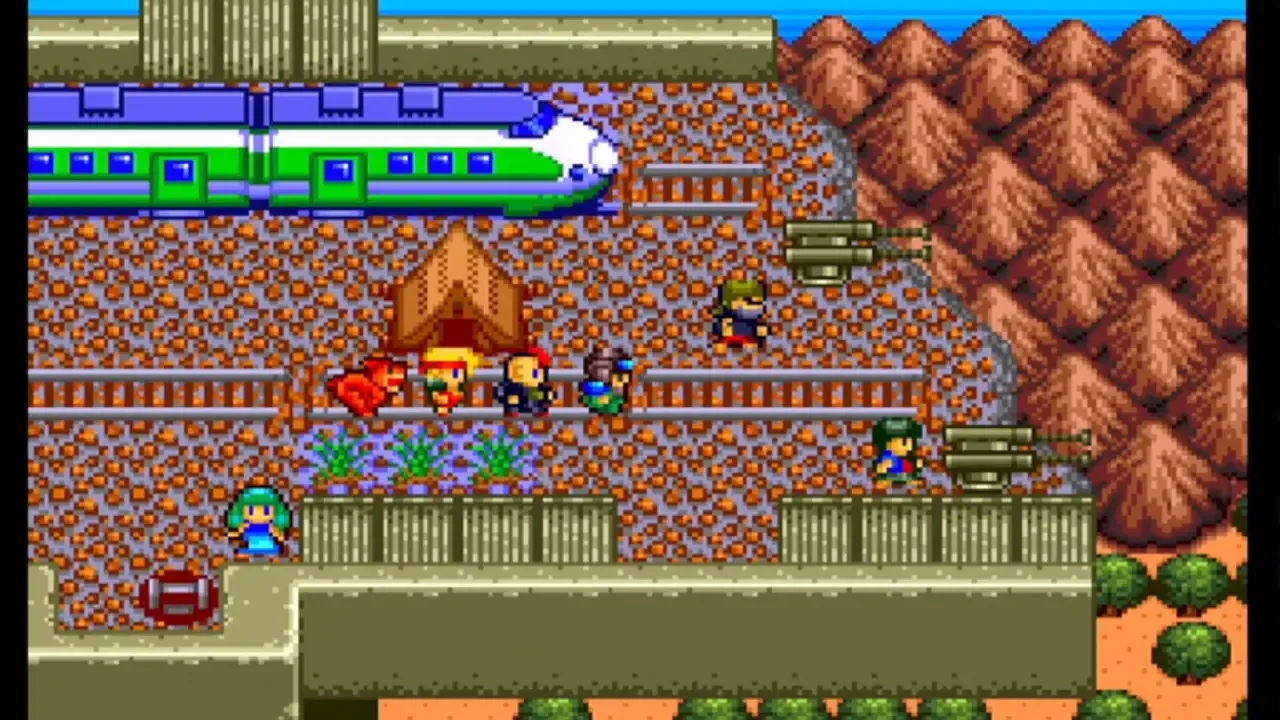
Metal Max 2 Kai is a Role-Playing game and Game Boy Advance version of Metal Max 2, developed and published by Now Production, which was released in Japan in 2003.
Part of collection:
Metal Max
(last 3 games)
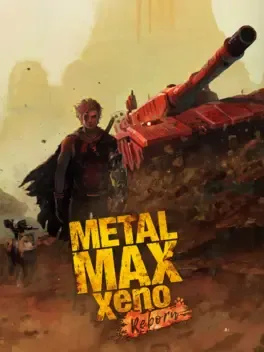
A remake of Metal Max Xeno, released on PlayStation Vita and PlayStation 4 in 2018, using a new engine with reworked/updated game systems. Planned for Winter 2019 in Japan on PlayStation 4 and Nintendo Switch.
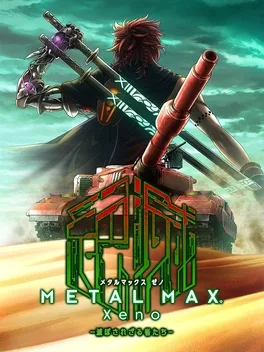
On that day humans start to face a crisis of destruction... A new title from the RPG "METAL MAX" about the story of human and tank is here! "METAL MAX Xeno" now here on PlayStation! Taking place at the ruined metropolis known as "Death Tokio" the story is one that actively involves the protagonist and tanks (vehicles) starting with the R Wolf. Numerous possibilities for the tank customization awaits, containing features such as weapons, engines and equipment. So enjoy this reincarnated true post-apocalyptic RPG now!
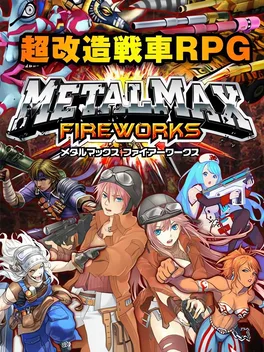
Metal Max: Fireworks (メタルマックス ファイアーワークス Metaru Makkusu Faiāwākusu) is a role-playing video game, which was developed and published by Japanese company Kadokawa for Android and iOS. It is the ninth title of the original Metal Max series, and the first mobile game of the original series.
Part of franchise:
Metal Max
(last 3 games)
A remake of Metal Max Xeno, released on PlayStation Vita and PlayStation 4 in 2018, using a new engine with reworked/updated game systems. Planned for Winter 2019 in Japan on PlayStation 4 and Nintendo Switch.
On that day humans start to face a crisis of destruction... A new title from the RPG "METAL MAX" about the story of human and tank is here! "METAL MAX Xeno" now here on PlayStation! Taking place at the ruined metropolis known as "Death Tokio" the story is one that actively involves the protagonist and tanks (vehicles) starting with the R Wolf. Numerous possibilities for the tank customization awaits, containing features such as weapons, engines and equipment. So enjoy this reincarnated true post-apocalyptic RPG now!
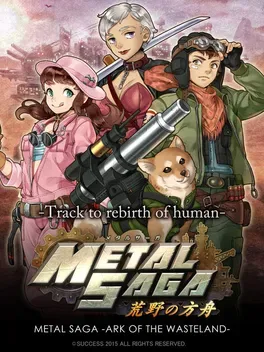
Metal Saga: The Ark of Wastes (メタルサーガ ~荒野の方舟~ Metaru Sāga ~ Kōya no Hakobune ~) is a role-playing video game, which was developed and published by Japanese company Success for Android and iOS. It is the tenth title of Metal Max series.
Could be interesting

In a fantasy world inspired by Indian folklore, the end of mankind draws nigh. Can you break the cycle before humanity is doomed? Up to four separate scenarios are available for players to enjoy, with a magic system that gives the player total creativity in combat!
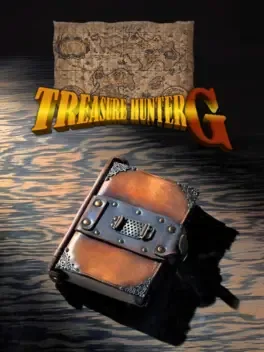
Brothers Red and Blue G. decide to leave their idyllic village in search of their long lost father, who left the kids years ago to go treasure hunting. Unfortunately, as soon as they begin their quest, they become entangled with a mysterious girl on the run from evil monsters who holds the key to the resurrection of a great demon. Now its up to the brothers to save the world if they ever want to find their father. Treasure Hunter G is a top-down RPG in which you control your party of four characters as they explore the fantasy/sci-fi game world in search for quests and grinding their stats while the plot advances. The game is divided in a world-map screen, a top-down "town" mode and a turn-based fight mode in which the characters are taken to generic tiled top-down arenas in which they select each character and move or attack depending on their action points. Enemies can be seen on the map instead of jumping at you at random intervals, and you can freely decide whether to engage them or simply circle them around. The game uses a combination of hand-drawn sprites and CGI pre-rendered one (mostly for the main characters) with a distinct cute or Super Deformed design (as usual for most console RPGs).
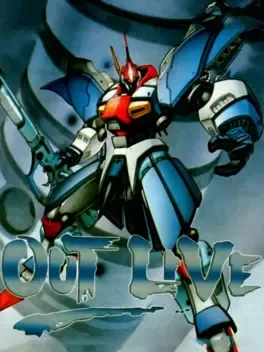
It's far a future on planet. A role-playing game in a maze style. The main character is sitting in a robot's cabin to move into 4 directions.
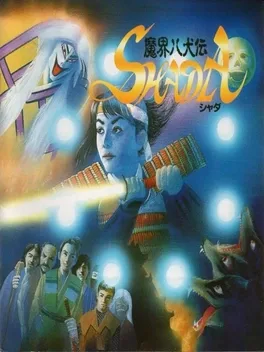
A PC Engine Action-RPG based on the famous Japanese novel series Nansou Satomi Hakkenden. The gameplay is at least partly inspired by Falcom's Ys series. Makai Hakkenden Shada is an action-RPG from Data East that was released on the PC Engine (the Japanese TurboGrafx-16) in 1989. The game bears more than a close resemblance to Falcom's Ys: specifically the first game in the series, The Vanished Omens, which was a huge success for the PC Engine a few months prior as well as being a generally well-regarded computer RPG before then. As well as having a similar nude female figure in the opening intro, the game also borrows Ys's combat system: fighting occurs by walking into enemies at a slight angle, causing them to collide with the player character's weapon (which hurts them) rather than the player character himself (which hurts the player character). The various gauges for health and experience are also similar. Makai Hakkenden Shada is based on a centuries-old Japanese novel series called Nansou Satomi Hakkenden, or "Eight Dog Chronicles", that features eight half-brother samurai who are all descended from the same dog and have the Japanese word for "dog" somewhere in their names. While these books have been referenced or adapted many times in other media such as manga and film, Makai Hakkenden Shada and the Famicom RPGs Satomi Hakkenden and Shin Satomi Hakkenden: Hikari to Yami no Tatakai are the only direct video game adaptations. Okami also contained an oblique reference to the novels. Unlike Satomi Hakkenden, which eventually allowed the player to recruit all eight of the central characters of the novel series, Makai Hakkenden Shada only has the one playable character. Instead, other characters from the novels occasionally appear to help the player.
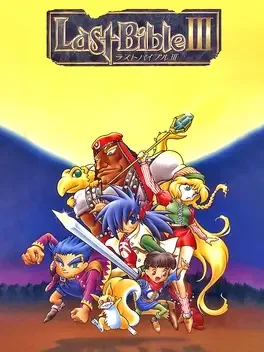
Last Bible III is the final entry in the Last Bible trilogy. Unlike the first two games, this game was not released on a portable system. The game follows Ciel, a boy who leaves his home town to travel to go on a journey.
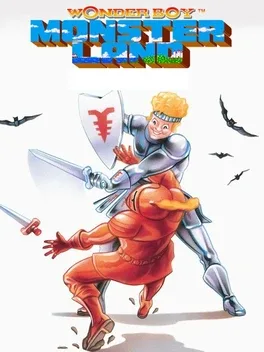
Wonder Boy: Monster Land is an action role-playing platform video game developed by Westone. It was released by Sega for the arcades in 1987 and for the Sega Master System in 1988 as a sequel to the 1986 game Wonder Boy, taking place eleven years after the events in the previous game.
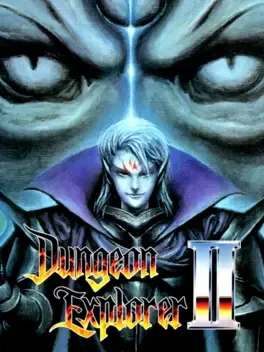
This CD sequel to Dungeon Explorer plays exactly the same as the first game. You chose your character from a variety of fantasy stereotypes and set forth in a Gauntlet-esque adventure. The CD format allows a greater quantity and variety of levels to compliment the storyline, with new areas and characters becoming open to you as you progress.
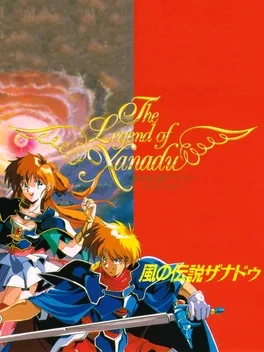
An overhead fantasy ARPG that uses a similar bump-attack style to the Ys games. Some unique features include a day/night cycle, some side-on action sequences and the ability to level up your weapons and armour.
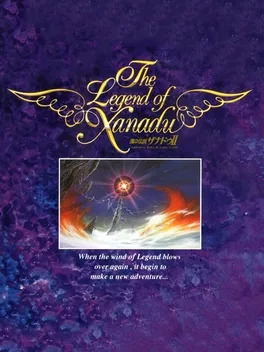
The Legend of Xanadu II is a direct sequel to the Legend of Xanadu, taking place three years after the original game.
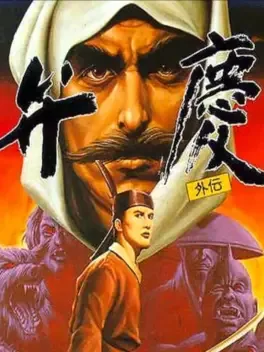
Set in a sort of old Japan with fantasy overtones, Benkei Gaiden is a standard overhead RPG. Battle scenes are random and turn based (with quite a nice bit of music), and the game relies very heavily on Japanese text based menu systems.