
Rudra no Hihou


Buy
Could be interesting
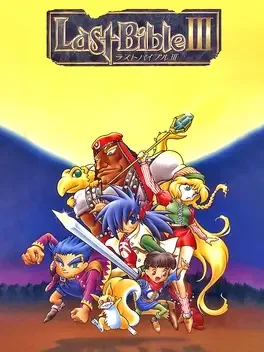
Last Bible III is the final entry in the Last Bible trilogy. Unlike the first two games, this game was not released on a portable system. The game follows Ciel, a boy who leaves his home town to travel to go on a journey.
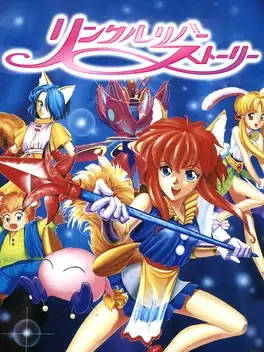
Linkle Liver Story is an action-oriented RPG that takes place on a distant planet called Mamuuna whose inhabitants are humans with animal qualities. The story centers around the "Mother Flower" which gives life to all new beings on the planet when one day it disappears.
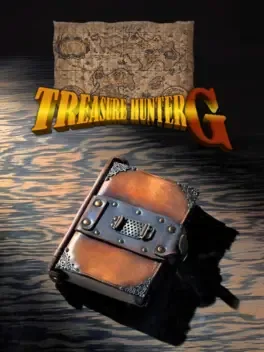
Brothers Red and Blue G. decide to leave their idyllic village in search of their long lost father, who left the kids years ago to go treasure hunting. Unfortunately, as soon as they begin their quest, they become entangled with a mysterious girl on the run from evil monsters who holds the key to the resurrection of a great demon. Now its up to the brothers to save the world if they ever want to find their father. Treasure Hunter G is a top-down RPG in which you control your party of four characters as they explore the fantasy/sci-fi game world in search for quests and grinding their stats while the plot advances. The game is divided in a world-map screen, a top-down "town" mode and a turn-based fight mode in which the characters are taken to generic tiled top-down arenas in which they select each character and move or attack depending on their action points. Enemies can be seen on the map instead of jumping at you at random intervals, and you can freely decide whether to engage them or simply circle them around. The game uses a combination of hand-drawn sprites and CGI pre-rendered one (mostly for the main characters) with a distinct cute or Super Deformed design (as usual for most console RPGs).
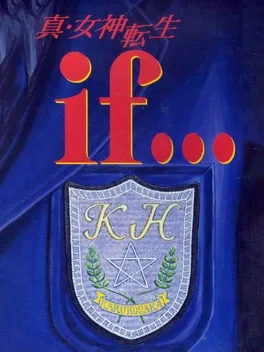
Shin Megami Tensei If... is a RPG that was developed as a change from previous Shin Megami Tensei titles, focusing on a small-scale environment and threat rather than a large-scale environment as in previous titles.
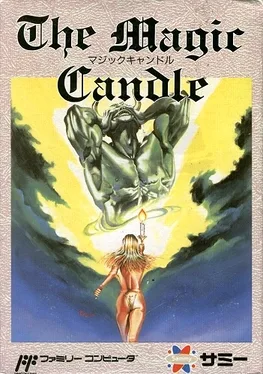
The Magic Candle is an action role playing game for the Nintendo Entertainment System.
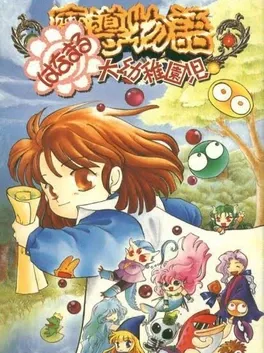
Madou Monogatari: Hanamaru Dai Youchienji is a role-playing video game for the Super Famicom released in Japan on January 12, 1996. The objective of the game is to collect eight gemstones hidden around the world.

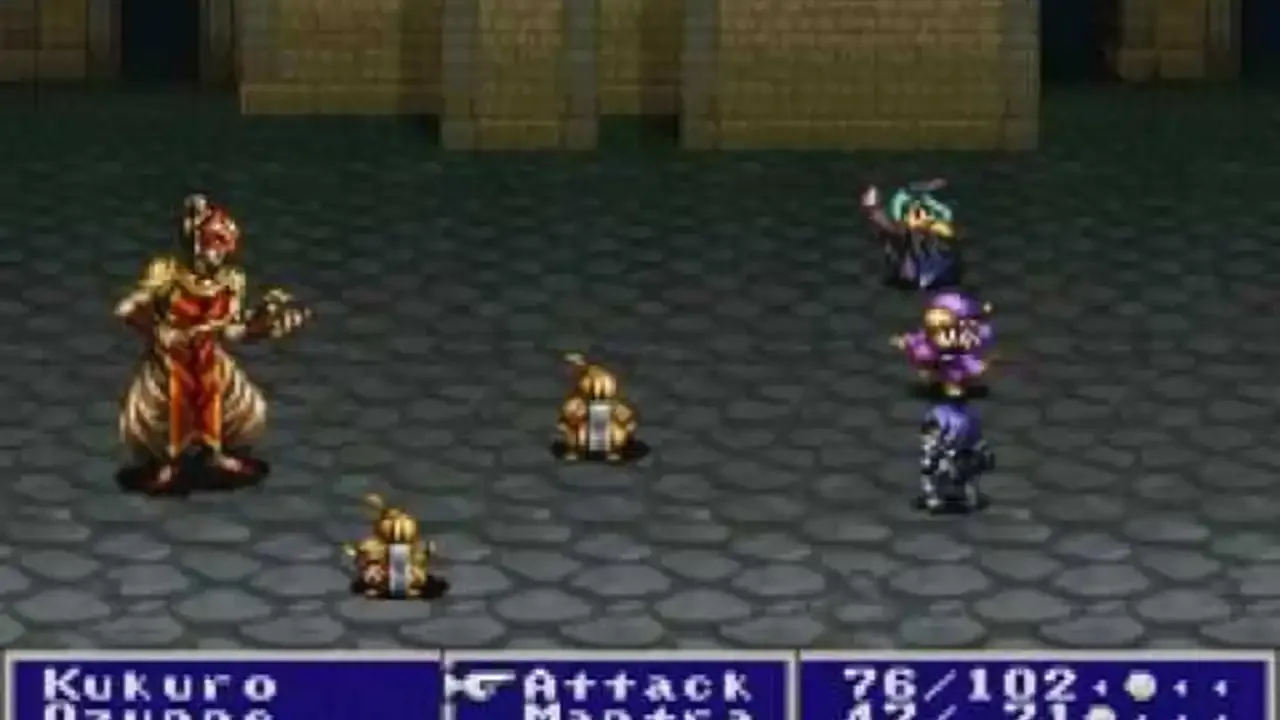
Live A Live's story is split across seven seemingly unrelated chapters that can be played in any order, based on popular genres such as Western, science fiction, and mecha. Each chapter has its own plot, setting, and characters. Although the basic gameplay is the same throughout the game, each chapter adds a new factor to the basic formula, such as the stealth elements in the ninja chapter. After the first seven chapters are completed, two final chapters take place to establish the connection between the seven previous and resolve the story.
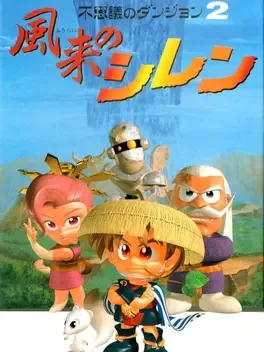
The player takes the role of the rōnin Shiren, who travels through thirty areas on his way to the Land of the Golden Condor. The game is turn-based, with all enemies and characters in an area moving whenever the player performs an action, such as attacking or moving. If the player falls in battle, they lose all their progress and are forced to restart from the beginning of the game: to counter-act this, they can choose to store powerful items in warehouses, and pick them up again on further playthroughs.
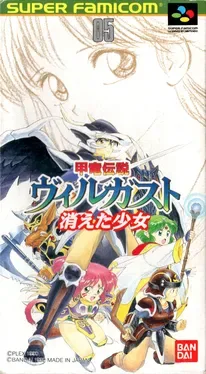
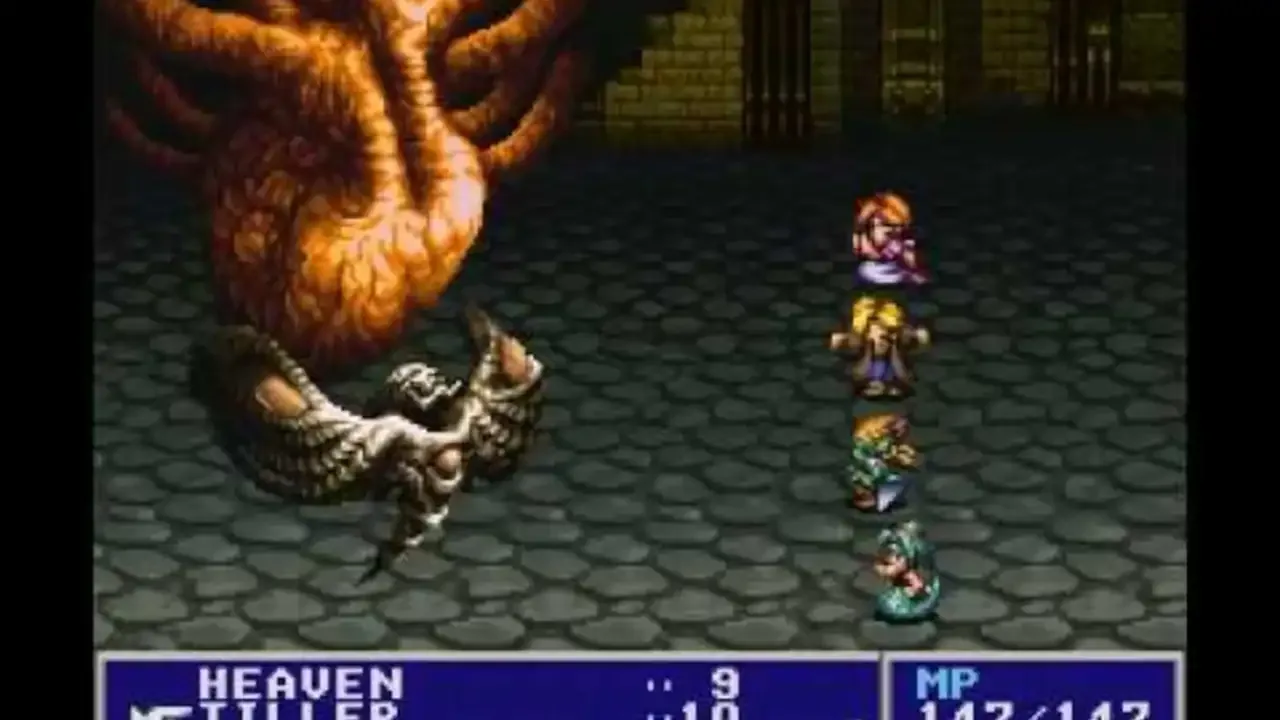
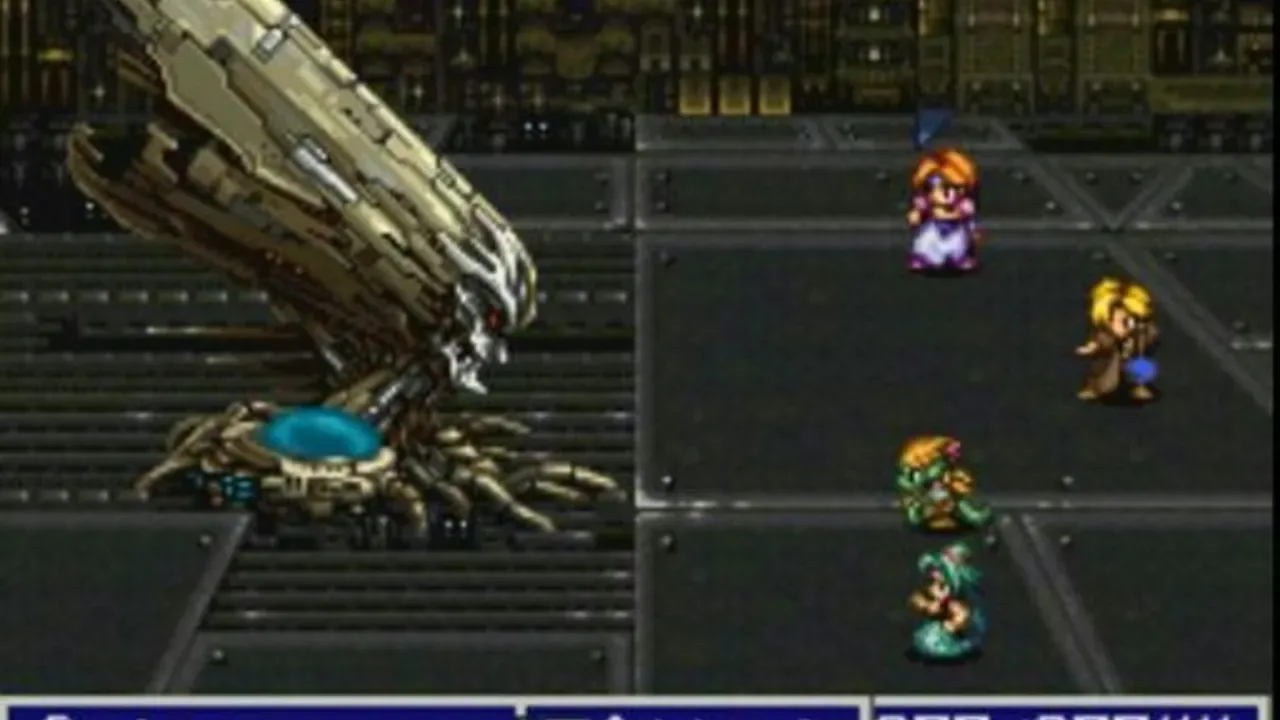
A fantasy RPG for the Super Famicom. Notable for allowing up to five party members in combat and breaks the usual 9999 limit for health. Never released outside of Japan, but fan translations exist.
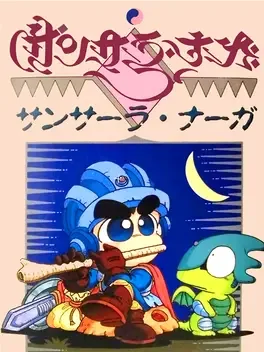
Sansara Naga is a role-playing video game that was published by Victor Music Entertainment exclusively to Japan for the Family Computer on the 23rd of March, 1990. A fan-translation was finished and released in 2013 on the 28th of December for Sansara Naga by the hacking and translation group Stardust Crusaders. Sansara Naga is set in the fantasy-filled lands of India during the Vedic age and also mixes elements of Japanese folklore such as the legend of Brahman Umibouzu ("sea bonze"). Many of the NPCs in game will tell you that Cows are sacred animals and a few will mention the Tower of Ṛta Satya. There is a set of armor in the game called Dharma Armor, which will prevent the player from dealing or being dealt damage. The story revolves around a Boy/Girl that steals a treasured Ostrich egg from the village of Orissa and decides to reflect upon one's actions; aspiring to become a Dragoon to restore their lost honor. The protagonist will set out on an adventure saving lives, performing good deeds, and raising a newly hatched dragon. There are bosses and many NPC street vendors will attempt to scam you with defective items or attempt to mug you. While the main protagonist does not level and their base stats are fixed at 40 STR, 40 DEF—The dragon that you raise does level. More unique game mechanics to this game include the ability to feed dead bodies to your dragon to raise his level, enchanted armors, field map events, hidden landmarks, a few side quests, and mini-games. Sansara Naga's gameplay and gameplay mechanics are similar to those of Dragon Quest I, Pokémon and Earthbound. The Silver Mountains are also referred to as Heaven.