
Ninja Five-O


Buy
Could be interesting

The Cyber Shinobi is the SEGA Master System exclusive sequel to Shinobi. In some context the game has the subtitle Shinobi Part 2. It was the first Shinobi game to not have an Arcade counterpart.

Little Fighter 2 is a popular Hong Kong freeware PC fighting game for Windows and is the sequel to the game Little Fighter (LF1). Little Fighter 2 was created by Marti Wong and Starsky Wong in 1999, and released in a long series of updates. The game supports up to 4 human players on one computer and a total of 8 characters using online play or computer-controlled opponents. Characters are controlled using the keyboard or a gamepad. All keys can be set via a configuration menu. The game has a commercially released sequel, Little Fighter Online. In 2009, in celebration of Little Fighter 2's tenth anniversary, version 2.0 was released. The update fixed minor bugs and added a gameplay recording feature, a new stage called 'Survival', a browser toolbar that is not mentioned in the installation process and obstructive ads being displayed while the game is being loaded. Version 2.0a was released in late 2009, with only a bug fix.
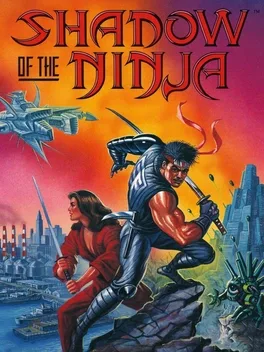
Shadow of the Ninja, originally released in Japan as Yami no Shigotonin Kage, and later released in Europe as Blue Shadow, is a 1990 futuristic ninja-themed side-scrolling action game by Natsume for the Nintendo Entertainment System.

Code: To Jin Yong is a tribute to well-known wuxia writer, Jin Yong. The new game is based on the world created in his wuxia novel series.
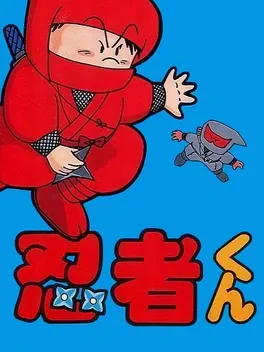
An action platformer for the Arcades. It is the first of the Ninja-kun series.
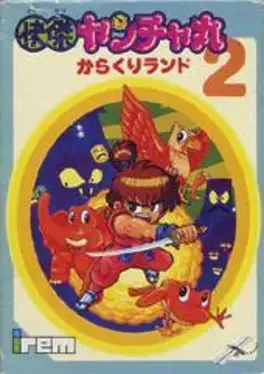
Kaiketsu Yanchamaru 2: Karakuri Land is an Action game, developed and published by Irem, which was released in Japan in 1991.

Urban Reign is a Namco-produced 3D brawler, done in the tradition of Double Dragon and Final Fight.
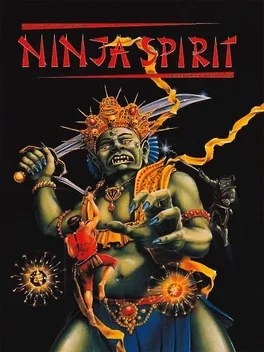
There are a total of seven stages varying from woodlands, wastelands, swamps, temples and cliffs. Each stage begins with the player slashing his way to the end, until he confronts a level boss. The ninja is always armed with the sword Righteous Cloud which can be fluidly used to attack in all directions. Extra weapons include the Swirling Leaf (shurikens), the Bamboo Thunder (bombs), and the Rising Dragon (kusarigama). There are also several powerup items, such as one unleashing multiple ninja ghosts to assist the player.
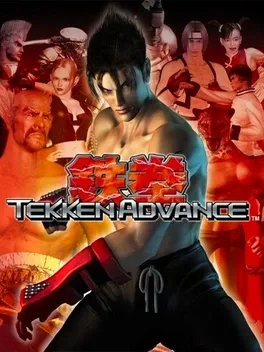
Tekken Advance is a fighting game released for the Game Boy Advance. It is non-canonical to the Tekken storyline, but follows the events of Tekken 3. It uses sprites based on Tekken 3's 3D models for its characters and was the first Tekken game to be released on a Nintendo platform.
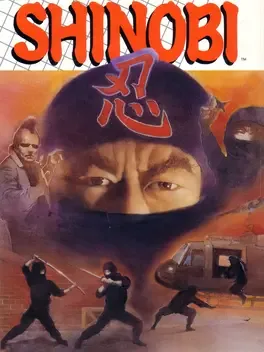
The five missions in the game are each three or four stages long. Several hostages are being held in each stage; Joe must rescue all of them before he is allowed to finish the stage. The last stage in each mission has no hostages, but instead features a powerful boss character whom Joe must defeat. After completing each of the first four missions the player is taken to a bonus stage, where he can earn an extra life if he is able to kill all of the ninjas leaping towards him. Completing the fifth mission ends the game. Also, once the fifth mission begins, continues are no longer allowed; the player has to finish the game with however many lives he has left at that point. If the player earns a place on the high score board, the number of credits it took him to get that score is displayed along with his score. Joe's standard weapons are an unlimited supply of shuriken, along with punches and kicks when attacking at close range. One hostage per stage gives him a power-up. When powered-up, his throwing stars are replaced by a gun that fires large, explosive bullets, and his close-range attack becomes a katana slash. Joe can also perform "ninja magic," which may be used only once per stage and kills (or damages, in the case of bosses) all enemies on the screen. The game also allows the enemies to hide behind boxes or use shields to block Musashi's shurikens.[4] Joe can be killed with one hit, provided he is hit by a projectile or melee attack, but if he does not find himself in those situations, the player can touch regular enemies and just be pushed back without being damaged. Since most enemies appear in the same place on each level, it is possible to master the game by memorizing their locations and devising patterns to defeat them. At the end of each stage, the player receives score bonuses based on performance. Completing the stage without using ninja magic or without using any throwing stars or bullets earns the player a point bonus. The player has three minutes to complete each stage; remaining time at the end of the stage is also converted to bonus points and added to the player's score.