


Parent game
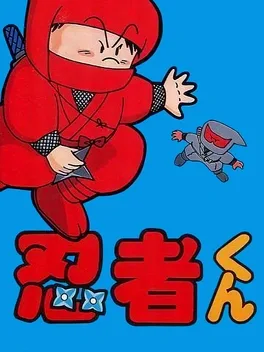
An action platformer for the Arcades. It is the first of the Ninja-kun series.
Part of collection:
Ninja-Kid
(last 3 games)
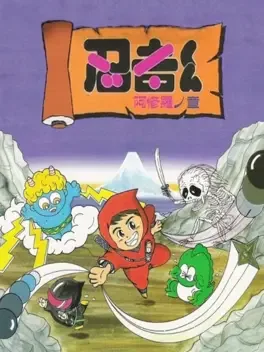
Famicom port of Ninja Kid II.
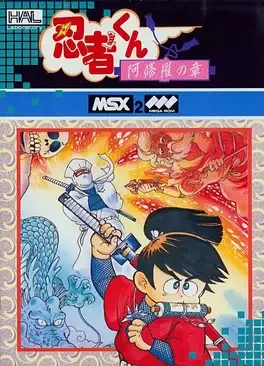
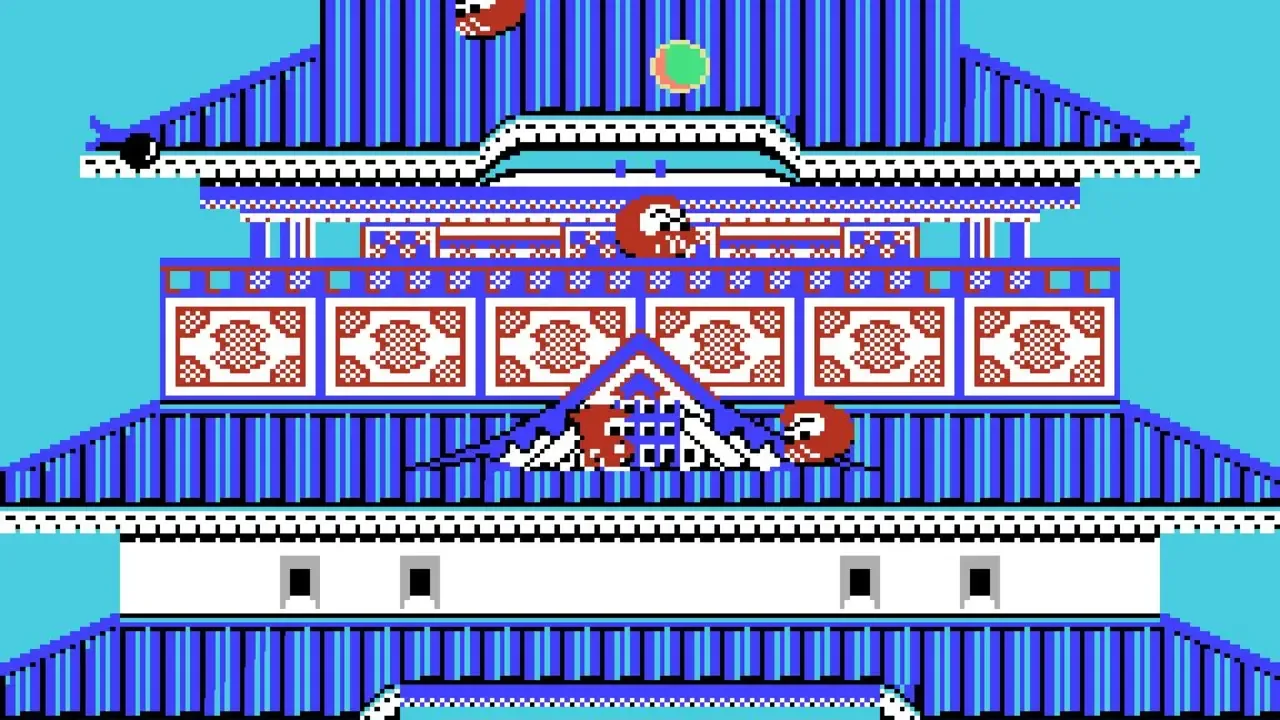
As with the original Ninja-Kid, the goal of each stage is to defeat the many enemies roaming around by first reaching them and then throwing ninja stars at them. Ninja-kun can also acquire scrolls that briefly give him stronger attacks, like a fire burst that takes out all nearby enemies. Each stage (or "scene") has a different layout, with some being merely a single screen (such as Scene 1) as well as larger vertically- and horizontally-scrolling stages. The enemies are usually different too, with increasing difficulty.
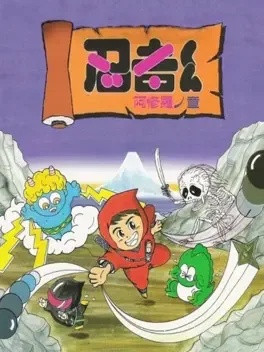
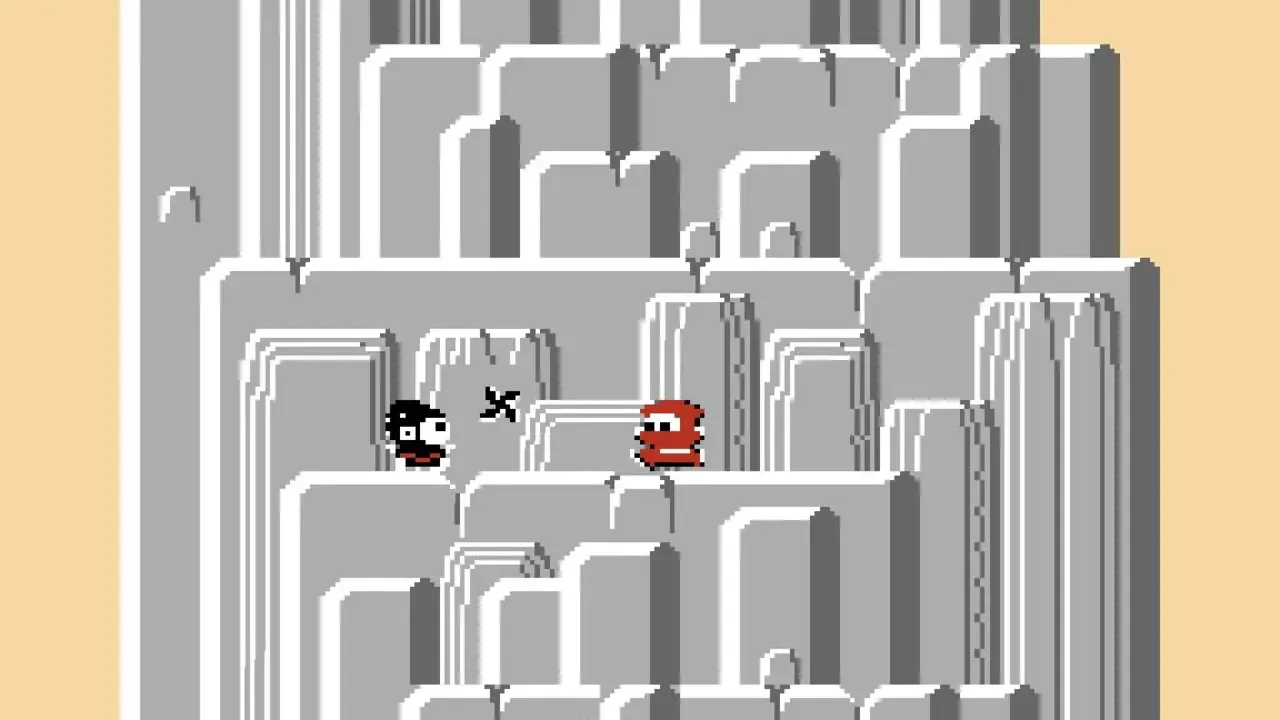
The game tells another story in Ninja-kun series. This time it’s a platform game with some twists. There are two tasks alternating through levels: you are required either to kill every enemy in the level (as in the previous games) or simply to reach the exit. Running into enemies usually won’t kill you, however if you are hit by a single projectile, you’ll have to start from a checkpoint. Enemies vary from plain ninjas to giant skeletons or killer fish. Each level has a time limit, and when this limit is close to an end a fire wheel of death will appear on the screen, chasing Ninja-kun. Ninja-kun has some techniques for successful progression though the levels: many enemies can be temporarily stunned by jumping on them or hitting them from below; and ninja can obtain some power-ups including boomerang, bombs, a devastating fire attack or invincibility. Ninja-kun is capable of wall climbing and wall jumping, the latter requiring some practice from the player. The levels (called “scenes” in-game) are scattered through mountains, caves, beaches and underwater locations. You can choose which set of levels you’ll start in by playing a mini-game at the beginning.
Could be interesting
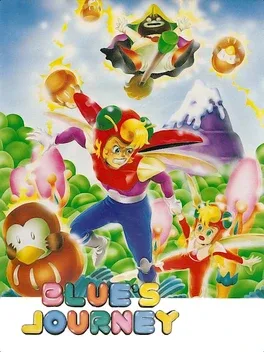
The planet Raguy was once a beautiful place, until the evil Daruma tribe invaded, bringing pollution that corrupted the land. You, as Blue, are a specialist of the Leaf Dump, and you love Princess Fa of the Raguy family. Unfortunately, Princess Fa has fallen sick from the pollution. It's your job to save your princess in Blue's Journey, a 2D side-scrolling platformer with RPG elements. Go through stages jumping on platforms and avoiding traps, while dealing with a multitude of bad guys, with a special bad guy boss at the end of every level to defeat with special means. To help with this, Blue can use a leaf attack and shrink. The leaf attack, only used when Blue is full sized, lets Blue slam a leaf that stuns any enemies he hits. Blue can also pick up power-ups for a more devastating leaf attack, or change his attack entirely. When the enemies are stunned, Blue can pick them up and throw them across the screen to dispose of more baddies. Shrunken down Blue can't use his attacking power, but he can fit into small crevasses and crannies not normally accessible. Of course, Blue can also dispatch enemies by jumping on them. Since Raguy's economy is flower based, Blue can collect flowers to buy things at special huts. But Blue must take care not to fall into traps or bottomless pits, which cause instant death. Being hit by bad guys or their shots is just as bad. Blue starts the game with two hearts, losing one when he gets whacked by a bad guy. When his heart count goes to zero, Blue dies. Play the game alone (as Blue), or with your friend (as a green Blue) for two-player simultaneous fun.
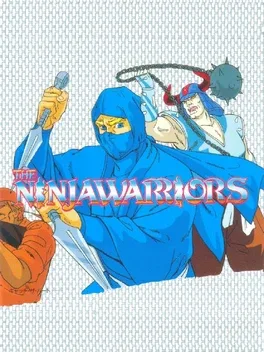
The Ninja Warriors presents side-scrolling hand-to-hand combat. Players take control of Kunoichi or Ninja and fight wave after wave of Banglar forces across five levels.
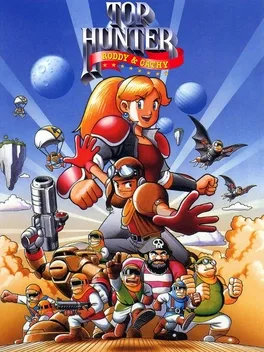
Top Hunter: Roddy & Cathy is a side-scrolling platform video game developed by SNK for its Neo Geo Arcade system, which was released in 1994. It was later released for Neo Geo CD, and much later for the Wii virtual console. The game has been re-reissued later in the SNK Arcade Classics Vol. 1 compilation, which was released on May 1, 2008.
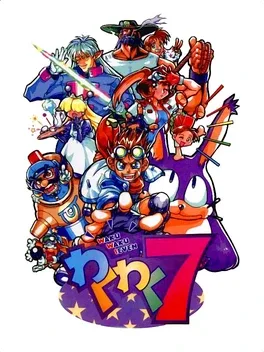
Waku Waku 7 is a SNK fighting game originally released for the Neo Geo MVS arcade system.
Defeat the Evil with your Umbrella!
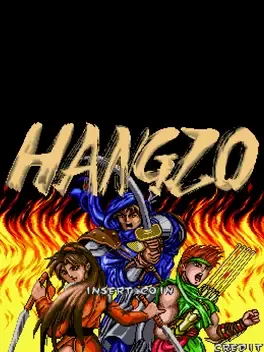
Hangzo is a 2D action platformer that was intended for arcades but never got released. It has since become available to play via emulation.
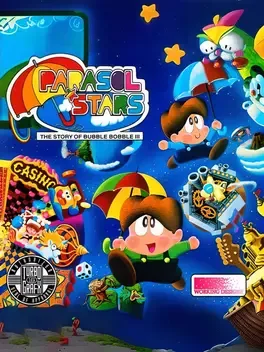
Break out the bandages and get ready for some finger-searing action! Join Bubby on his latest quest to save the universe, this time with a Magic Umbrella. Umbrella!? Yes, Umbrella! This powerful parasol puts the elements themselves at your command! Shock the tonnage out of the whales with Lightning! Fry the feathers off the crazed, beady-eyed birds with Fire! Or, drown the demented dinosaurs with a tidal wave of Raindrops! Need help? Your buddy Bobby is always nearby. Have a friend plug into your TurboTap and blast into two player simultaneous play. Be prepared for a quest that will take you to eight amazing planets, forcing you to uncover the secret that will unleash the Parasol Stars! Parasol Stars is the third game in the Bubble Bobble franchise (and is often labeled "Parasol Stars: The Story Bubble Bobble III"), as well as a semi-official sequel to the second Bubble Bobble spin-off, Rainbow Island.
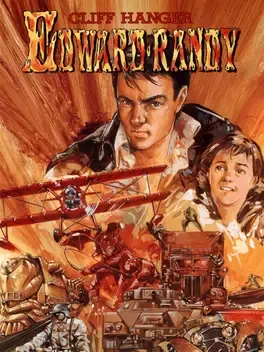
A fast moving platform game in which the player controls the Indiana Jones-esque and unfortunately named 'Edward Randy'. The levels are an inventive mix of standard platform action and 3-D scrolling levels; the latter usually having the player driving a jeep and repelling the enemy attacks. The game is based on the archetypal Hollywood action blockbuster and features a filmic score to back up the on-screen action. The player's only weapon is a whip - another nod to the Indiana Jones character - which can be used to both attack enemies and as a 'rope', to enable the player to reach distant platforms.

Ninja Master's follows the conventions of many previous 2D fighting games released for the Neo-Geo. The player must defeat their opponent in combat in a series of best-two-out-of-three matches. Characters can change between using the character's weapon or fight hand-to-hand during the middle of combat. Like the Art of Fighting series, Ninja Master's features a super meter.
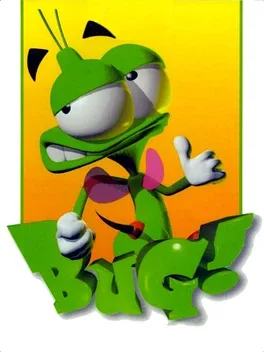
Bug! is a platformer where you play as a bug who must go through 6 worlds in order to rescue his family who has been kidnapped.