
OutRun



Buy
Part of collection:
OutRun
(last 3 games)
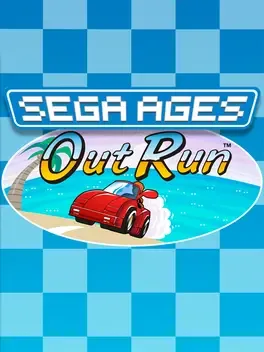
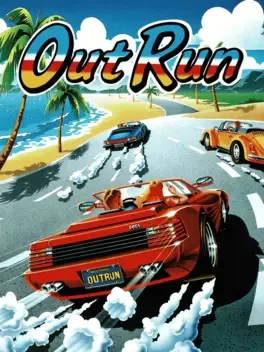
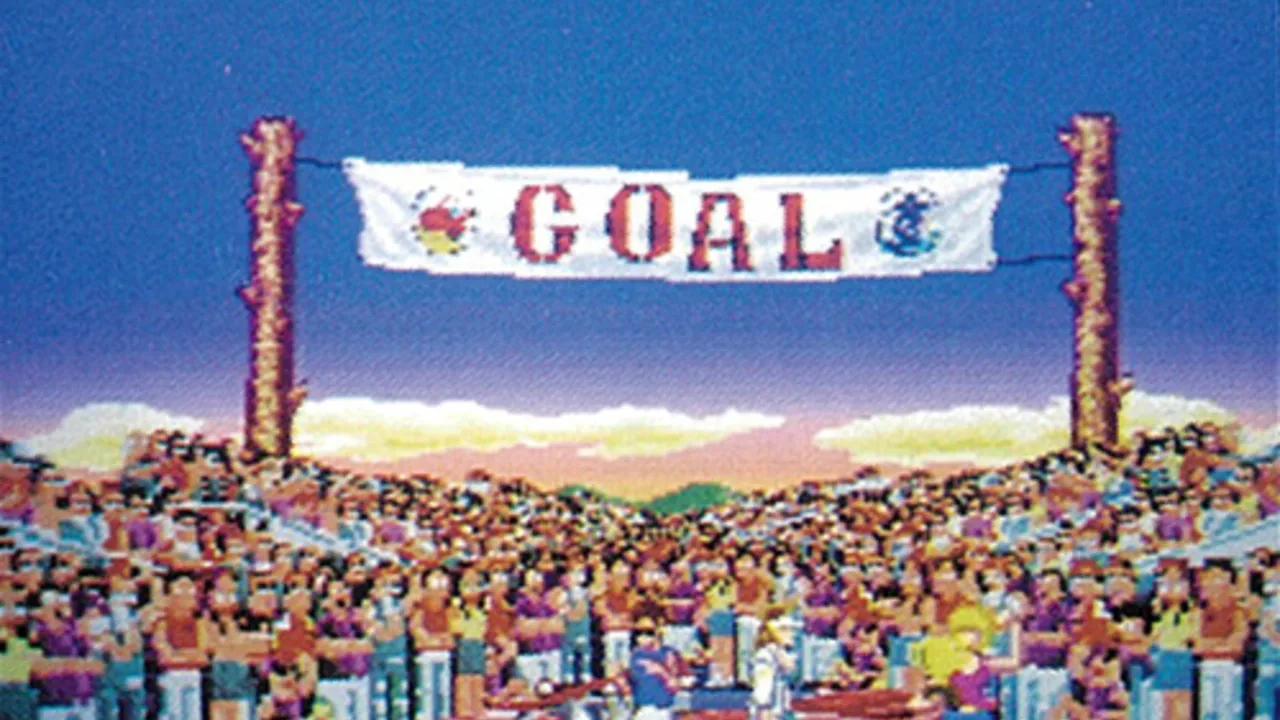
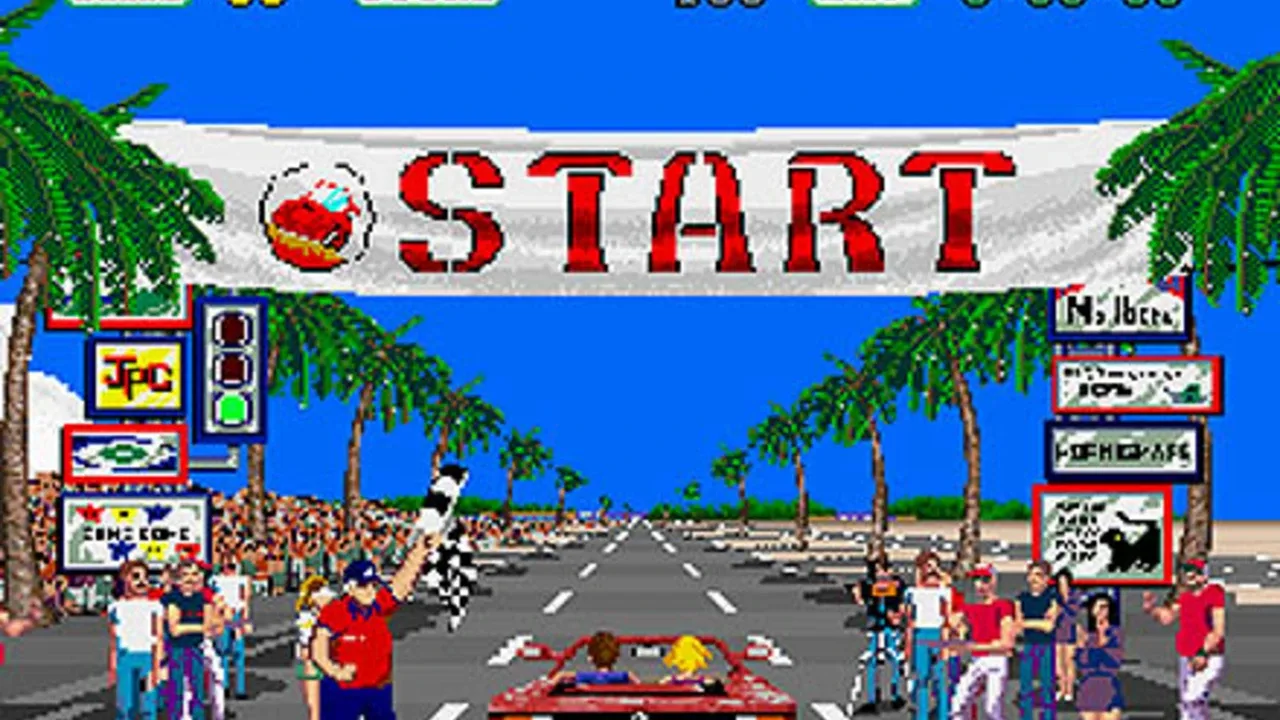
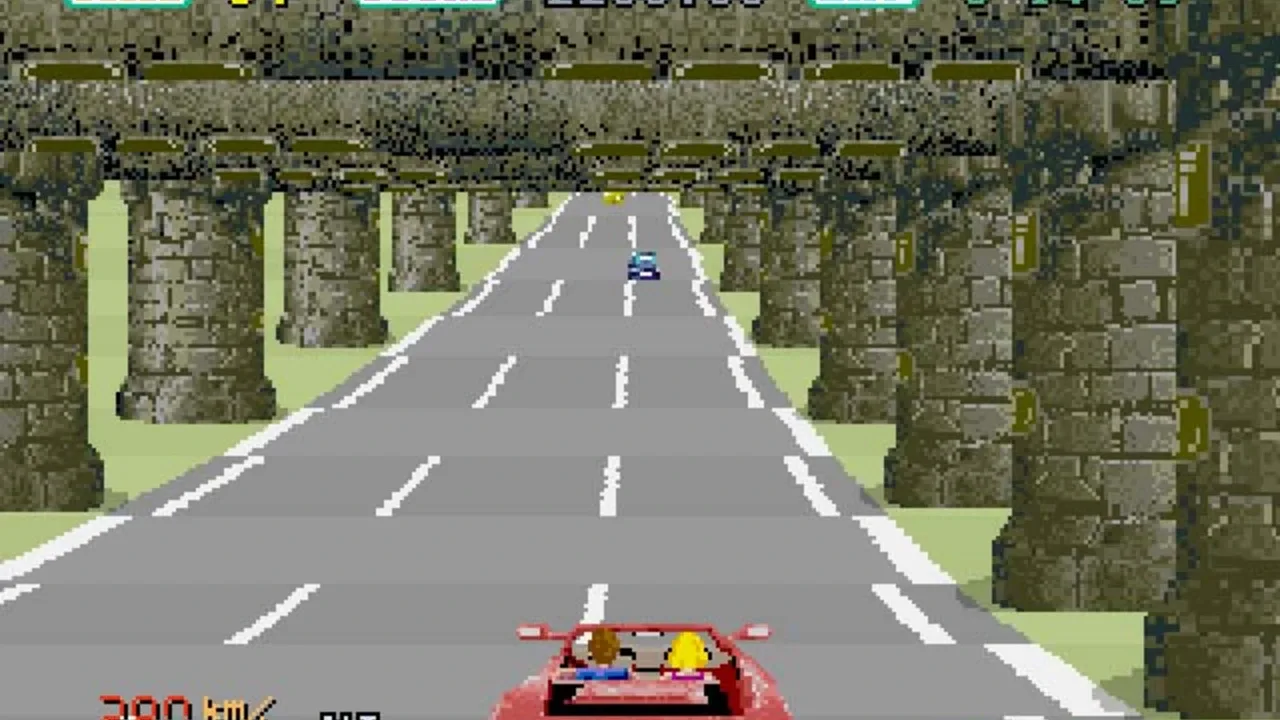
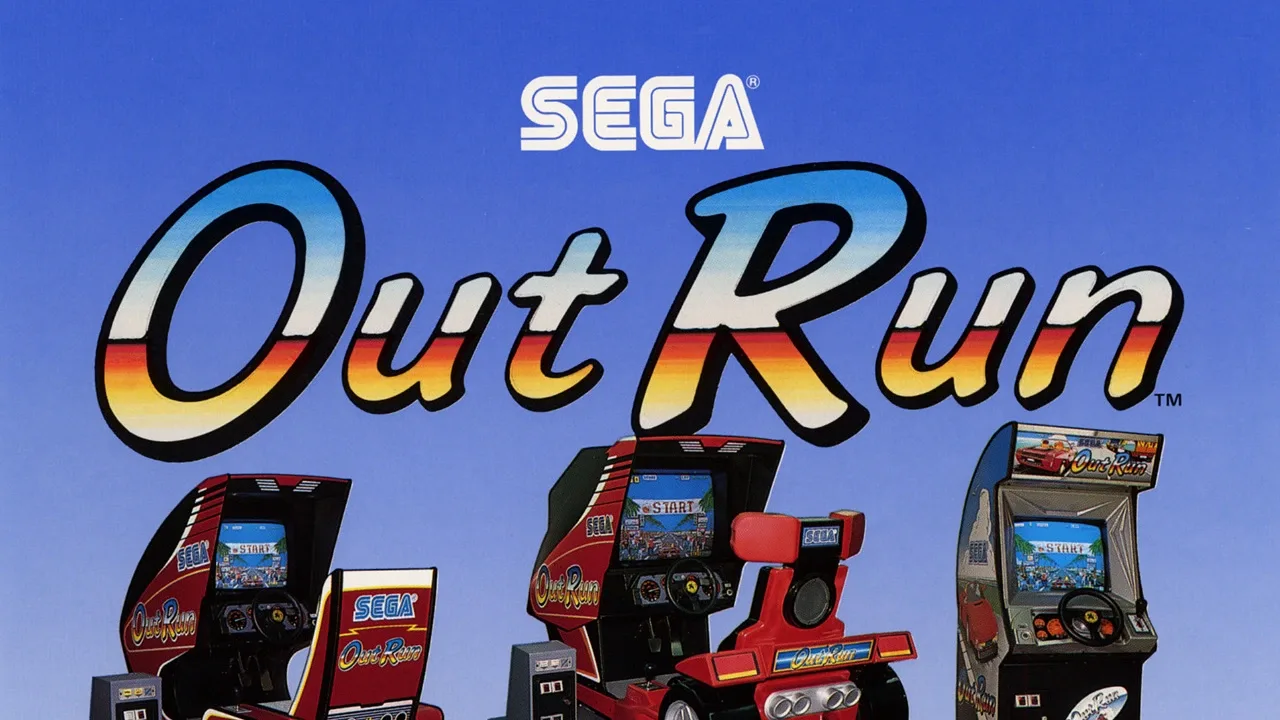
A retro road-racing adventure for all ages! The 3D driving game that launched a legacy returns on Nintendo Switch! Featuring new motion controls, newly added music tracks, and a new ranking system. Speed through the streets of Sega Ages Out Run, the award-winning title that paved the road for the racing genre. Your favorite stages and soundtrack are back. Do you have what it takes to beat the clock?
A 3D Classics port of Turbo OutRun only released inside the Sega 3D Fukkoku Archives 3: Final Stage compilation.
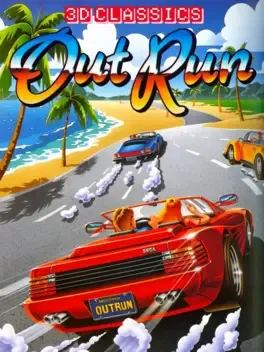
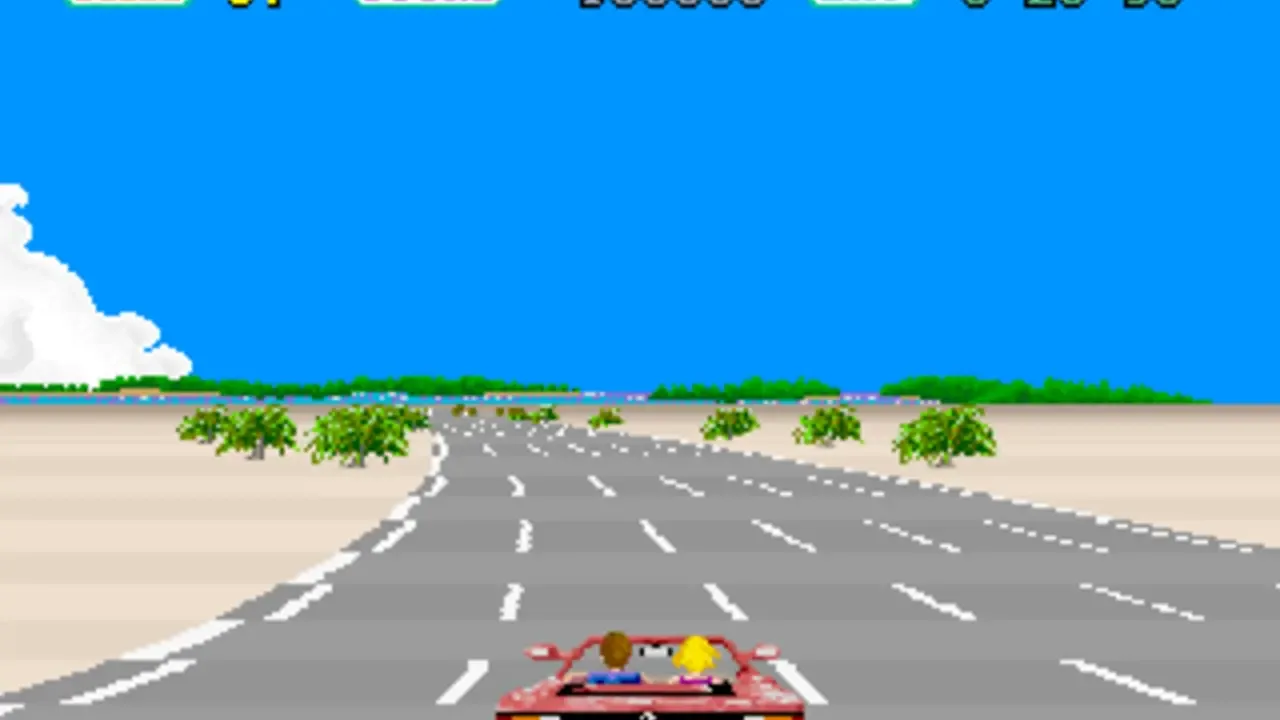
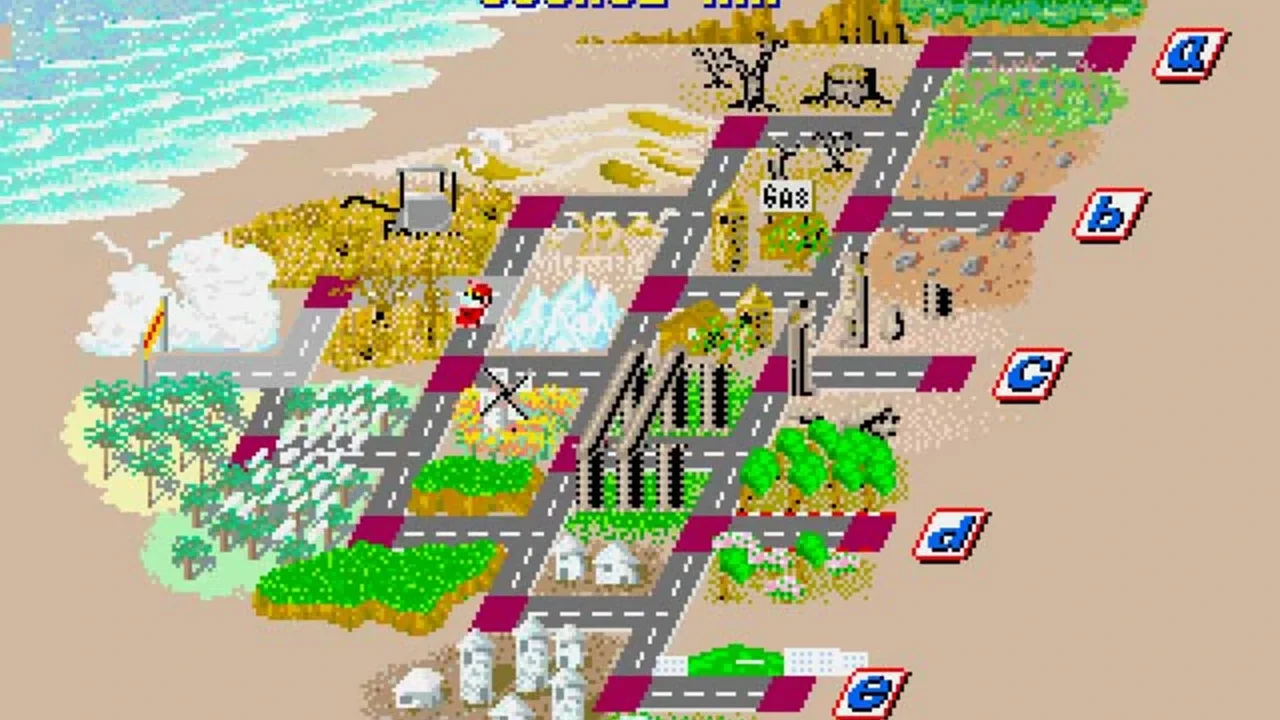
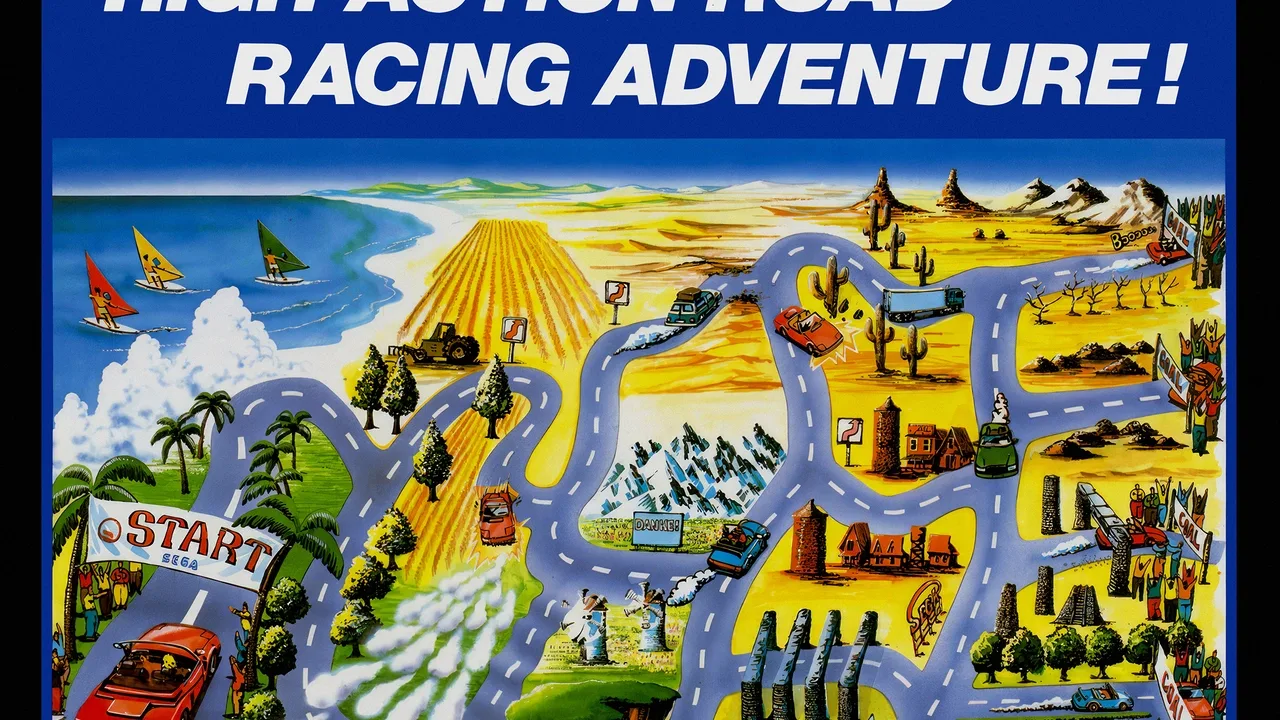
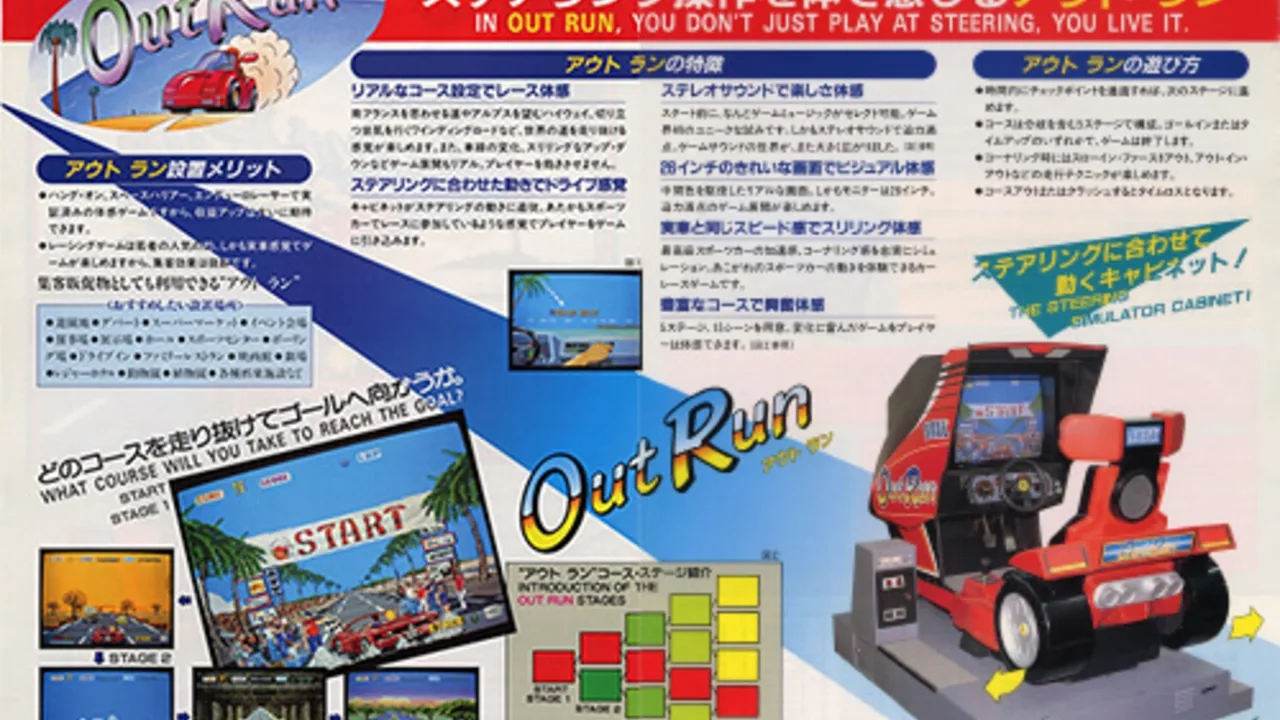
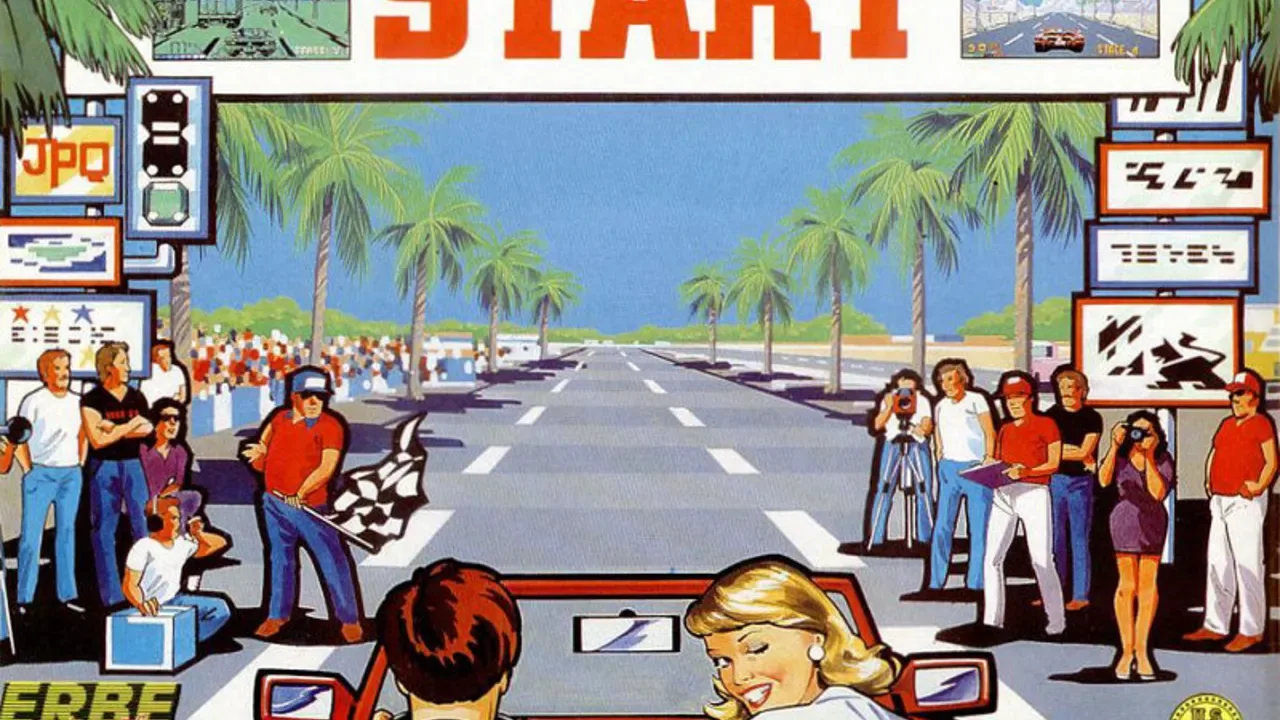
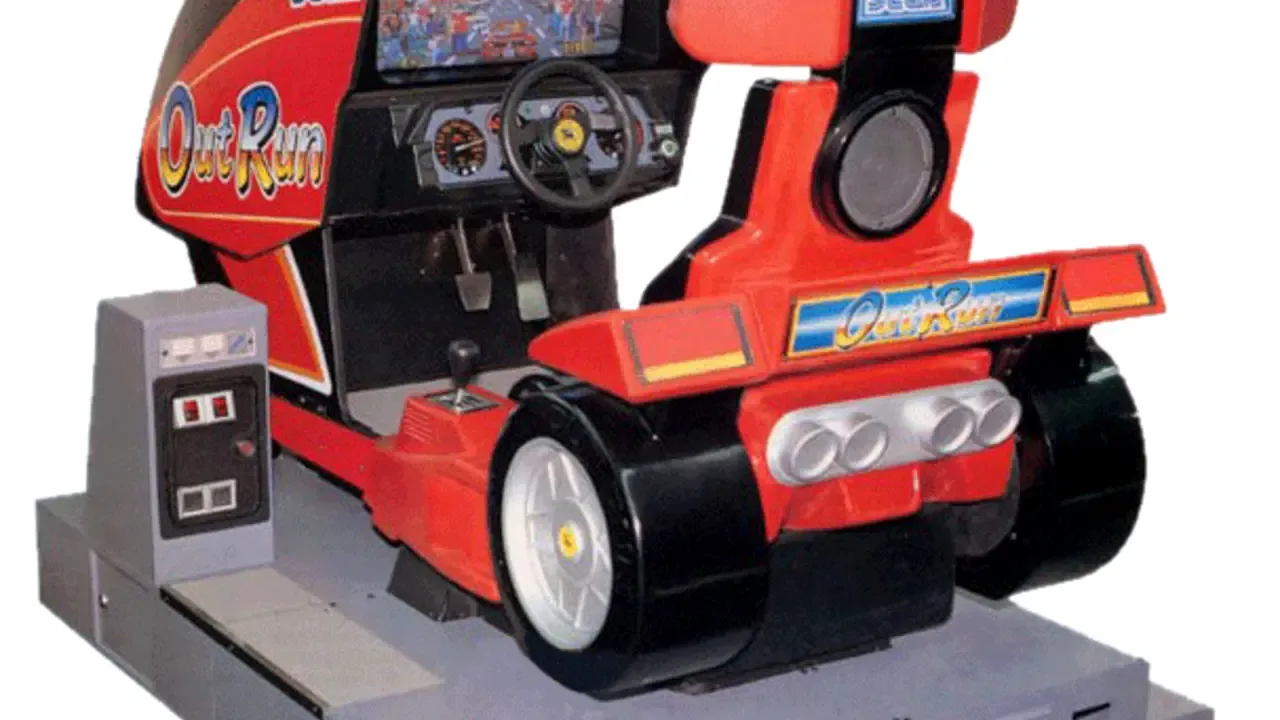
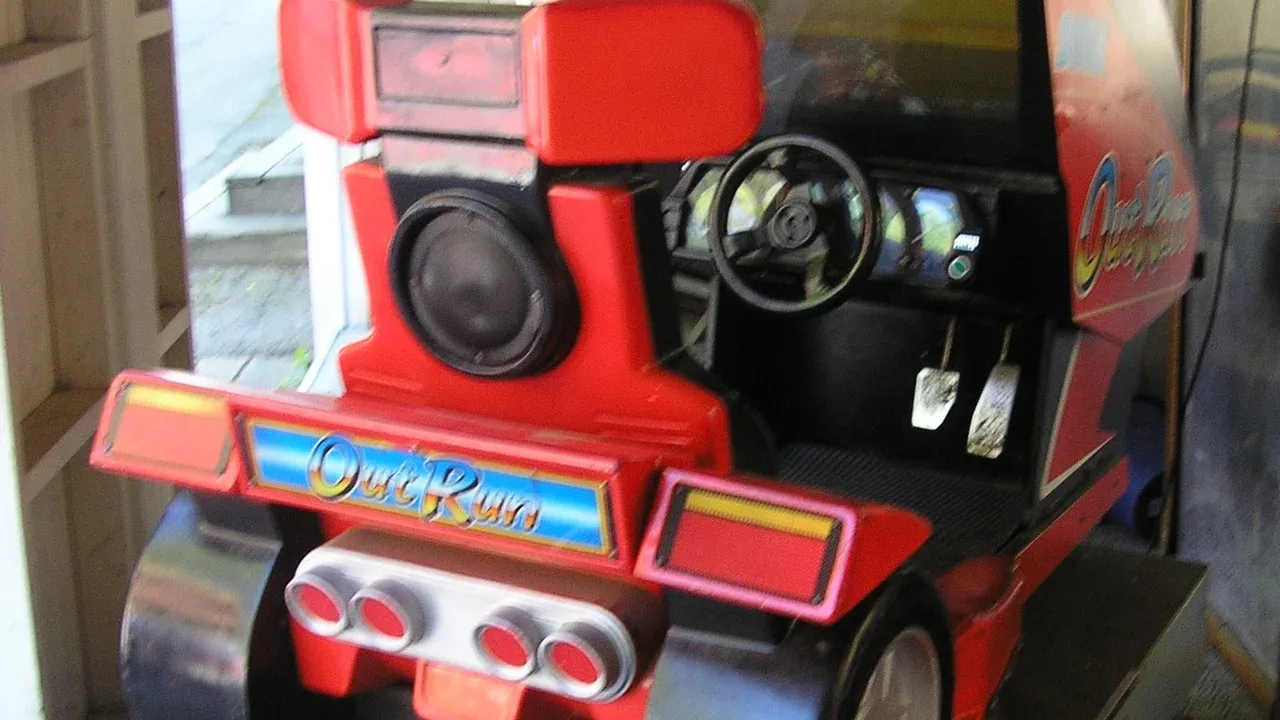
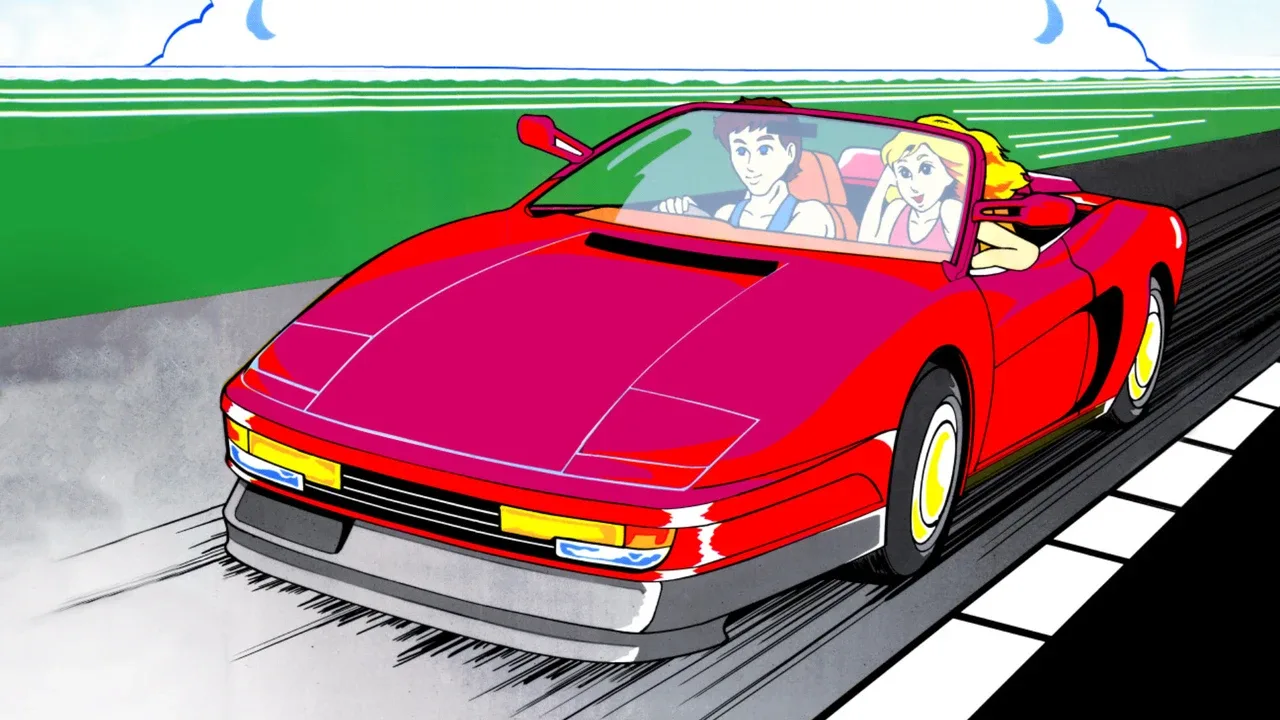
3D OutRun is the critically acclaimed 1986 driving game designed by Yu Suzuki, re-mastered and enhanced for the Nintendo 3DS system. OutRun is a racing game originating in the arcades. The player can race across varied terrain in a readily available Ferrari, complete with a female passenger, over a series of short tracks. Gameplay is viewed form just above and behind the car. The roads are full of sharp bends and hazards, contact with which can cause the car to roll and lose the player's time. On each section of track there is a fork in the road, allowing the player to choose which direction he or she wishes to go in. The player has to to complete five track sections in total, out of the fifteen in the game. The re-mastered version includes all of Out Run’s original content alongside two new songs, and runs at 60 frames per second which is twice the speed of the original game. 3D Out Run also features a built in Stage Select option that allows players to save and resume progress mid-game, has adjustable difficulty settings, and includes unlockable car customization options that allow you to equip parts to improve your car. Additionally, players are able to choose from a number of real-life arcade cabinets wherein everything from the appearance to the environmental sounds of the specific cabinet.
Could be interesting
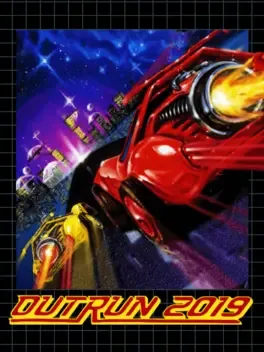
In the 21st century, if you're doing 200mph, you're holding up traffic. Welcome to Outrun 2019 - a worldwide racing tour where gutsy drivers compete over death defying tracks in a survival of the fastest.
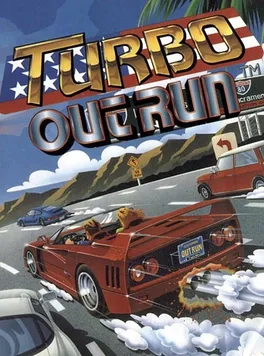
The sequel to OutRun features similar basic gameplay to the original, with the action viewed from behind the car, and the challenge being to complete each stage within the time limit. Contact can cause the car to spin, slow down or even flip; in each case you will lose time. There are 16 stages set across the US, gradually moving from east to west, all depicted differently visually. After every 4 levels, you go into a shop screen, with a choice of upgrades. As the title implies, you now have a turbo booster installed, which speeds up the car, although over-use can cause the engine to overheat, and it is not recharged until each shop section. You have 5 continues, and failure to complete the course within the time limit costs you one.
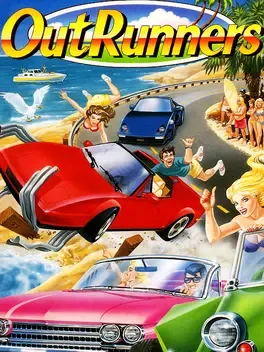
Outrunners is a driving game that allows you to gon a world tour of various stages. Follow the selected drive course by choosing one out of the 8 different type cars whose characteristics such as perspectives, power, transmission, steering wheel manoeuvrability, etc. are different. Appealing to young chouples who drive in a stylish manner, players who skillfully make turns at the corners, and so on, amid the beautiful sceneries throughout the world, this game is sure to enhance the activation of the locations.
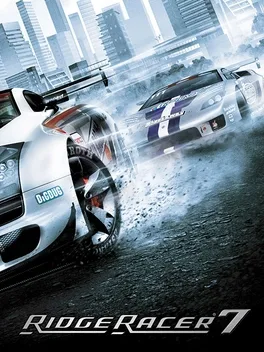
Ridge Racer 7 is the seventh console installment in the Ridge Racer series of racing games, released on PlayStation 3. The game has around 40 cars, many of which return from Ridge Racer 6 and the PSP incarnations of the game. There are also 22 courses, available in forward, reverse and mirror mode. The game runs at 1080p resolution and at 60 frames per second. It also features Dolby Digital 5.1 surround sound and free online gameplay via the PlayStation Network. The game was first unveiled at the 2006 E3 event in a teaser trailer, and the first trailer of game footage was shown at the 2006 Tokyo Game Show. Like many other games in the series, it features a full motion video opening that stars Reiko Nagase. The game has since been re-issued under Sony's "Platinum" and "The Best" budget lines. A patch was made available in October 2010 titled "Ridge Racer 7 3D License Version" that enables Ridge Racer 7 to be played in 3D.
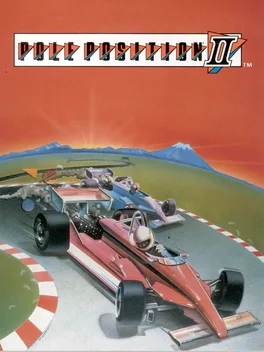
Just like the first game, but with improved graphics and 4 different tracks to choose.
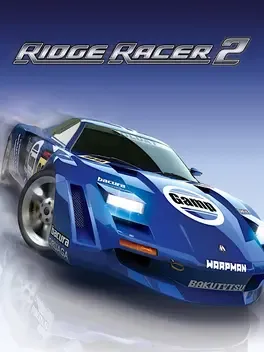
Ridge Racer 2, released in Japan as Ridge Racers 2, is an arcade-style racing game developed by Namco Bandai Games for the PlayStation Portable hand-held console, marking the 14th release in the acclaimed Ridge Racer series and also the sequel/remake to the PSP launch title Ridge Racer.
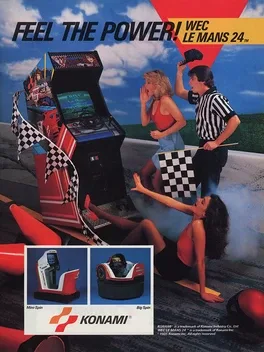
An early racing simulator based on the 24 Hours of Le Mans. It was a pioneer of realistic simulation racing, and featured a unique cabinet that rotated to simulate the feel of driving a car.
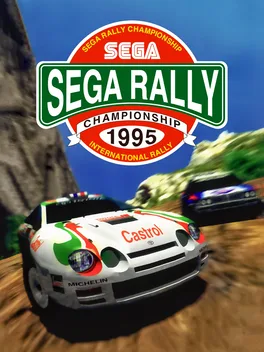
Sega Rally Championship is a 1994 arcade racing game developed by AM5 on the Sega Model 2 board. The unique selling point of Sega Rally was the ability to drive on different surfaces (including asphalt, gravel and mud), with different friction properties, with the car's handling changing accordingly. As the first racing game to incorporate this feature, Sega Rally is considered to be one of the milestones in the evolution of the racing game genre. The music for the arcade game was composed by Takenobu Mitsuyoshi, while the Sega Saturn port's soundtrack was done by Naofumi Hataya and the Guitar were played by Joe Satriani.
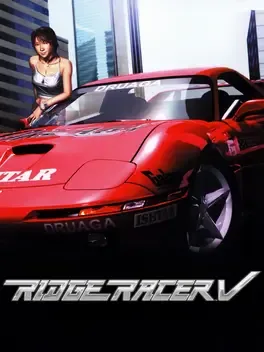
Ridge Racer V is all about excited drivers pursuing the sheer frantic fun of unrestricted racing. Players will be able to drive super-cars with supreme power, speed and style that just can't be bought in a showroom. Features include four different modes – Grand Prix Mode, Versus Battle, Time Attack, and Free Run. Enhanced graphics, sound, and gameplay elements round out a package that also supports several steering wheel peripherals.
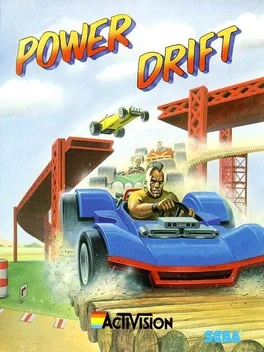
Power Drift is a kart racing game released in arcades by Sega in 1988. More technologically advanced than Sega's earlier 2.5D racing games, like Hang-On (1985) and Out Run (1986), in Power Drift the entire world and track consist of sprites. The upgraded hardware of the Sega Y Board allows individual sprites and the background to be rotated–even while being scaled–making the visuals more dynamic. Designed and directed by Yu Suzuki, the game was a critical and commercial success upon release in arcades. It was subsequently ported to various home computers in Europe by Activision in 1989, followed by a PC Engine port published in Japan by Asmik Ace in 1990. It was not released on Sega consoles until the Sega Ages release for the Sega Saturn in 1998.