
OutRunners


Buy
Part of collection:
OutRun
(last 3 games)
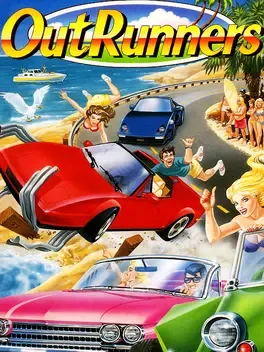
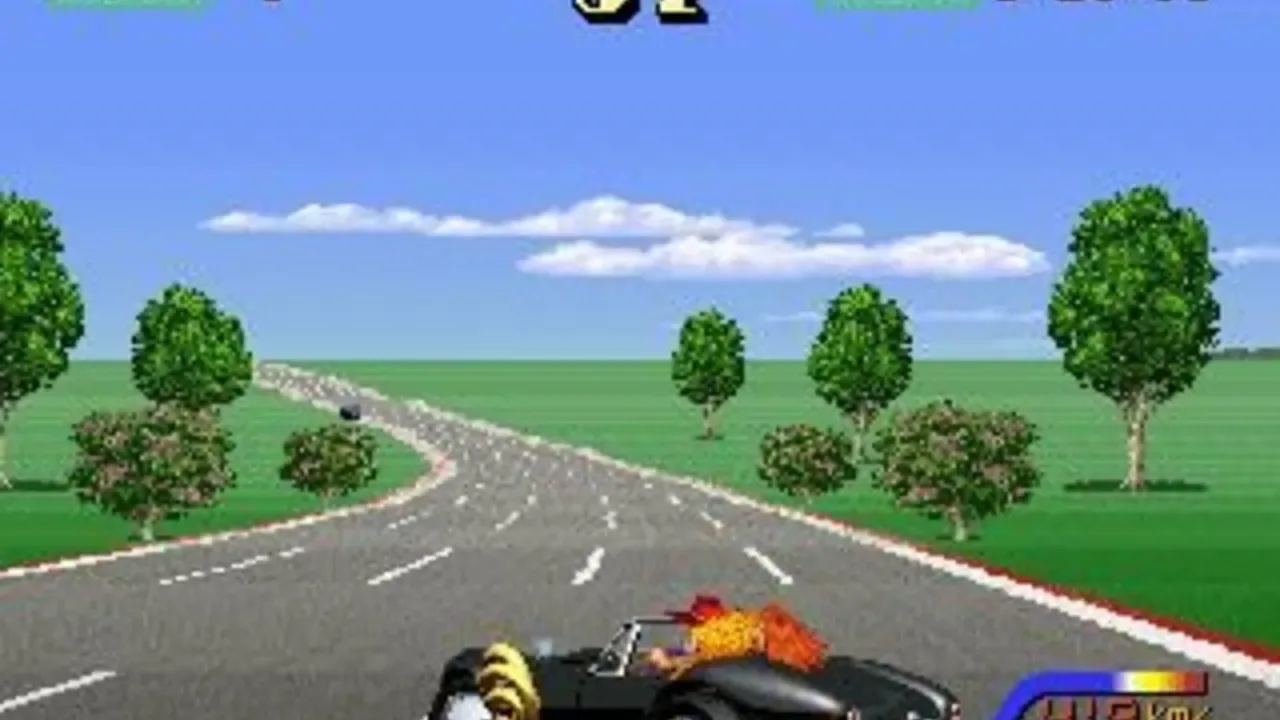
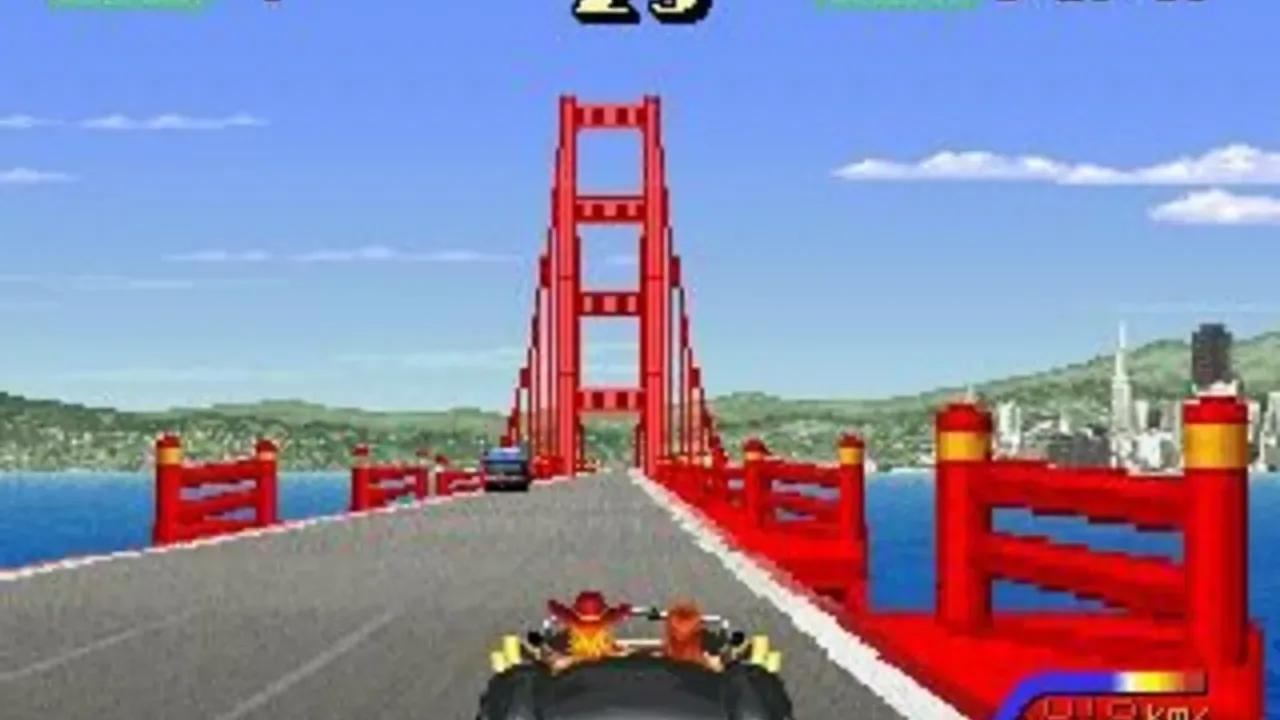
A retro road-racing adventure for all ages! The 3D driving game that launched a legacy returns on Nintendo Switch! Featuring new motion controls, newly added music tracks, and a new ranking system. Speed through the streets of Sega Ages Out Run, the award-winning title that paved the road for the racing genre. Your favorite stages and soundtrack are back. Do you have what it takes to beat the clock?
A 3D Classics port of Turbo OutRun only released inside the Sega 3D Fukkoku Archives 3: Final Stage compilation.
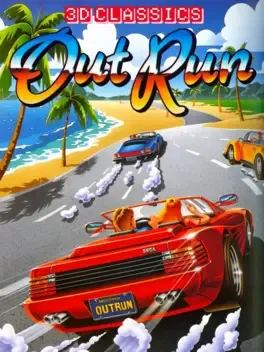
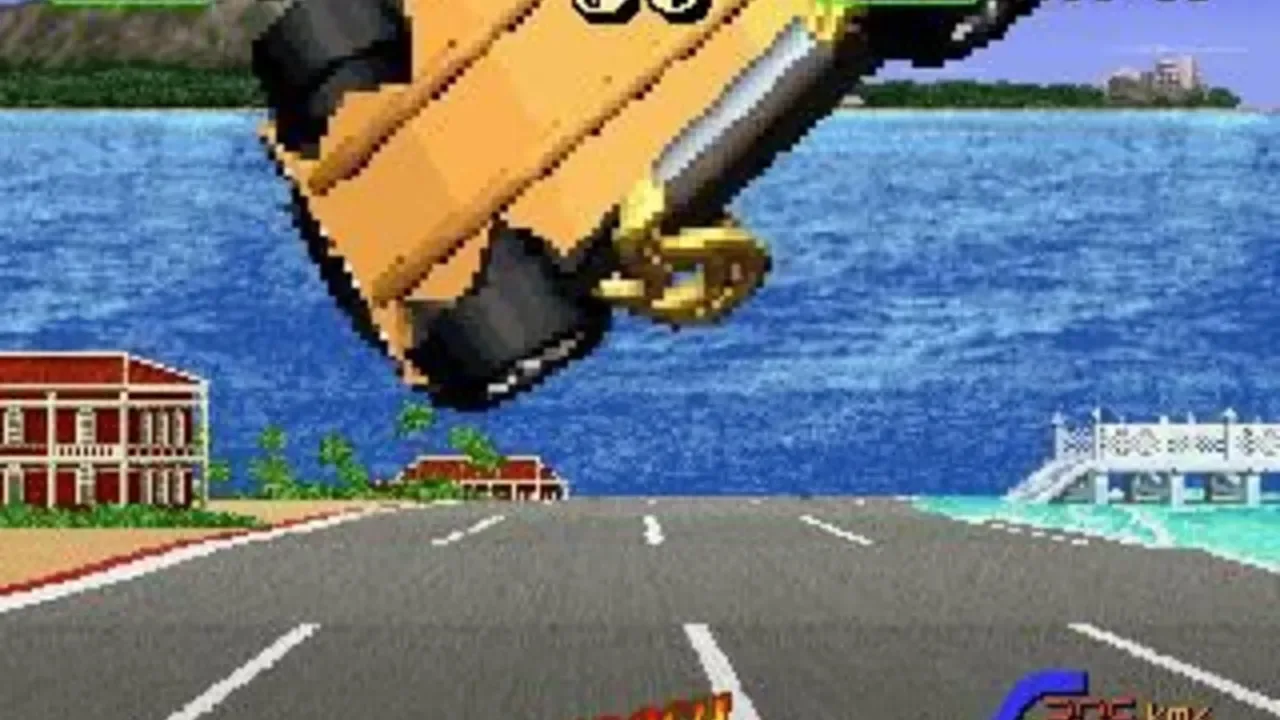
3D OutRun is the critically acclaimed 1986 driving game designed by Yu Suzuki, re-mastered and enhanced for the Nintendo 3DS system. OutRun is a racing game originating in the arcades. The player can race across varied terrain in a readily available Ferrari, complete with a female passenger, over a series of short tracks. Gameplay is viewed form just above and behind the car. The roads are full of sharp bends and hazards, contact with which can cause the car to roll and lose the player's time. On each section of track there is a fork in the road, allowing the player to choose which direction he or she wishes to go in. The player has to to complete five track sections in total, out of the fifteen in the game. The re-mastered version includes all of Out Run’s original content alongside two new songs, and runs at 60 frames per second which is twice the speed of the original game. 3D Out Run also features a built in Stage Select option that allows players to save and resume progress mid-game, has adjustable difficulty settings, and includes unlockable car customization options that allow you to equip parts to improve your car. Additionally, players are able to choose from a number of real-life arcade cabinets wherein everything from the appearance to the environmental sounds of the specific cabinet.
Could be interesting
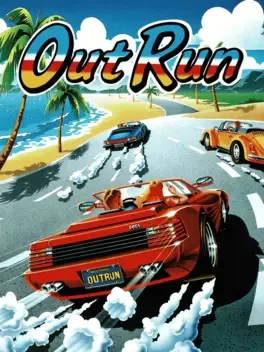
OutRun is a racing game originating in the arcades. The player can race across varied terrain in a readily available Ferrari, complete with a female passenger, over a series of short tracks. Gameplay is viewed form just above and behind the car. The roads are full of sharp bends and hazards, contact with which can cause the car to roll and lose the player's time. On each section of track there is a fork in the road, allowing the player to choose which direction he or she wishes to go in. The player has to to complete five track sections in total, out of the fifteen in the game.
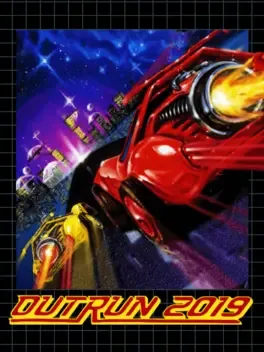
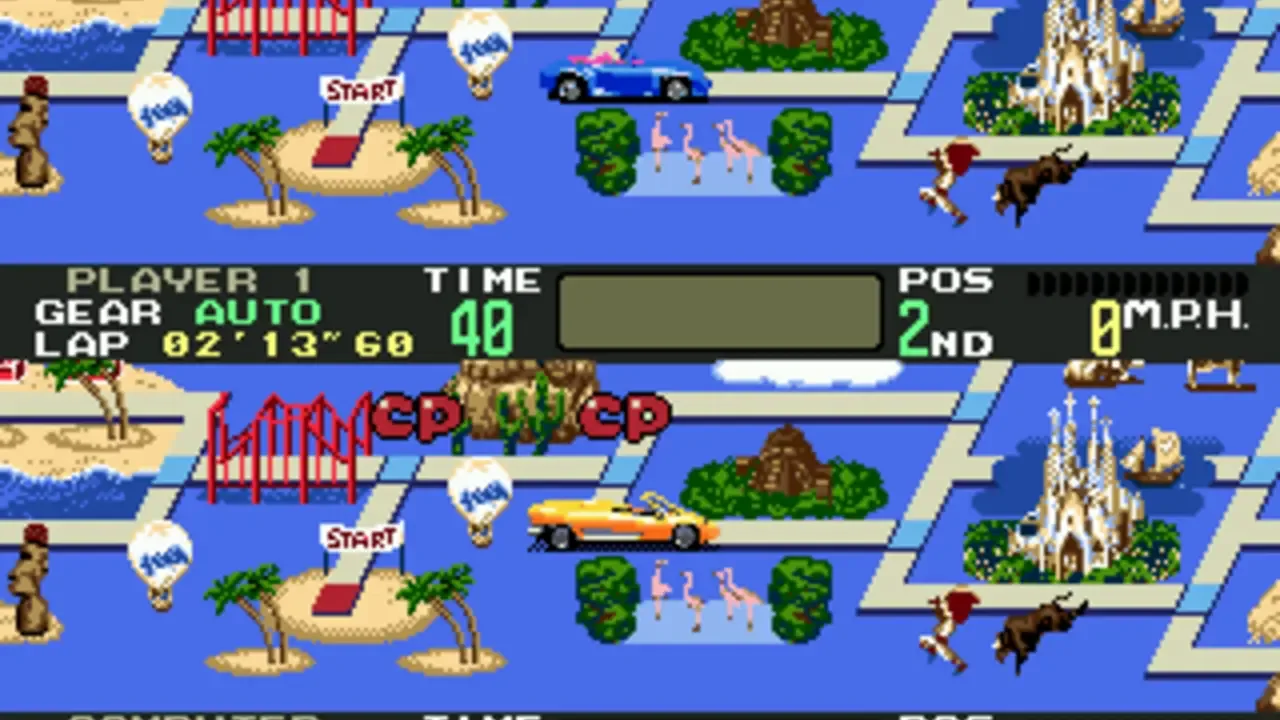
In the 21st century, if you're doing 200mph, you're holding up traffic. Welcome to Outrun 2019 - a worldwide racing tour where gutsy drivers compete over death defying tracks in a survival of the fastest.
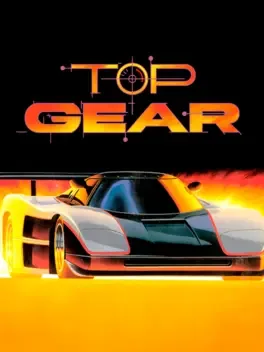
"Top Gear sends players over eight countries around the world with one of four cars, facing sharp turns, pit stops, and debris in this arcade-style racing game."
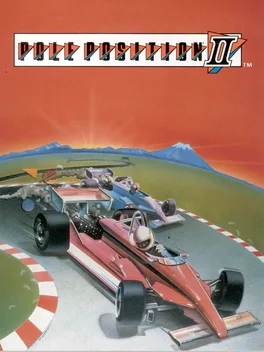
Just like the first game, but with improved graphics and 4 different tracks to choose.
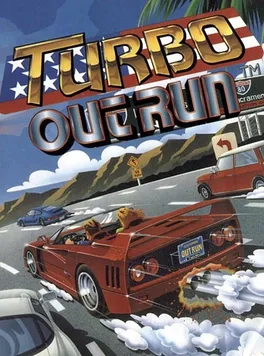
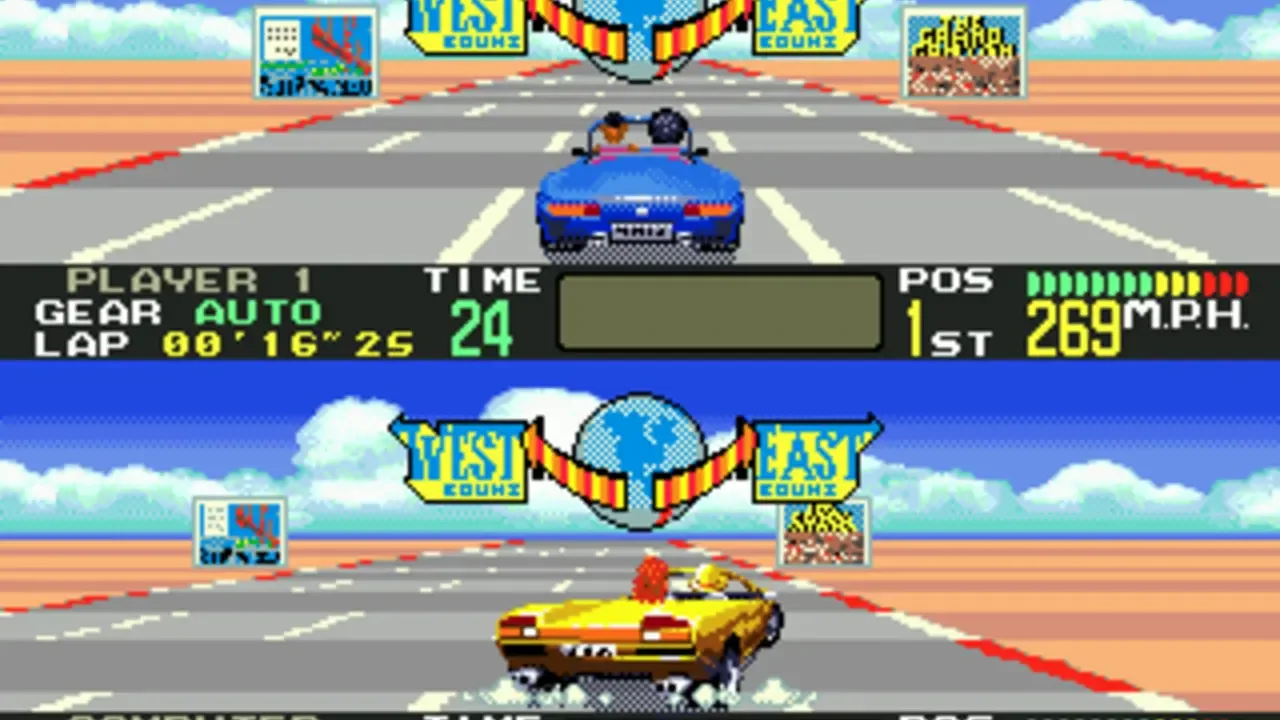
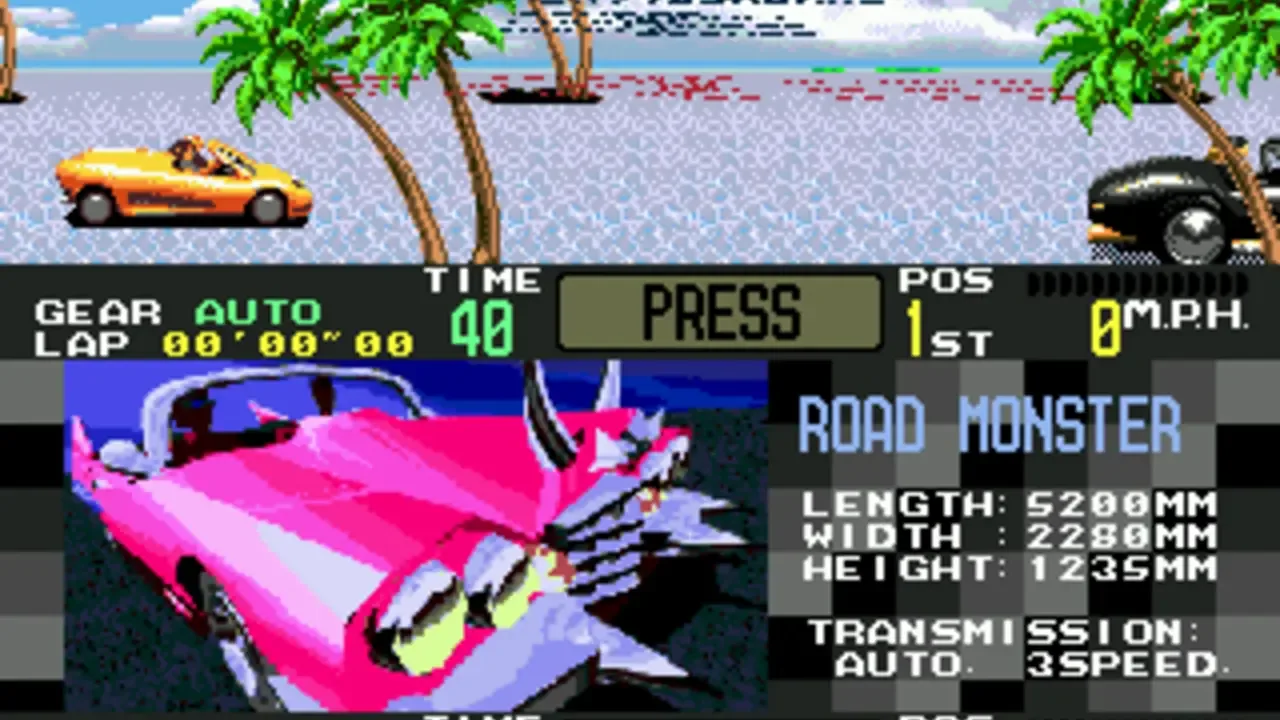
The sequel to OutRun features similar basic gameplay to the original, with the action viewed from behind the car, and the challenge being to complete each stage within the time limit. Contact can cause the car to spin, slow down or even flip; in each case you will lose time. There are 16 stages set across the US, gradually moving from east to west, all depicted differently visually. After every 4 levels, you go into a shop screen, with a choice of upgrades. As the title implies, you now have a turbo booster installed, which speeds up the car, although over-use can cause the engine to overheat, and it is not recharged until each shop section. You have 5 continues, and failure to complete the course within the time limit costs you one.
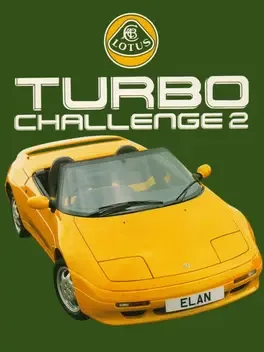
The second Lotus game shifted focus to arcade-oriented gameplay. Being the first of the series released for a game console (for Sega Genesis/Mega Drive under the title Lotus Turbo Challenge), the fuel limit and difficulty levels were dropped, and the lap-based levels were replaced with course-based time trials, (not unlike arcade games such as Out Run), with the player required to complete each course within a specified time to qualify for the next one. In addition to the Esprit Turbo SE, Lotus Turbo Challenge 2 also featured the Lotus Elan SE, hence 'Esprit' being dropped from the title. There was no choice of car however; the player runs with the Elan SE on odd levels, and with the Esprit on even levels. Lotus 2's single-player mode uses all of the game screen instead of half, and opponent cars appear in a variety of colors (opponent cars in the original game were all white). However, music is absent from racing altogether; the player instead hears the car's engine sound. Lotus 2 was developed for the Amiga and then converted for the other platforms.
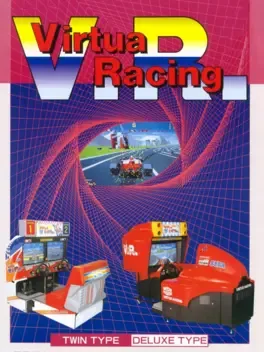
This game was the first game released for the Sega Model 1 arcade platform, and also the first to use the name "Virtua" in its title (something which would be followed by numerous Sega arcade games, including Virtua Fighter, Virtua Cop and Virtua Tennis. It is considered a milestone in 3D graphics and the racing genre, and acts as a foundation for most modern racing games.
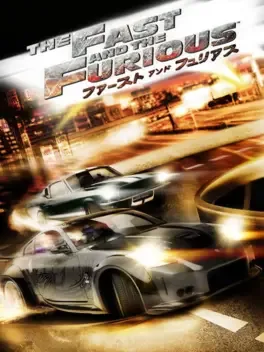
This game features many different races that may take place on the Wangan, or on the local mountain roads called Touge. There are two types of races that can take place on the Wangan: Destination Races - a simple point to point race, and Top Speed Battles - whoever can set the highest speed record in between the start and finish wins. The Touge also features two events: Grip Battles - point to point race going uphill or downhill through tight Hairpin Turns, and Drift Battles - whoever can accumulate the most points by the end of the run wins. Throughout the Wangan are several exits which can lead to hotspots - where Wangan races can be started, touges, Car Dealerships, tune shops, and Robo-Garages. These garages were featured in the movie The Fast and the Furious: Tokyo Drift.
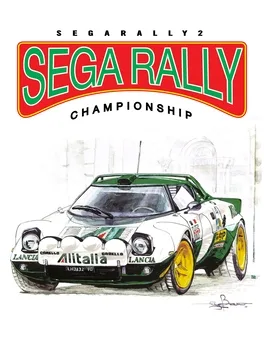
Sega Rally 2 is the sequel to Sega Rally Championship. It was released in 1998 in the arcades and was later ported to the Dreamcast and PC.
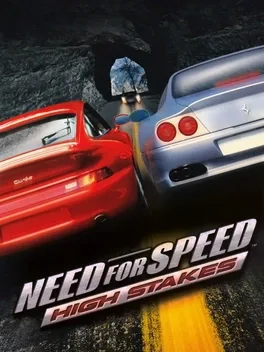
Just like its predecessors Need for Speed: High Stakes is an action racing game with a wide selection of exotic sports cars and many different types of tracks. The trademark Hot Pursuit mode game mode from the first game in the series is still present, where players race opponents on tracks filled with regular traffic and police cars that chase the racers. The classic pursuit mode is extended with two additional modes: Getaway and Time Trap. In Getaway the player needs to shake off the police in a set amount of time, or playing as the police trap a speeder before time runs out. In Time Trap an entire race needs to be completed before time runs out, or as the police all speeders need to be arrested. There are minor differences between the two platforms for this game mode, regarding spike strips, road blocks, and back-up. The latter for instance is unique to the PlayStation version. The Pursuit mode is available in multiplayer as well and players can take different sides or race together. It is the first game in the series to introduce a Career mode with a set of challenges. Beating these is rewarded with trophies for unlocks, and money to spend on new cars, repairs and upgrades. In the PlayStation version the Career mode is split up into two different sets of challenges: Tournament (required races) and Special Event (optional races). High Stakes in the title refers to races where players bet their cars. In the PC version these are a part of the Career mode when the player owns more than two cars. In the PlayStation version two players can insert their memory cards and race against each other. The winner immediately receives the opponent's car and it is deleted from the loser's memory card right away. In addition to the new game modes it is also the first game in the series to have a detailed physics models. Damage now affects both the appearance and the performance of the car for the first time.