
Polestar


Buy
Could be interesting

R4: Ridge Racer Type 4 is the fourth game in the Ridge Racer series. It includes eight tracks (with reverse variants, for a total of 16 layouts) and 321 vehicles, all of which are fictional. This iteration was one of the first PlayStation titles to feature Gouraud shading on polygons, giving the game a visual depth that was previously missing. It was also the first Ridge Racer game on the system to feature two-player split-screen mode and offered two different driving models.
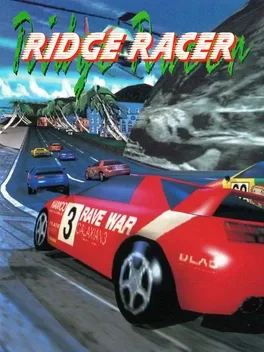
Ridge Racer was initially released on the Namco System 22 arcade system board and was later ported to the PlayStation console. It is the first title in the long-running Ridge Racer series of games released for arcades and home consoles. The game's objective is to finish in first place in a series of races. Ridge Racer was among the first racing games to utilise polygon graphics to its full potential.
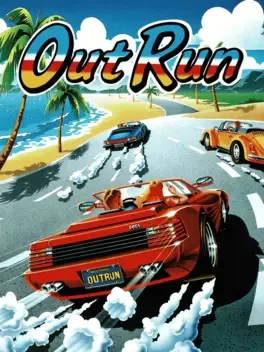
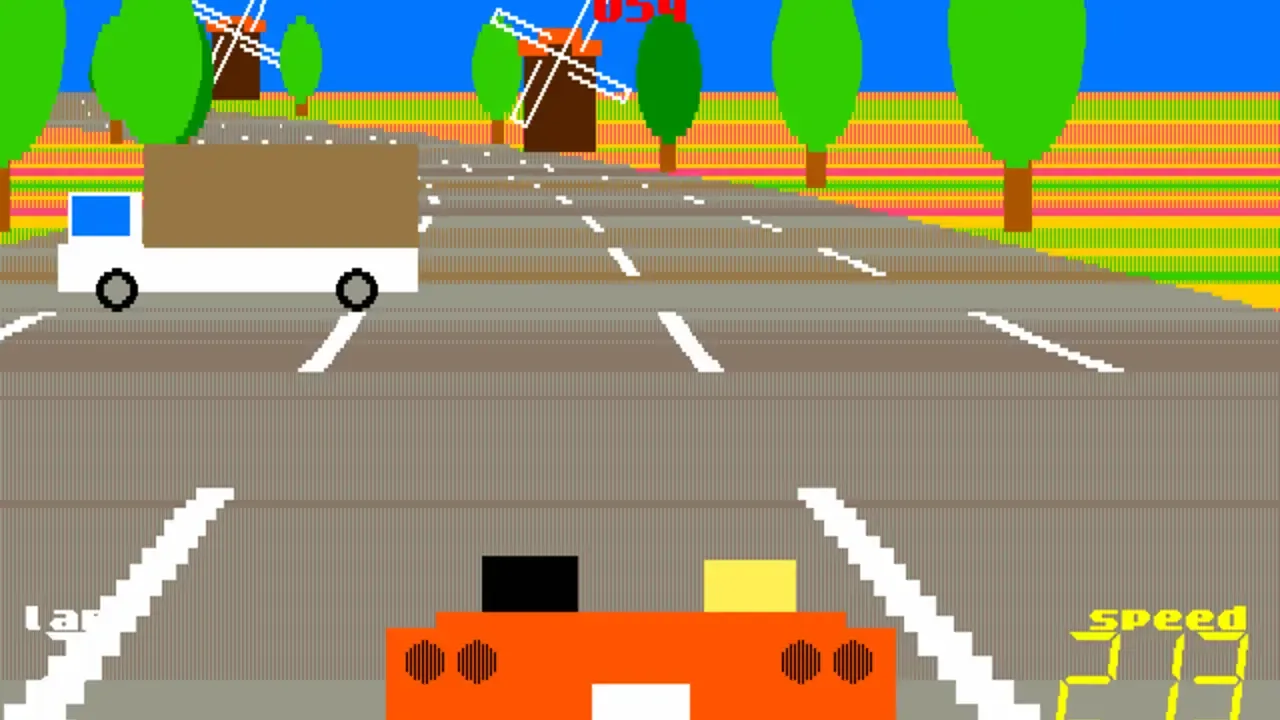
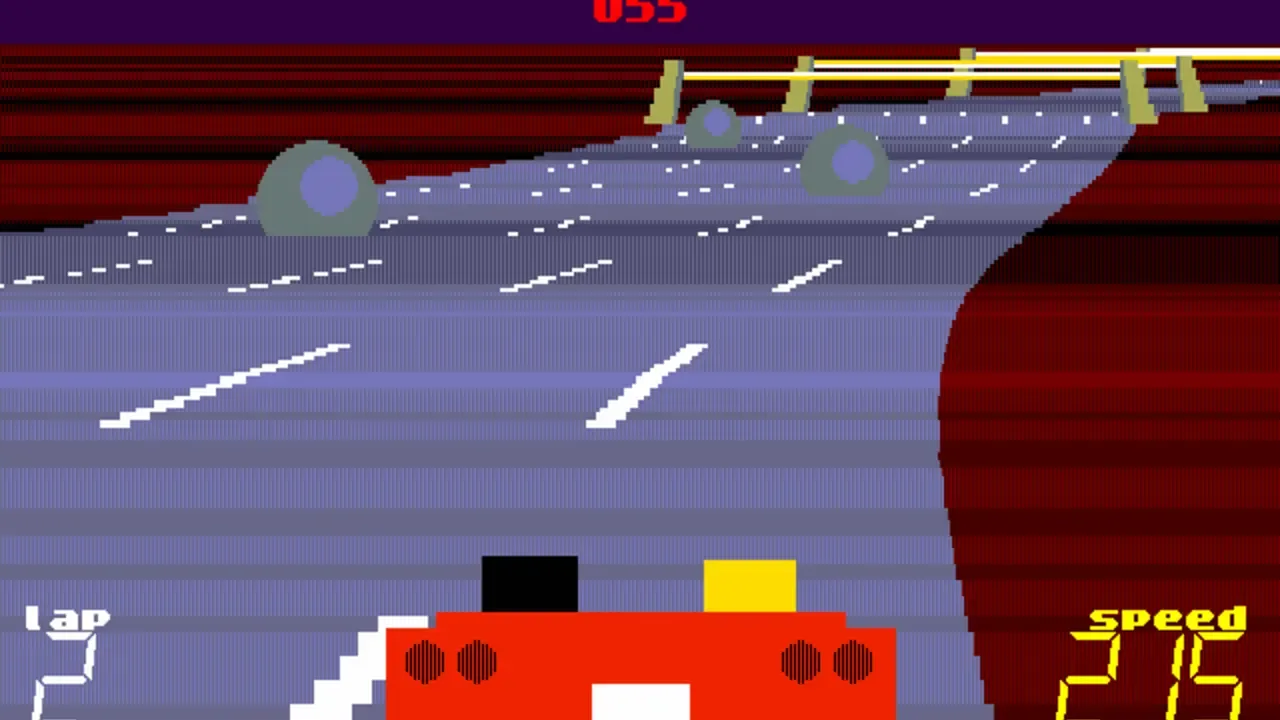
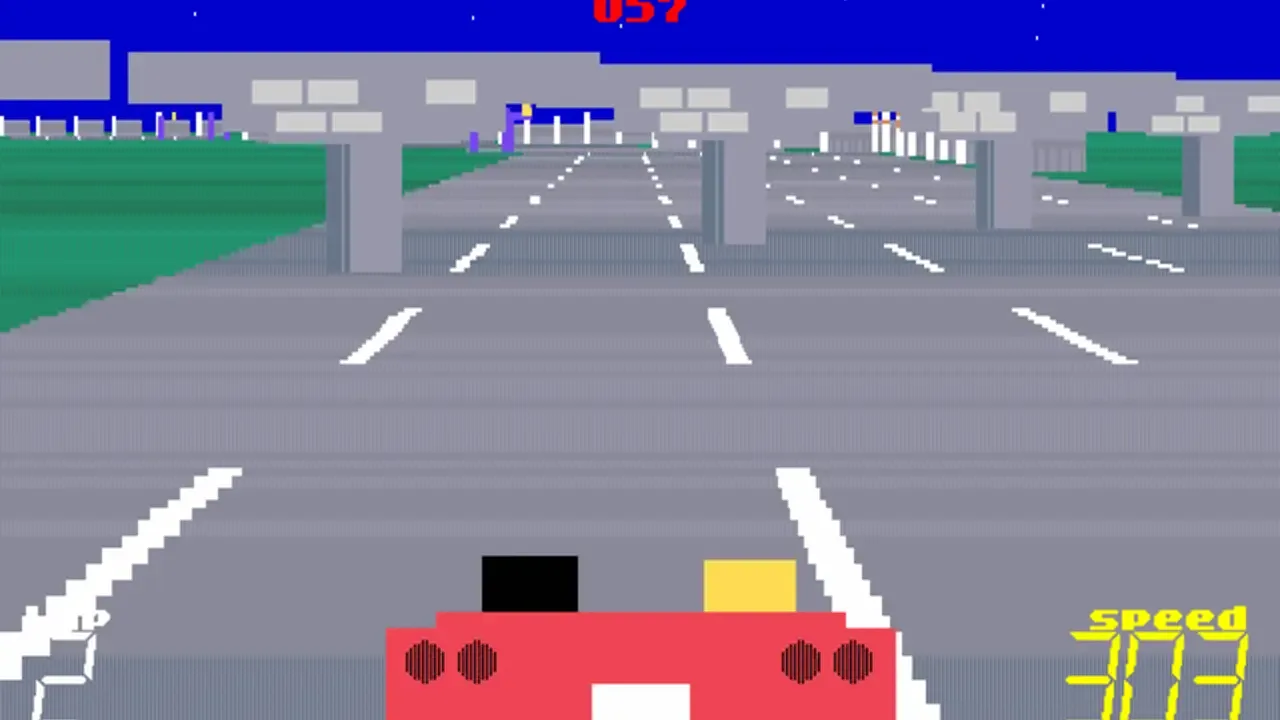
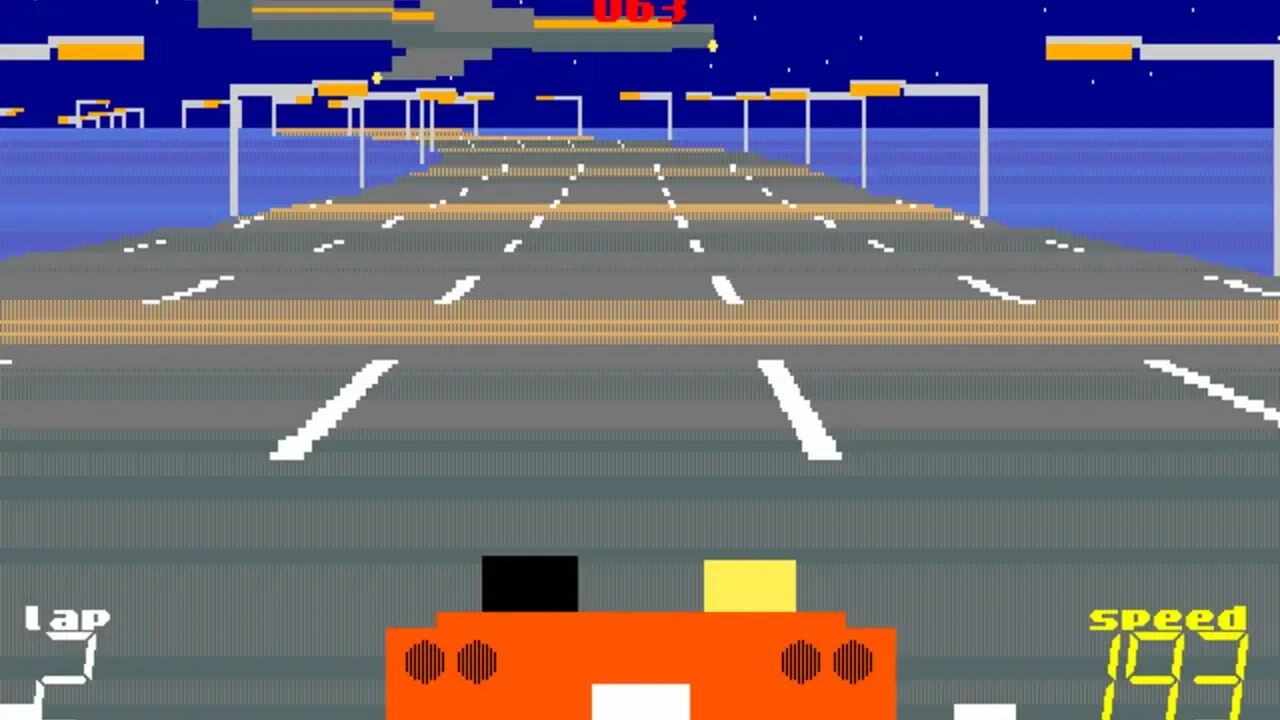
OutRun is a racing game originating in the arcades. The player can race across varied terrain in a readily available Ferrari, complete with a female passenger, over a series of short tracks. Gameplay is viewed form just above and behind the car. The roads are full of sharp bends and hazards, contact with which can cause the car to roll and lose the player's time. On each section of track there is a fork in the road, allowing the player to choose which direction he or she wishes to go in. The player has to to complete five track sections in total, out of the fifteen in the game.
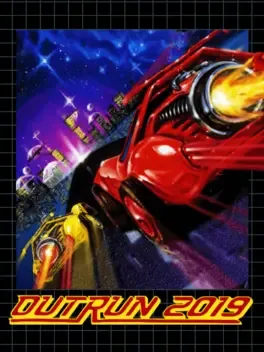
In the 21st century, if you're doing 200mph, you're holding up traffic. Welcome to Outrun 2019 - a worldwide racing tour where gutsy drivers compete over death defying tracks in a survival of the fastest.
Shutokou Battle Gaiden: Super Technic Challenge is a Racing game, developed by Mitsui & Co. and published by MediaQuest, which was released in Japan in 1996. It features 25 licensed vehicles. The gameplay consists of drifting your vehicle with arcade-like handling in drift zones and recieving scores based on the angle, length and speed of the players's drift. Events are set up as a 1 v 1 battle between the player and a CPU, with the winner being whoever has the highest drift score at the end of the lap.
The vulgar web video becomes a playable game on iPhone and iPod Touch
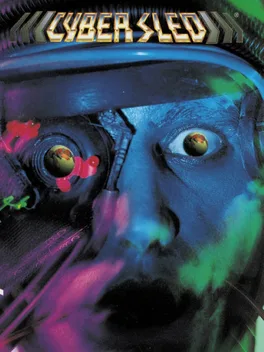
High-tech tanks meet full blown, first person firepower. Cyber Sled cataplults you to a future where tank warfare resembles forumla one racing on an arena football field. Eleven armored battlesleds play hide-and-seek, then seek-and-destroy; each with enough weaponry to take out the former Soviet Union. Their sole purpose? Blow you to scrap. Blink, and you're Cyber-Dead.
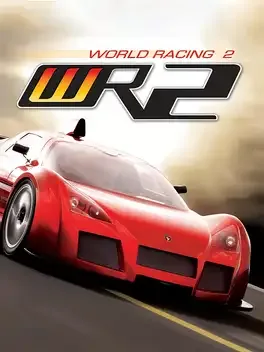
Compared to its predecessor, where players could only drive different Mercedes Benz cars, this sequel allows them to control over 90 different cars from 17 different manufacturers, such as Alfa Romeo, Morgan, and others. The core of the game is the career-mode with 120 races which take players all around the globe, from Italy to Florida, where players can earn their 'Speedbucks' to buy new cars and tuning options. The game also features oncoming traffic and a detailed damage model including realistic driving physics. Players can also customize their cars with vinyls, alloy rims and many other extras.
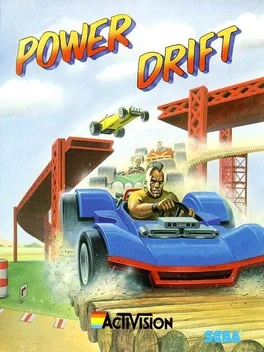
Power Drift is a kart racing game released in arcades by Sega in 1988. More technologically advanced than Sega's earlier 2.5D racing games, like Hang-On (1985) and Out Run (1986), in Power Drift the entire world and track consist of sprites. The upgraded hardware of the Sega Y Board allows individual sprites and the background to be rotated–even while being scaled–making the visuals more dynamic. Designed and directed by Yu Suzuki, the game was a critical and commercial success upon release in arcades. It was subsequently ported to various home computers in Europe by Activision in 1989, followed by a PC Engine port published in Japan by Asmik Ace in 1990. It was not released on Sega consoles until the Sega Ages release for the Sega Saturn in 1998.
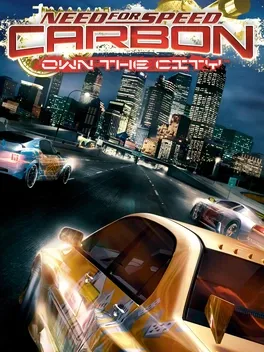
Although this version of Need for Speed: Carbon - Own the City shares its name with its counterparts, the game is completely different. Unlike the other versions there is no canyon racing or drift racing. The goal of the game is to build up a gang of the best racers and take over all the city's territories. The driving is all city-based similar to the open world of Need for Speed: Most Wanted. The tuner culture/car customization features started in Need for Speed Underground are also present. There is a light story, presented as comic book style illustrations, that unfolds as the player take over territories and complete chapters.