
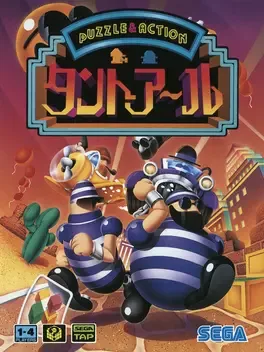
Puzzle & Action: Tant-R


Buy
Part of collection:
Puzzle & Action
(last 3 games)
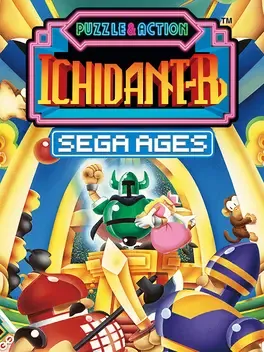
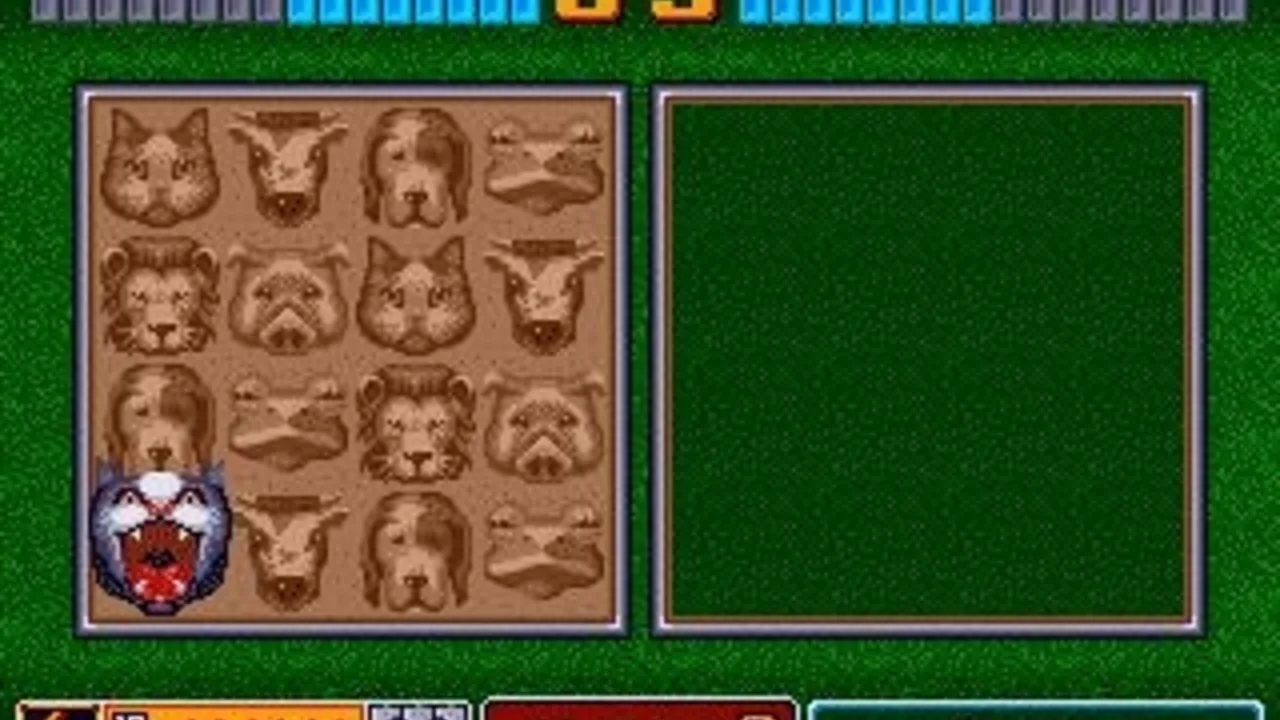
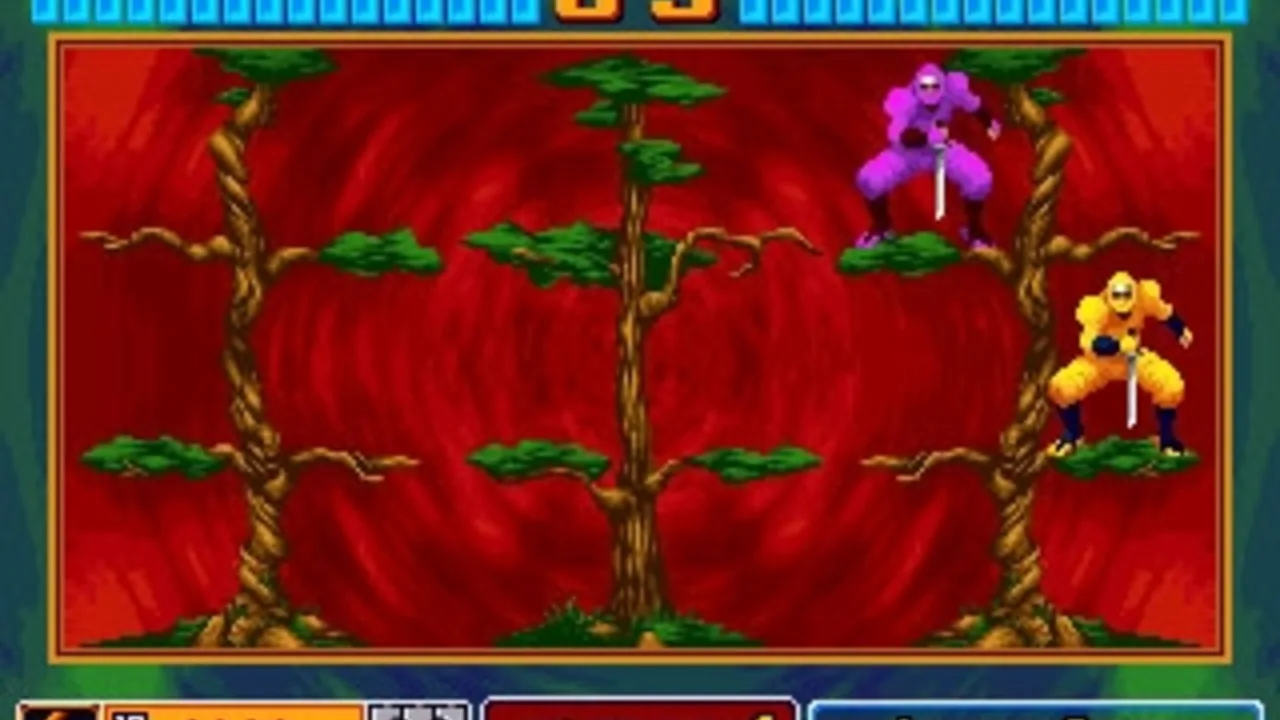
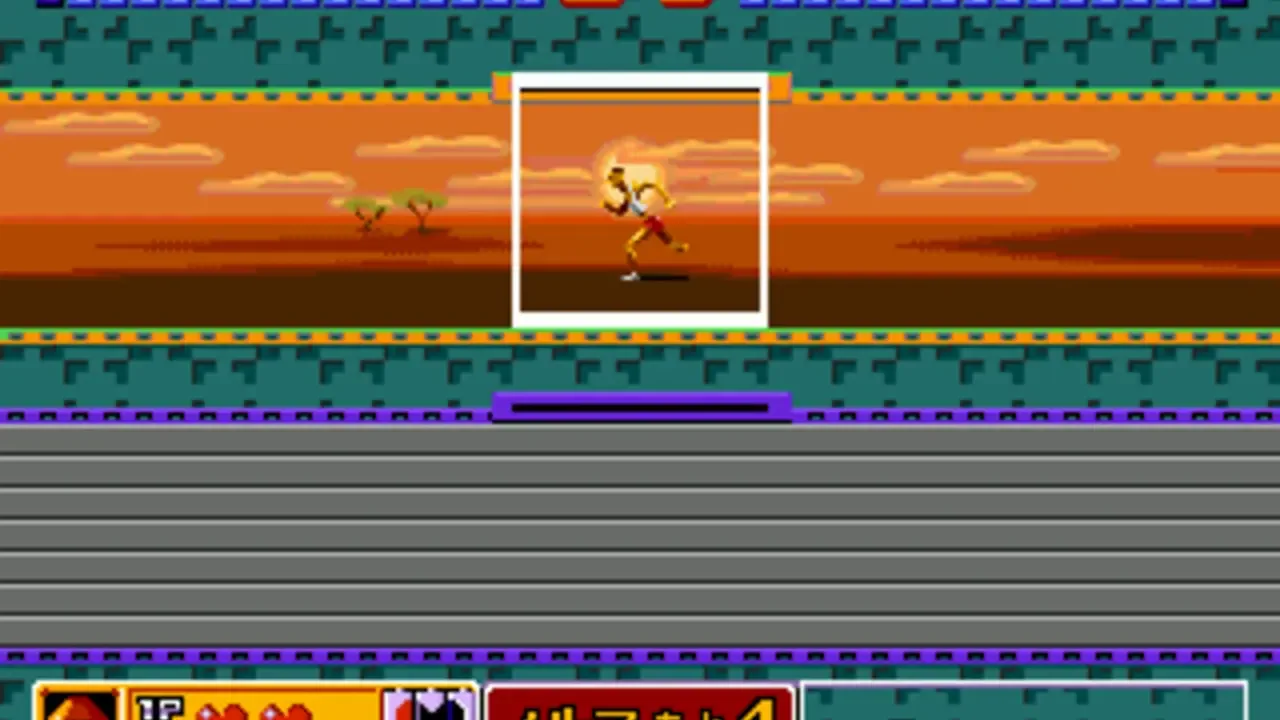
A port of the arcade version of Ichidant-R, also known as Puzzle & Action: Ichidant-R, it is the second game in a trilogy. The game has been exclusively released in Japan across multiple platforms since its original arcade release in 1994. "Ichidant-R pushes the limits of your brain as you hunt for hidden vampires, conduct an orchestra, shoot down UFOs, and much more across 20 wildly varied mini-games that can be enjoyed locally or online! Mega Drive Mode adds in an RPG-like Quest Mode, a unique Competitive Mode designed as a board game for up to four players, and a point-based Free Mode (Note: Mega Drive Mode is presented with Japanese text only)."
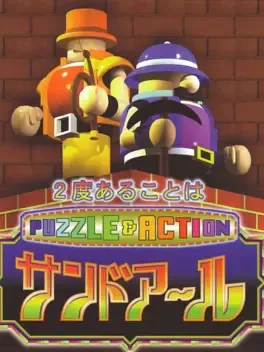
The third game in Sega's Puzzle & Action series.
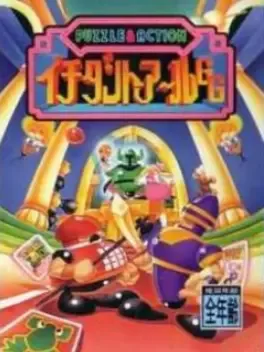
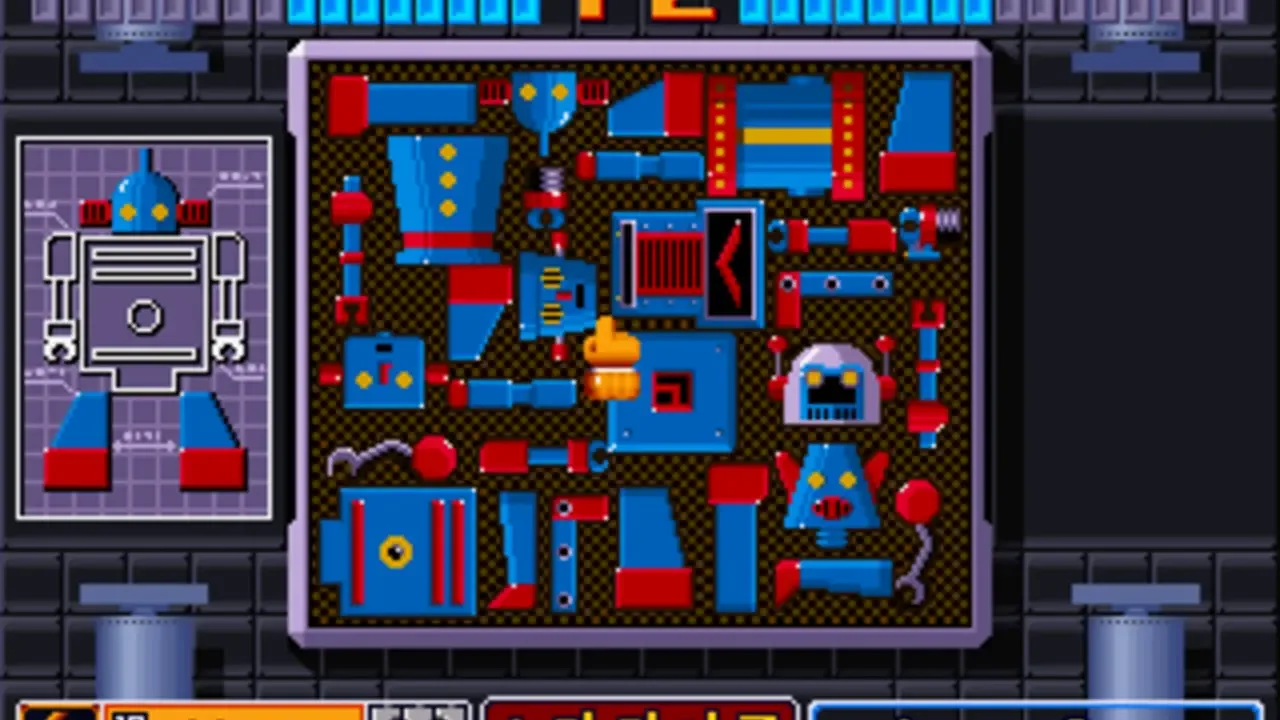
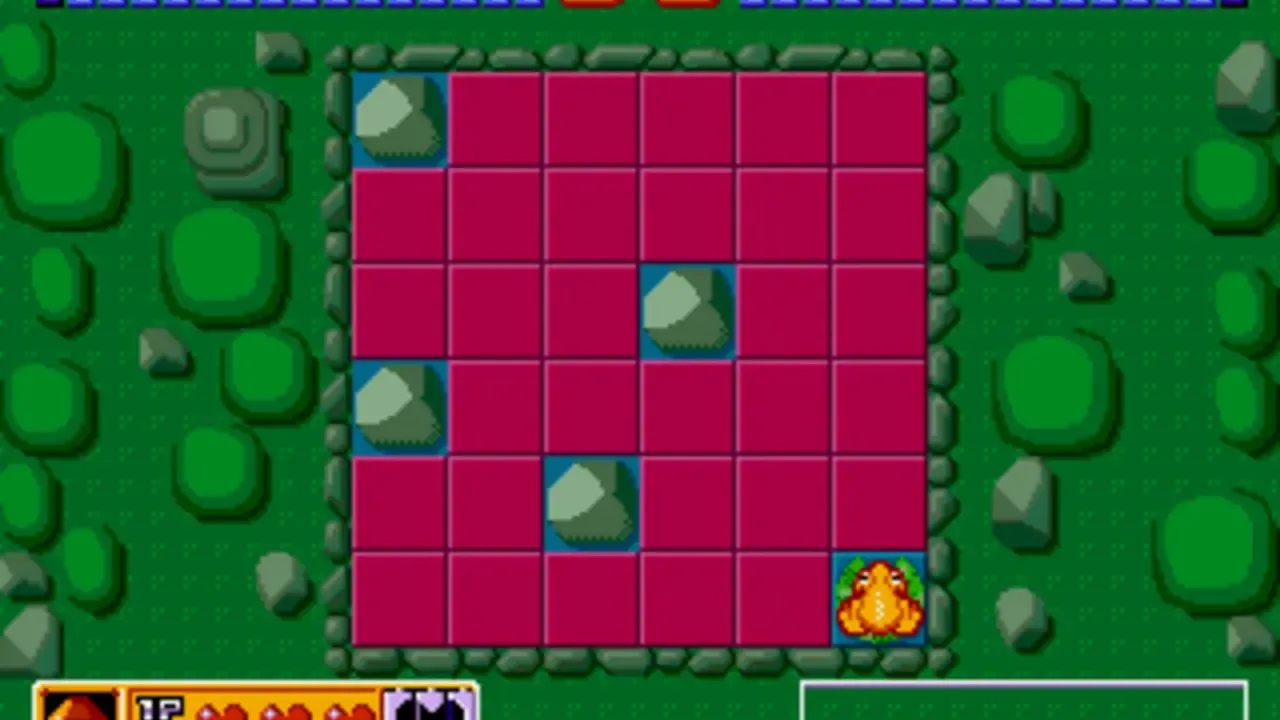
Puzzle & Action: Ichidant-R (イチダントアール) is the sequel to Puzzle & Action: Tant-R, and like its prequel is an arcade game released for Sega System C arcade hardware. The game later brought to Sega Mega Drive and Sega Game Gear, with the latter being renamed Puzzle & Action: Ichidant-R GG (イチダントア~ルGG). So far the game has never been released outside of Japan (and South Korea). Like Tant-R, Ichidant-R is a series of timed minigames, represented in the graphical style seen in Bonanza Bros.. Ichidant-R was bundled with Quiz Rouka ni Tattenasai! in Sega Ages Rouka ni Ichidant-R for the Sega Saturn, and it was also bundled with Tant-R as part of volume 6 in the Sega Ages 2500 series for the PlayStation 2. It was also released for the Wii's Virtual Console service in 2007. One final game in the Puzzle & Action series, Puzzle & Action: Treasure Hunt was released for Sega Titan Video arcade hardware in 1997.
Could be interesting
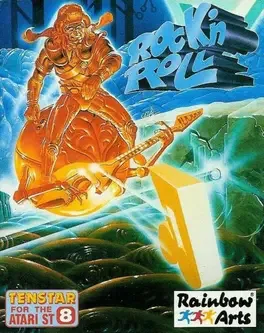
Rock 'n' Roll is a computer game for the Commodore 64, Atari ST, Amiga, MS-DOS, ZX Spectrum and Amstrad CPC, published by Rainbow Arts in 1989. The Soundtrack for the Amiga Version was composed by Chris Huelsbeck Rock 'n' Roll is an action-oriented puzzle game with 32 levels (plus a secret bonus level). The player controls a ball (steered with the mouse on the Amiga or the joystick on the Commodore 64) and his job is to reach the exit on each level. Numerous objects help or hinder the player's path to the exit. These include locked doors that he needs to find a key to, ice which hinders his steering, fans that push him away or magnets that pull him towards them, crumbling floor tiles, and others. A map of the level is accessible at any time, but it starts out completely blank. The player has to collect eyes along the level to make various objects visible on the map. He may also buy various supplies like a fastball, a spikeball, bombs, and even hints for game secrets like extra money, extra lives and short cuts. The name "Rock 'n' Roll" comes from both the aspect of "rolling" your ball along the level, and the various catchy Rock and roll-inspired tunes that play as the background music.
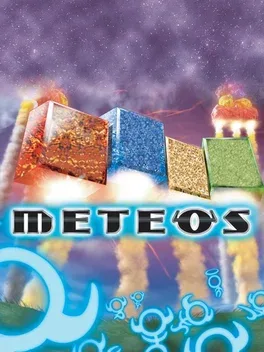
An evil planet named Meteo is sending storms of world-ending meteors across the galaxy, and only your puzzle skills can stop them. As blocks drop down on the lower screen, you must use the DS's stylus to match up blocks of the same color. Once you have enough blocks connected, they'll shoot back into the sky to form planets on the upper screen.
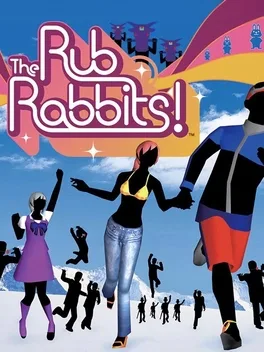
Rub Rabbits is the sequel to XY/XX: Feel the Magic and features all-new gameplay mechanics, which range from holding the Nintendo DS sideways and upside down to multiple game modes. The game includes all-new music, art, and characters, as well as the ability to customize the look of the object of your affection. The game has six different multiplayer modes, which are compatible for playing with up to four players at a time.
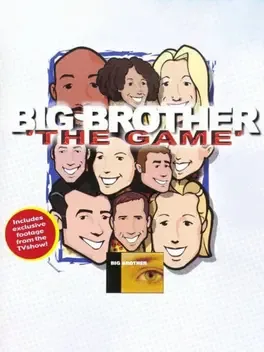
Big Brother: The Game is a minigame collection that was released in 2001. The aim is to unlock 'special moments' from the TV show by completing a series of catching and tile puzzle games.games,
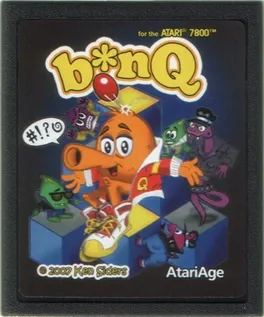
B*nq is a Q*Bert clone brought to the Atari 7800 by Ken Siders. The object of b*nQ is to score as many points as possible by jumping on cubes, jumping on green objects, and luring the snake cop to his death. When all of the cubes have been changed to the “change to” color, you will advance to the next round.

Puzzles and action - enjoy a new sense of play in two ways. Lead the character to use the key block in a total of 100 levels and a multiplayer mode for up to four people can play simultaneously.
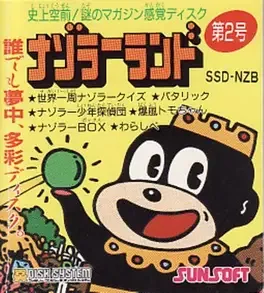
The second game in the Nazoler Land series of minigame compilations published by SunSoft for the Famicom Disk System. Nazoler Land Dai-2-gou is the sequel to Nazoler Land Soukan-gou and is similarly a minigame connection with a magazine theme. It contains six minigames, rather than its predecessor's eight. A notable feature of this compilation is that all the minigames are represented as Famicom disks on the select screen, and once a game is chosen an animation shows the disk being loaded in the Famicom Disk System. The minigames include: Patalick A panel-switching puzzle game that shares some similarities with Q*Bert (specifically, switching panel colors and the isometric perspective) but is far more cerebral and less active in nature. The goal is to use the shape-shifting protagonist (who transforms from an angel to a devil form) to switch all the panels on the screen to the same color, keeping in mind that every panel in a horizontal and vertical line will flip over. Geographic Nazoler Quiz Like the transportation quiz from the first Nazoler Land, this is a quiz game with a geographical theme. Rather than crossing over Japan in various types of transport, the goal is to travel the world and answer questions on different countries. Answering enough questions correctly allows the player to buy a ticket to the next location and progress forward. Straw Pistil A gambling game in which the player barters against AI opponents for money. The opponents are unpredictable, so the game is largely based on luck. Blast Tomo As with "Save Princess Momoko" from Nazoler Land Soukan Gou (or the Cheetahmen from Action 52), Blast Tomo is the "major feature" of the compilation. The goal is to help a schoolgirl, Tomo, reach the bottom of a stage with the strategic placing of a finite number of bombs to destroy blocks in the way. The player must also not any let mice touch Tomo on the way down. Nazoler Boys' Detective Club A parody of Famicom Tantei Club, the player is the leader of a detective club currently investigating a mansion supposedly hiding incriminating evidence. Should the player make too many wrong decisions while exploring, the rest of the group will stop listening to them. Nazoler BOX Not so much a game as a more overtly magazine section where an animated character (Tomo, from Blast Tomo) reads mail from players of the previous game as well as discuss promotional features of the Nazoler Land series. There's also a section where players can draw their own images, as part of a contest for Nazoler Land Dai 3 Gou.
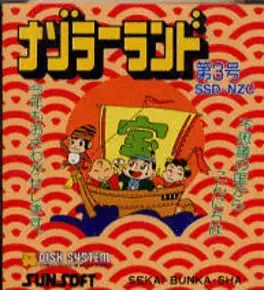
The third and final core entry in the Nazoler Land series of minigame compilations with a magazine theme. It was developed and published by SunSoft for the Famicom Disk System. Nazoler Land Dai-3-gou is the third game in the Nazoler Land series. Like its predecessors, it was developed and published by Sunsoft for Nintendo's Famicom Disk System in Japan only, and contains various minigames with diverse gameplay. These minigames include: Sugoro Quiz All three Nazoler games had a quiz minigame of some kind, but Sugoro Quiz is the first to emphasize a multiplayer aspect. Two to four human players compete in a board game in which players progress by answering trivia questions. Tomo Bakuso The second minigame starring the schoolgirl Tomo, after Nazoler Land Dai 2 Gou's Blast Tomo. In this game, she is trying to pass through a level of platforms, some of which will block access after being passed through a certain number of times. Tanteidan Boy Nazoler An early example of an "escape the room" adventure game, which would become very popular in browser flash games and games like 999. The player must use the items in the room they are trapped in by clicking on items strewn around it and discover the exit. As the player interacts with the room it visibly changes. Bingo Not so much a game but a Bingo simulator. Two to four players can generate a unique bingo card and the game will randomly select numbers. The first player to finish their card wins the game. Nazoler BOX As with Nazoler Land Dai 2 Gou's Nazoler BOX, this isn't so much a minigame as a response to letters sent to SunSoft about the Nazoler Land series. Tomo, from Tomo Bakuso, answers user mail. Kirk, the protagonist of SunSoft's Dead Zone, makes a cameo appearance. Nazoler BOX Contest Results In Nazoler Land Dai 2 Gou's Nazoler BOX there was a way to create pixel art which users could then print out and enter into a contest. This minigame simply comments on the various entries that SunSoft received. It is hosted by cameo characters from Dead Zone and Ripple Island.
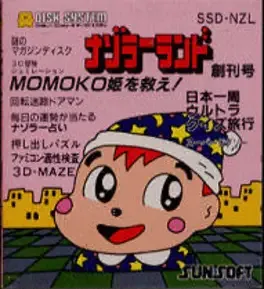
A mini-game compilation from SunSoft for the Famicom Disk System. It is the first in a series of four Nazoler games. Nazoler Land Soukan-gou is the first in a series of minigame collections from SunSoft developed especially for Nintendo's Famicom Disk System peripheral. It was followed by two direct sequels and a quiz-based spin-off. Nazoler Land Soukan-gou (or Nazoler Land Vol. 1) has eight minigames that the player can select from a menu after loading the game up and switching the disk around. These are: Rotation Maze A maze-like puzzle game where a small circular being has to pass through a maze filled with dividers. The player can only pass through these dividers if there is room for it to turn around, otherwise it blocks the player's progress. The goal is to find the correct path through the maze. Nazoler Fortune-Telling Despite using signs of the Zodiac and suggesting a fortune-telling aspect, the game is actually a variant on the classic strategy board game Mastermind: The goal is to find the right combination of Zodiac symbols, and the game will provide hints by reporting whenever the player includes the right symbol, either in the correct place (represented by a solid star) or the wrong place (represented as a hollowed star). Super Jigsaw In this game the player simply has to reconstruct an image after pieces of it have been jumbled up. All the player must do is use two cursors to point to the two pieces they wish to switch around. Restoring the image to its initial state completes the challenge. Save Princess Momoko! Promoted as the "major feature", or the most fully-developed of the minigames. The goal is to explore a dungeon in a first-person perspective, similar to classic dungeon crawlers such as Wizardry, Dungeon Master or Shining in the Darkness, while finding items and using the correct items on the right monsters to proceed past them. Encountering these monsters before finding the right item to defeat them causes the player to lose, so there's a degree of trial and error. Japan's Best Surroundings: Ultra Travel Quiz A quiz based on traveling around Japan and general geographical facts. The player selects which type of transportation (train, plane, etc.) they wish to take and answers questions relating to it. Famicom Reaction Test In this simple "game", two players compete to hit the button on their controller as many times as they can in the short time limit. This test is presented like a Wild West duel. Extrusion Puzzle Similar to Super Jigsaw, only the player is sliding blocks around to make a puzzle appear. Pushing one block that's against another causes all touching blocks to move at once. 3D Maze A simple 3D maze, presented in the same first-person perspective as the Saving Princess Momoko game, though with a stark blue and white appearance. The goal is to simply find the way out.

So you think you understand your device? Think again. Stop tapping. Stop swiping. In fact, stop touching the screen at all. To crack Blackbox’s puzzles you’ll need to find solitude and stillness, climb mountains, call on friends, get in tune with the cosmos, and think outside the box. Solutions that can’t be found beneath the glass of your screen redefine what a puzzle can be. You’ll never see your device the same way again.