
Sanyo Pachinko Paradise 4



Buy
Part of collection:
PachiPara
(last 3 games)
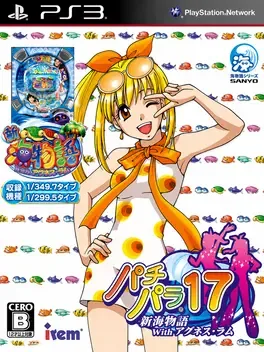
Finally, a PachiSlot-style PS3 game that tells the new sea story I've been craving!
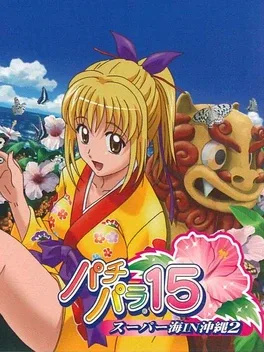
Don't confuse this with some kind of other, non-super Okinawan sea.

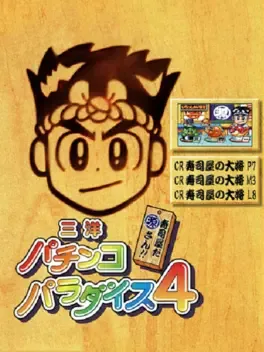
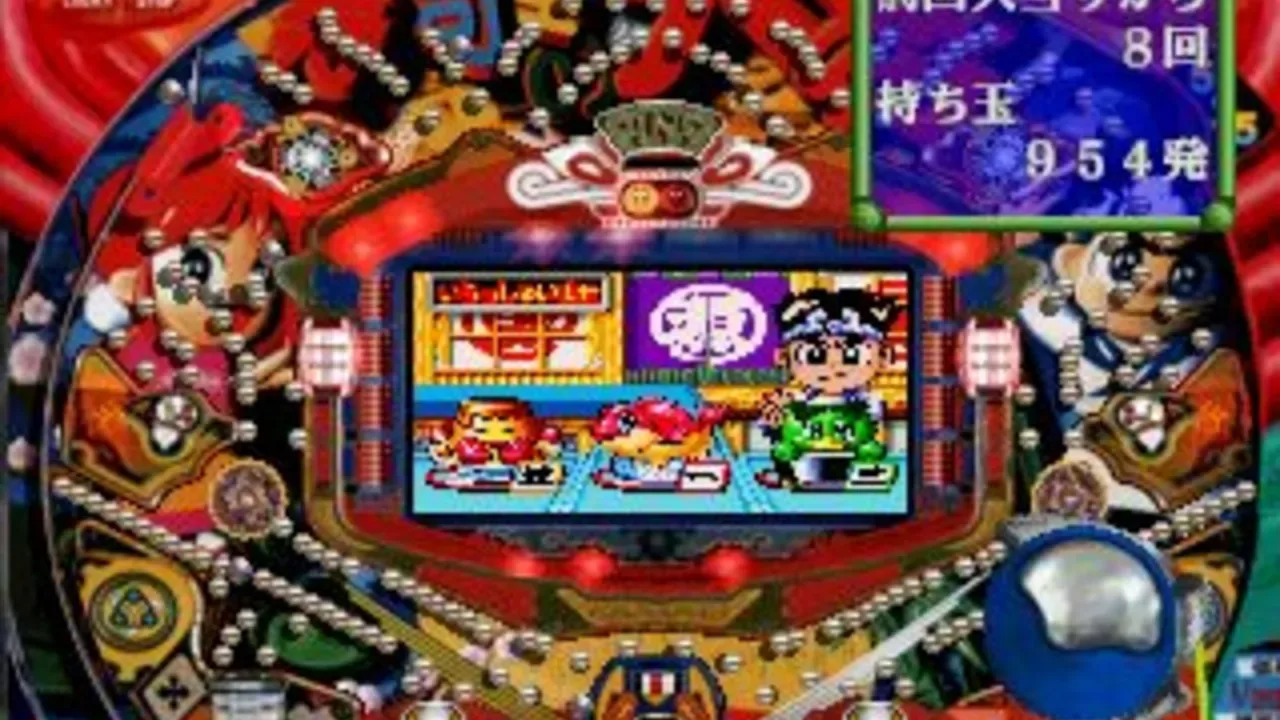
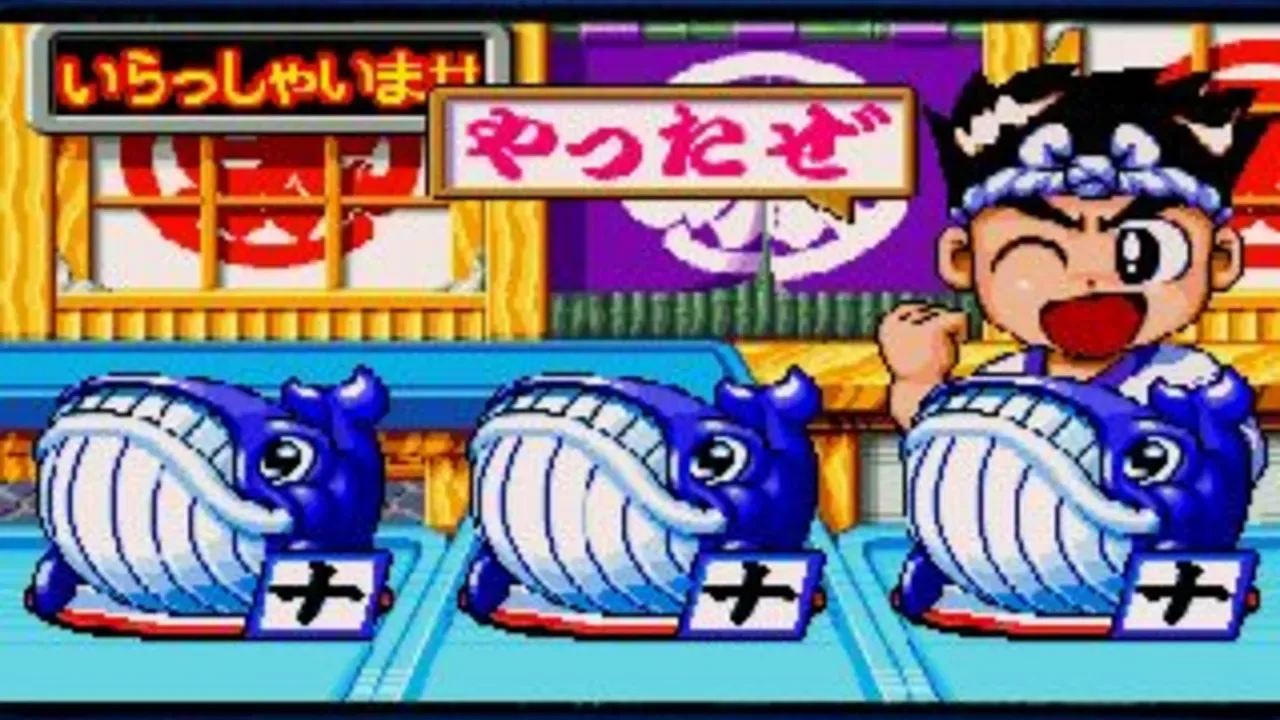
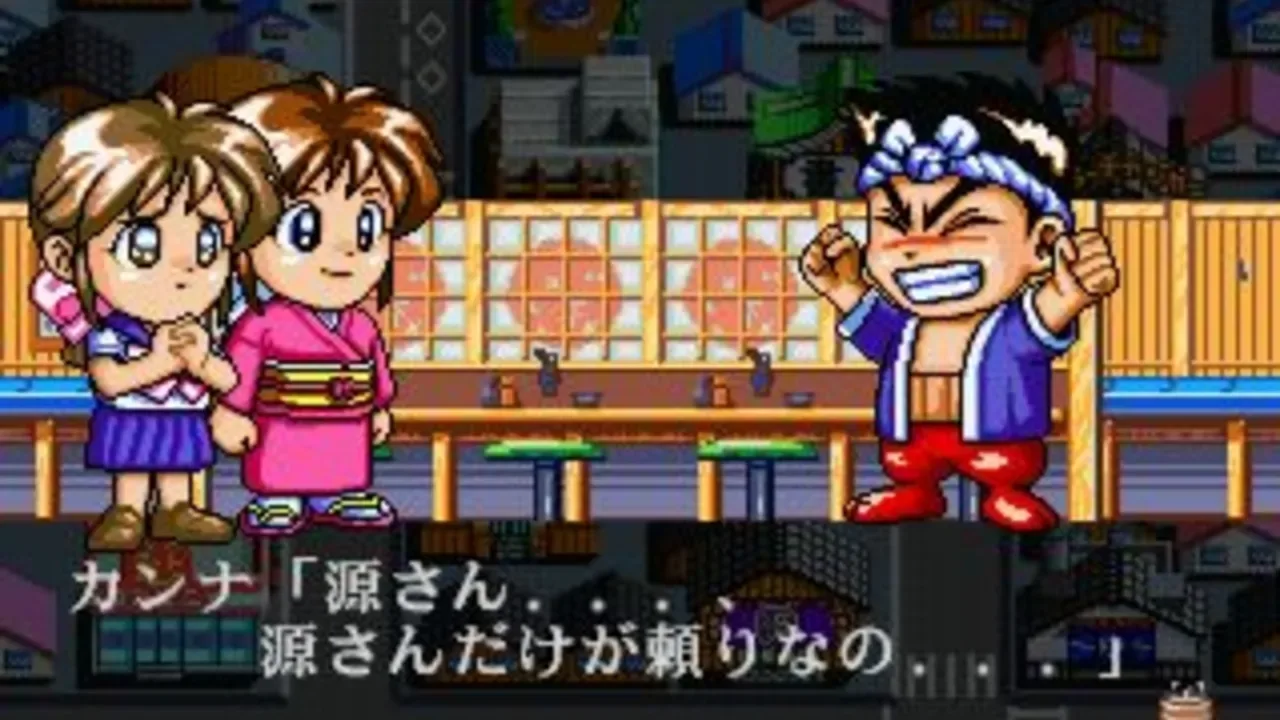
The 12th installment of the pachinko simulator series by Sanyo Bussan, a pachinko manufacturer in partnership with Irem Software Engineering. The series features pachinko machines produced by Sanyo Bussan and is known by the abbreviated title "Pachipara," starting from this installment, transitioning from its previous title, "Sanyo Pachinko Paradise." The featured pachinko machine in this installment is "Daikai Monogatari" (The Tale of the Great Sea). Additionally, the familiar story mode, "Pachipro Fūunroku" (Pachinko Professional Chronicles), is included as the fourth installment titled "Pachipro Fūunroku 4: The Silver Ball Murder Case." The Pachipro Fūunroku series has been included since "Pachipara 8" and is characterized by elements of gal games and oddly serious storytelling (with some absurd game elements) despite being a pachinko game. While the previous three installments had a top-down view, this installment showcases an expanded potential for the game as it adopts the same game engine as "Ponkotsu Roman Daikatsugeki Bumpy Trot," a game developed and released by the same company.
Could be interesting
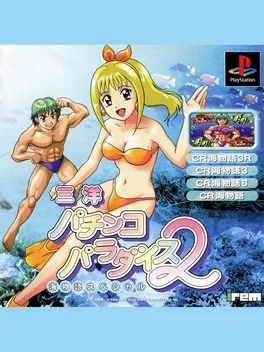
Pachinko Paradise 2 is the second title in Irem's long-running pachinko simulation series. It features reproductions of four pachinko machines made by Sanyo Bussan: CR Umi Monogatari 3R, CR Umi Monogatari 3, CR Umi Monogatari 6, and CR Umi Monogatari. There are two modes available: Tsūjō (Normal) mode allows the player to modify a wide range of settings for each machine, while Jissen (Battle) mode challenges the player to win as many balls as possible on the default settings with a limited starting pool and time limit. There is also a View mode where the various animations that play on the in-game display can be freely viewed. Unlike the previous title, there is no story mode.
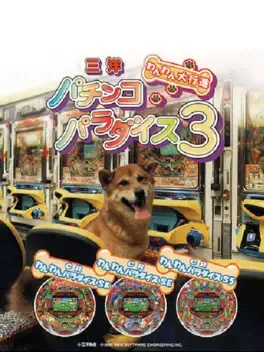
Pachinko Paradise 3 is the third title in Irem's long-running pachinko simulation series. It features reproductions of three pachinko machines made by Sanyo Bussan: CR Wan Wan Paradise SK, CR Wan Wan Paradise SE, and CR Wan Wan Paradise S5. There are two modes available: Tsūjō (Normal) mode allows the player to modify a wide range of settings for each machine, while Jissen (Battle) mode challenges the player to win as many balls as possible on the default settings with a limited starting pool and time limit. There is also a View mode where the various animations that play on the in-game display can be freely viewed. There is no story mode.
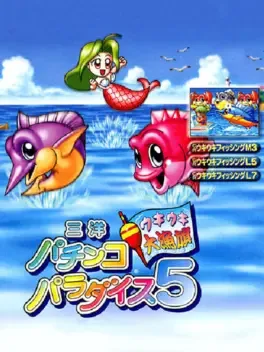
Pachinko Paradise 5 is one of the many titles in Irem's long-running pachinko simulation series. It features reproductions of three pachinko machines made by Sanyo Bussan: CR Ukiuki Fishing M3, CR Ukiuki Fishing L5, CR Ukiuki Fishing L7. There are two modes available: Tsūjō (Normal) mode allows the player to modify a wide range of settings for each machine, while Jissen (Battle) mode challenges the player to win as many balls as possible on the default settings with a limited starting pool and time limit. There is also a View mode where the various animations that play on the in-game display can be freely viewed. There is no story mode.

Reel Fishing is designed to create a realistic angling experience in the comfort of the gamer's living room. Strategy comes in choosing the right lure for the circumstance and it takes skill to hook the big ones and reel them in successfully. Underwater shots and "fish-eye" views of the lure offer a perspective on the sport that few ever see on an actual outing. Players can even take a "picture" of their prize catch before releasing it back into the virtual wild.
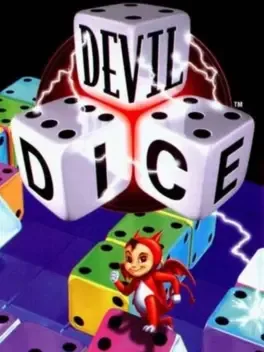
Devil Dice is a unique puzzle game, where the player controls a small devil that runs around a grid covered in large dice. The player can both stand atop dice, and stand on the ground (with the dice towering above). When standing on the dice, the player can move from die to die, or can roll a die in the direction he or she runs, revealing a different face as the die rotates. Creating a group of adjacent dice with identical pips—the size of which must be at least the number of pips—causes those dice to slowly sink into the field before disappearing. Chain reactions are possible by adding additional dice to a sinking set. Different types of dice are available in some modes, with different properties to make the game more challenging. It was originally created by developer Shift on the "homebrew" Yaroze platform, and later turned into a commercial game. Released in 1998, it is one of only a handful of games to make the leap from the Yaroze to commercial release. The game is a million-seller and a demo version was released as a PlayStation Classic game for the PlayStation 3 and PlayStation Portable on November 7, 2007.

R4: Ridge Racer Type 4 is the fourth game in the Ridge Racer series. It includes eight tracks (with reverse variants, for a total of 16 layouts) and 321 vehicles, all of which are fictional. This iteration was one of the first PlayStation titles to feature Gouraud shading on polygons, giving the game a visual depth that was previously missing. It was also the first Ridge Racer game on the system to feature two-player split-screen mode and offered two different driving models.
With 3 types of original pachinko machines, this game delivers a real sense of playing inside a pachinko parlour. The 3 pachinko machines available are "CR Love Love Project 2", a LCD machine offering diversified reach actions, "CR Star Robot" with heated double and triple reach actions, and "Surfing Island", a colourful machine in the motif of aloha T-shirts.
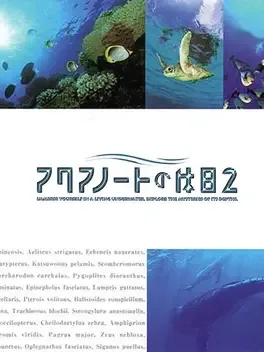
Aquanaut's Holiday 2 is the sequel to Aquanaut's Holiday. Like in its predecessor, the player takes control of a submersible in order to explore the sea depths and discover a variety of animal species. Contrary to the first game's only area, the sequel has many different areas following different themes to explore.

Released in December 1996 in Japan for Windows 95, this was the first A-Train game to use 3D graphics with a PowerVR graphics accelerator.
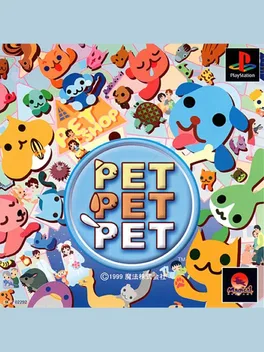
Pet Pet Pet is a mix between a virtual pet simulation and a strategy game. In the game the player is the owner of a pet shop in the town, he can buy new pets for the shop (the game features a lot of different animals from dogs, cats, rabbits, penguins, etc.) to different pet providers, and also can buy meals, toys, clothes for the animals that he can also sell in his shop. The most important feature of the game is that the player can follow the life of the different animals that he sells, for example if he sold a dog to a old woman he can anytime go to see the dog and play with him, teach him new things, etc. In that part of the game the game changes to a proper simulation game and there are different orders that the player can use. Other features of the game is that he can also train his pets in the shop before sell them, the player can also buy new buildings like hospital and other facilities to increase his pet emporium on the town. And anytime he can click over anyone in town to know the kind of pets that they prefer, etc.