
Sengoku 3


Buy
Part of collection:
Sengoku
(last 3 games)
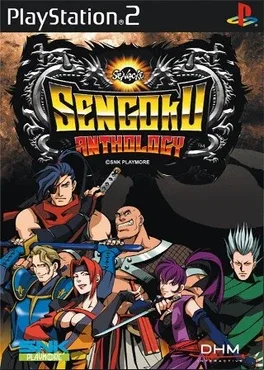
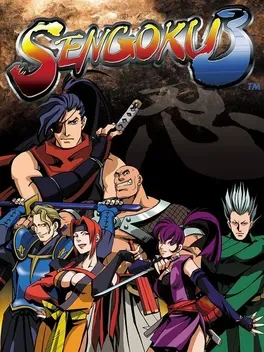
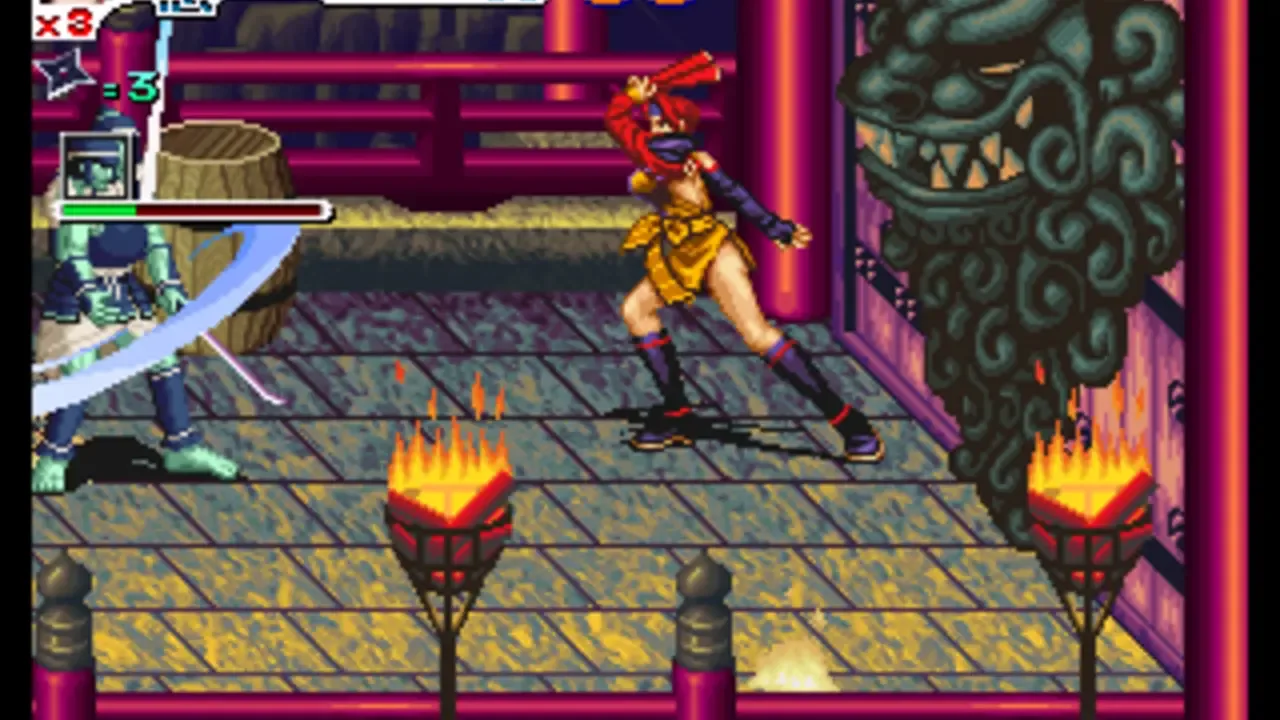
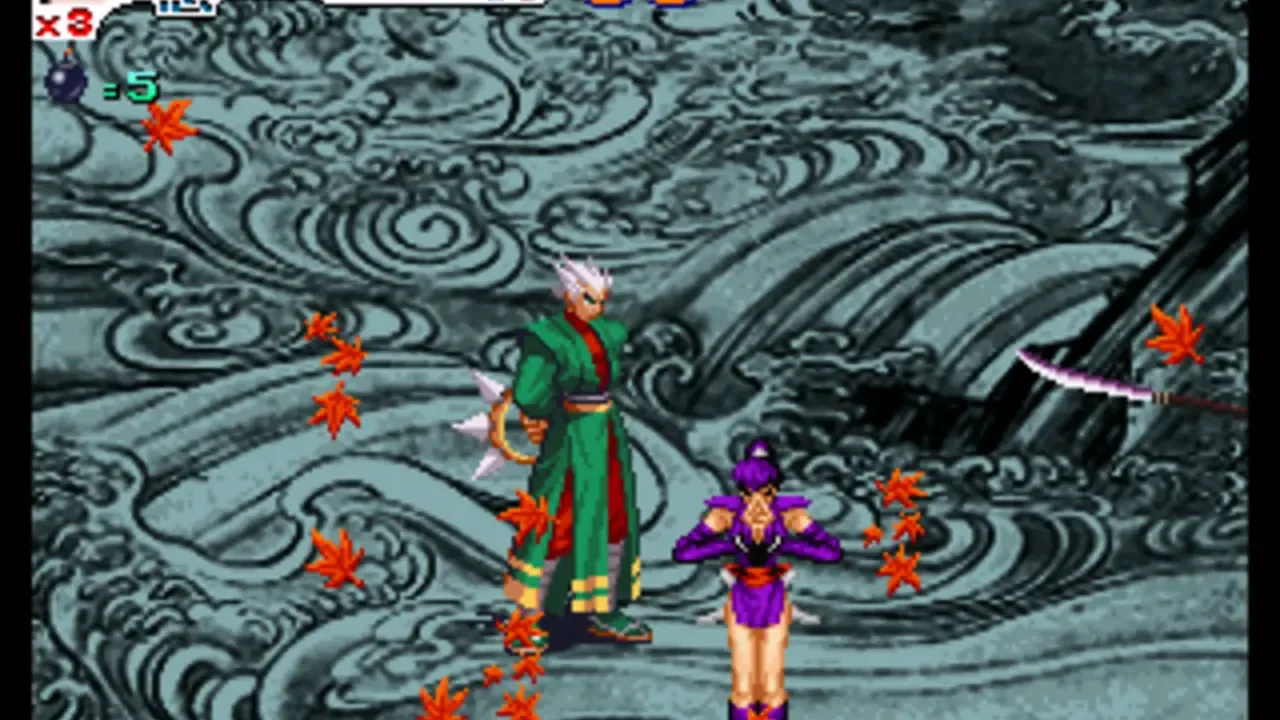
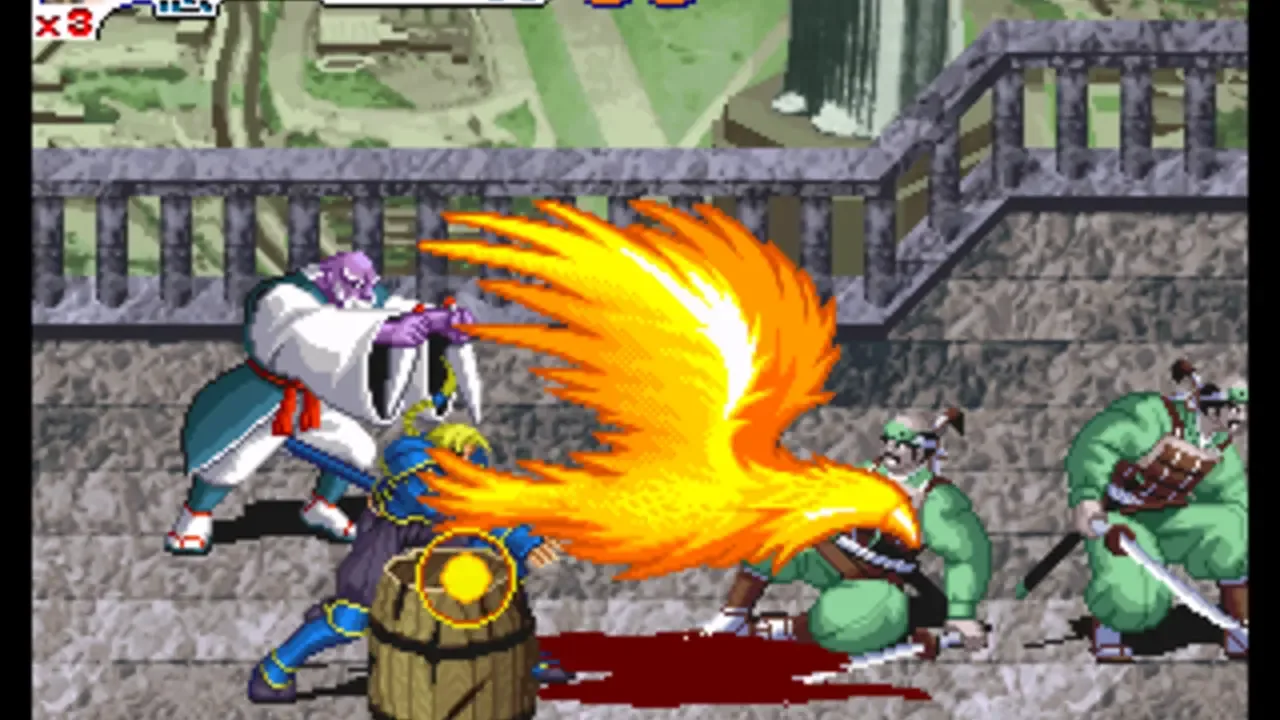
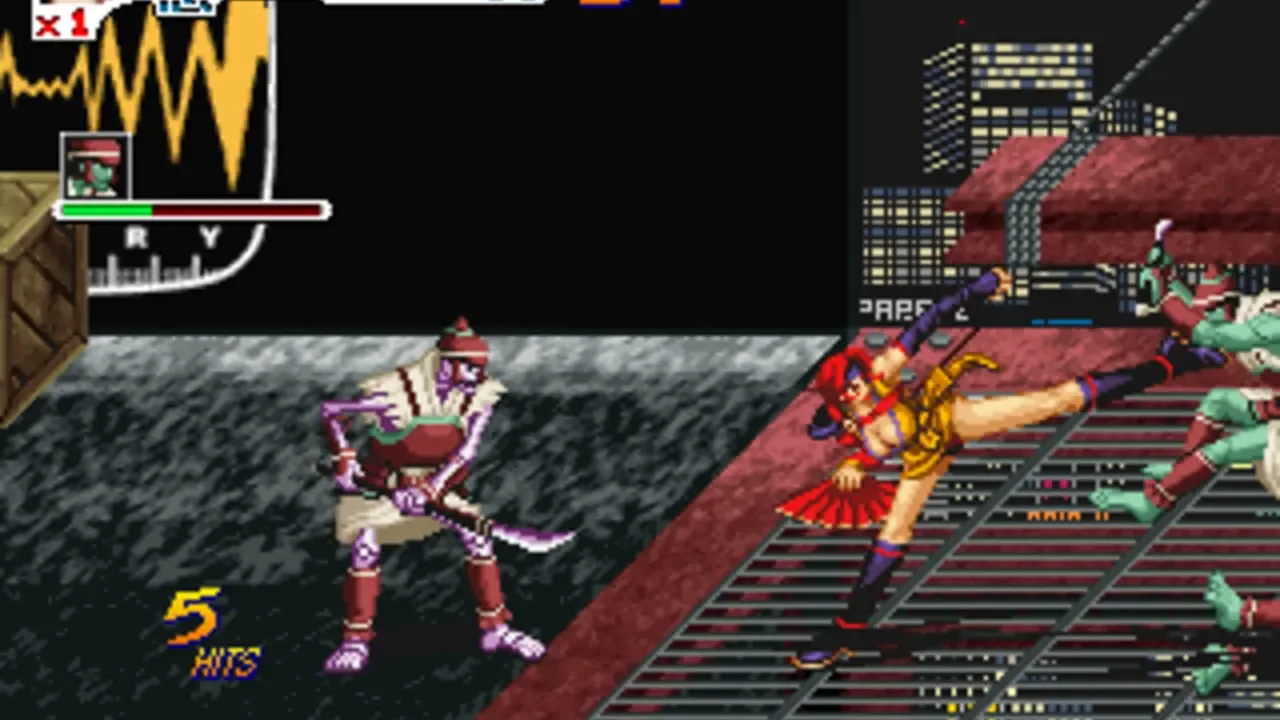
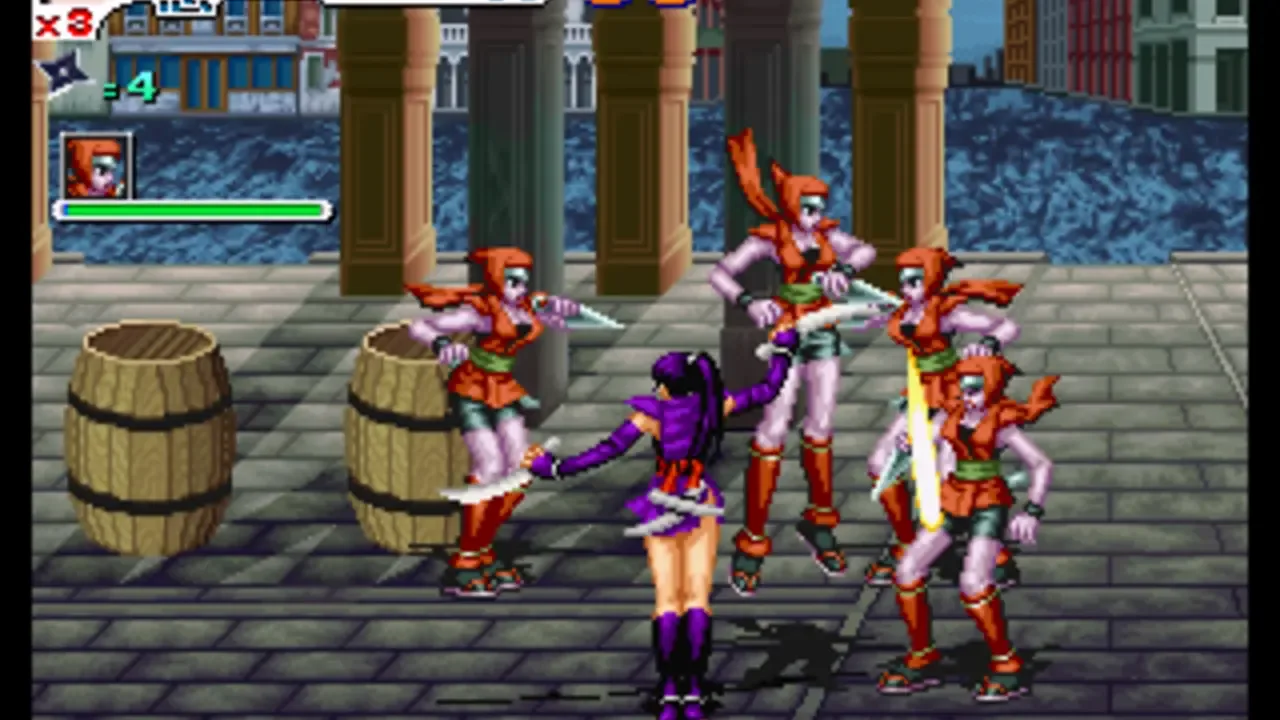
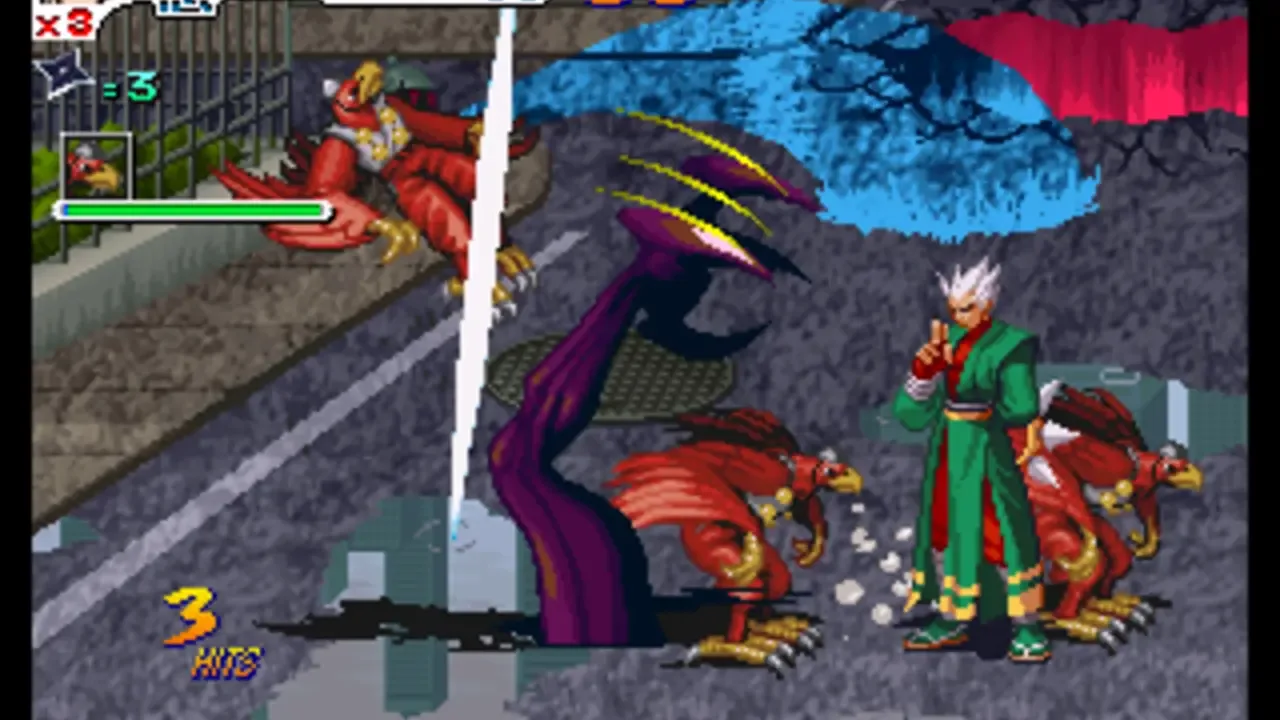
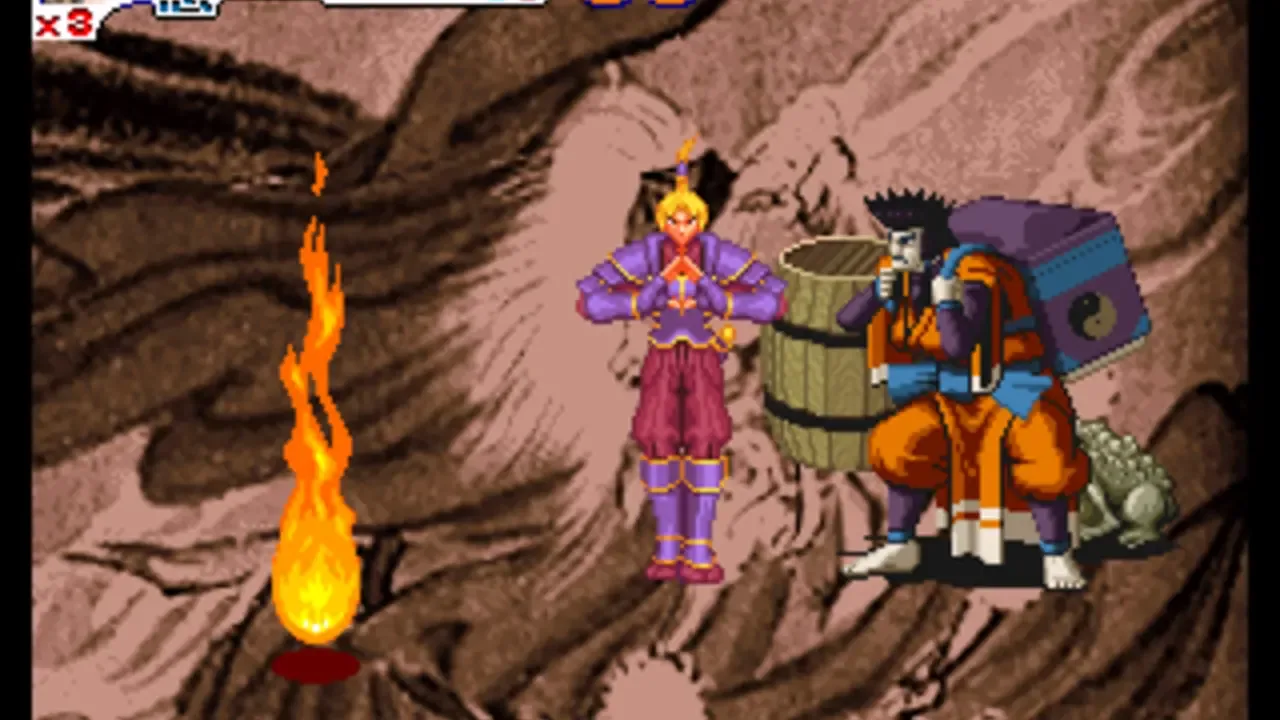
Sengoku Anthology is a collection of the three games from SNK's Sengoku arcade franchise including Sengoku (1991), Sengoku 2 (1993), and Sengoku 3 (2001). In addition to being able to play the classic arcade games on the PC and PS2, players can unlock artwork by completing each of the games in the collection. The Sengoku titles are classic scrolling beat'em up action games. Up to two players can play simultaneously. One of the features of these games is the ability to pick up power-ups to obtain new weapons or transform your character into special characters. In Sengoku 3, players choose different characters with unique weapons and special attacks at the beginning of each level.
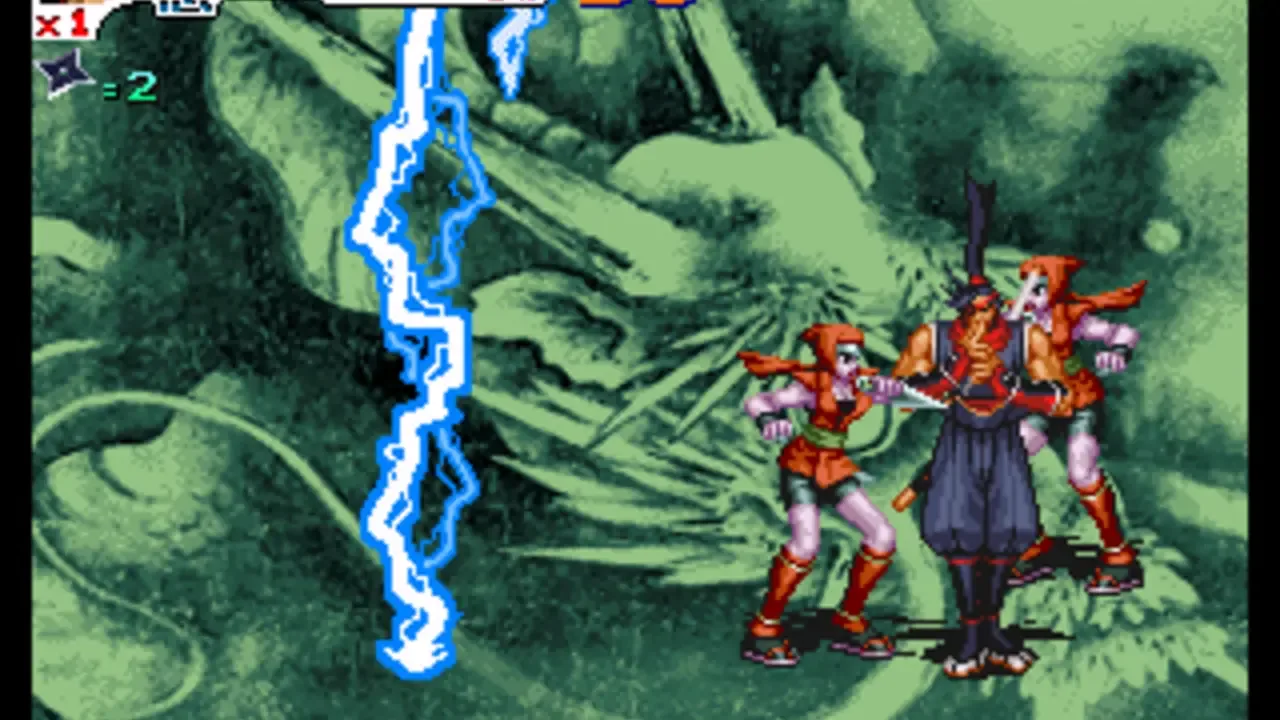
The game takes a greater departure from its predecessors in both story and presentation. The heroes are now members of a ninja clan who have to dispatch an evil emperor before he is released. Players can choose which character they want for the first time, each having their own strengths and weaknesses. Two bosses that confront the player can also be playable after a certain chapter of the game, allowing players to re-select their character if they wish.
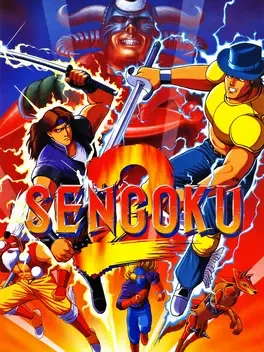
In Sengoku 2, a warrior from the future is summoned by a prophetic princess to feudal Japan, where an evil monarch has gained supernatural powers to control the dead. The player must battle through armies of reanimated souls to restore peace to a land where the weak have fallen prey to the strong.
Could be interesting
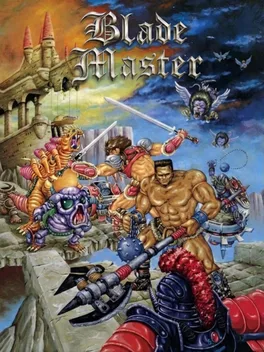
Blade Master is a scrolling hack and slash arcade game released by Irem in 1991. Two selectable heroes, Roy and Arnold, try to save their land from hordes of monsters. There are items to break and power-ups to collect, typical of this genre in the 1990s.
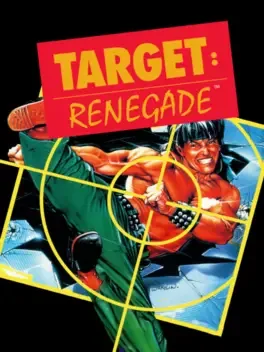
Target: Renegade is a scrolling beat'em up (or flip-screen on certain versions) computer game released on the Amstrad CPC, Commodore 64 and ZX Spectrum systems in the late 1980s by Ocean Software on their "Imagine" label, as well as a Nintendo Entertainment System version published by Taito. The game is a sequel to Renegade and was followed by Renegade 3. When acquiring the license to convert the original arcade game Renegade to home computers, Ocean acquired the option to produce and release their own home-computer-only sequels to the game, and Target Renegade was the first of these sequels. On most formats, the game caters for one or two players and concerns itself with the adventures of a streetfighter (or a pair of identical streetfighters) known only as "Renegade", who seek(s) revenge against a local crime kingpin named "Mr. Big" for murdering his or their brother Matt. The player character varies, depending on the format, but is usually represented as topless apart from a leather vest and wearing jeans. Regardless of the format, the cover of the game and the title screen (as seen on the image to the right) portrays a topless street fighter performing a flying kick through a window. In keeping with video game box art and advertising of the era, the character shown in this illustration bears little relation to any character in the game itself. The actual picture is based on Martial Arts Legend Joe Lewis from the cover of his book The World's Greatest Fighter Teaches You How To Master Bruce Lee's Fighting System, but has been adjusted so as to fit in with the character of Renegade. The game comprises five levels, though details of enemies and weapons vary from one version to another (the NES version in particular is more like Double Dragon than the home computer versions). The NES and C64 versions of the game do not have a two-player co-operative mode.
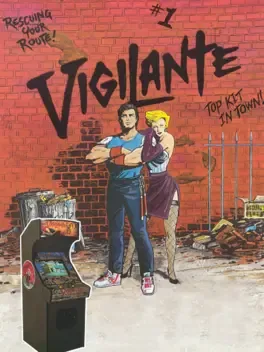
On the baddest streets of the city they know your name. You are lean and mean... the karate master they call the Vigilante! Your turf was left alone. Your friends and neighbors lived in peace. Until the Rogue gang got too big for their britches. You chilled, hoping things wouldn't get too rough. No such luck. They've taken your girlfriend Maria, and there's only one thing you can do... get her back... anyway you can! You have fists of steel! Legs like pistons! And courage that just won't quit! You will need all three because the Rogues are waiting with knives, guns and a whole bunch of nasty punks. And you'll have to fight fast. If the Rogues make it back to their headquarters before you rescue Maria, all hope will be lost. But catch them first and you'll fight the leader of the Rogues. Win Maria... and your turf... will remain safe. Feel any pressure? No way. You're the Vigilante!
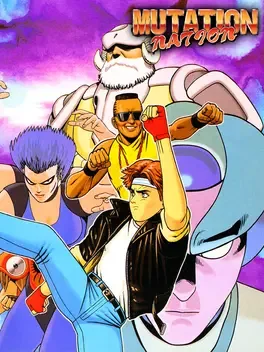
The Slum... an area of town completely forgotten. No one could imagine the cruelness suffered by innocent people who were transformed into horrible mutant creatures by genetic experiments. They hovered everywhere and completely took control of the town. Mutation Nation is a 1-2 player action game where you must control your hero and beat up any mutant that gets in your way, by either using your fists or one of four special attacks. A boss at the end of each area needs to be defeated if you want to proceed further through the game.
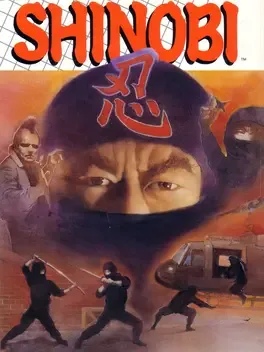
The five missions in the game are each three or four stages long. Several hostages are being held in each stage; Joe must rescue all of them before he is allowed to finish the stage. The last stage in each mission has no hostages, but instead features a powerful boss character whom Joe must defeat. After completing each of the first four missions the player is taken to a bonus stage, where he can earn an extra life if he is able to kill all of the ninjas leaping towards him. Completing the fifth mission ends the game. Also, once the fifth mission begins, continues are no longer allowed; the player has to finish the game with however many lives he has left at that point. If the player earns a place on the high score board, the number of credits it took him to get that score is displayed along with his score. Joe's standard weapons are an unlimited supply of shuriken, along with punches and kicks when attacking at close range. One hostage per stage gives him a power-up. When powered-up, his throwing stars are replaced by a gun that fires large, explosive bullets, and his close-range attack becomes a katana slash. Joe can also perform "ninja magic," which may be used only once per stage and kills (or damages, in the case of bosses) all enemies on the screen. The game also allows the enemies to hide behind boxes or use shields to block Musashi's shurikens.[4] Joe can be killed with one hit, provided he is hit by a projectile or melee attack, but if he does not find himself in those situations, the player can touch regular enemies and just be pushed back without being damaged. Since most enemies appear in the same place on each level, it is possible to master the game by memorizing their locations and devising patterns to defeat them. At the end of each stage, the player receives score bonuses based on performance. Completing the stage without using ninja magic or without using any throwing stars or bullets earns the player a point bonus. The player has three minutes to complete each stage; remaining time at the end of the stage is also converted to bonus points and added to the player's score.
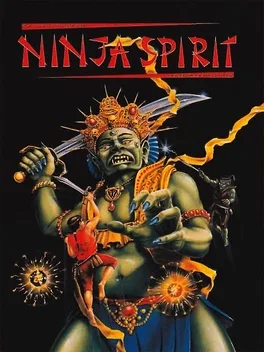
There are a total of seven stages varying from woodlands, wastelands, swamps, temples and cliffs. Each stage begins with the player slashing his way to the end, until he confronts a level boss. The ninja is always armed with the sword Righteous Cloud which can be fluidly used to attack in all directions. Extra weapons include the Swirling Leaf (shurikens), the Bamboo Thunder (bombs), and the Rising Dragon (kusarigama). There are also several powerup items, such as one unleashing multiple ninja ghosts to assist the player.
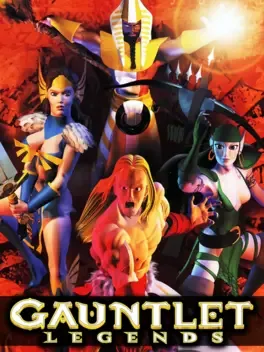
Gauntlet Legends is an arcade game released in 1998 by Atari Games. It is a fantasy themed hack and slash styled dungeon crawl game, a sequel to 1985's popular Gauntlet and 1986's Gauntlet II and marks the final game in the series to be produced by Atari Games. Its unusual features for an arcade game included passwords and characters that could be saved, enabling players to play over the course of a long period.
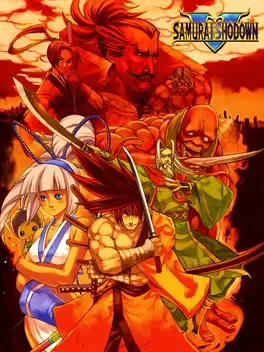
Samurai Shodown V brings back the classic side-scrolling action with a completely new storyline, new characters and new moves. A samurai's quest to prove himself against the Shogun leads to a gathering of the world's greatest warriors to compete for the right to be named the greatest.
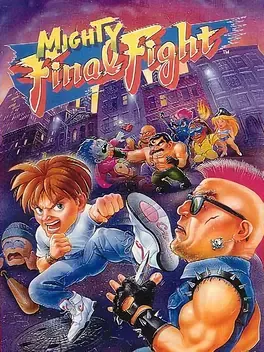
The Mad Gear Gang has spread crime and violence throughout the streets of Metro City. Only one man has enough guts to take the streets back from them, Mayor Mike Haggar. Now the Mad Gear Gang has kidnapped his daughter Jessica to bring him under their control. But they've made one mistake: Haggar's furious and he wants someone's head! Guy and Jessica's boyfriend, Cody, are joining Haggar to clean up the slime-filled streets and rescue Jessica. Along the way you'll find food to replenish your health, or better yet, search for weapons to knock the living daylights out of your enemies. So join Haggar and his friends as they try to free the city from the evil clutches of the Mad Gear Gang!
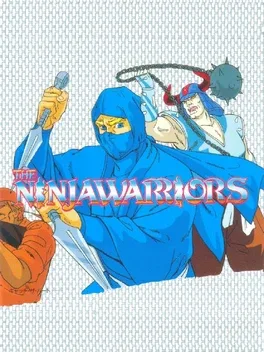
The Ninja Warriors presents side-scrolling hand-to-hand combat. Players take control of Kunoichi or Ninja and fight wave after wave of Banglar forces across five levels.