
Super Darius II


Buy
Parent game
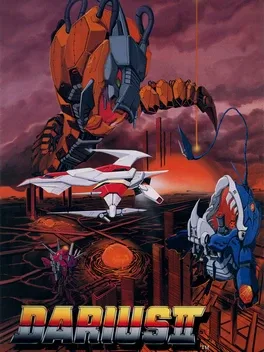
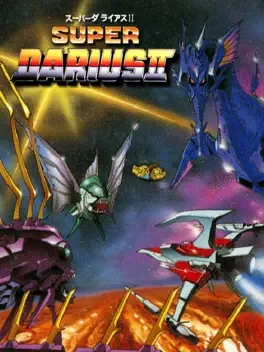
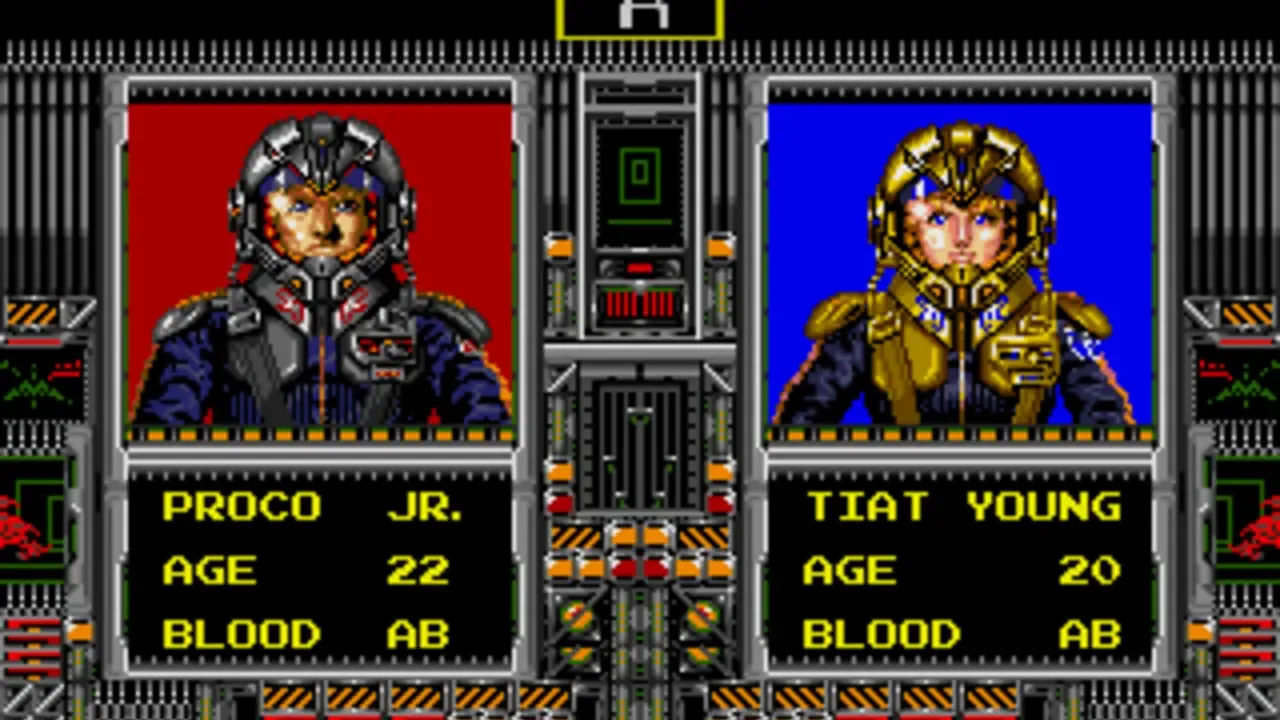
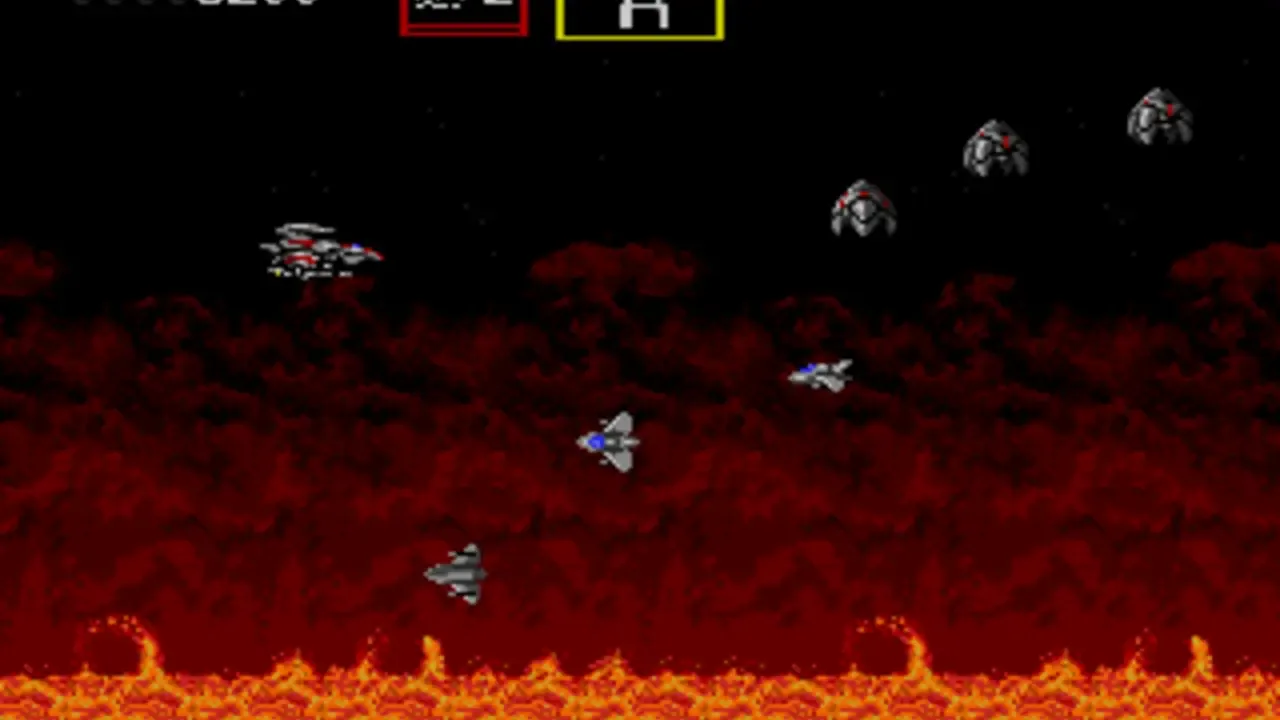
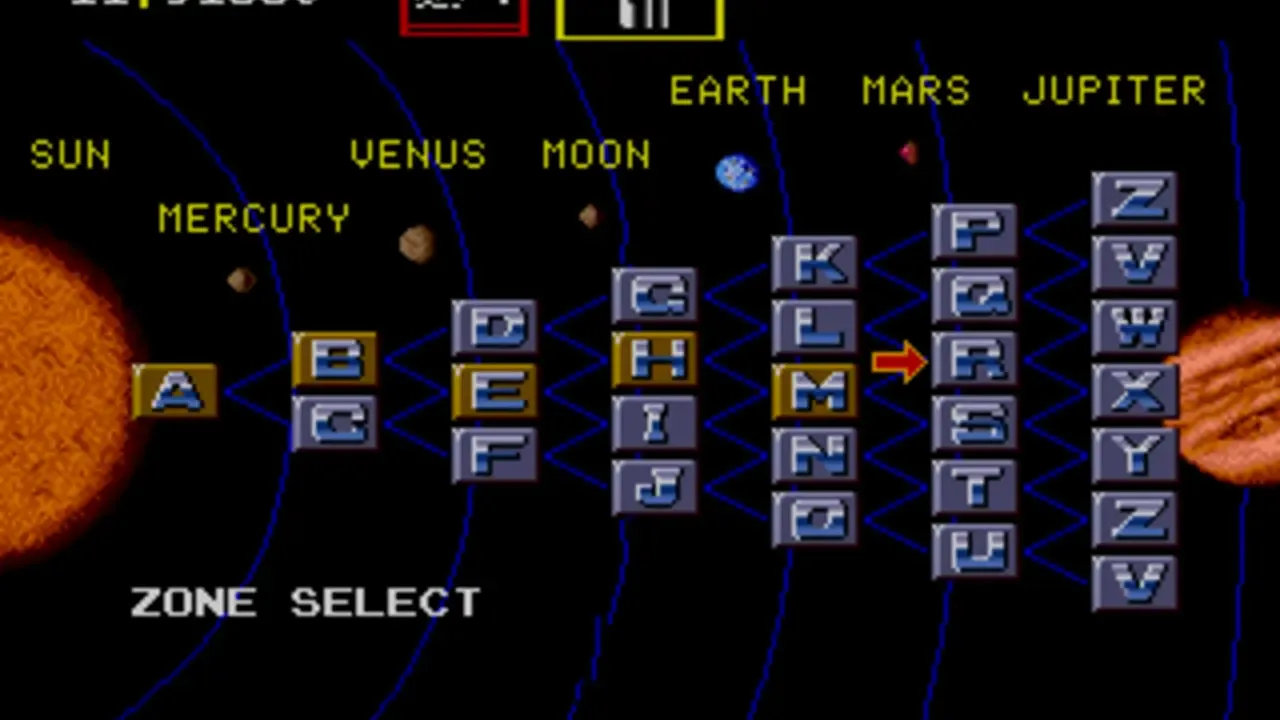
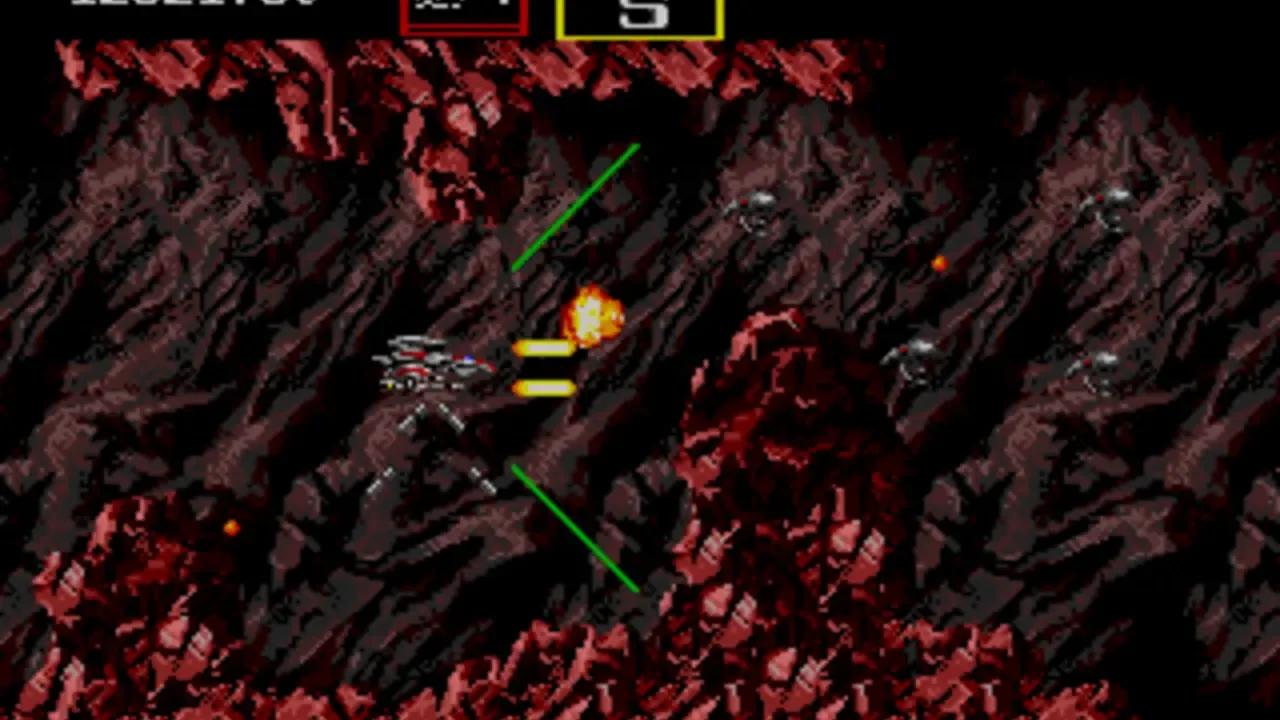
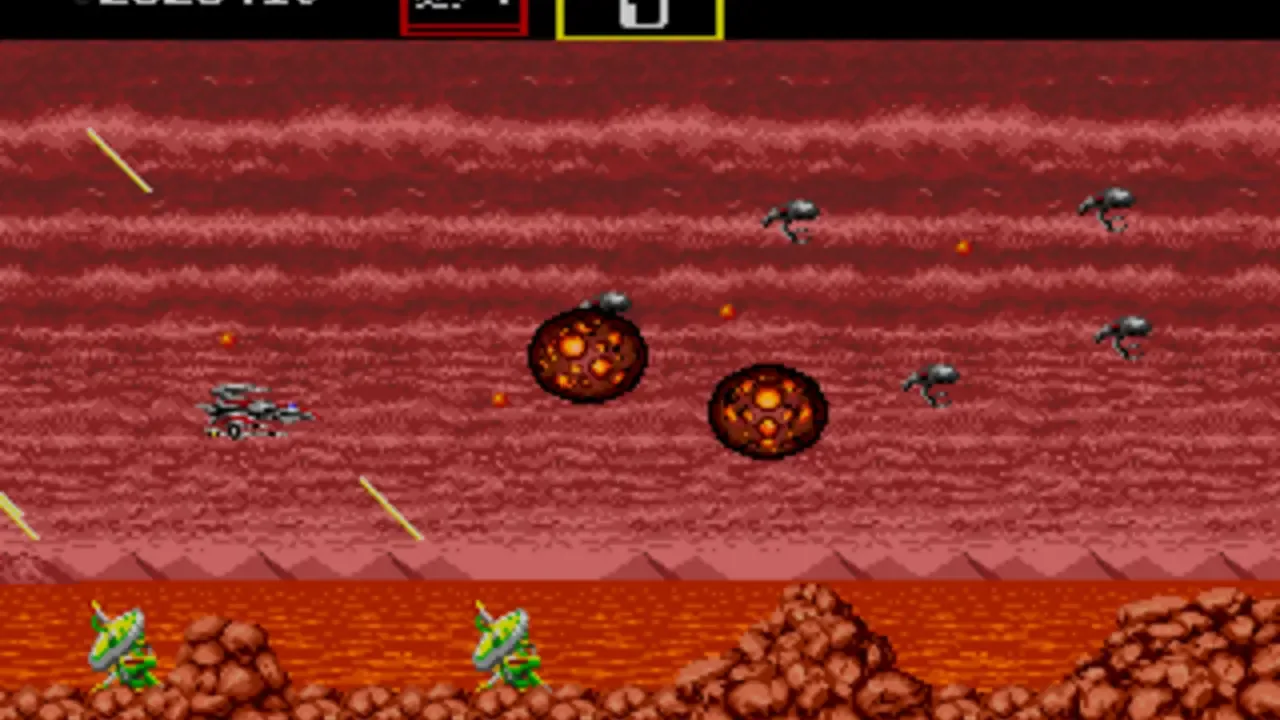
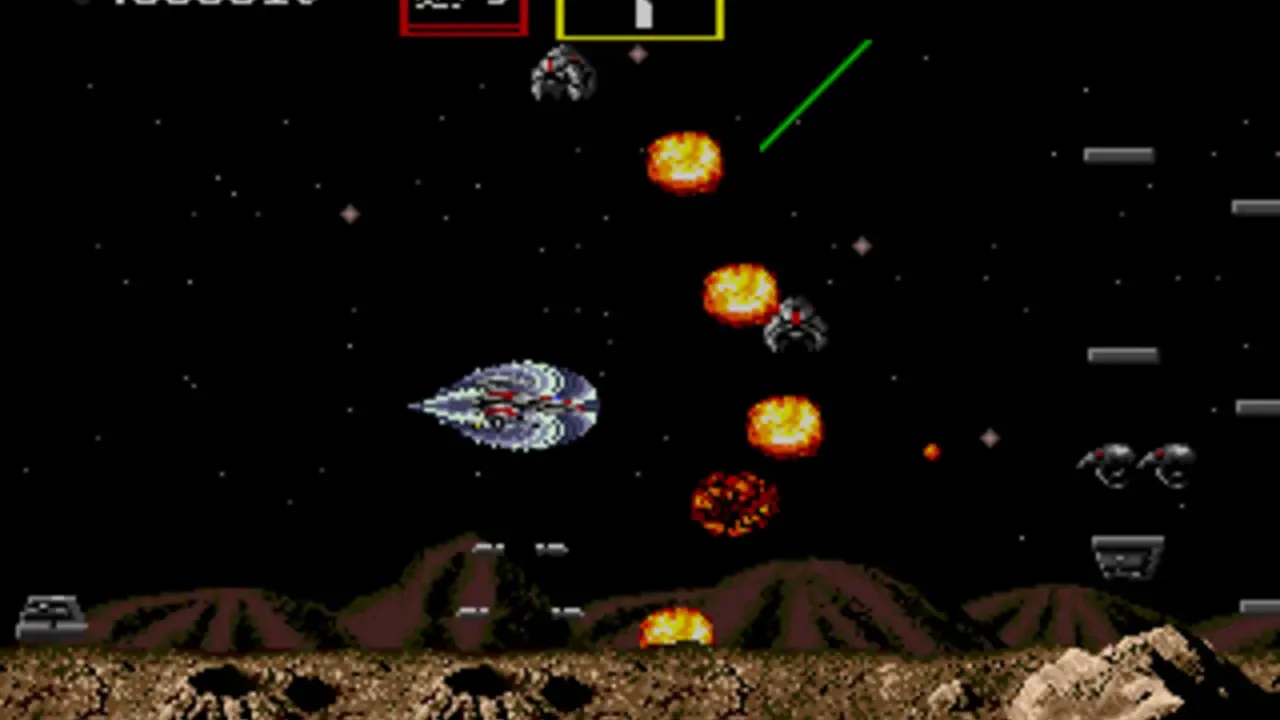
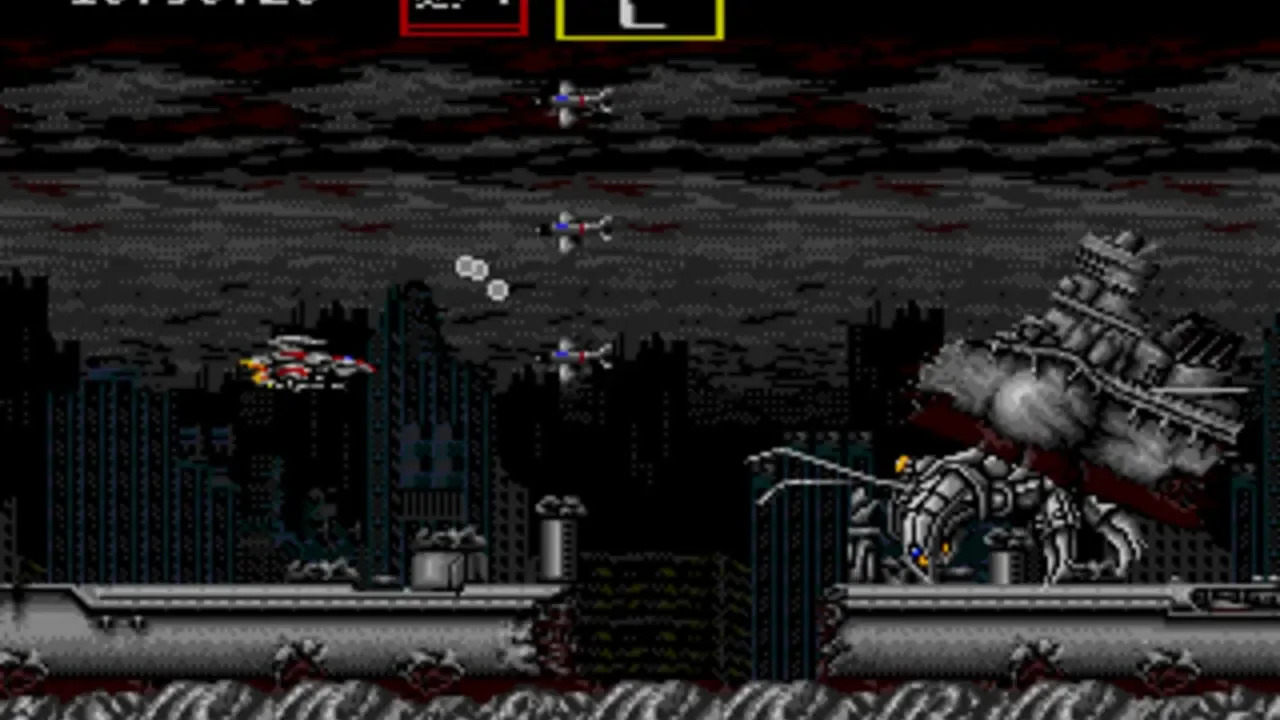
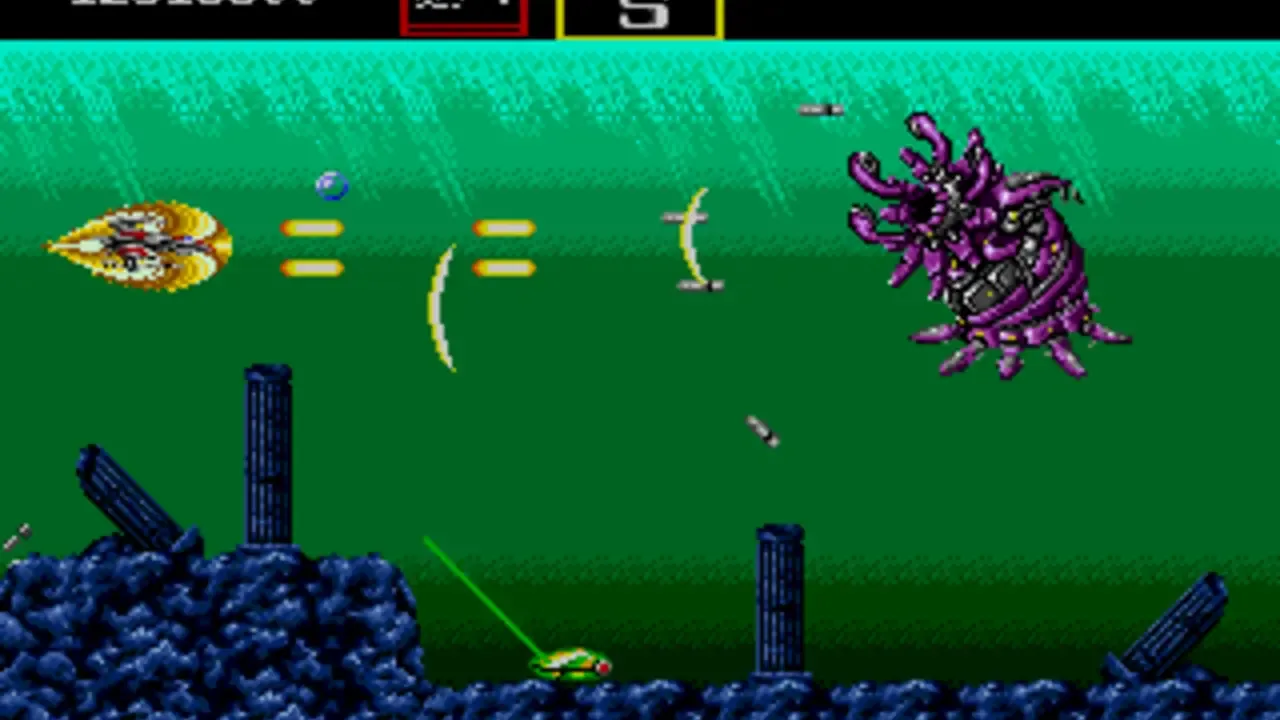
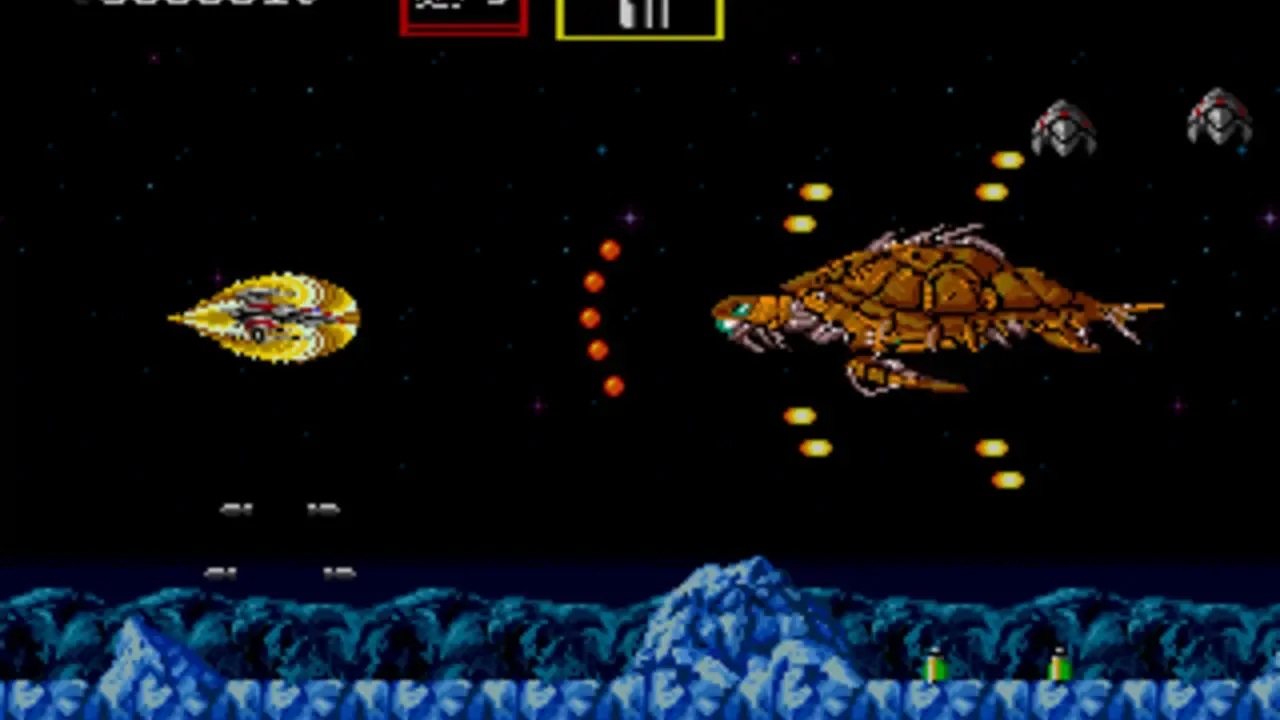
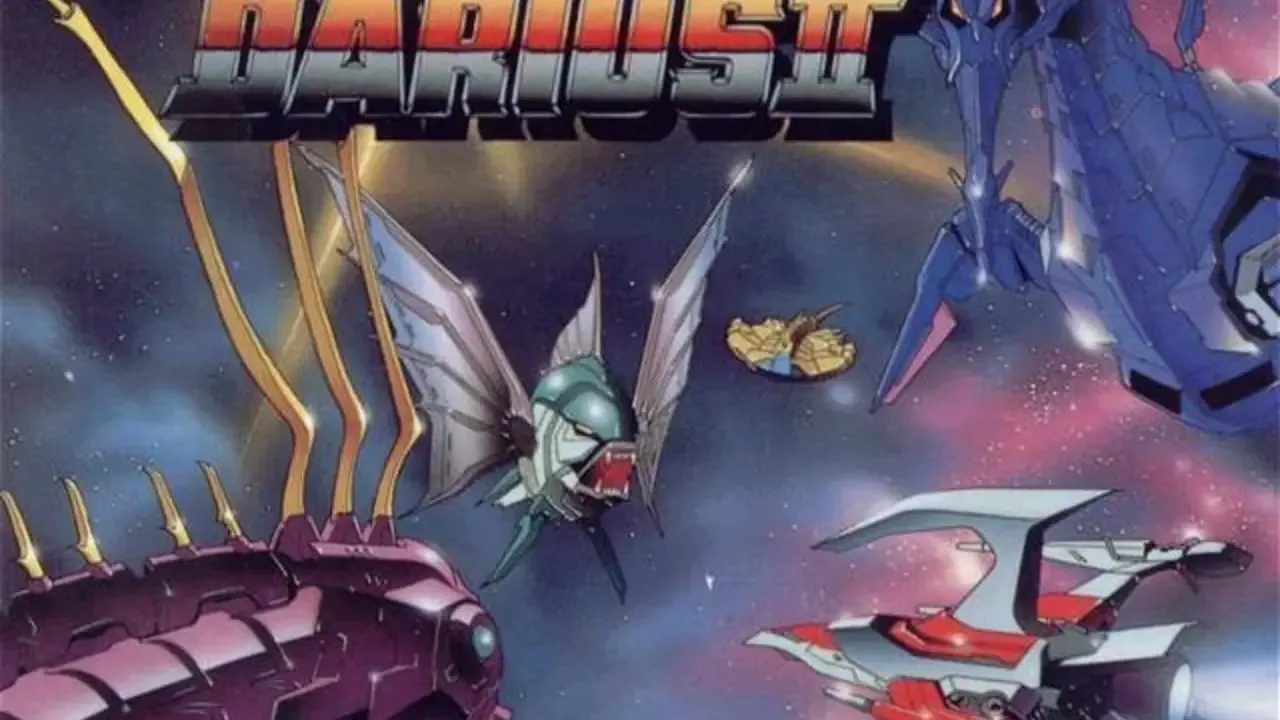
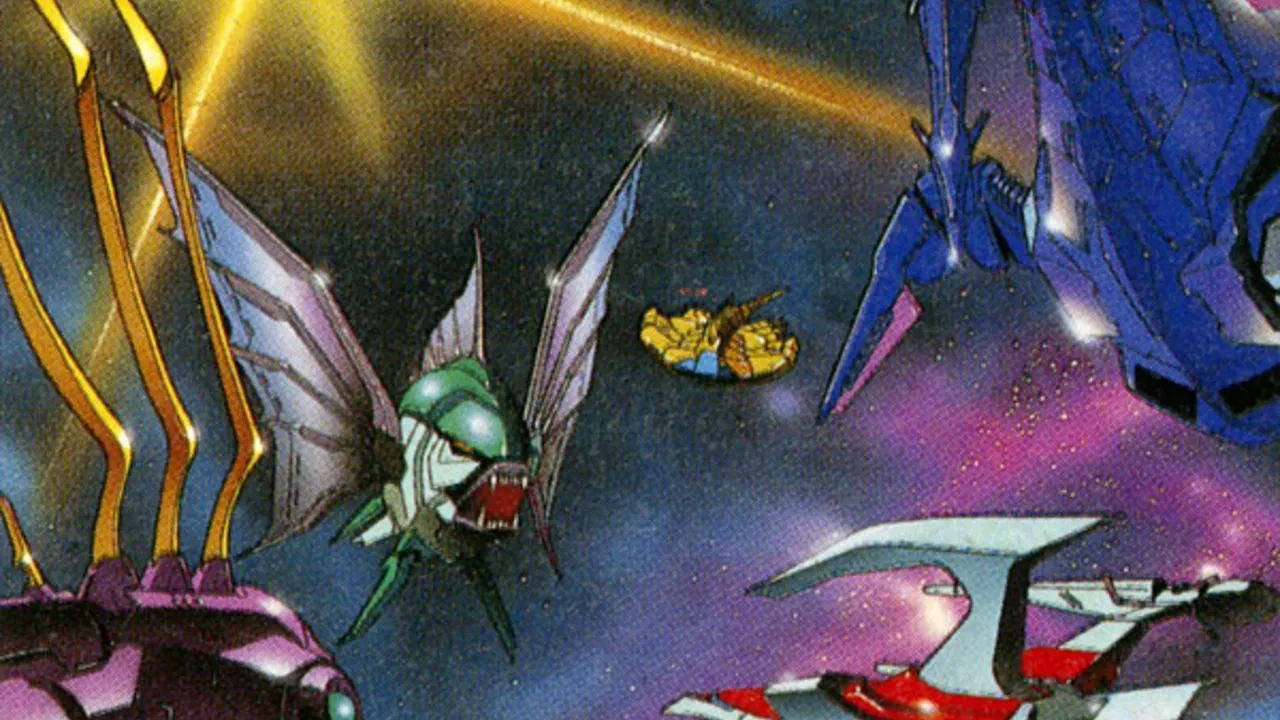
Darius II is a 1989 arcade video game developed by Taito. It is the direct sequel to the 1987 Darius. It was later released as Sagaia in Japan in 1991 for the Game Boy as well as non-Japanese ports. A remake was released for the PC Engine Super CD-ROM as Super Darius II in 1993. A Mega Drive conversion was released in Japan in 1990; it was later released for the Genesis in the United States and Brazil in 1991, where it was renamed Sagaia. Changes include a boss rush mode (via a code) and various modifications to levels and mechanics, such as the boss Steel Spine being moved to another level and the boss Killer Higia being replaced with a similar creation called Nehonojia. This conversion does not support two players, so the ability to choose between Proco Jr. and Tiat Young was added; Proco plays like normal, while Tiat starts every life off with one power level to every weapon. A Master System conversion, developed by Natsume, was released in Europe and Brazil in 1992, also titled Sagaia. It is somewhat based on the Mega Drive port, and while Tiat Young and her abilities are still present (though even more limited), many zones (and thus bosses) have been completely removed. The Super CD-ROM version features an entirely new set of bosses, major changes to levels, and a fully arranged soundtrack including new songs.
Part of collection:
Darius
(last 3 games)
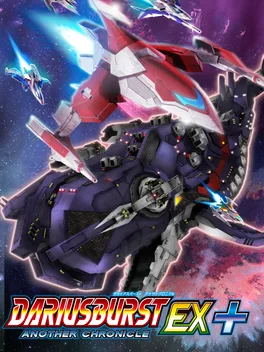
Taito's Darius series began with the titular arcade game, Darius, in 1986 and comprises numerous side-scrolling shooting games released in arcades, many of which were later ported to game consoles. This game is a port of the 2010 arcade game, DariusBurst Another Chronicle EX, including the final update and exclusive new features for this version. It adds the previously omitted Event Mode, with brand new events too, and also includes the Murakumo ship, playable across all modes.
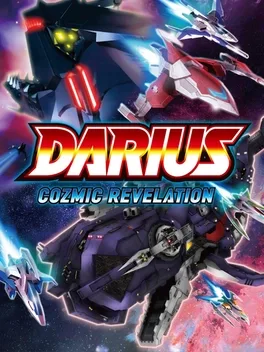
A sequel to the Cozmic Collection, Darius Cozmic Revelation was released for PlayStation 4 and Nintendo Switch on February 25, 2021 in Japan, containing the games G-Darius HD and Dariusburst: Another Chronicle EX+. The western release will contain the Game Boy version of Sagaia as a bonus on the cartridge. A future update also adds G-Darius Ver. 2 to the compilation.
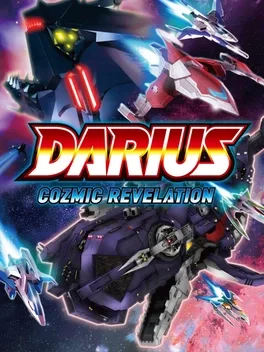
A sequel to the Cozmic Collection, Darius Cozmic Revelation was released for PlayStation 4 and Nintendo Switch on February 25, 2021 in Japan, containing the games G-Darius HD and Dariusburst: Another Chronicle EX+. The western release will contain the Game Boy version of Sagaia as a bonus on the cartridge. A future update also adds G-Darius Ver. 2 to the compilation. Included with the Famistu DX Pack of Cozmic Revelations - Special Edition is a packaged copy of Darius: Extra Version, released for the Sega Mega Drive in 2020. The Collector's Edition contains: - Darius Cozmic Revelation Game for Nintendo Switch - Collector’s box with magnetic latch - Darius PCB Box - DARIUSBURST ANOTHER CHRONICLE Live in O-EAST -revolt- Blu-ray with Zuntata bonus feature by Audi Sorlie and John Linneman. - Arcade Papercraft - Hardcover Artbook (localised in English) - 4 Acrylic Art Cards - PVC Standee - DARIUS THE OMNIBUS III Arrange CD - Darius Revelation Pin
Could be interesting
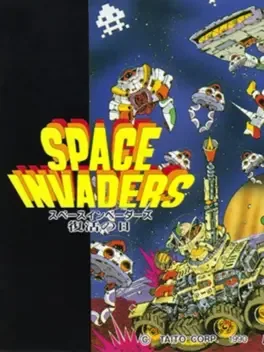
Darius II is a 1989 arcade video game developed by Taito. It is the direct sequel to the 1987 Darius. It was later released as Sagaia in Japan in 1991 for the Game Boy as well as non-Japanese ports. A remake was released for the PC Engine Super CD-ROM as Super Darius II in 1993. A Mega Drive conversion was released in Japan in 1990; it was later released for the Genesis in the United States and Brazil in 1991, where it was renamed Sagaia. Changes include a boss rush mode (via a code) and various modifications to levels and mechanics, such as the boss Steel Spine being moved to another level and the boss Killer Higia being replaced with a similar creation called Nehonojia. This conversion does not support two players, so the ability to choose between Proco Jr. and Tiat Young was added; Proco plays like normal, while Tiat starts every life off with one power level to every weapon. A Master System conversion, developed by Natsume, was released in Europe and Brazil in 1992, also titled Sagaia. It is somewhat based on the Mega Drive port, and while Tiat Young and her abilities are still present (though even more limited), many zones (and thus bosses) have been completely removed. The Super CD-ROM version features an entirely new set of bosses, major changes to levels, and a fully arranged soundtrack including new songs.
A freeware early style shmup.
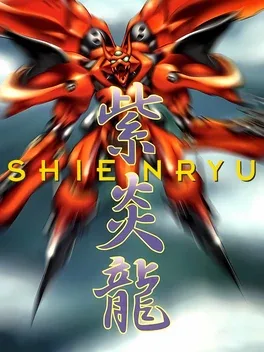
Shienryu is a 1997 shoot-'em-up by Warashi for the Sega Titan Video arcade system later ported to the Sega Saturn.
A game for the Game Master handheld. A shoot-'em-up which pits players against five intergalactic fortresses.
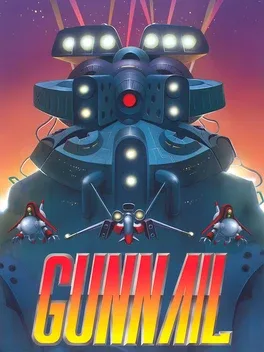
Gunnail is a vertical space shoot'em up. It's a very standard shooter - very fast action, and many enemies to kill. Player controls a space ship, and flies straight forward. He must destroy enemies - the spacecraft has a gun that can be improved by power-ups and special weapons. Player can obtain helpers ("option" from Gradius). At the end of each level a boss awaits - every boss is heavily armed and difficult to destroy.
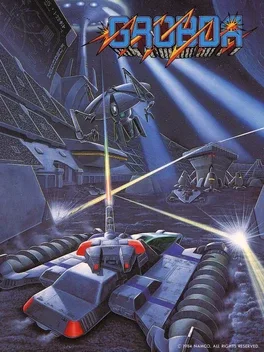
The player must take control of Grobda, a tank trapped in an arena filled with numerous indestructible obstacles and several enemy tanks. When an enemy tank is killed, it will cause an explosion, and any other enemies that happen to be in the blast radius at the time will also suffer the same fate. But if Grobda is too close to the explosion, it will also be killed. Grobda has a shield that offers very temporary protection from enemy fire, but this will soon disappear if it is constantly under attack or shot. Each round is called a "battling", and there are a total of ninety-nine in the game.
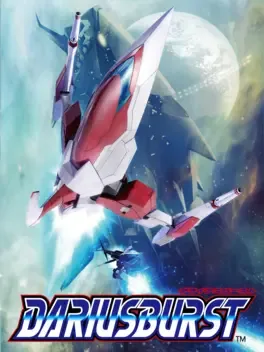
Dariusburst is a horizontal scrolling shooter developed by Pyramid and published by Taito. It forms part of the Darius series and it is released for the PlayStation Portable in December 24, 2009. Like previous Darius games, Dariusburst is an offbeat sci-fi shooter set in outer space with aquatic-themed (typically fish-shaped) robotic enemies. In keeping with tradition, the game also features branching paths instead of the linear progression found in most video games. There are a total of 11 zones in the game, with 5 stages per run. A related arcade game titled Dariusburst Another Chronicle was released on December 17, 2010, in a 32:9 dual widescreen cabinet. An update, Dariusburst Another Chronicle EX, was released in 2011. A revised port of the original game for iOS and Android, titled Dariusburst Second Prologue, was released on February 10, 2012, and October 24, 2015 in the US. An enhanced release titled Dariusburst Chronicle Saviours has been announced for PlayStation 4, PlayStation Vita, and Microsoft Windows. The game will be released in Japan by Kadokawa Games under their publishing division Chara-Ani, and was released internationally by Degica.
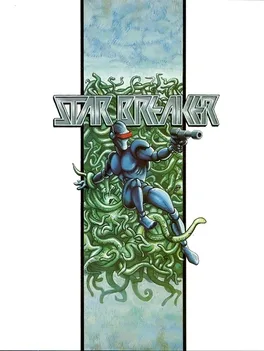
This futuristic shooter combines two distinct styles of gameplay into a multi-level romp through space. The colony planets of New Chicago have been overrun by gangs of Rrampon invaders, and a state-of-the-art space cruiser has been sent in to purge the infestation. It's up to the Star Breaker, and its android pilot, to destroy the enemy's airborne forces and dispatch the interlopers underground.
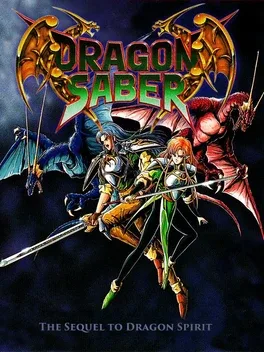
Dragon Saber is a vertical scrolling shooter arcade game, released by Namco in 1990; it runs on Namco System 2 hardware, and as its complete title suggests, it is the sequel to Dragon Spirit which had been released three years earlier. The sequel to Dragon Spirit follows much in the same vein, with your flying dragon defeating prehistoric monsters over various landscapes. This time round there is a two player mode thrown in for extra appeal.