

Buy
Part of collection:
Super Shogi
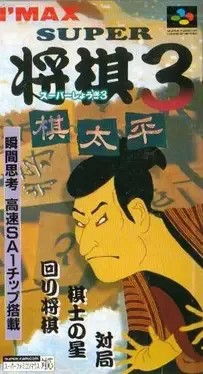
Super Shogi 3: Kitaihei is a Miscellaneous game, developed by Gaibrain and published by I'Max, which was released in Japan in 1995.

Super Shogi 2 is a Miscellaneous game, published by I'Max, which was released in Japan in 1994.
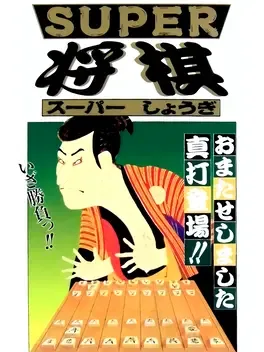
Super Shogi is a Miscellaneous game, published by I'Max, which was released in Japan in 1992.
Could be interesting
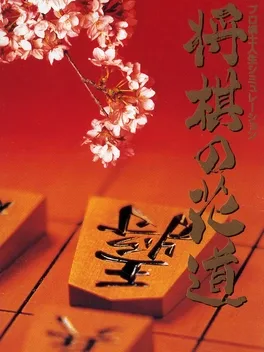
Pro Kishi Jinsei Simulation: Shogi no Hanamichi is a Miscellaneous game, developed by Access and published by Atlus, which was released in Japan in 1996.
Super Shogi is a Miscellaneous game, published by I'Max, which was released in Japan in 1992.
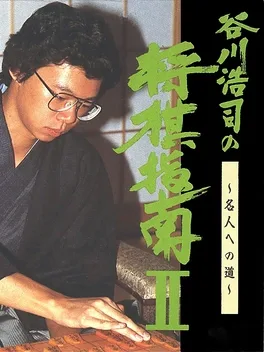
An instructional Shogi game, that teaches the Japanese version of chess. It is hosted by Tanigawa Kouji, a top-tier Shogi player. It was released for the Famicom Disk System, NES and MSX. Shogi, a Japanese board game similar to chess, is a board game as popular as Mahjong in Japan. Tanigawa Kouji no Shogi Shinan II ("Tanigawa Kouji's Instructional Shogi II") is the second in a series of instructional Shogi games hosted by then-top tier champion and expert Shogi player Tanigawa Kouji to help improve the player's game. The first Tanigawa Kouji no Shogi Shinan was only released on MSX home computers, though this game first came out on the Famicom Disk System in 1987. It would later receive additional versions for the MSX and the regular cartridge-based Famicom in 1988. There also exists a second Famicom Disk System version, released after the MSX and Famicom ports, that contains additional puzzle arrangements. The third game in the series would only be released on the Famicom. Neither this game nor any of the games in the series were ever released outside of Japan.
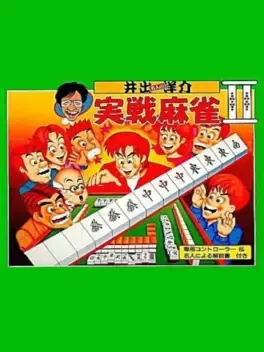
Ide Yousuke Meijin no Jissen Mahjong II is a Miscellaneous game, developed by Arc System Works and published by Capcom, which was released in Japan in 1991.


Traditional Japanese board game similar to chess.
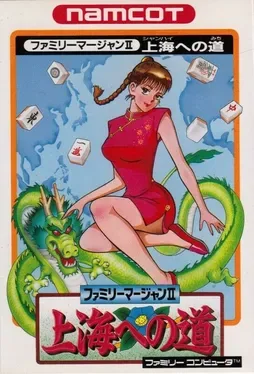
Family Mahjong II: Shanghai e no Michi is a mahjong game released only in Japan for the Nintendo Famicom, and the direct sequel to Family Mahjong. In addition to the standard mahjong mode, there is a tournament mode with a slight RPG aspect to it, in that the player can enhance certain stats after winning games in order to increase their odds in future rounds of the tournament. The game is a one-on-one version of the game, less common in real-life mahjong games but the standard for computer adaptations due to the reduced complexity of having only a single AI opponent. Nihon Bussan was responsible for Family Mahjong II's development and was at the time fairly well known for their mahjong arcade games.
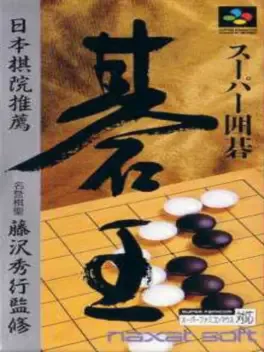
Super Igo Go-ou is a Miscellaneous game, published by Naxat Soft, which was released in Japan in 1994.

Takemiya Masaki Kudan no Igo Taishou is a Miscellaneous game, published by KSS, which was released in Japan in 1995.
