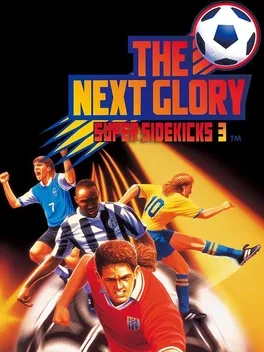
Super Sidekicks 3: The Next Glory


Buy
Part of collection:
Super Sidekicks
(last 3 games)
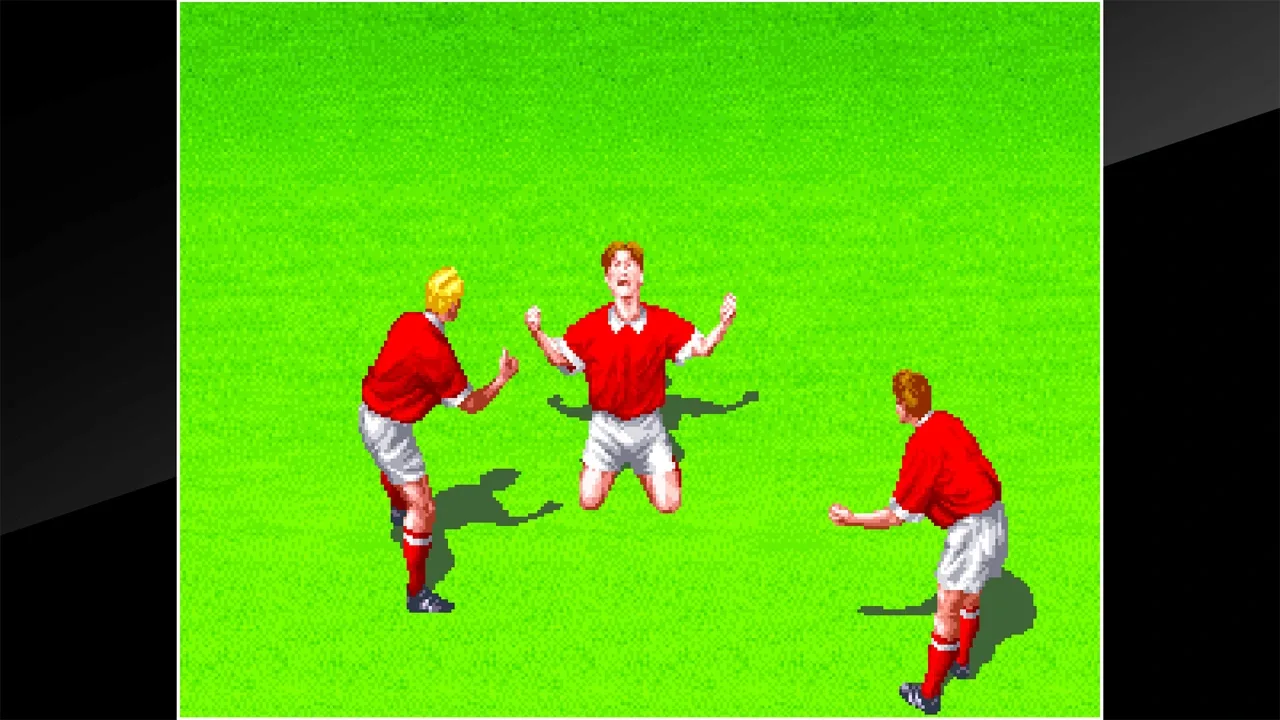
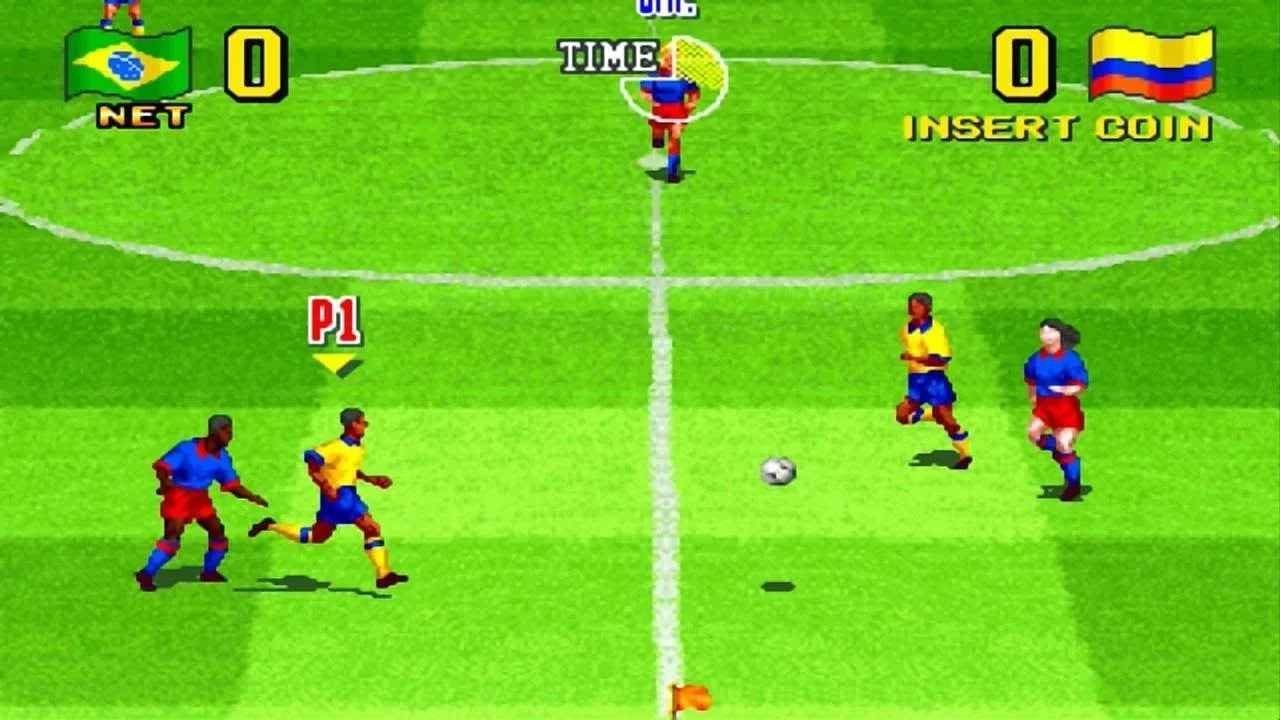
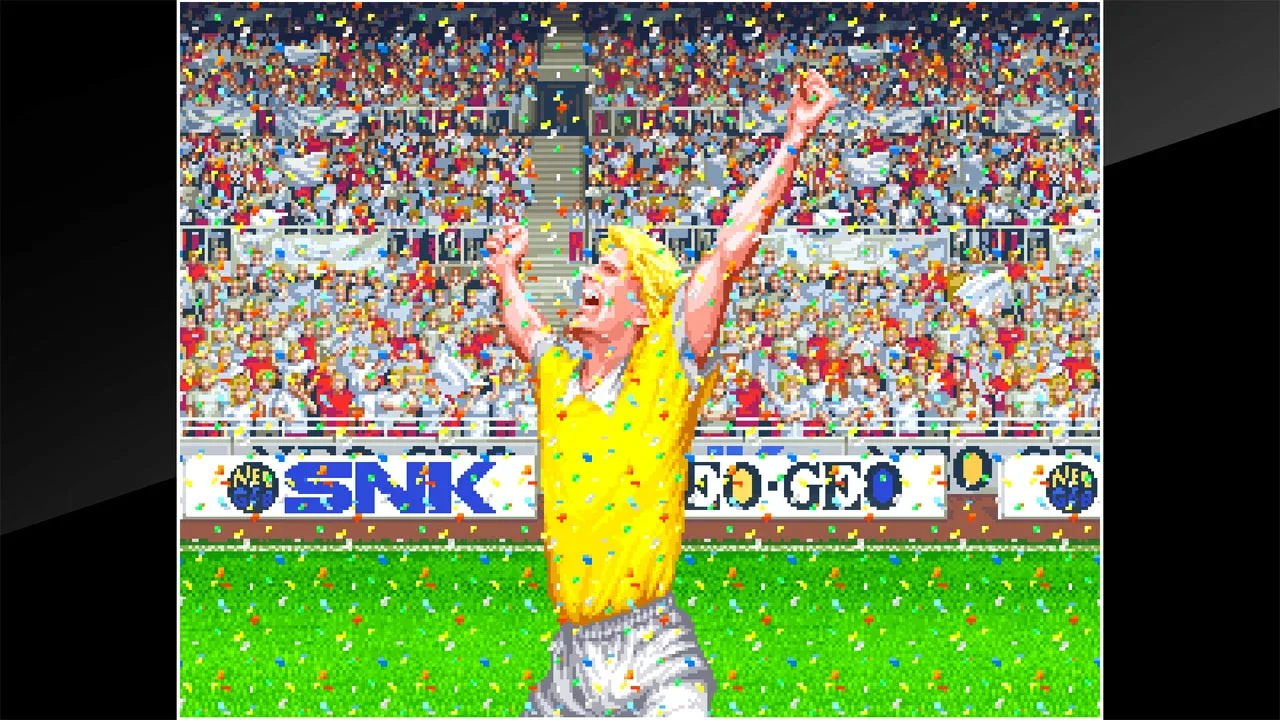
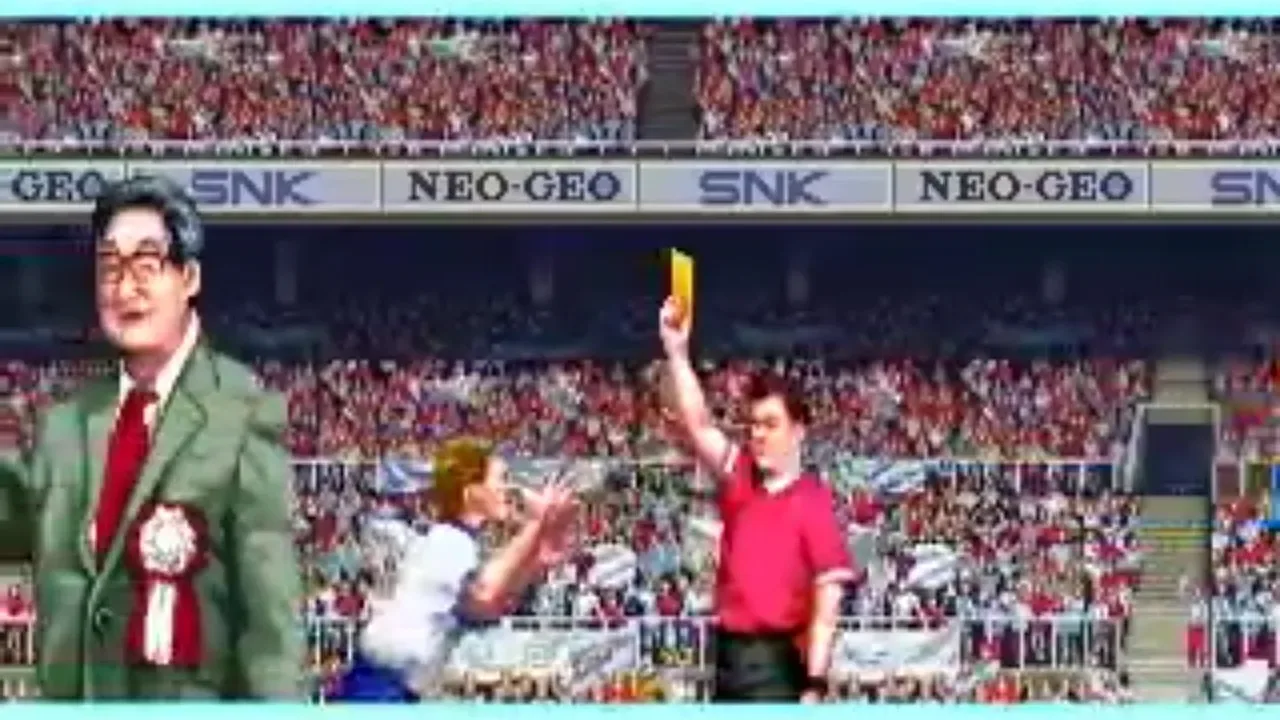
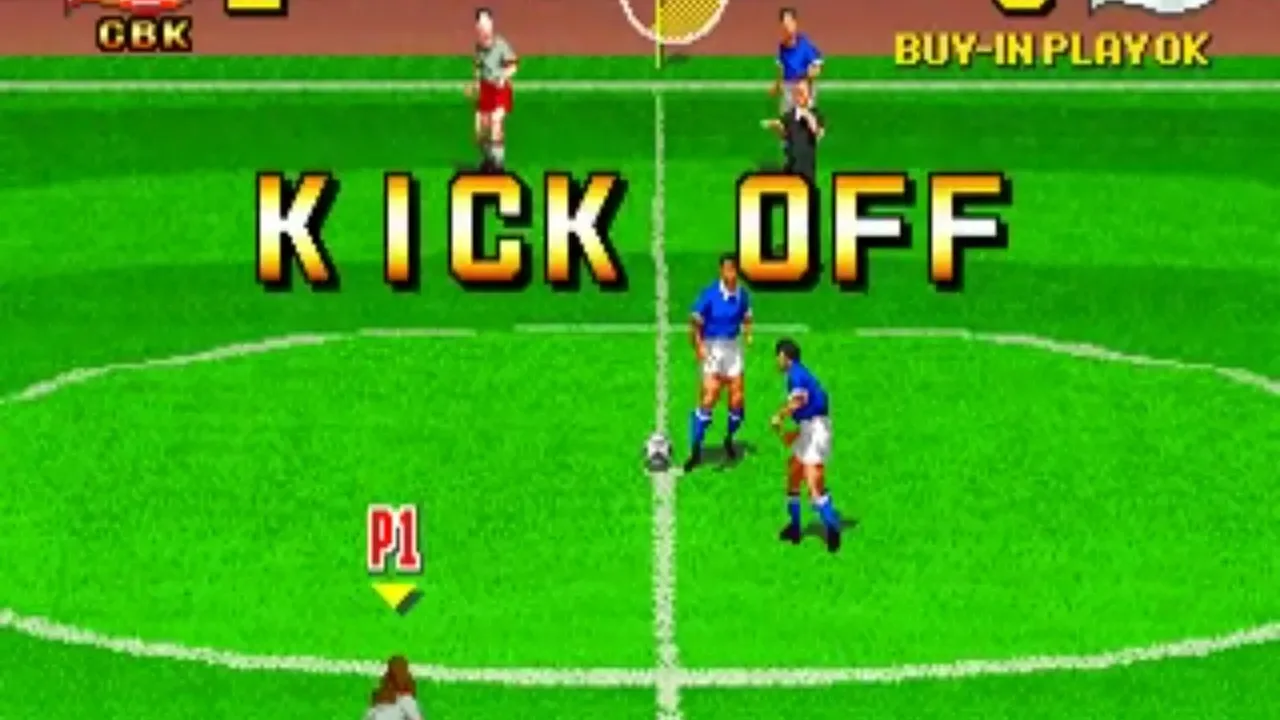
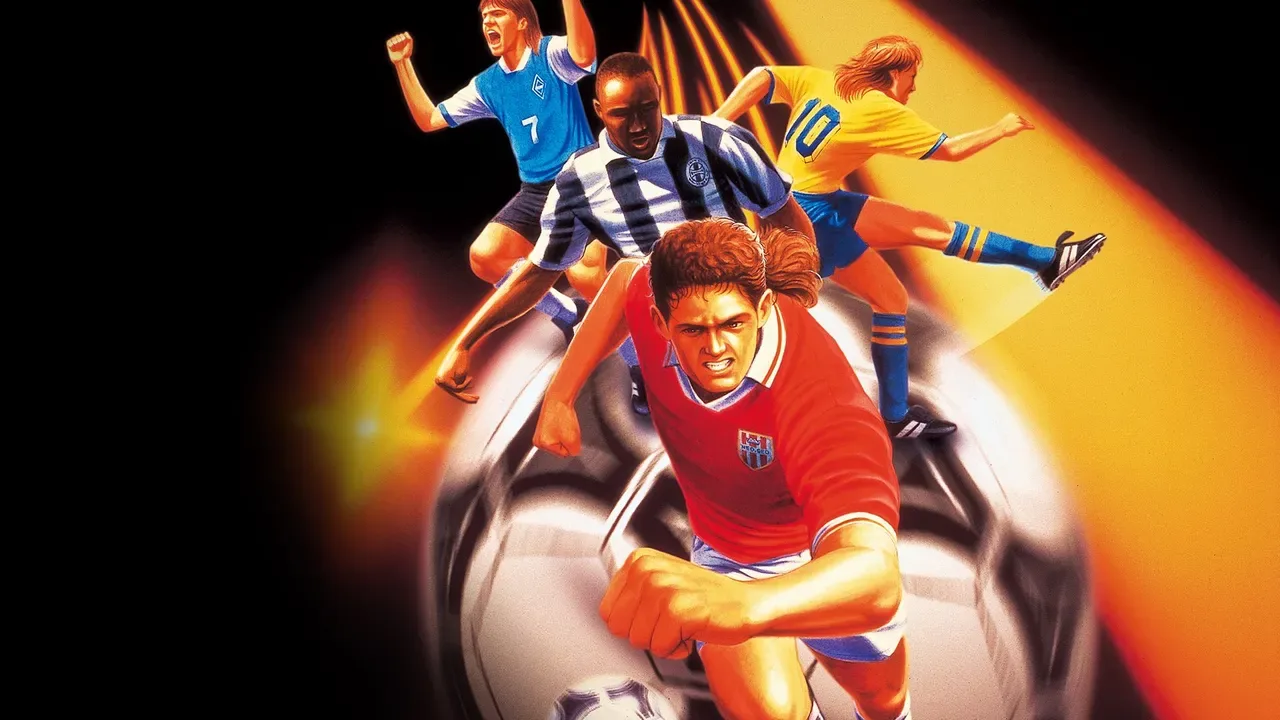
Loaded with world class excitement! Features 6 competition modes like World Cup for 64 worldwide teams. Utilizes Digitized Trace Animation and 3D camera angled shots for a realistic on-the-fly action graphic explosion. With 8 different playing modes including options such as Speed and Stamina, you can mix and match 512 different team configurations. Accidents hinder or enhance a team's ability within head-to-head gameplay for the ultimate super-real soccer experience!
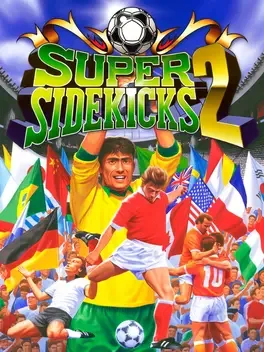
Super Sidekicks 2: The World Championship is a 1994 soccer arcade video game developed and published by SNK. It is the second installment in the Super Sidekicks series and the third soccer game released for Neo Geo MVS, preceding the original Super Sidekicks (1992). Featuring an arcade-style approach to soccer as its predecessor, the game allows players to choose any of the available game modes with AI-controlled opponents or other human players with the team of their choosing. Its gameplay uses a simplified three-button configuration.
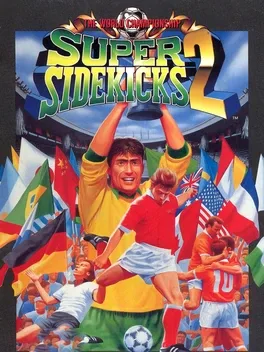
Published in 1994 (Japanese title: Tokuten Ou 2 - Real Fight Football), the sequel corrected most of the flaws in the original's design, including the ability to switch players' control during the game, a smaller goal, and no more long shots taken (in Super Sidekicks 1 the simple long shot was sometimes too long, leading into a throw-in situation). It increased the number of teams to 48 and divided them into 6 geographical "regions": Europe A: Italy, England, Spain, Holland, Switzerland, Norway, Turkey, Ireland Europe B: Germany, France, Bulgaria, Sweden, Russia, Greece, Belgium, Romania Americas/Oceania: United States, Mexico, Canada, Australia, New Zealand, Costa Rica, El Salvador, Honduras Asia: South Korea, Japan, Saudi Arabia, Taiwan (as Republic of China), China, Iran, Hong Kong, United Arab Emirates South America: Brazil, Argentina, Paraguay, Colombia, Bolivia, Uruguay, Peru, Ecuador Africa: Cameroon, Morocco, Nigeria, Egypt, South Africa, Côte d'Ivoire, Guinea, Zambia When you start the game, you go into a "Regional Qualifying Round Final" against another team from your region. After beating it, your team goes into the World (Cup) Tournament, in which you are grouped with three other countries in a round-robin. After winning against all of them, you go into an elimination tournament: the quarterfinals, semifinals, and the final for the World Cup. This type of tournament thus is more reminiscent of the real-life World Cup. If a match ends in a draw, you also have the option of replaying a full game, go to the penalty kick tiebreaker, or play a sudden death (golden goal) game (the golden goal feature was not present in the original Super Sidekicks). All subsequent Super Sidekicks games followed the same design and gameplay as Super Sidekicks 2.
Could be interesting
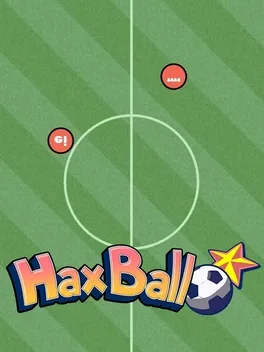
HaxBall is a realtime multiplayer game that plays like a mix between football and air-hockey, and it's a real blast. Player skill makes a big difference and teamwork shines when playing in teams of 3v3 and 4v4.
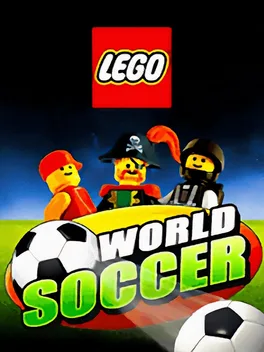
LEGO World Soccer is a soccer game for everyone. Gamers can play as pirates, construction workers and other characters in unique LEGO-themed settings.
World Football 98 is a soccer game, released just before the 1998 Football World Cup. It featured Kiko Narváez, the Spanish national team striker, prominently in the Kiko World Football version. The game was also later distributed as a gift when buying Danone yogurts under the name of Danone World Football where it was an ad game, as in the break between halves advertisements are shown.
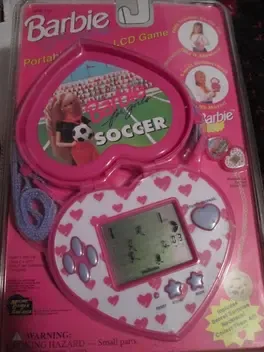
Barbie and her friends take to the field in one of their favorite sports. Control Barbie's team as they try to pass and kick their way to a victory
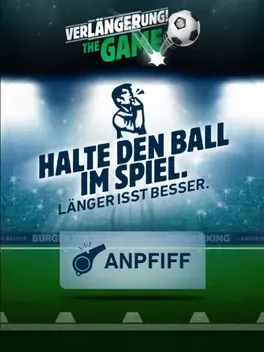
Verlängerung: The Game was a game included in the German Burger King app.

Featuring both boy and girl players out on the field, this family-oriented soccer game offers fast and fun play for the family.
J.League 3D Stadium is an unreleased soccer game for the Virtual Boy from J-Wing. It was slated for release in Japan on March 20th, 1996, but was ultimately cancelled when the Virtual Boy was discontinued. Not much is known about the game, as the only ever mention of it was when it was announced at Space World ’95.
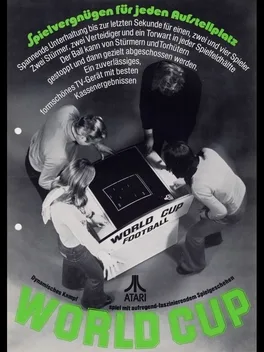
A soccer-themed ball-and-paddle game by Atari released in conjuction with the 1974 FIFA World Cup held in West Germany. It was the first Atari arcade game to be produced in a cocktail format.
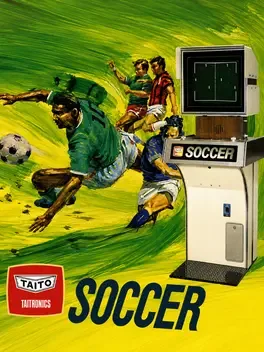
Soccer is Taito's third ever video game release and the first developed internally. The game was designed by the highly influential Tomohiro Nishikado, who would later go on to create Space Invaders. Soccer is a ball-and-paddle game like Pong, but with a green background to simulate a playfield, allowing each player to control both a forward and a goalkeeper. The players can adjust the size of the players, who are represented as paddles on screen. It also has a goal on each side. Soccer is likely to be Japan's first original domestically produced video game, in comparison to Japanese Pong clones released earlier, including Sega's Pong Tron and Taito's Elepong. Since it was exported to Europe in 1973 it may also be the first Japanese video game to be released on the European continent.