
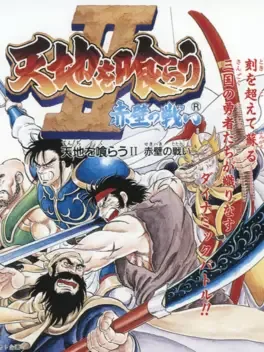
Tenchi wo Kurau II: Sekiheki no Tatakai


Buy
Parent game
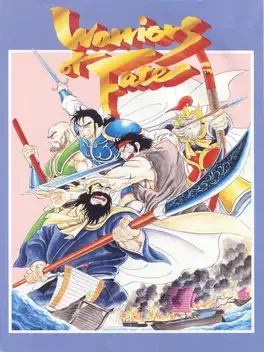
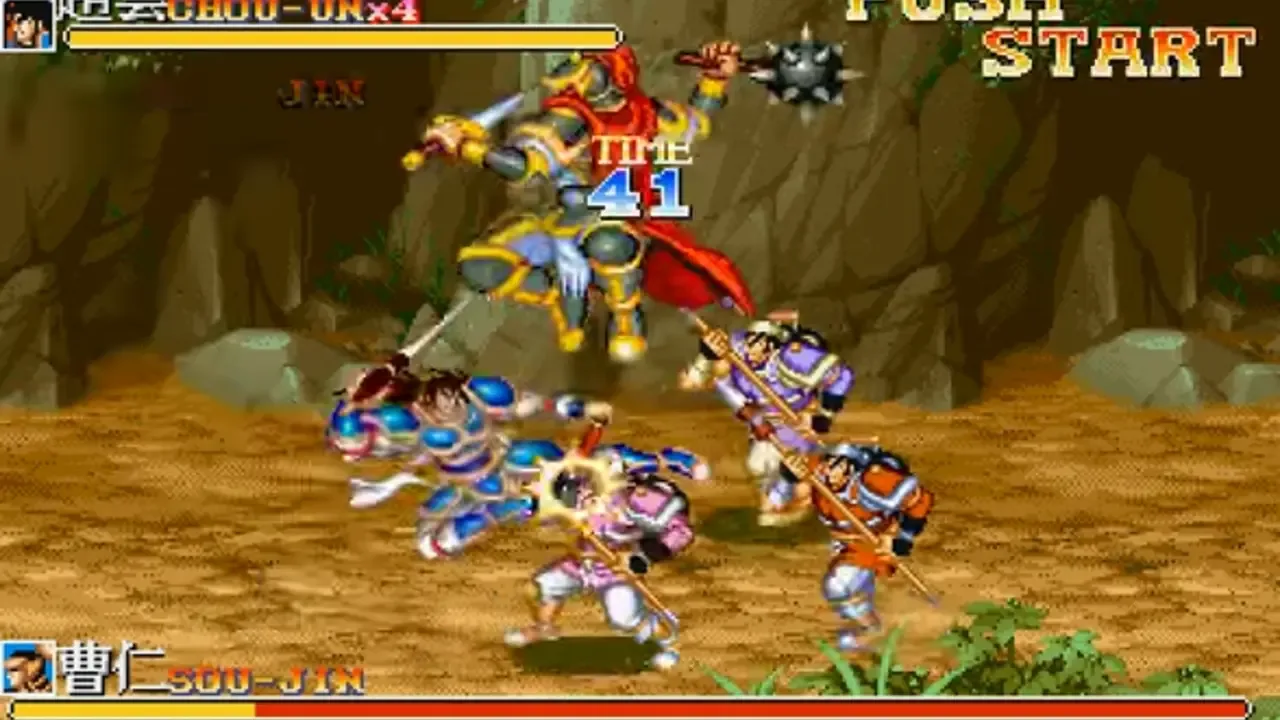
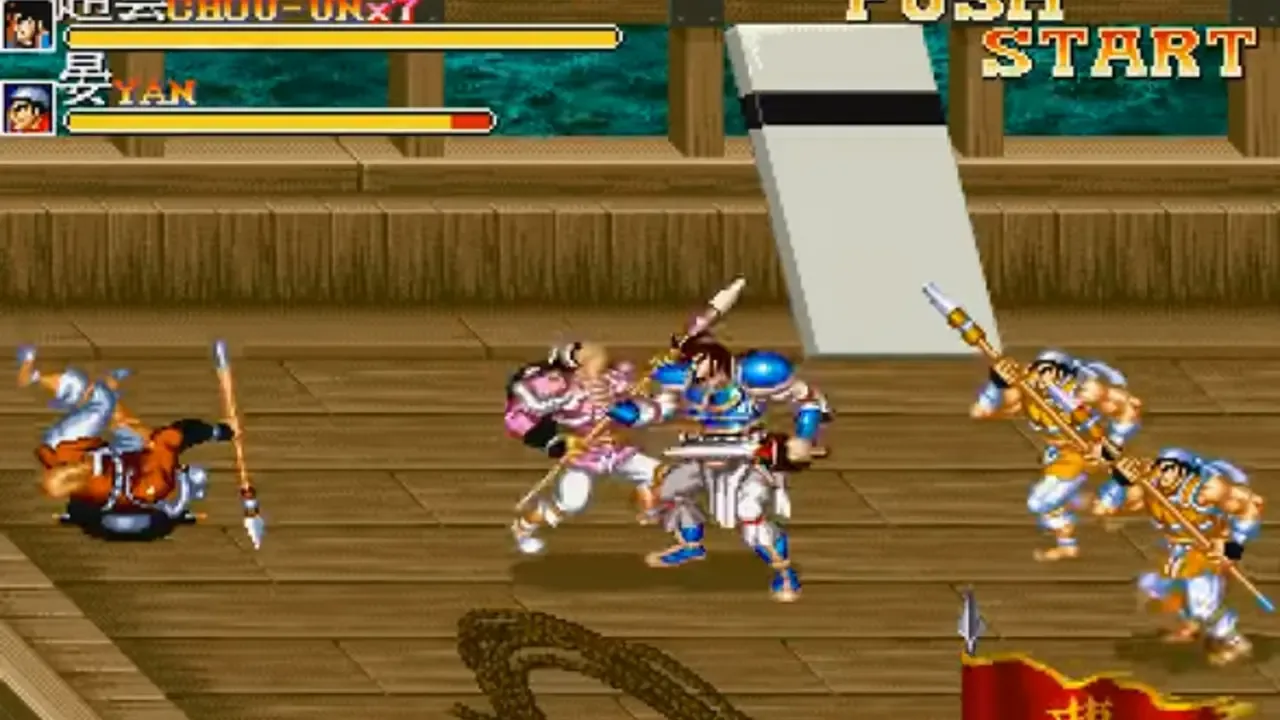
Warriors of Fate is a beat'em up with nine stages. Each contains large mobs including spearman, archers, strongmen, bomb-wielding opponents, and at least one boss. Using two buttons, Attack and Jump, the characters all have standard moves typical of Capcom side-scrollers of the day. There is also a variety of weapons in the game which can be picked up. As with most side-scrollers, food is used to replenish health and can be found in various breakable containers in the game level. One notable feature of the game is the ability to summon a warhorse which adds more attacks to the characters, generally involving pole-arms. Most characters are given a special wrestling throw of their own, like in Final Fight and The Punisher. In the Japanese version, the game follows Liu Bei's plight in Jingzhou from the Romance of the Three Kingdoms, a history-based novel from China, set in the Three Kingdoms period as Cao Cao sets to invade his lands. In the English adaptation, however, the Three Kingdoms theme was lost, and most names have been changed to names of Mongolian origin.
Part of collection:
Tenchi wo Kurau
(last 3 games)
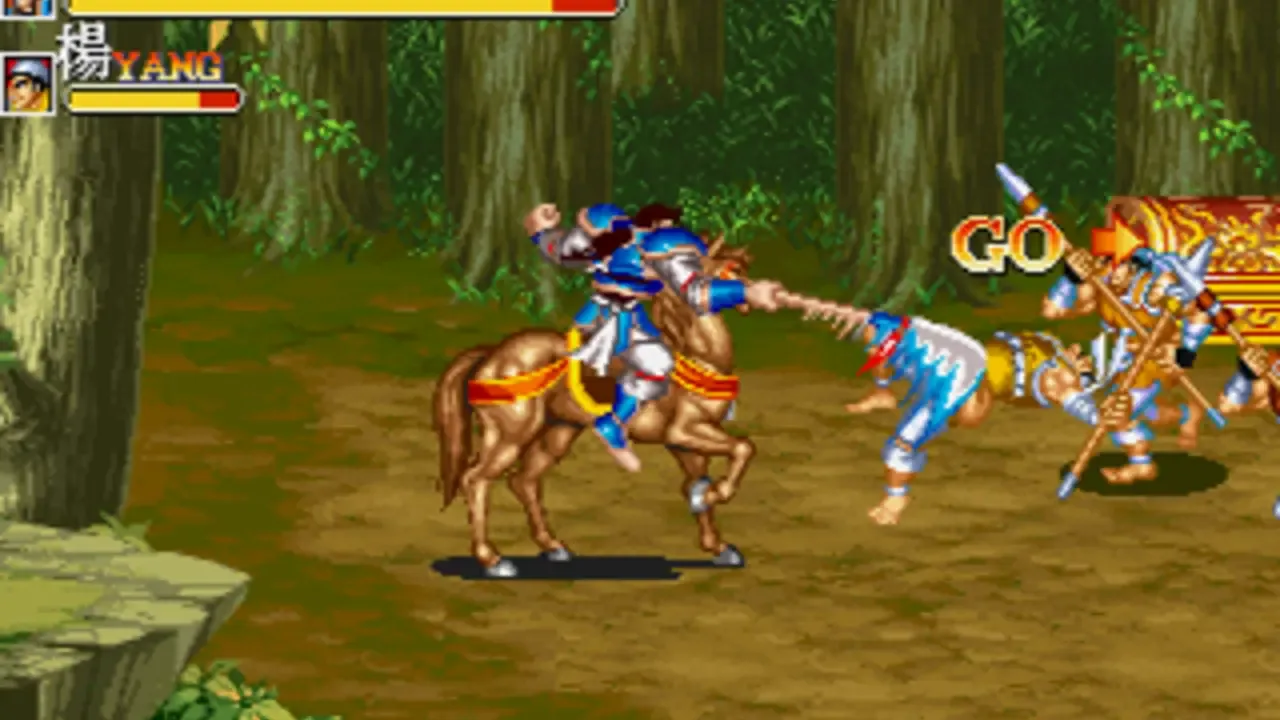
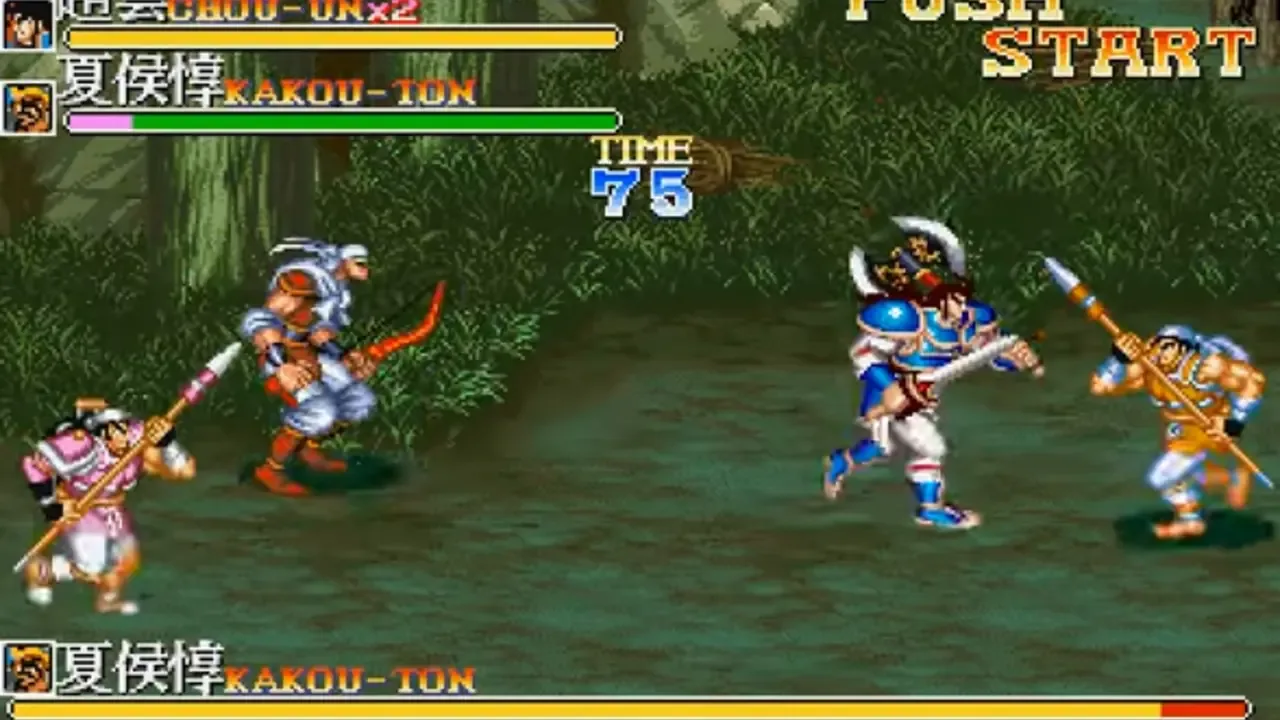
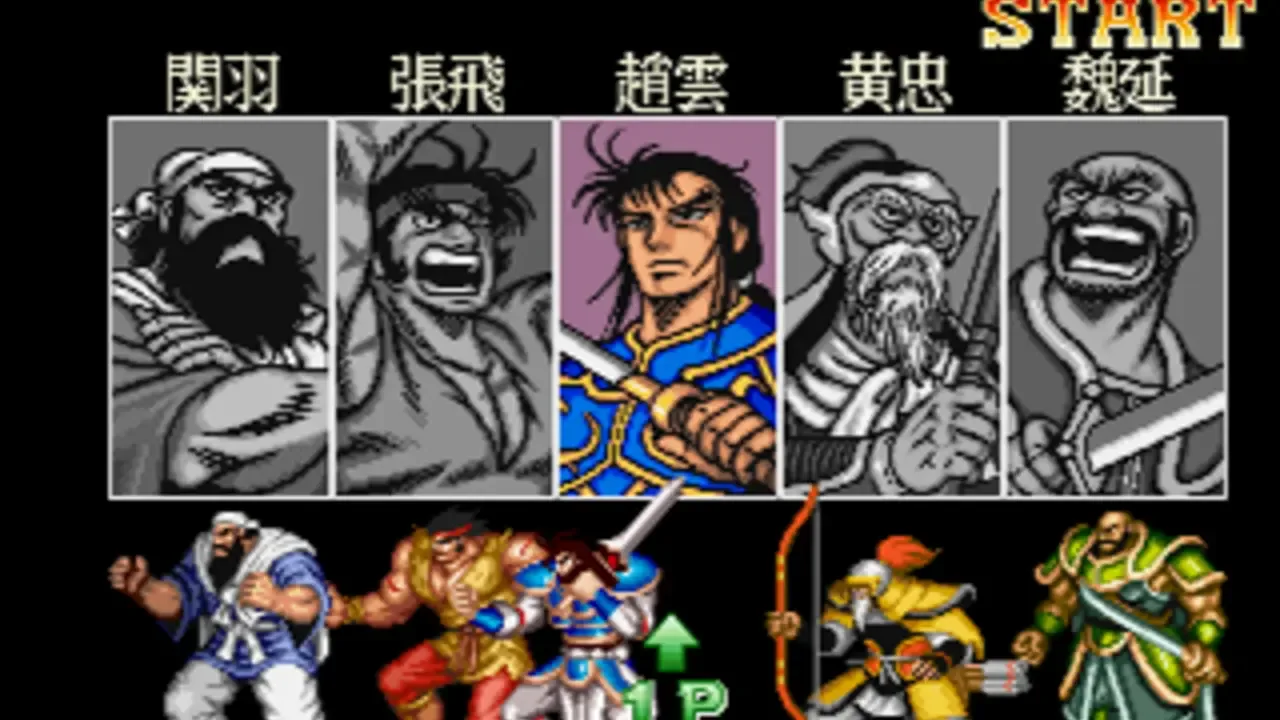
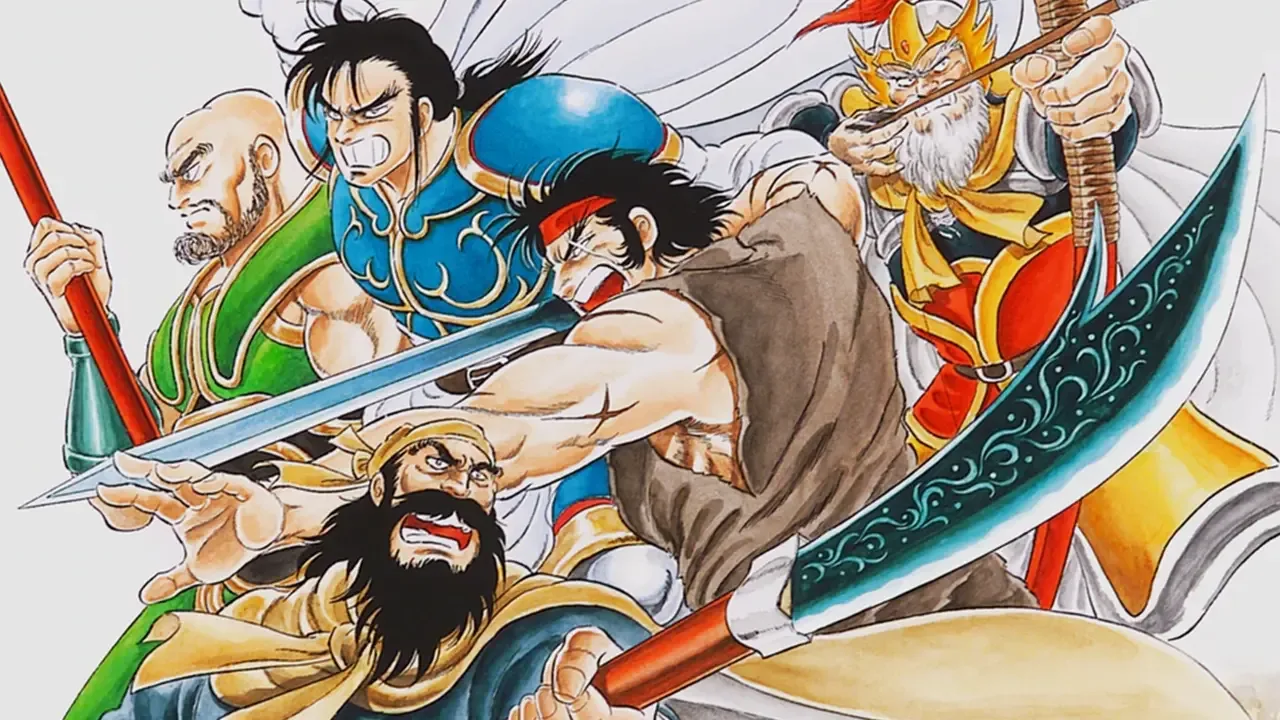
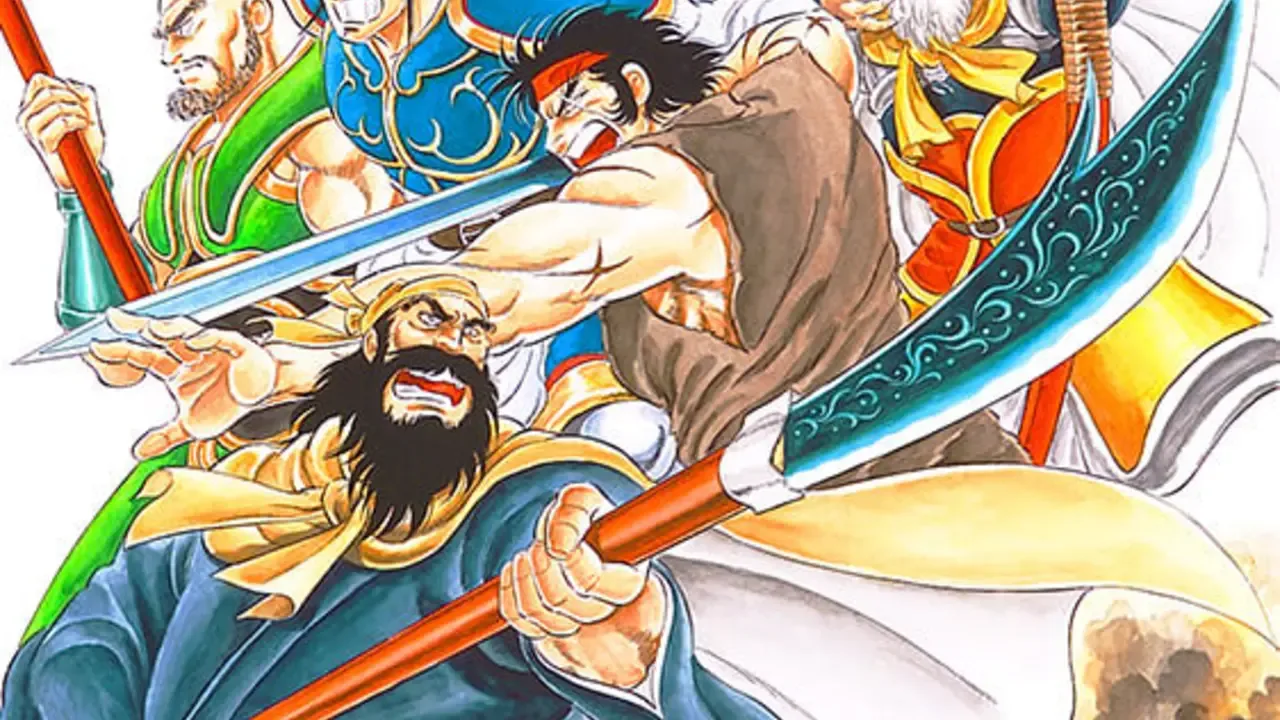
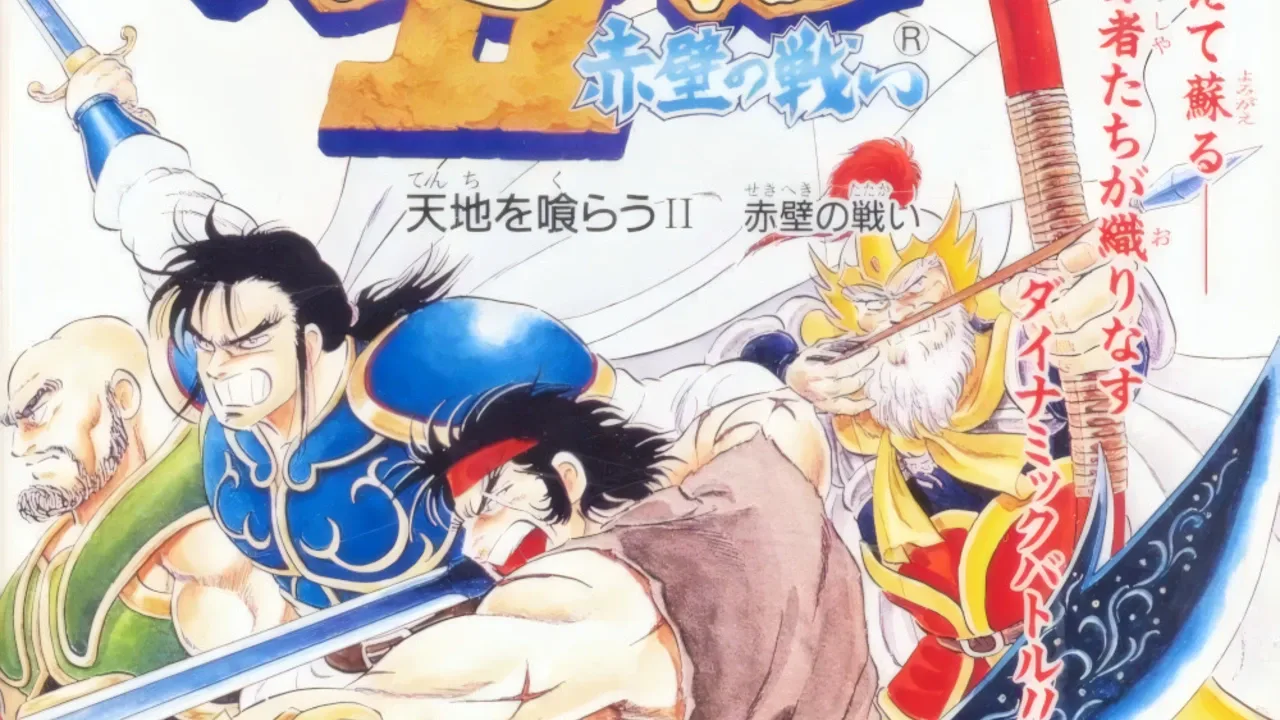
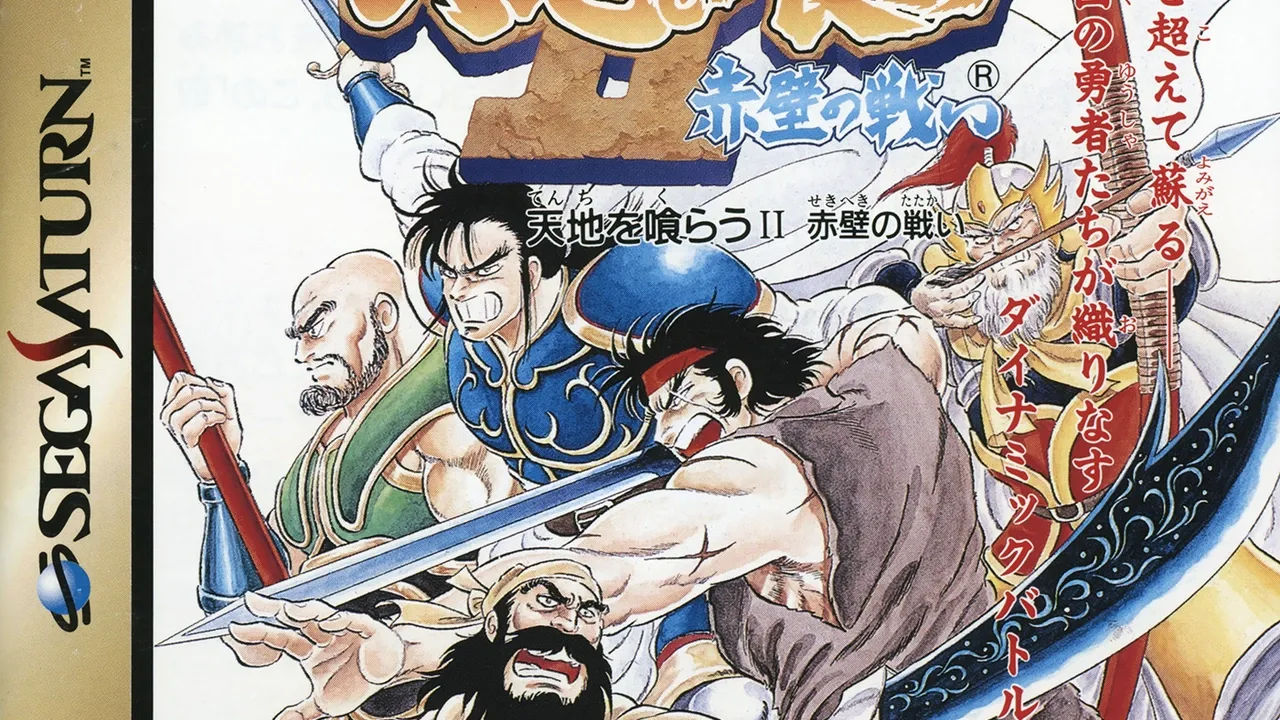
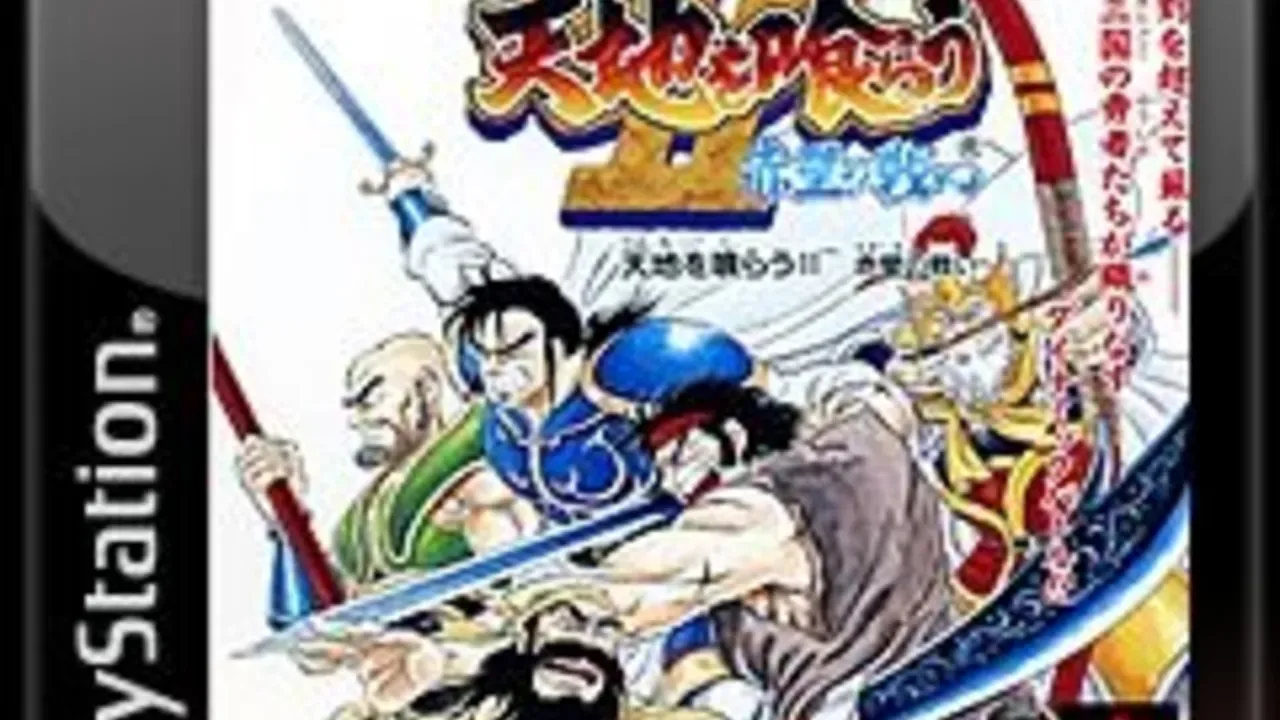
Tenchi wo Kurau II: Sekiheki no Tatakai is a side-scrolling beat-'em-up produced by Capcom first released originally as a coin-operated arcade game in 1992 and then later ported over to the PS1 and Sega Saturn. Tenchi o Kurau II: Sekiheki no Tatakai is a beat'em up with 9 stages, in each of which there are large mobs including spearman, archers, strongmen, bomb-wielding opponents, and at least one Wei boss. There can be up to three players on-screen at the same time. Using two buttons, Attack and Jump, the characters all have standard moves typical of Capcom side-scrollers of the day. Common enemies including Wei soldiers such as bandits, privatees, wrestlers, fatties and thieves will keep poping up from everywhere. In the end of each stage there is a Wei general as stage boss. Li Dian, Xiahou Dun, Xu Chu, Zhang Liao, Cao Ren, Xu Huang, the infamous Lu Bu as final boss. After defeating them all, there is also Cao Cao himself who would try to escape. There is also a variety of weapons in the game which can be picked up. As with most side-scrollers, food is used to replenish health and can be found in various breakable containers in the game level. One notable feature of the game is the ability to summon a warhorse which adds more attacks to the characters, generally involving pole-arms (except long bow for Huang Zhong)
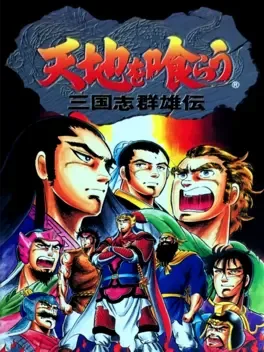
Tenchi wo Kurau: Sangokushi Gunyuuden is a Strategy game, published by Capcom, which was released in Japan in 1995.
Warriors of Fate is a beat'em up with nine stages. Each contains large mobs including spearman, archers, strongmen, bomb-wielding opponents, and at least one boss. Using two buttons, Attack and Jump, the characters all have standard moves typical of Capcom side-scrollers of the day. There is also a variety of weapons in the game which can be picked up. As with most side-scrollers, food is used to replenish health and can be found in various breakable containers in the game level. One notable feature of the game is the ability to summon a warhorse which adds more attacks to the characters, generally involving pole-arms. Most characters are given a special wrestling throw of their own, like in Final Fight and The Punisher. In the Japanese version, the game follows Liu Bei's plight in Jingzhou from the Romance of the Three Kingdoms, a history-based novel from China, set in the Three Kingdoms period as Cao Cao sets to invade his lands. In the English adaptation, however, the Three Kingdoms theme was lost, and most names have been changed to names of Mongolian origin.
Part of franchise:
Tenchi wo Kurau
(last 3 games)
A special edition of the Nintendo Classic Mini with games from Shonen Jump franchises.
Tenchi wo Kurau II: Sekiheki no Tatakai is a side-scrolling beat-'em-up produced by Capcom first released originally as a coin-operated arcade game in 1992 and then later ported over to the PS1 and Sega Saturn. Tenchi o Kurau II: Sekiheki no Tatakai is a beat'em up with 9 stages, in each of which there are large mobs including spearman, archers, strongmen, bomb-wielding opponents, and at least one Wei boss. There can be up to three players on-screen at the same time. Using two buttons, Attack and Jump, the characters all have standard moves typical of Capcom side-scrollers of the day. Common enemies including Wei soldiers such as bandits, privatees, wrestlers, fatties and thieves will keep poping up from everywhere. In the end of each stage there is a Wei general as stage boss. Li Dian, Xiahou Dun, Xu Chu, Zhang Liao, Cao Ren, Xu Huang, the infamous Lu Bu as final boss. After defeating them all, there is also Cao Cao himself who would try to escape. There is also a variety of weapons in the game which can be picked up. As with most side-scrollers, food is used to replenish health and can be found in various breakable containers in the game level. One notable feature of the game is the ability to summon a warhorse which adds more attacks to the characters, generally involving pole-arms (except long bow for Huang Zhong)
Tenchi wo Kurau: Sangokushi Gunyuuden is a Strategy game, published by Capcom, which was released in Japan in 1995.
Could be interesting
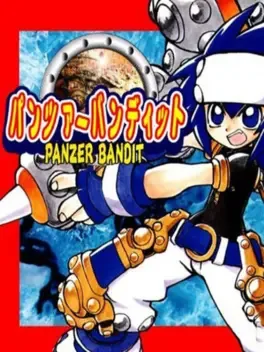
Full of magic and mecha fighting action takes place in a different world turns. Set in 2D with depth of field, with a comical action Ri Gemasu melee battle finishing moves and colorful quirky characters who are in disarray. In addition to story mode, and up to four people can play simultaneously mode also comes with VS.
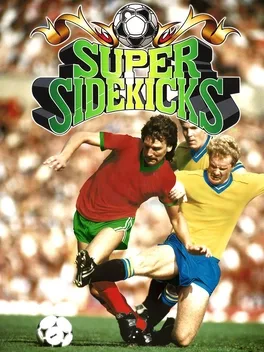
Published in 1993, the original Super Sidekicks (known as Tokuten Ou, "Goal-Scoring King" in Japan) was SNK's first soccer video game. It features 12 teams divided into two groups which compete for the "SNK Cup" (the main differences between teams is their formations on the field): Group A: Germany, Italy, Spain, England, Mexico, Japan Group B: Argentina, Holland, Brazil, France, United States, South Korea The players' team plays against all the others in their group, then it goes into an elimination tournament's semifinals and then the final to win the cup. There was also a hidden feature in the game, which wasn't documented, and affects a single player game. During a free kick for the CPU if the player has tapped button A for player two, the CPU performs a short-shot, while pressing the button A performs a longer kick.
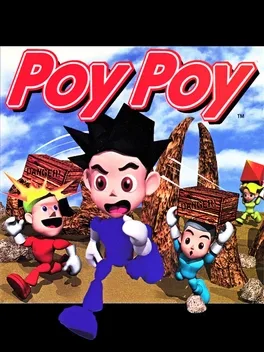
Poy Poy is a multiplayer party game at heart. Grab a multi-tap and four friends and take part in an ultimate battle of skill and wit. The idea is to be the last man standing in this arena based combat game. But don't worry if you can't find a multi-tap or four friends. There's plenty of AI characters to battle in various tournament modes and you can also play a 2 player deathmatch (with or without computer opponents). If it sounds fun now, wait 'till you play it... Set in seven different 3D environments strewn with throwable objects, the game challenges you to a match against three other opponents armed with logs, rocks, ice blocks, and atomic bombs. If you run out of stuff to throw, you can toss your opponents around too. Each hit drops your life meter, so be careful who you pick a fight with.
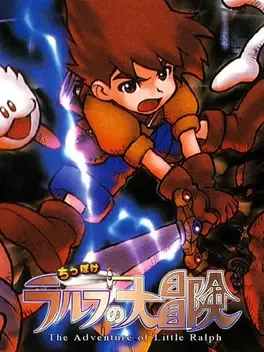
The Adventure of Little Ralph is a 2D platformer. In this game the player controls Ralph, who has been turned back into a child by the evil demons who have invaded his homeland. In order to stop them and return to his former self, he must get through each area filled with enemies, traps, and many hidden routes. Ralph is armed with swords and various magic powers and also has the assistance of a small furry companion. The game's levels are interconnected, unlike the "stages" of most other platform games.

R4: Ridge Racer Type 4 is the fourth game in the Ridge Racer series. It includes eight tracks (with reverse variants, for a total of 16 layouts) and 321 vehicles, all of which are fictional. This iteration was one of the first PlayStation titles to feature Gouraud shading on polygons, giving the game a visual depth that was previously missing. It was also the first Ridge Racer game on the system to feature two-player split-screen mode and offered two different driving models.
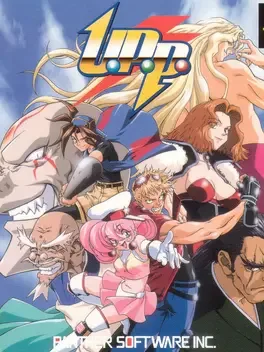
The Soul Fight International Championship has begun. Eight fighters have gathered to put their skills to the test. Defeat the best fighters, and become the king of the Soul Fight world. U.P.P. is a puzzle game that plays like an upside-down version of Columns with a twist. Groups of various-colored gems appear from the bottom of the screen and rise toward the top. Match three in a row vertically, horizontally, or diagonally of the same color to clear them. Every clear and combo earns charge for your Soul Gauge, which when enough charge is gathered allows you to unleash special attacks that can either hinder your opponent or give yourself an advantage. Each character has three different attacks, which require different amounts of energy charge.
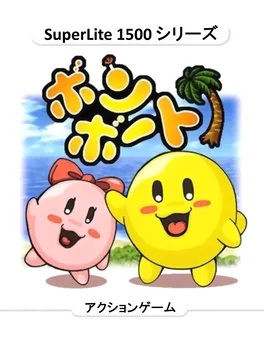
Bomb Boat is an action puzzle game in which players control the character to eat up all the fruits in order to finish the maze. Beware of the monster that goes after you! Bomb out the bridge to block its way! Enjoy this breath-taking Bomb Boat!
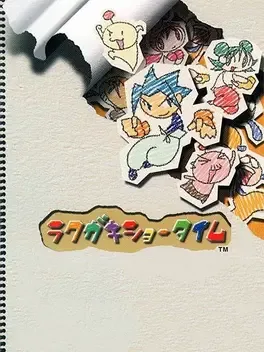
Rakugaki Showtime is a game along the same vein as Poitter's Point (also known as Poy Poy) where in you try to defeat the opponents by throwing things at them.
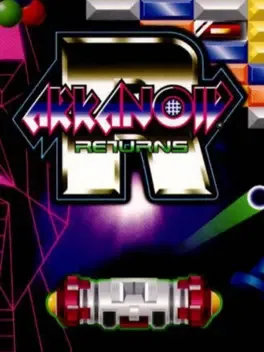
Arkanoid Returns is an arcade game released by Taito in 1997 as part of the Arkanoid series. It was the fourth overall, and third to be released in arcades. The game was since ported to the PlayStation, with an updated home release being released afterwards titled Arkanoid R 2000. All versions were released exclusively in Japan, currently making it the only game in the series to never receive an international release. The enemy known as 'DOH' still did not get the message and after many years of silence decides to attack once again. The 'Vaus' space vessel better be ready to face new, yet familiar challenges, in order to stop 'DOH' once again. The gameplay remains similar to Arkanoid: Doh it Again, the previous game in the series released for the Super Nintendo, in that it features the same powerups , some re-used level designs, and the same board size. The initial arcade game contains only 50 levels, the environment changing every 9 levels.
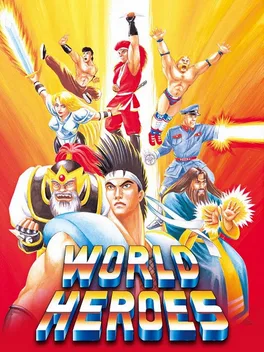
Are you ready for a fierce battle in an ultra-deathmatch!? Who is the greatest hero in the world? You will find out today! A scientist has created a time machine that eight heroes will travel through time with to prove who is the greatest fighter of all time!