
Tetris


Buy
Parent game
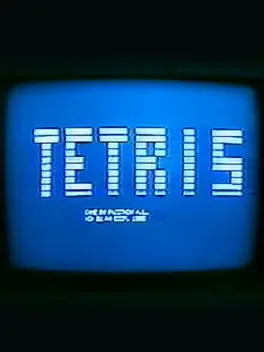
The original version of Tetris was created by Alexey Pajitnov for the Elektronika-60 computer. It was never released commercially. It was also playable on the successor DVK-1 and DVK-2 computers, although it is unknown whether that is a different version, or simply the same code running on a different computer. Minor visual differences are present, but the gameplay is the exact same.
Part of collection:
Tetris
(last 3 games)
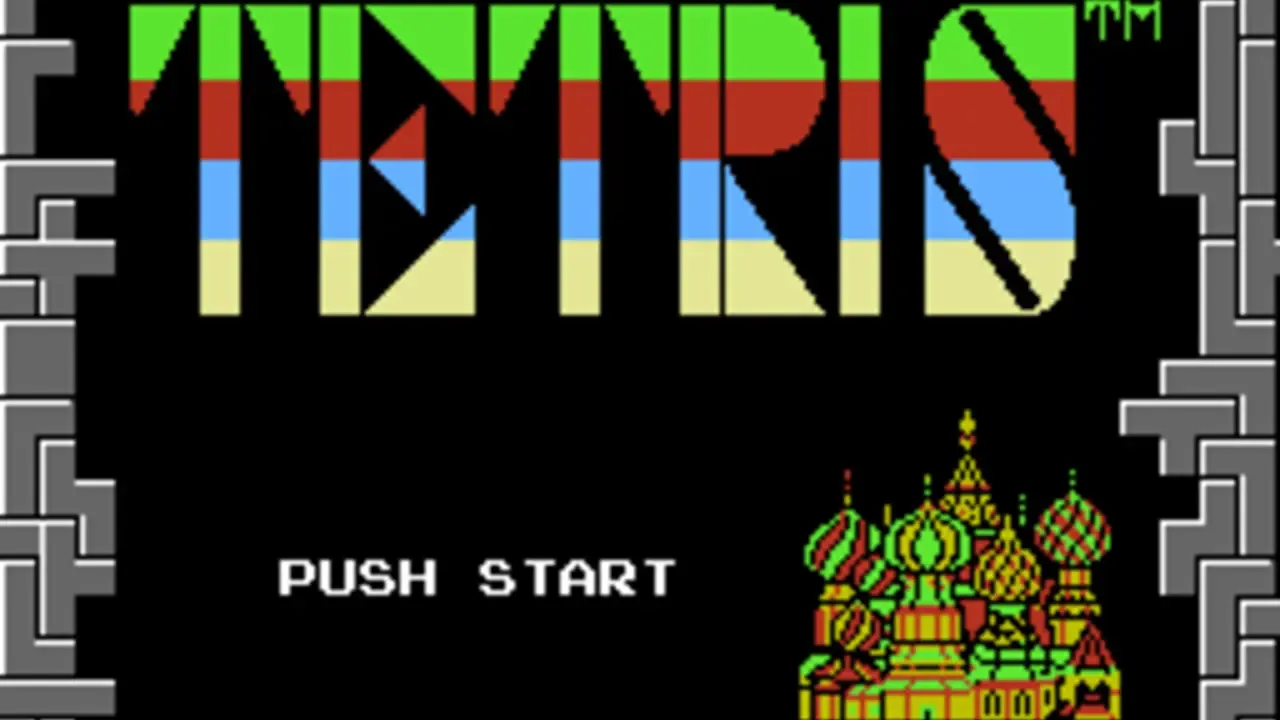
Tetris E60 is web game released to promote the movie Tetris. It emulates the look of the original Tetris prototype for the Electronika 60 by Alexey Pajitnov.
When talking about feature phone apps, you can never leave out the G-MODE version of "TETRIS". The "TETRIS DIAMOND" version, one of the most popular versions of TETRIS, is back as a G-MODE archive! There are 4 types of game modes included. Starting with the normal "TETRIS mode", "DIAMOND mode" where you can get a bonus score by erasing the line with "Diamond Tetrimino", and "PUZZLE mode" that erases all lines using limited blocks. There are various rules. In addition to familiar techniques such as "TETRISTM line erasing" and "T-SPIN", let's aim for a high score by making full use of the new technique "DIAMOND" using "Diamond Tetrimino"! Please enjoy the glittering world of "TETRIS" that still does not fade.
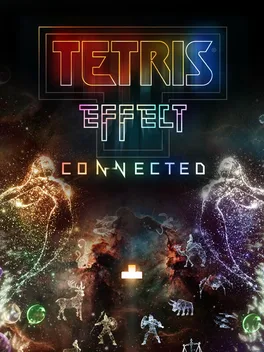
Tetris Effect: Connected adds an all-new robust multiplayer expansion to the huge variety of addictive and innovative single-player modes that Tetris Effect is known for. Connect and play with or against each other in all-new modes like "Zone Battle," which shakes up traditional 1-on-1 Tetris gameplay via the time-stopping Zone mechanic, or try the innovative co-op of "Connected" mode, where up to three players can literally connect their Tetris playfields together and play as one, as they work together to take down a series of increasingly-challenging CPU-controlled bosses.
Part of franchise:
Tetris
(last 3 games)
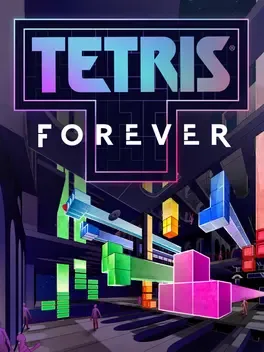
Tetris Forever celebrates the original, genre-inspiring puzzle game that escaped from behind the Iron Curtain, onto the world stage, and into our cultural consciousness. More than 15 playable classic games from the series' history are featured, including many being released for the first time outside Japan. Battle your friends in the multiplayer cult favorite Tetris Battle Gaiden, create massive explosions to clear lines in Super Bombliss, and see where it all began in 1984 with an accurate recreation of the first version of Tetris on the Electronika 60 computer.
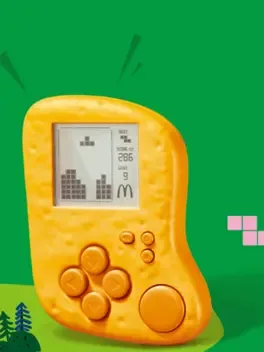
McDonald's Chicken McNugget Tetris is a handheld version of Tetris released in exclusively in China to celebrate the 40th anniversary of the Chicken McNugget.
Tetris E60 is web game released to promote the movie Tetris. It emulates the look of the original Tetris prototype for the Electronika 60 by Alexey Pajitnov.
Could be interesting
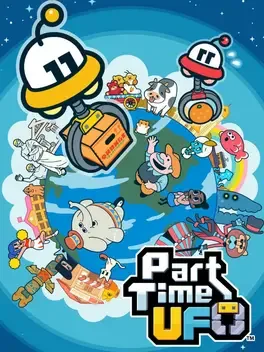
A mobile game developed by HAL Labs where players move objects around with a UFO character. "In Part Time UFO, fly a UFO around and complete odd jobs. Help out at a farm, support cheerleaders, cook up the ultimate dessert at a restaurant, build castles, and much more! Wherever the UFO goes, there are sure to be plenty of jobs waiting. At the center of all this is the UFO's super special awesome claw! Use the claw crane to grab, move, and stack objects to complete jobs."
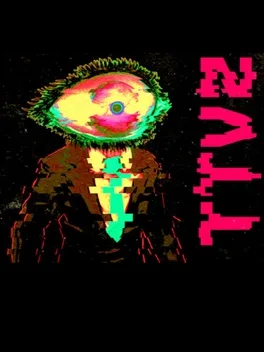
TTV2 is an arcade retro hardcore maze wanderer minigame, sequel to Trip to Vinelands.
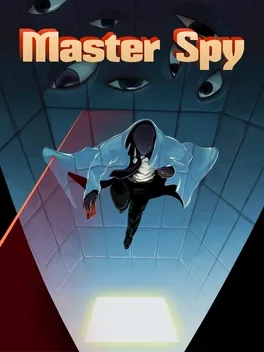
Throw on your invisibility cloak and put your reflexes to the test in this brutal precision platformer brimming with espionage, intrigue, and betrayal! Featuring an Original Soundtrack by Grammy Award Winner RAC.
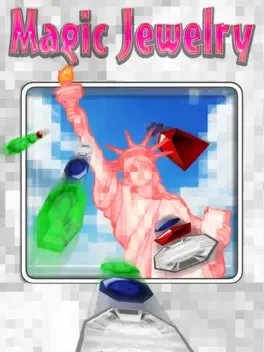
Magic Jewelry is a tile-matching puzzle video game for the NES. It was programmed by Hwang Shinwei in Taiwan and released in 1990 by RCM, without a license from Nintendo.
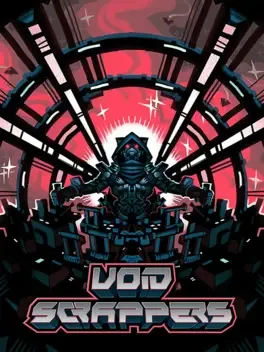
Blast hordes of alien ships into junk. Collect the scrap to upgrade your ship into an unstoppable force of destruction. Unlock new characters and weapons and upgrade your stats between runs.
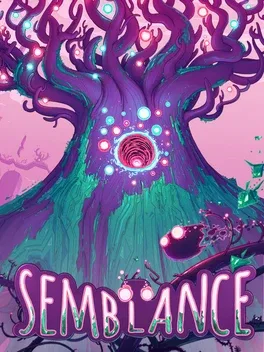
Semblance is an innovative platformer with deformable terrain, set in a beautiful minimalist world. It’s a game that asks, what if you could deform and reshape the world itself? Semblance takes the idea of a ‘platform’ in a platformer and turns it on its head.
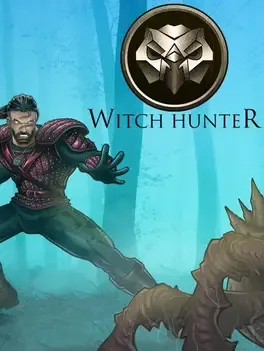
Witch Hunter is a 2D endless runner game. Play as 'Wolf', a famous monster slayer on his last adventure to redeem his name and become the most famous of his kind against hordes of creatures from dark forests. Have no mercy against every last monster standing in your way to boost your score while collecting coins to upgrade power-ups hidden all across the dark forests. Shop The player collects coins which allows them to purchase upgrades from the in-game shop. These upgrades aid progression against the trophies.
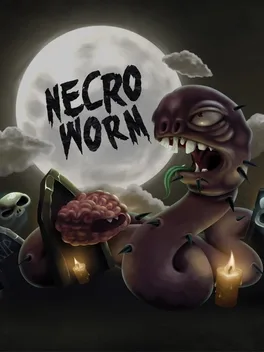
Chew your way through 120 levels of addictive puzzle gameplay, where your only goal is to devour everything but your own wormy self. It's quick, tasty, and hard to resist. Just like a late-night snack. How hard can it be to grab a bite? Quite hard, when you're an abominable serpent dwelling in a cemetery. Collect keys, open doors, and plan your every move so you don't paint yourself into a corner. Like it EXTRA SPICY? Hurry up and make it within the time limit—but watch out for the cramps.
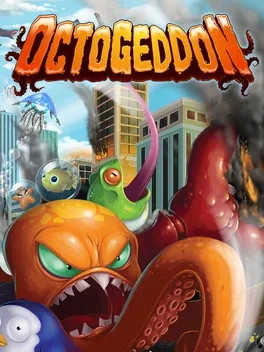
Octogeddon is a semi-casual action strategy game. You play as Octogeddon, a giant mutant octopus bent on world destruction. Grow more tentacles and evolve each of them into deadlier weapons until you become the ultimate eight-legged killing machine!
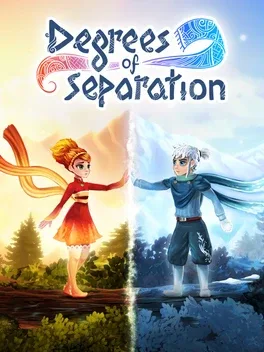
Degrees of Separation is a puzzle platformer where cooperation is built into every move. Two contrasting souls, Ember and Rime, fall in love, but are separated by an enigmatic force, and must use their powers to progress through a spectacular world of fantasy and adventure. Players solve environmental obstacles by drawing upon the contrasting temperatures of warm and cold in single-player and cooperative multiplayer.