
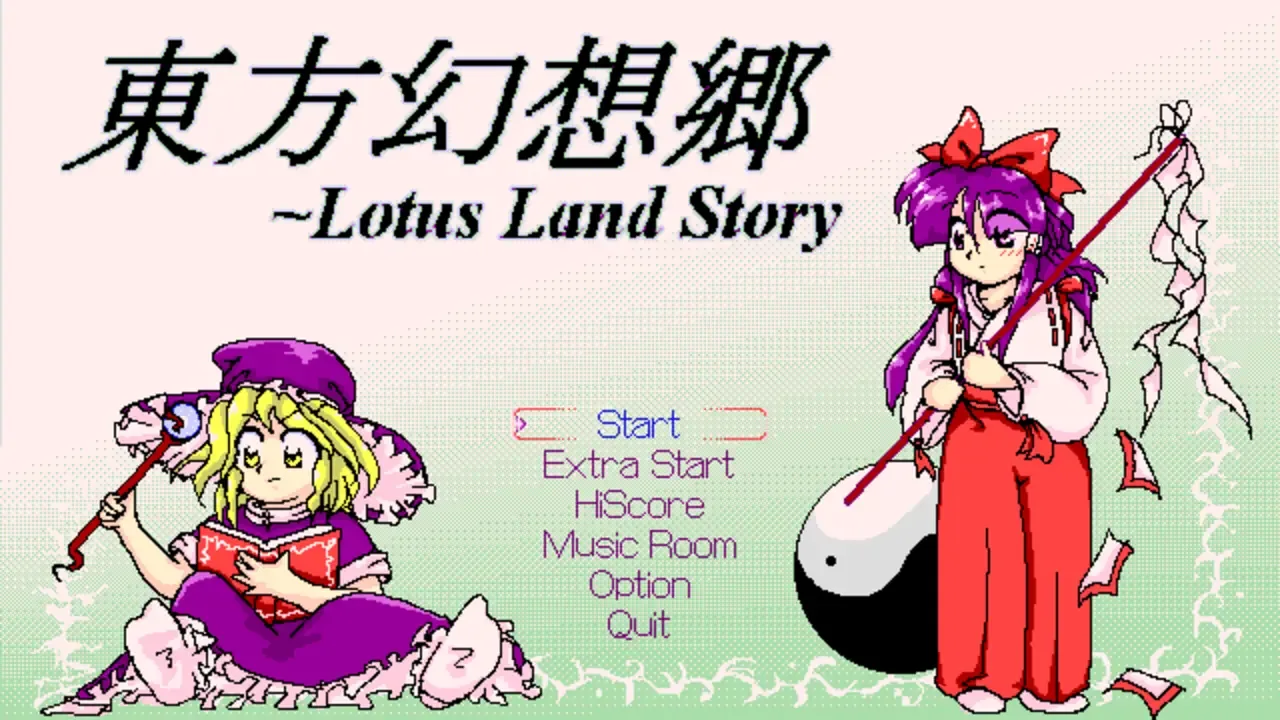
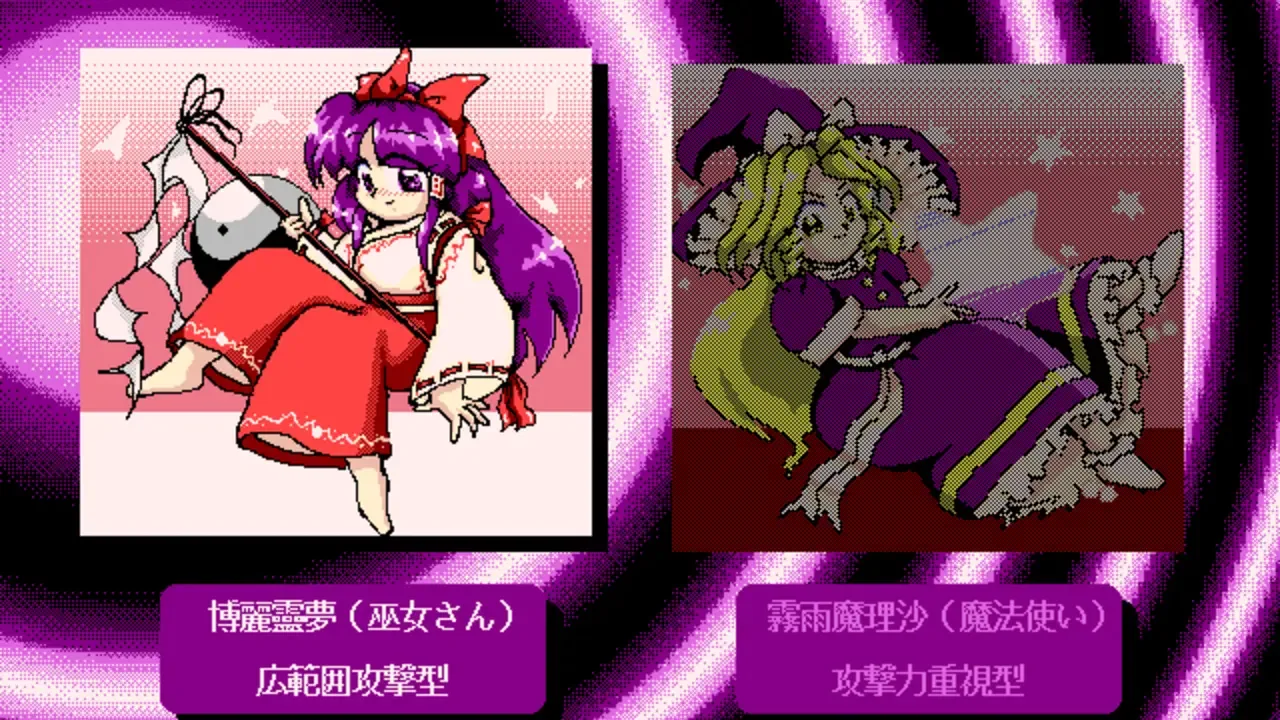
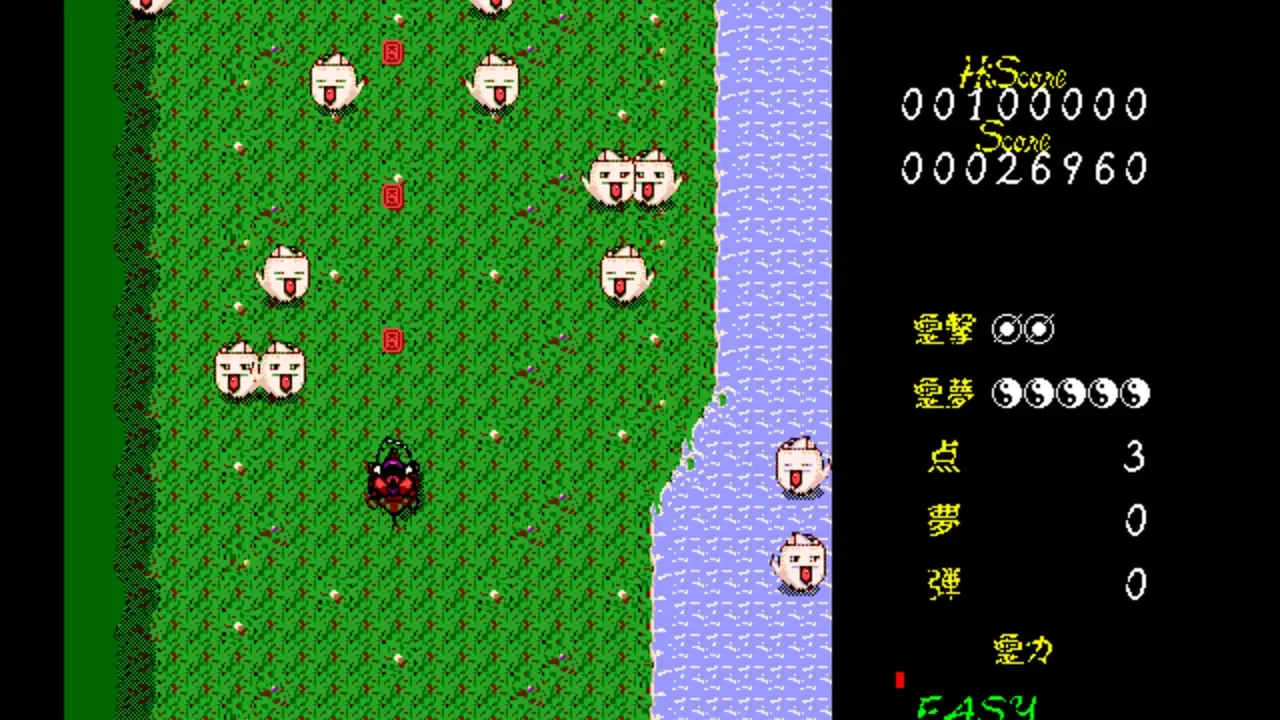
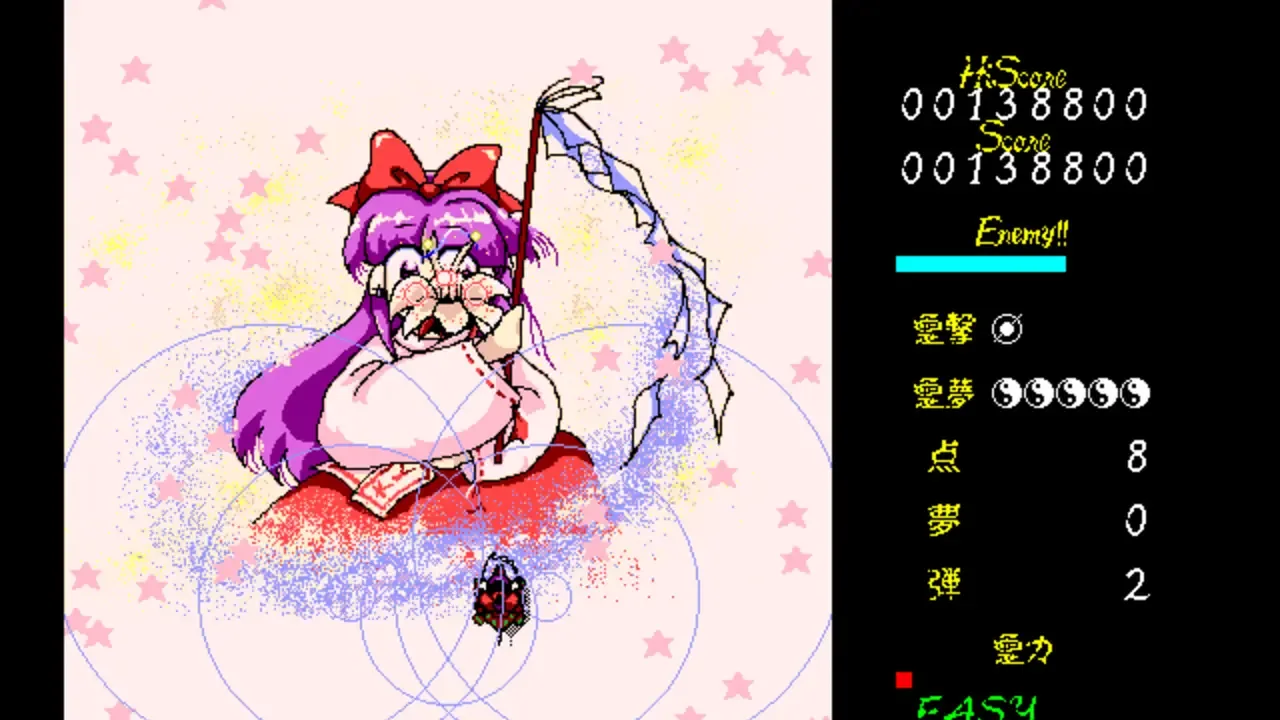
Touhou Gensoukyou: Lotus Land Story



Buy
Part of collection:
Touhou Project
(last 3 games)
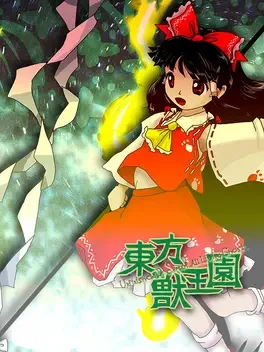
Touhou Juuouen: Unfinished Dream of All Living Ghost is the 19th official installment of the Touhou Project. It was announced by ZUN on April 18, 2023 (JST).

This time, Marisa Kirisame goes out alone to investigate (and collect). It is a game in which Marisa is the main character. Collect new cards and repeatedly challenge stages while conquering stages that develop at high speed and at random. Each play is short, and you play repeatedly to solve the anomalies.
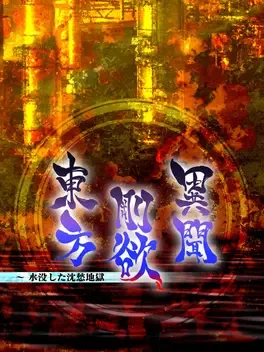
Touhou Gouyoku Ibun: Sunken Fossil World is the 17.5th installment of the Touhou Project, created by Team Shanghai Alice, with Twilight Frontier's collaboration. The game is described as a "horizontal side-scrolling danmaku water action game" on the official website.
Part of franchise:
Touhou Project
(last 3 games)

Control characters from the Touhou Project series in this shooting action game featuring high-speed aerial versus combat! Danmaku battles faster than you've ever seen will unfold in the skies of Gensokyo as you use your mobility to dodge countless bullets flying at you with a variety of spells.
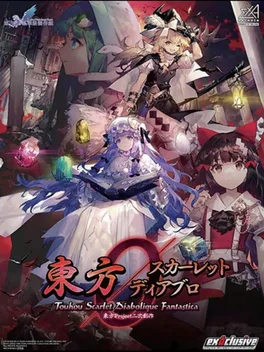
Touhou Scarlet Diabolique Fantastica is a port of the Chinese Touhou Project fangame Fantastic Danmaku Festival to the exA-Arcadia arcade platform. It is a sequel to Touhou Perfect Sakura Fantastica.

Dreamy Duels is a card game inspired by Touhou project universe and various other classic card games. In this game, you can craft you own cards with card editor, and use them to engage other players in a diverse card game world.
Could be interesting
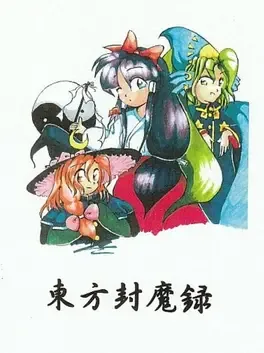
The Story of Eastern Wonderland casts the player as the Shrine Maiden Reimu Hakurei and offers three distinct attack types to choose from: a wide-range type with weak attack power, a mid-range type with moderate attack power and auto-targeting capabilities, and a narrow-range type with high attack power but lowered movement speed. The bombs also exhibit unique behavior depending on the type chosen. As the first danmaku shooting game in the Touhou Project, the Story of Eastern Wonderland introduces many features that are now hallmarks of the series as a whole: relatively small hit boxes, boss characters who are not much larger than the player character however are highly mobile, a power-up system, variable-worth point items, an unlockable Extra Stage, and a semi-complex scoring system. The game also marks the first appearance of Marisa Kirisame, who would become a major character in the series, appearing as often as Reimu Hakurei herself.
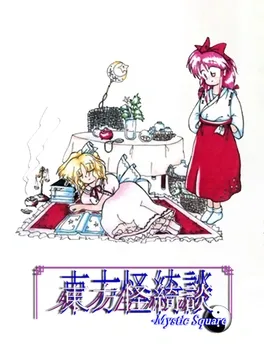
Mystic Square allows the player to select from among four unique protagonists, each hailing from one of the 2 prior danmaku shooting games in the series. Series mainstays Reimu Hakurei and Marisa Kirisame are joined by former enemies Mima and Yuuka Kazami for a journey reaching to the depths of the Makai. Mystic Square also marks the first appearance of Alice Margatroid as an opponent, who later stages a comeback in Perfect Cherry Blossom. Although limited by the PC-98 hardware, Mystic Square is the most refined of the PC-98 Touhou titles, and features gameplay quite similar to Windows Touhou games. It employs a variant of Lotus Land Story's Dream Bonus system, rewarding the player for taking risks (i.e. collecting point items from the top of the field area). Its rank system, however, is more lenient than Lotus Land Story's.

This game is a vertical danmaku shooting game, where two characters engage in danmaku gameplay within individual and separate play areas (aka. split-screen). Upon meeting certain conditions, players are able to unleash a variety of character-specific Spell Attacks upon their opponents in an attempt to whittle down their remaining health points. In Story Mode, the player will face nine opponents, each more capable than the previous. Phantasmagoria of Dim.Dream also features a Match Play Mode where the player may face off against AI opponents or compete against other players, as well as watch AI vs. AI matches.

The game introduces the Shrine Maiden Reimu Hakurei, who frantically attempts to persuade a bouncing Yin-Yang Orb to hit various on-screen targets, "cards" and "bosses" alike. Reimu can knock and maneuver the Yin-Yang orb around by whacking it with her gohei, slide-tackling it, and firing shots at it. Enemies will be trying to hinder your progress by firing at you, but you can cancel out their shots with your own, or even deflect them by swinging your gohei. Only the Yin-Yang orb can damage the enemies, however, so simply firing your shots at enemies will have no effect. As a last resort, Reimu can use a "bomb", once per life, to hit all cards on the screen. There is no guarantee that any given card will be hit, and will often fail to damage a boss. The game consists of several stages of increasing difficulty, with a boss fight occurring every five stages. To complete a stage, the player should clear all cards or defeat the boss. Reimu will lose a life whenever she is hit by an enemy projectile or the yin-yang orb. There are two selectable paths in the game: the Hell path and the Makai path. Each route features unique stages, bosses, and endings.

Perfect Cherry Blossom features three playable characters to choose from, and each character has two different sets of skills. Reimu Hakurei is relatively balanced in all areas. Marisa Kirisame moves faster, and uses more powerful attacks with less range. Sakuya Izayoi moves slower, and uses weaker attacks that can hit just about everything on the screen. A major addition to Perfect Cherry Blossom is the "Cherry" scoring system. Shooting enemies increases your Cherry Points, bombing or dying decreases your Cherry Points, and reaching 50,000 Cherry Points gives you a temporary shield. Cherry Points eventually lead to a higher Cherry Gauge, which increases the points you receive from Point Items. Other important changes are the appearance of your character's hitbox while you are focused, the properties of your attacks depending on whether you are focused or unfocused, and a helpful cursor along the bottom margin during a boss battle that shows the location of the boss. This game is also unique in that it includes a "Phantasm Stage" that can be played only after clearing the Extra Stage. ZUN stated that the Extra Stage in this game was meant to be an "easy mode" version; perhaps Phantasm Stage was the original Extra Stage during development.
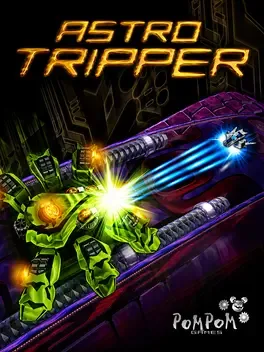
Astro Tripper is a furious shoot-em-up experience inspired by the painful, knuckle busting video games of years gone by. An evolution of PomPom's 2001 award winning game, Space Tripper. Travel the surface of large horizontally-scrolling platforms, and pit your highly maneuverable craft against hoards of enemies eager to blow you to bits, eat you or worse.

Mountain of Faith features two playable characters, each with three weapon types, but no personalized spell card bombs. Collecting power items results in an increase in "option" satellites around the character (for a total of four), which behave differently according to the character and weapon type. Each characters' options also fire bullets, and either shift position or freeze in place in focus-fire mode. The scoring system is based on the Faith meter, which has a refillable gauge and a numeric value (minimum 50,000). As long as the gauge is not empty, the player's Faith value doesn't decrease, but the gauge slowly depletes unless the player is defeating enemies or collecting point items. Point items also partially refill the gauge, and Faith items increase the Faith value. The Faith value directly affects the point value of point items and spell card bonuses.
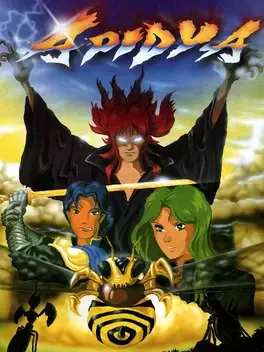
The game is a side-on scrolling shoot-em-up. The story revolves around Ikuro, whose wife Yuri has been poisoned by Hexaae, an evil lord of black magic. Ikuro uses magic to transform into a deadly bee and vows to find an antidote for Yuri and wreak revenge on Hexaae.

eXceed 3rd reboots the eXceed storyline, taking it in a new direction. In this installment, Rayne Lindwurm, a descendent of the Dragon Clan, fights her way through a tournament to become one of the 7 Cardinal Lords who rule her world, Pandemonium. Standing in her way are other competitors and their familiars, including her own older sister and heiress to the mighty Dragon Clan, Celestia Lindwurm.
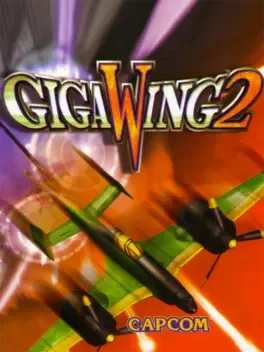
Giga Wing 2 (ギガウイング2?) is a 2000 vertical scrolling shooter arcade game developed by Takumi and published by Capcom on Sega's NAOMI arcade system board and later ported in 2001 to the Dreamcast console. The arcade version is notable both for its excessive scores (scores in the quintillions are not unheard of), and for using a horizontally aligned monitor (much like Treasure Co. Ltd's Radiant Silvergun), something that is considered rare for a vertical shooter.