
Astronoka


Buy
Could be interesting
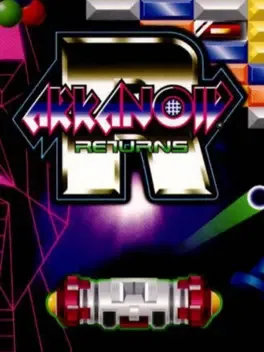
Arkanoid Returns is an arcade game released by Taito in 1997 as part of the Arkanoid series. It was the fourth overall, and third to be released in arcades. The game was since ported to the PlayStation, with an updated home release being released afterwards titled Arkanoid R 2000. All versions were released exclusively in Japan, currently making it the only game in the series to never receive an international release. The enemy known as 'DOH' still did not get the message and after many years of silence decides to attack once again. The 'Vaus' space vessel better be ready to face new, yet familiar challenges, in order to stop 'DOH' once again. The gameplay remains similar to Arkanoid: Doh it Again, the previous game in the series released for the Super Nintendo, in that it features the same powerups , some re-used level designs, and the same board size. The initial arcade game contains only 50 levels, the environment changing every 9 levels.
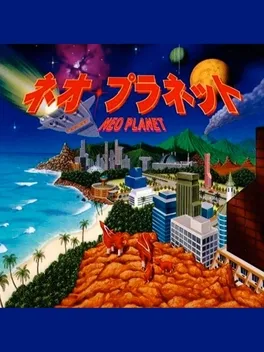
Neo Planet is a strategy / simulation game that takes place in an alien planet in the future in which the player takes the role of the person in charge of the whole planet so he will have to take decissions about the population, the different resources, decide the new buildings, and he is also in charge of the protection of the different organism and the ecology. The gameplay is similar to games like Civilization, SimCity series of Caesar, since the player is a member of one of 3 different futuristic civilizations (the player choose which one at the beginning of the game) and he can choose between 5 different planets to colonizate and take care of the ecology and animals of the planet, the player can build new buildings and facilities (like power plants, water pipes, etc.) The game narration is made by japanese actor Masaaki Yajima and the game features orchestrated classical music tracks.
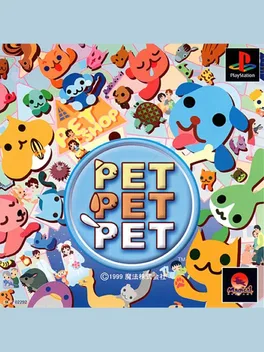
Pet Pet Pet is a mix between a virtual pet simulation and a strategy game. In the game the player is the owner of a pet shop in the town, he can buy new pets for the shop (the game features a lot of different animals from dogs, cats, rabbits, penguins, etc.) to different pet providers, and also can buy meals, toys, clothes for the animals that he can also sell in his shop. The most important feature of the game is that the player can follow the life of the different animals that he sells, for example if he sold a dog to a old woman he can anytime go to see the dog and play with him, teach him new things, etc. In that part of the game the game changes to a proper simulation game and there are different orders that the player can use. Other features of the game is that he can also train his pets in the shop before sell them, the player can also buy new buildings like hospital and other facilities to increase his pet emporium on the town. And anytime he can click over anyone in town to know the kind of pets that they prefer, etc.
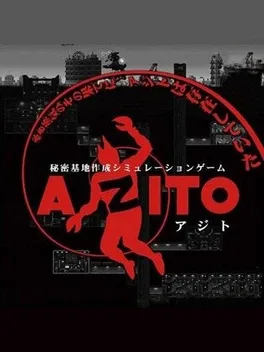
In Azito, the player takes the role of chief commander of a new secret base. Weapons, in the form of Mechs are developed and used to defend the secret base from enemy attacks. The secret base must be protected in order to be completed. The player cannot attack enemy bases, but only intercept the enemy units. As the player chooses their attributes with the help of specialized staff, a variety of weapons can be developed, and the appearance of the base will change depending on what is being developed.
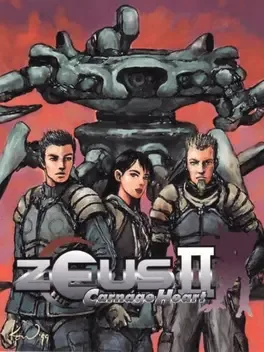
Zeus II: Carnage Heart is a Strategy game, developed and published by Artdink, which was released in Japan in 1999. Zeus II Carnage Heart is another Carnage Heart sequel (not to be confused with "Zeus Carnage Heart Second") with a new storyline, and vastly improved graphics over the original Carnage Heart.

Stand o' Food challenges you to feed a host of hungry patrons before they leave in a huff!
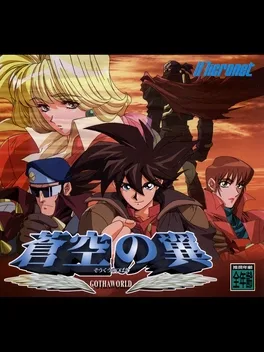
An air combat simulation game that is final installment of Gotha series released in 1997.
Maboroshi Tsukiyo is an adventure game released for the Dreamcast and Playstation consoles, in which the player takes the role of Takashi Tanaka (the player can choose another name) that one summer evenight he meet the ghost of a girl in the park, and the ghost girl start living with him in his appartment. The first night the girl appears to one of Takashi friends and the girl vanished after seeing the ghost, the ghost can enter other people's bodies too...
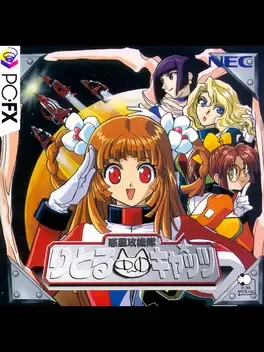
Little Cats is somewhat similar to Sakura Taisen games, with adventure and dating elements reduced, and simulation elements added. David has to make schedules for the girls and decide how much and what exactly they should train. Running competitions, shooting range, robot navigation - everything can be trained, but at the expense of the girls' stamina, which means they will need to rest as well. During the simulation mode, it is also possible to wander around the space station and spend time with the girls.
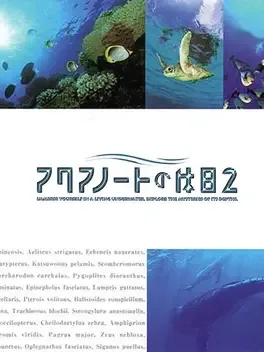
Aquanaut's Holiday 2 is the sequel to Aquanaut's Holiday. Like in its predecessor, the player takes control of a submersible in order to explore the sea depths and discover a variety of animal species. Contrary to the first game's only area, the sequel has many different areas following different themes to explore.