
Azito




Buy
Part of collection:
Azito
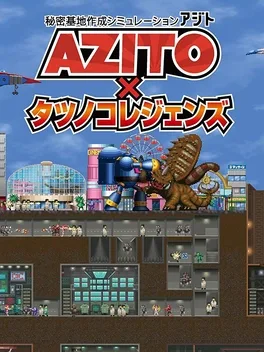
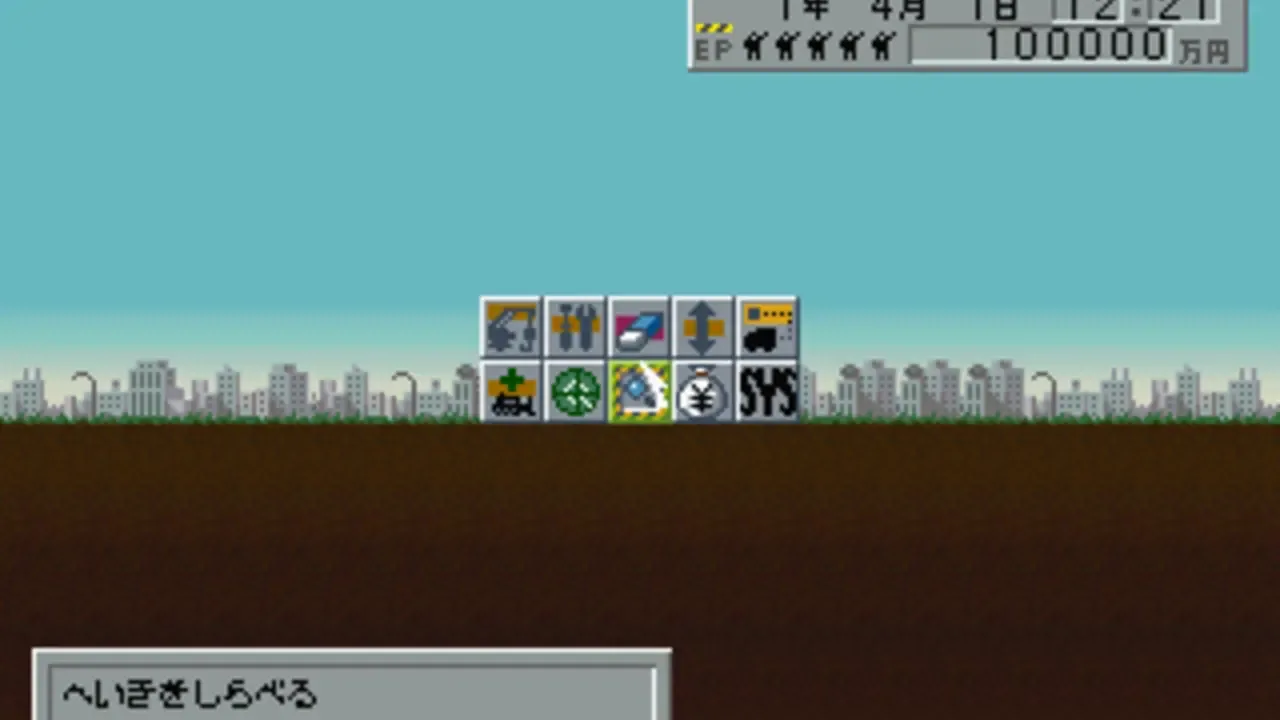
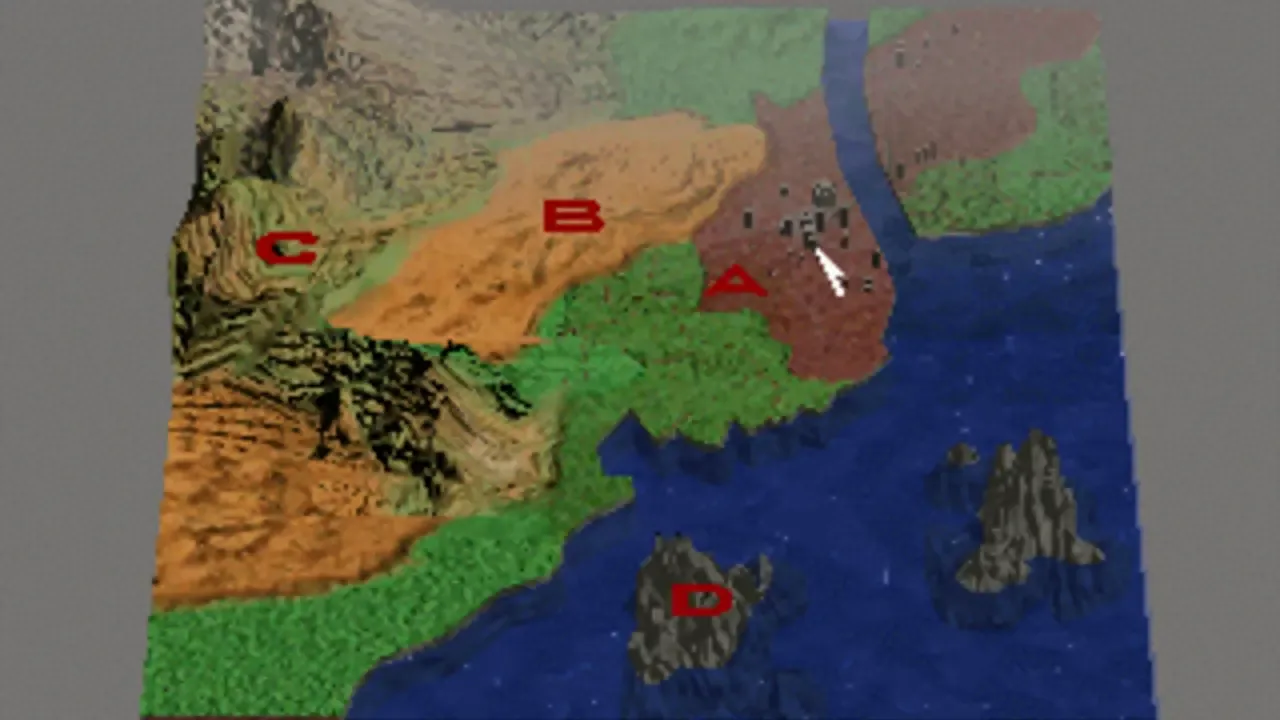
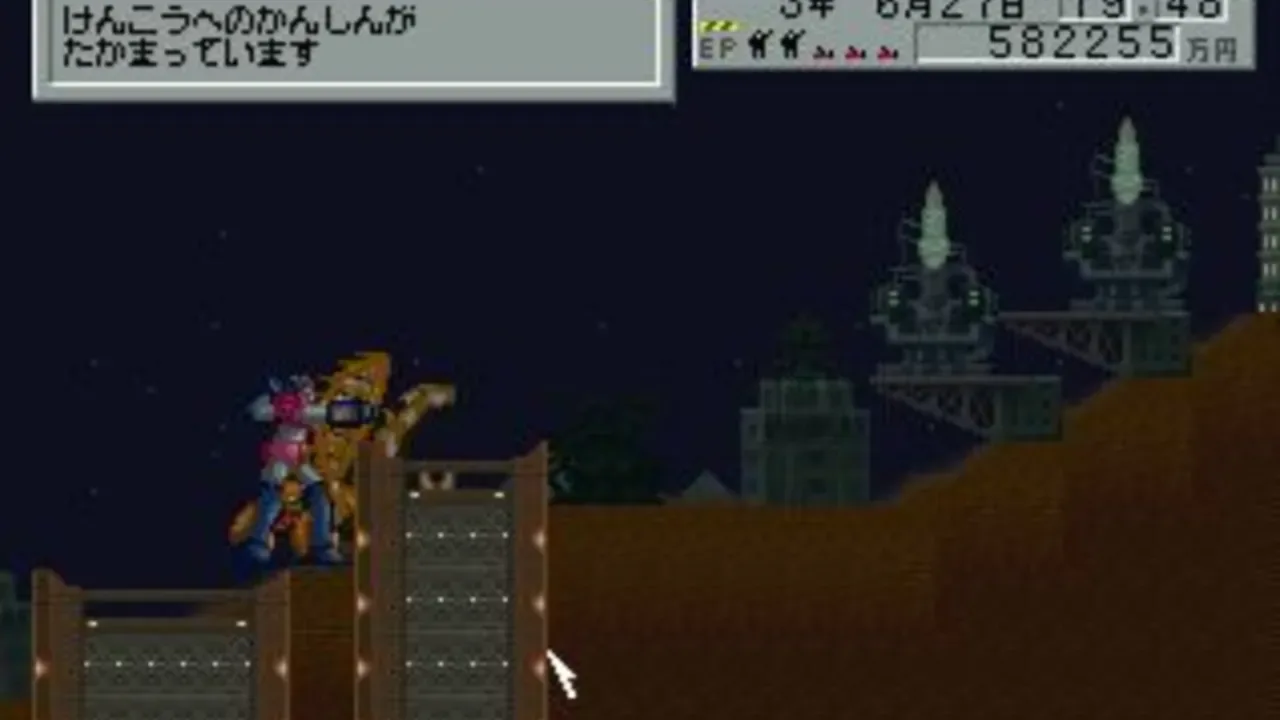
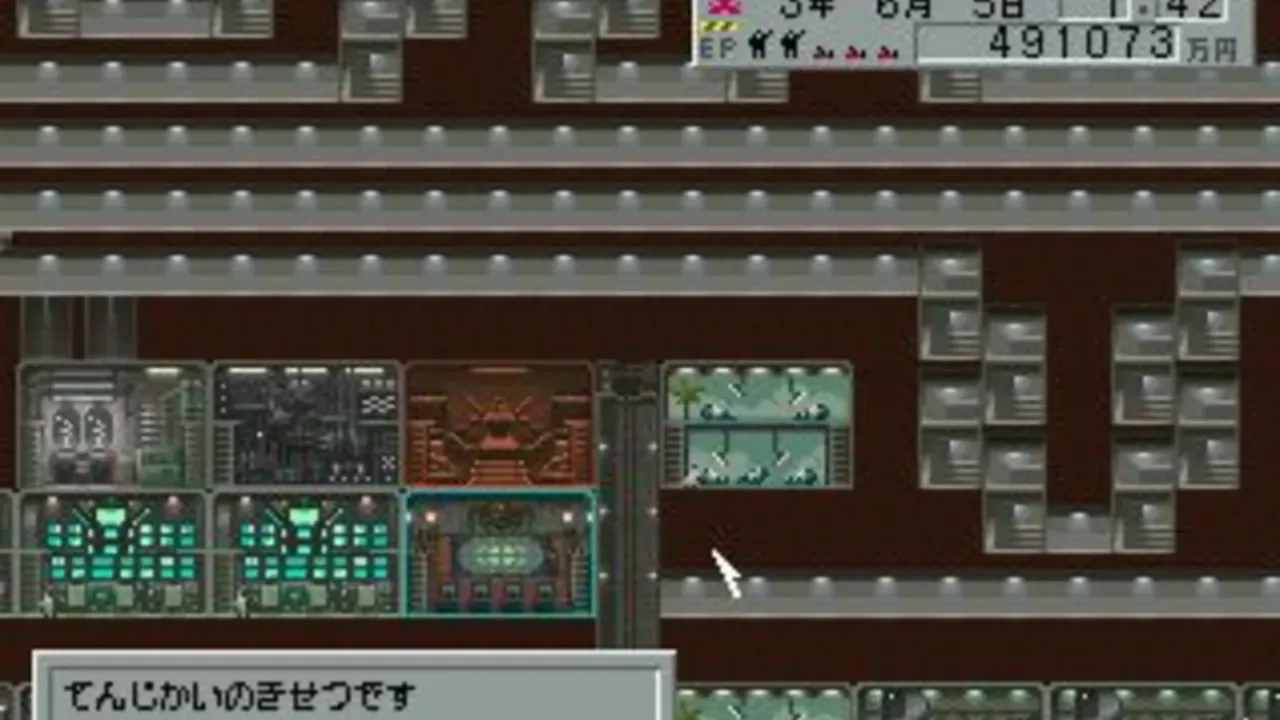
A version of the robot and base-building strategy game based on Tatsunoko's legendary anime properties.
The final PlayStation entry in the base and super-robot building series.
Azito 2 is the second game in the series, the most important difference between this game and Azito is that in Azito 2 the player can choose between the evil side or the justice side at the beginning of the game.
Could be interesting
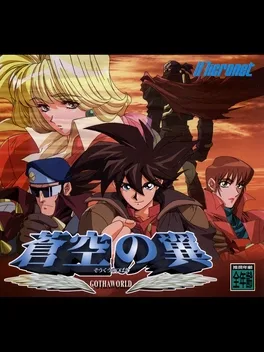
An air combat simulation game that is final installment of Gotha series released in 1997.
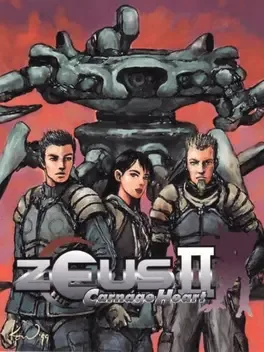
Zeus II: Carnage Heart is a Strategy game, developed and published by Artdink, which was released in Japan in 1999. Zeus II Carnage Heart is another Carnage Heart sequel (not to be confused with "Zeus Carnage Heart Second") with a new storyline, and vastly improved graphics over the original Carnage Heart.
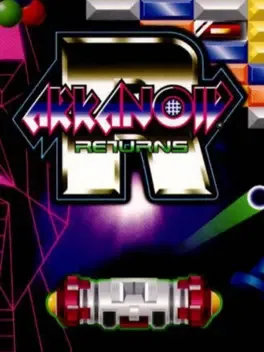
Arkanoid Returns is an arcade game released by Taito in 1997 as part of the Arkanoid series. It was the fourth overall, and third to be released in arcades. The game was since ported to the PlayStation, with an updated home release being released afterwards titled Arkanoid R 2000. All versions were released exclusively in Japan, currently making it the only game in the series to never receive an international release. The enemy known as 'DOH' still did not get the message and after many years of silence decides to attack once again. The 'Vaus' space vessel better be ready to face new, yet familiar challenges, in order to stop 'DOH' once again. The gameplay remains similar to Arkanoid: Doh it Again, the previous game in the series released for the Super Nintendo, in that it features the same powerups , some re-used level designs, and the same board size. The initial arcade game contains only 50 levels, the environment changing every 9 levels.
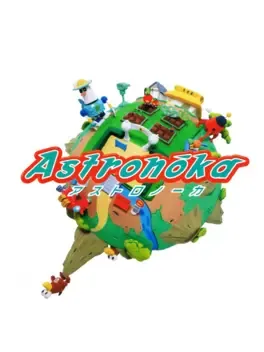
Astronoka is officially described as a "space vegetable production and pest control game". The game revolves around the player cultivating vegetables on a fictional, futuristic star system. The objective is to win vegetable contests and eventually the All-Universe Vegetable Competition, while setting traps and defense to protect the farm against a species of pest called Baboo.
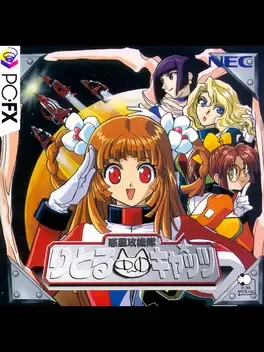
Little Cats is somewhat similar to Sakura Taisen games, with adventure and dating elements reduced, and simulation elements added. David has to make schedules for the girls and decide how much and what exactly they should train. Running competitions, shooting range, robot navigation - everything can be trained, but at the expense of the girls' stamina, which means they will need to rest as well. During the simulation mode, it is also possible to wander around the space station and spend time with the girls.

The sequel to Carnage Heart, a mecha action-strategy game from Artdink. Design an unmanned mobile weapon overkill engine, direct the airframe designed by himself and lead the battle to victory. Addition of story part, numerous new aircraft, strengthening of graphics, improvement of operability and completely revamp the system of the previous work. The curtain of dramatic SF simulation set on Jupiter's satellite rises!
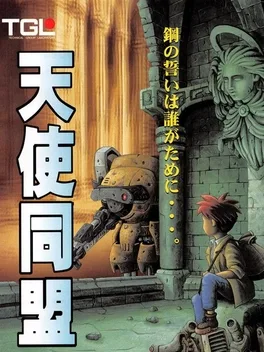
Tenshi Doumei combines battlefield tactics and mech upgrades for an entertaining title. At face value, Tenshi is a tactical strategy RPG where you move units and attack or defend against cadres of adversaries. Attacks consist of long range artillery attacks and close-range bouts where you invariably punch an enemy mech. The drawback of a punch is that the opponent will counter-attack within the close range. A long range fire attack will not prompt any return fire. Close range attacks are preferable in the first few levels because they inflict more damage.
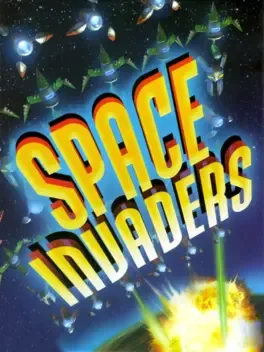
Space Invaders is a game in which the player controls a laser cannon by moving it horizontally across the bottom of the screen and firing at descending aliens. The aim is to defeat five rows of eleven aliens—some versions feature different numbers—that move horizontally back and forth across the screen as they advance towards the bottom of the screen. The player defeats an alien, and earns points, by shooting it with the laser cannon. As more aliens are defeated, the aliens' movement and the game's music both speed up.
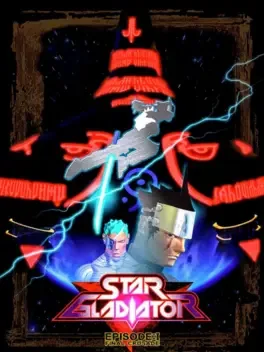
Star Gladiator Episode I: Final Crusade is a 1996 weapon-based 3D fighting game released by Capcom for the PlayStation-based ZN-1 arcade hardware. It was Capcom 's first polygonal fighting game, preceding the original Street Fighter EX (which Capcom had co-produced with Arika) by a few months A PlayStation port was released in October 1996. It was followed by a single sequel, Plasma Sword, in 1998.
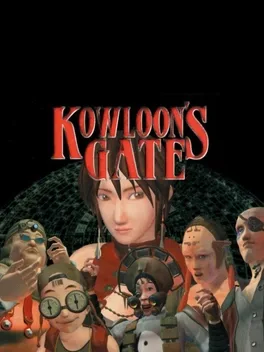
Kowloon's Gate is a 1997 Japanese adventure video game developed by Zeque. Set in the Kowloon Walled City in Hong Kong, it is considered a cult hit. Kowloon's Gate is a first person adventure game that puts the player in a futuristic fantasy world in which he will take the role of a young woman (a master feng shui) that will have to encounter different people, fight evil enmies, and solve some strange situations and puzzle to advance in the adventure and try to make that the world won't dissappear. Kowloon's Gate uses motion JPEG technology to render the strange CG enviroments you'll explore. Interact with unique characters, traverse the real-time 3D scenes freely, and solve imaginative puzzles in this Adventure game.